Overview
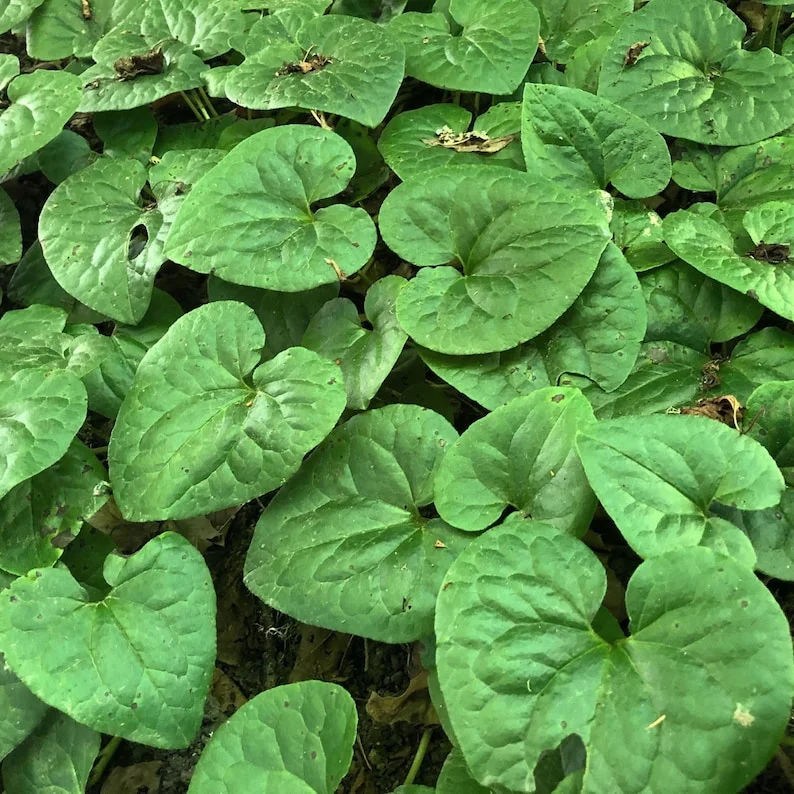
Experience the benefits of growing your own bocking 14 comfrey crown cuttings. This remarkable perennial herb, Symphytum x uplandicum ‘Bocking 14’, is renowned for its deep taproots that mine nutrients from the subsoil, making them available to other plants when used as a chop-and-drop mulch or in compost. Our organic crown cuttings ensure a reliable start for a vigorous, productive plant. Comfrey is a powerhouse for sustainable gardening, offering a multitude of uses from enriching garden soil to providing excellent animal fodder. It’s a sterile hybrid, meaning it won’t spread aggressively by seed, making it a manageable and highly desirable addition to any garden or homestead.
These bocking 14 comfrey crown cuttings are an ideal choice for gardeners looking to enhance soil fertility naturally and sustainably. Known for its rapid growth and nutrient accumulation, comfrey ‘Bocking 14’ is a non-flowering variety, ensuring all its energy goes into producing lush foliage. It’s a cornerstone plant for permaculture systems and a must-have for anyone practicing organic gardening principles. Each crown cutting is carefully prepared to ensure successful establishment and vigorous growth, providing a long-term solution for improving your garden’s ecosystem.
Key Benefits
Adding bocking 14 comfrey crown cuttings to your garden offers significant advantages:
- Exceptional Nutrient Accumulation: Comfrey’s deep roots draw essential minerals like potassium, phosphorus, and nitrogen from deep within the soil, making it an excellent ‘dynamic accumulator’. This enriches your garden beds naturally.
- Superior Soil Improvement: Use chopped comfrey leaves as a green manure or mulch. As they decompose, they release nutrients back into the topsoil, improving soil structure and fertility.
- Excellent Compost Activator: Comfrey leaves are rich in nitrogen, making them a fantastic addition to compost piles. They help speed up the decomposition process and create nutrient-dense compost.
- Sustainable Animal Fodder: Many homesteaders use comfrey as a highly nutritious feed for poultry, rabbits, and other livestock, contributing to a self-sufficient system.
- Erosion Control: Its extensive root system helps stabilize soil, preventing erosion on slopes or disturbed areas.
- Weed Suppression: When established, its large leaves can help shade out and suppress unwanted weeds around other plants.
- Pollinator Attractor: While ‘Bocking 14’ primarily focuses on foliage, any occasional flowers can still attract beneficial insects and pollinators to your garden.
Plant Care & Growing Tips
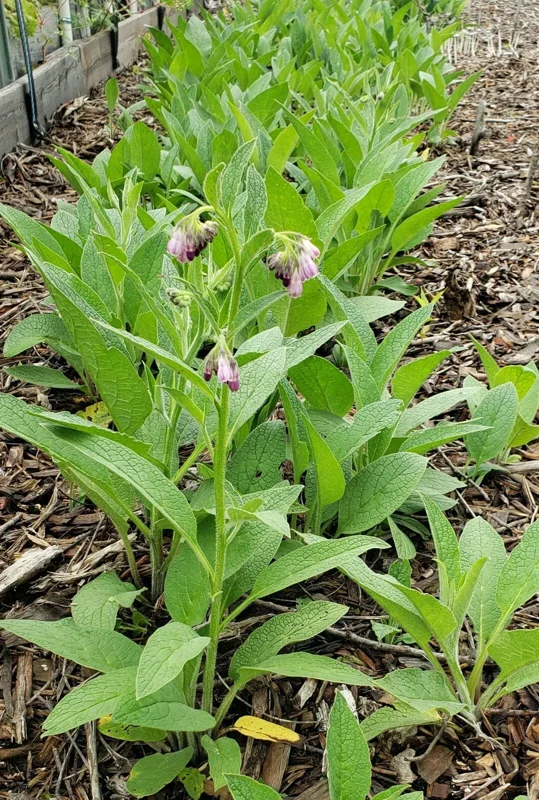
To successfully grow comfrey plant from crown cuttings, choose a site with full sun to partial shade. Comfrey is remarkably adaptable but thrives in well-draining, fertile soil. Dig a hole large enough to accommodate the crown cutting, ensuring the top of the crown is just at or slightly below the soil surface. Space plants about 2-3 feet apart to allow for mature growth. Water thoroughly after planting and keep the soil consistently moist, especially during the establishment phase. Once established, comfrey is quite drought-tolerant but will produce more lush growth with regular watering.
Comfrey requires minimal fertilization beyond its own nutrient cycling. However, an annual application of compost or well-rotted manure in spring can boost production. For maximum benefit, cut back the foliage several times a year, leaving about 2-3 inches of growth at the base. This encourages new growth and provides abundant material for mulch, compost, or animal feed. The more you cut, the more it grows! Protect young plants from heavy frosts in their first year. This hardy plant is generally pest and disease resistant, making it a low-maintenance choice for gardeners focused on comfrey for soil health.
Size & Details
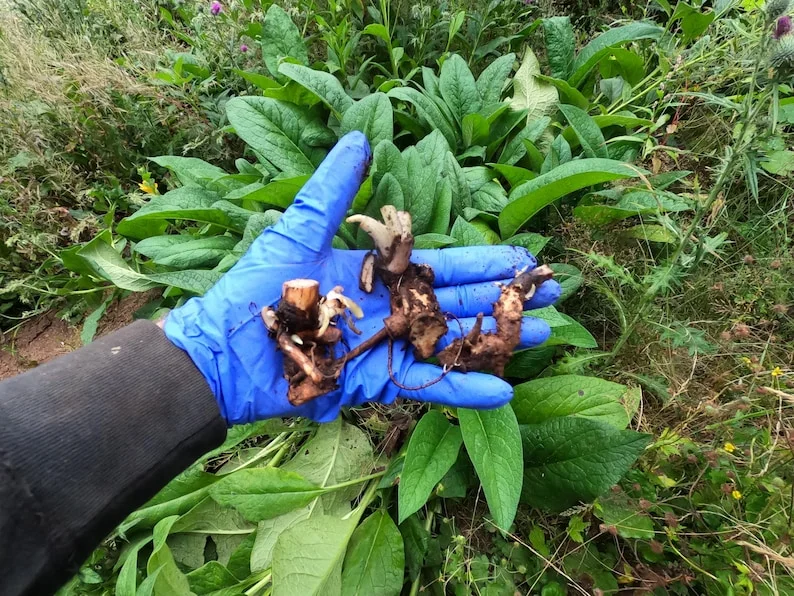
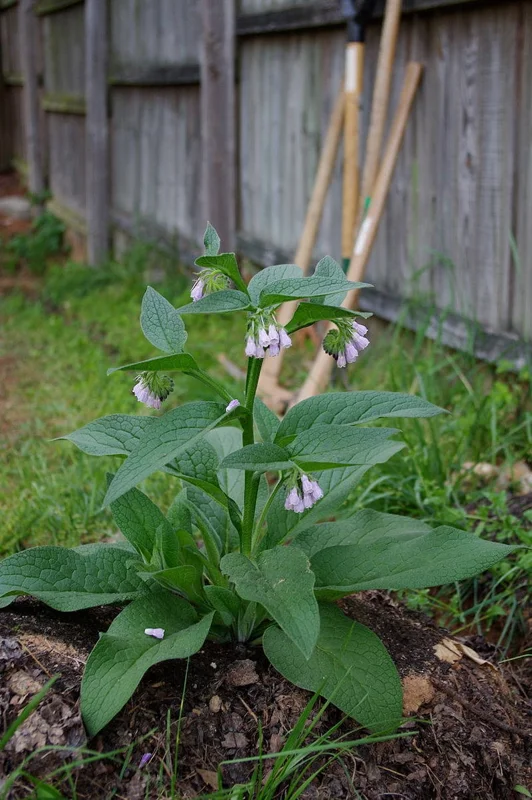
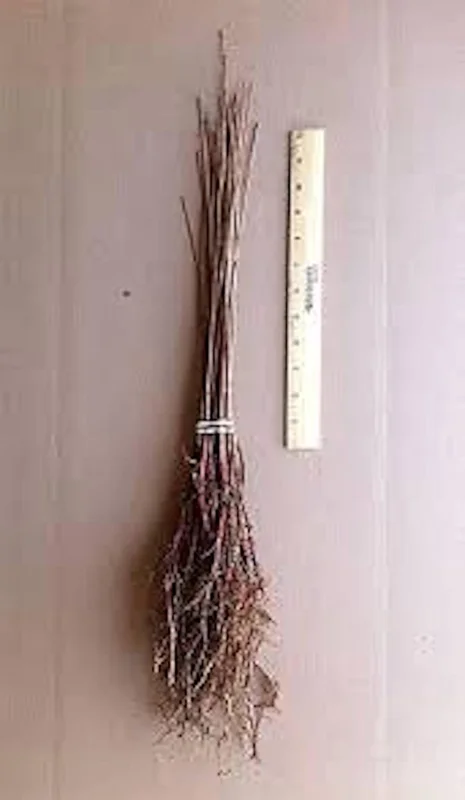
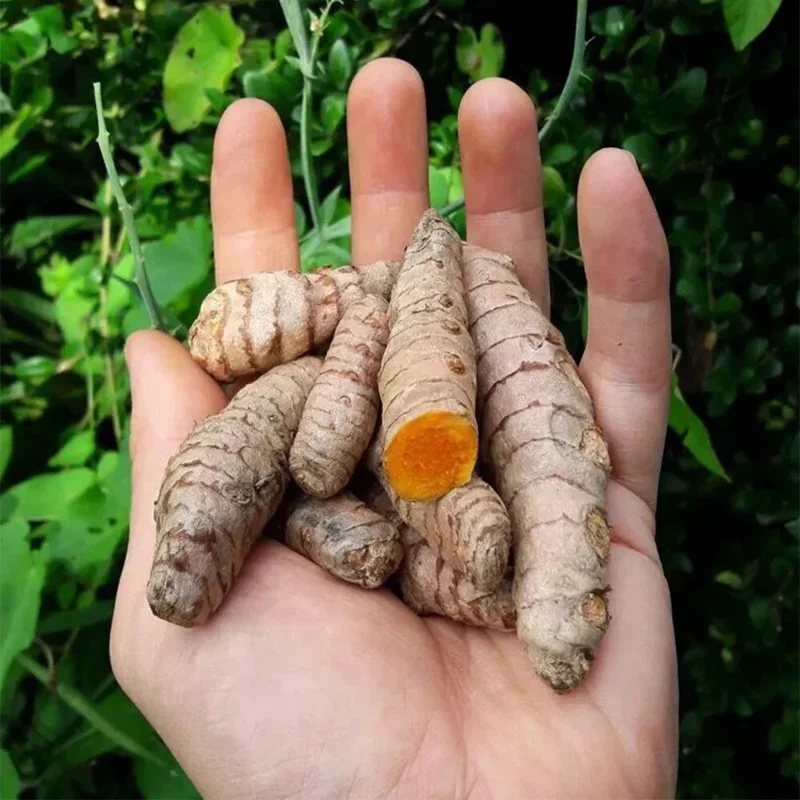
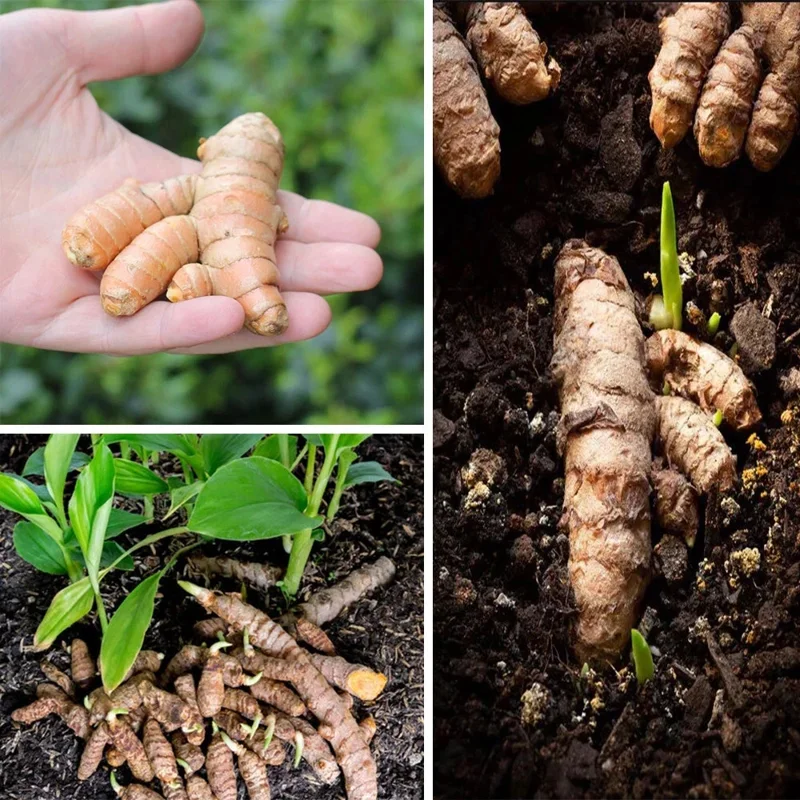
Each order includes 1 Crown Cutting of bocking 14 comfrey crown cuttings. These cuttings are typically 1-2 inches in diameter and contain a portion of the root and crown, ready to sprout. Comfrey ‘Bocking 14’ is a vigorous perennial that can grow 2-4 feet tall and wide at maturity, forming a substantial clump. It has a very fast growth rate, allowing for multiple harvests of leaves throughout the growing season, typically from spring to fall. Expect your crown cutting to begin sprouting within a few weeks of planting under optimal conditions. It ships as a dormant or semi-dormant crown cutting, carefully packaged to ensure viability upon arrival. This variety is known for its reliability and excellent performance in various climates.
Frequently Asked Questions
- Q: How big does this plant get? A: Bocking 14 comfrey crown cuttings will mature into a robust plant, typically reaching 2-4 feet in height and width, forming a dense clump. Its size makes it suitable for larger garden beds or dedicated areas.
- Q: Is this an indoor or outdoor plant? A: Comfrey is primarily an outdoor plant, thriving in garden beds or large containers. It needs ample space and sunlight to develop its extensive root system and foliage.
- Q: How much sunlight does it need? A: Comfrey prefers full sun (6+ hours of direct sunlight) but can tolerate partial shade (4-6 hours). More sun generally leads to more vigorous growth and higher nutrient accumulation.
- Q: Is this plant easy to care for? A: Yes, comfrey is known for being very easy to grow and low-maintenance once established. It’s an excellent choice for beginner gardeners and those looking for resilient plants for organic comfrey plant cultivation.
- Q: What condition will it arrive in? A: Your bocking 14 comfrey crown cuttings will arrive as dormant or semi-dormant root sections, carefully packaged to ensure they are healthy and ready for planting. They may not have visible foliage upon arrival.
- Q: When is the best time to plant? A: The best time to plant comfrey crown cuttings is in spring after the last frost, or in early fall in milder climates. This allows the plant to establish its root system before extreme temperatures.
- Q: Will it survive winter in my zone? A: Comfrey is very hardy and typically thrives in USDA Zones 3-9. It will die back to the ground in winter in colder climates but will reliably re-emerge in spring. Understanding bocking 14 comfrey benefits in different climates is key.
- Q: Can I use comfrey for medicinal purposes? A: While comfrey has historical medicinal uses, internal consumption is generally not recommended due to liver toxicity concerns. It is primarily used externally or as a garden amendment.
- Q: How often can I harvest the leaves? A: Once established, you can harvest comfrey leaves every 4-6 weeks throughout the growing season. Regular cutting encourages more growth and prevents flowering in ‘Bocking 14’.
- Q: What soil type does comfrey prefer? A: Comfrey is adaptable but prefers well-draining, fertile soil with a slightly acidic to neutral pH. It tolerates a range of soil types, including clay, as long as it’s not waterlogged.







Reviews
There are no reviews yet.