Overview
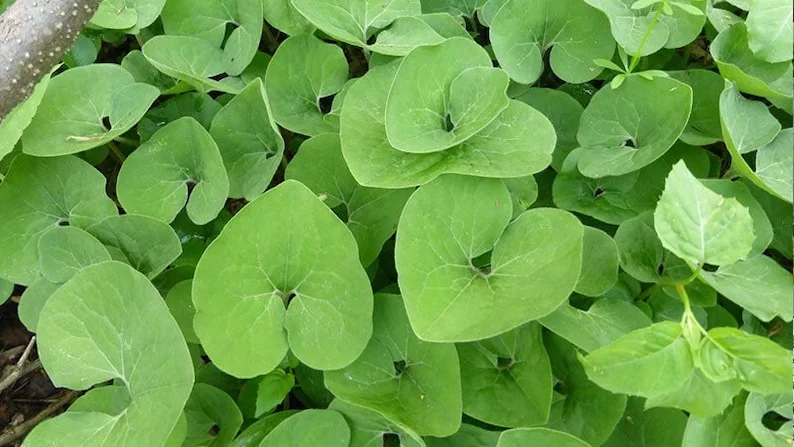
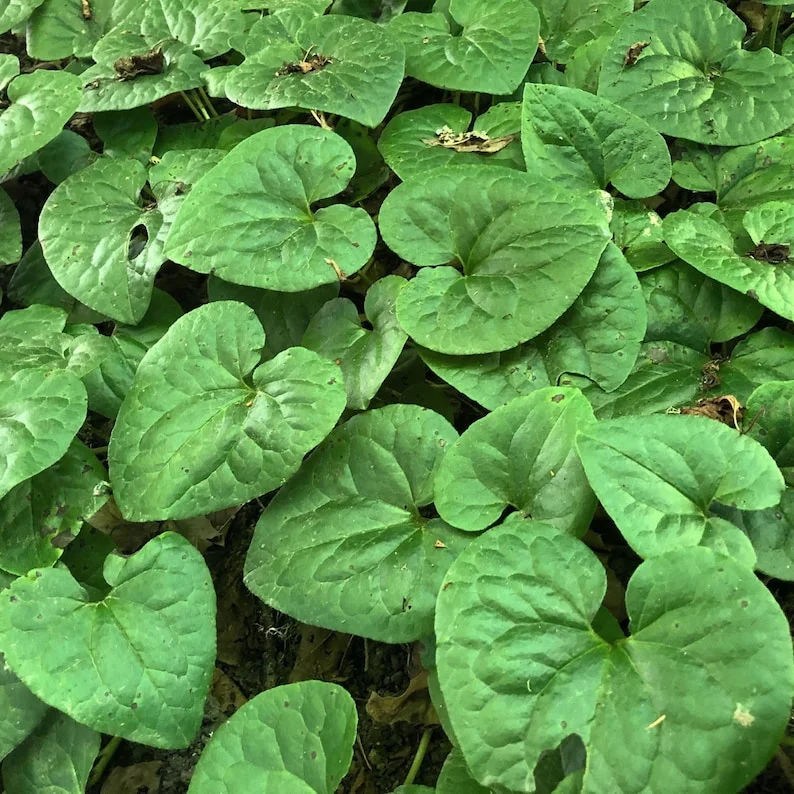
Experience the benefits of growing your own Bocking 14 Comfrey crown cuttings. This specific variety, Symphytum x uplandicum ‘Bocking 14’, is renowned among gardeners for its exceptional qualities. Unlike other comfrey types, Bocking 14 is sterile, meaning it will not spread by seed, making it a well-behaved and manageable addition to your garden or homestead. These crown cuttings are a reliable and organic way to establish a thriving comfrey patch, providing a sustainable source of nutrients for your plants and soil for years to come. Comfrey is often called a ‘dynamic accumulator’ due to its deep taproots that draw up essential minerals from the subsoil, making it an invaluable resource for organic gardening practices.
Comfrey is a versatile perennial herb that offers numerous advantages. It is particularly valued for its use in creating nutrient-rich compost, comfrey tea fertilizer, and as a beneficial mulch. The rapid growth of Bocking 14 allows for multiple harvests throughout the growing season, ensuring a continuous supply of this powerful plant material. Whether you’re looking to improve soil structure, boost your compost, or create a natural fertilizer, these organic comfrey plants are an excellent investment for any eco-conscious gardener.
Key Benefits
Cultivating Bocking 14 Comfrey crown cuttings offers a multitude of advantages for your garden and soil health:
- Exceptional Soil Improvement: Comfrey’s deep roots break up compacted soil, improving aeration and drainage. It also brings up subsoil nutrients, making them available to other plants.
- Nutrient-Rich Fertilizer: The harvested leaves can be steeped in water to create a potent liquid fertilizer, rich in potassium, nitrogen, and phosphorus, perfect for fruiting and flowering plants.
- Superior Compost Activator: Comfrey leaves are an excellent ‘green’ material for compost piles, accelerating decomposition and enriching the final product with valuable minerals.
- Effective Mulch: Laying comfrey leaves around other plants provides a slow-release fertilizer and helps suppress weeds, conserving soil moisture.
- Non-Invasive Growth: As a sterile hybrid, Bocking 14 comfrey does not produce viable seeds, preventing unwanted spread and making it easy to manage in your garden. This is a key advantage when you want to grow comfrey Bocking 14 without it taking over.
- Attracts Pollinators: The bell-shaped flowers, though less common with frequent harvesting, can attract beneficial insects, including bees, to your garden.
- Perennial Durability: Once established, these organic comfrey plants are long-lived and require minimal maintenance, providing a continuous supply of biomass for years.
Plant Care & Growing Tips
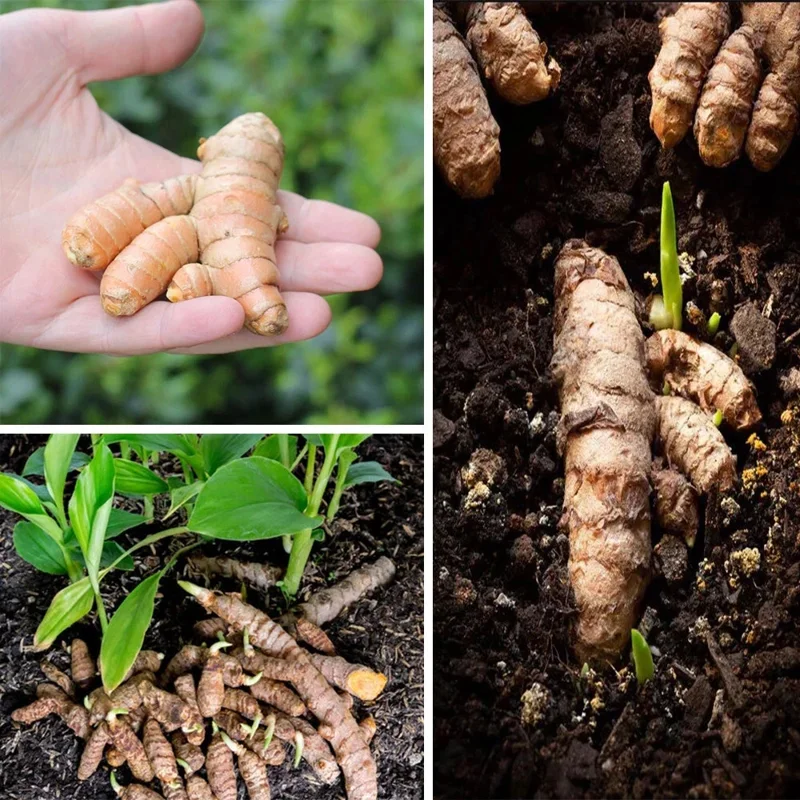
Establishing your Bocking 14 Comfrey crown cuttings is straightforward, and with proper care, they will thrive and provide abundant harvests. Comfrey prefers a location with full sun to partial shade, ideally receiving at least 4-6 hours of direct sunlight daily. While adaptable, it performs best in well-draining, fertile soil. Before planting, amend heavy clay soils with organic matter to improve drainage, or sandy soils to enhance water retention. Dig a hole large enough to accommodate the crown cutting, ensuring the top of the crown is just at or slightly below the soil surface.
Water newly planted comfrey thoroughly to settle the soil around the crowns. Once established, comfrey is quite drought-tolerant, but consistent moisture will lead to more vigorous growth and larger yields. Avoid waterlogging, as this can lead to root rot. For optimal growth, fertilize annually in spring with a balanced organic fertilizer or a layer of well-rotted compost. Comfrey is a heavy feeder due to its rapid growth and nutrient accumulation. The ideal USDA hardiness zones for Bocking 14 comfrey are typically 3-9, as it is very cold hardy. Harvest leaves by cutting them close to the ground, leaving a few inches of stem, up to 3-4 times per growing season. Regular harvesting encourages more leaf production.
Size & Details
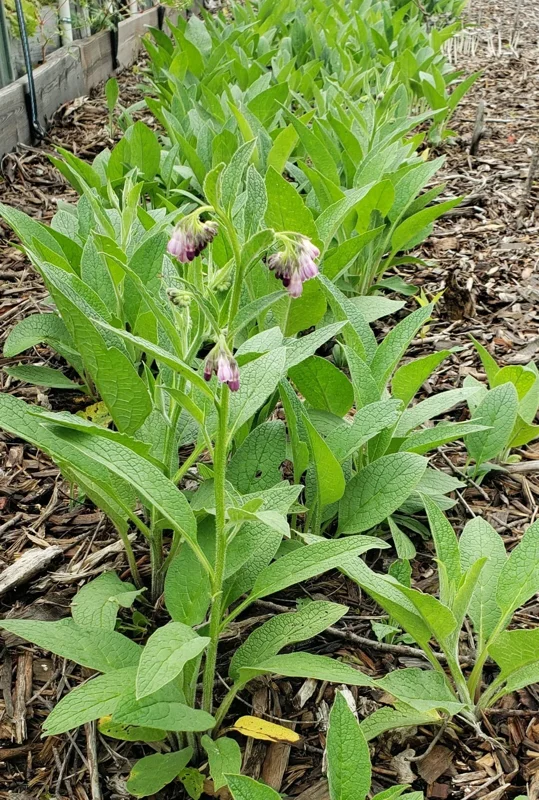
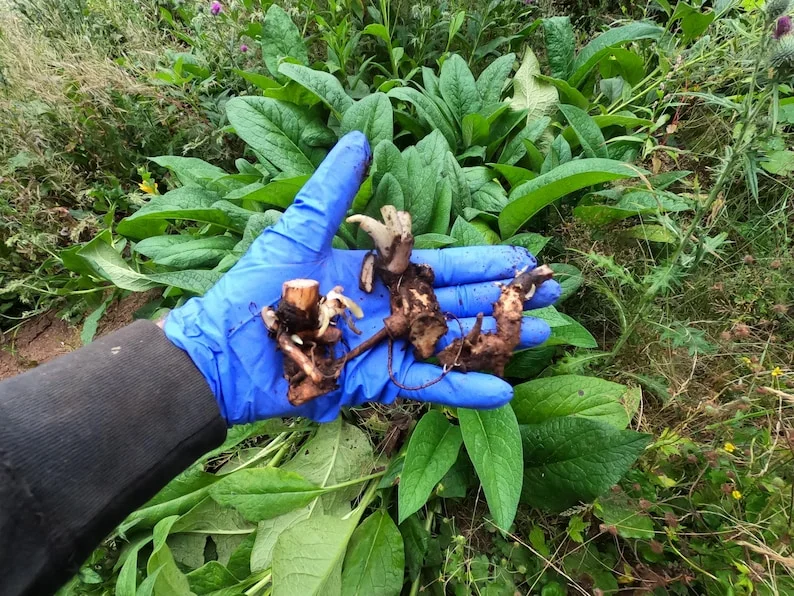
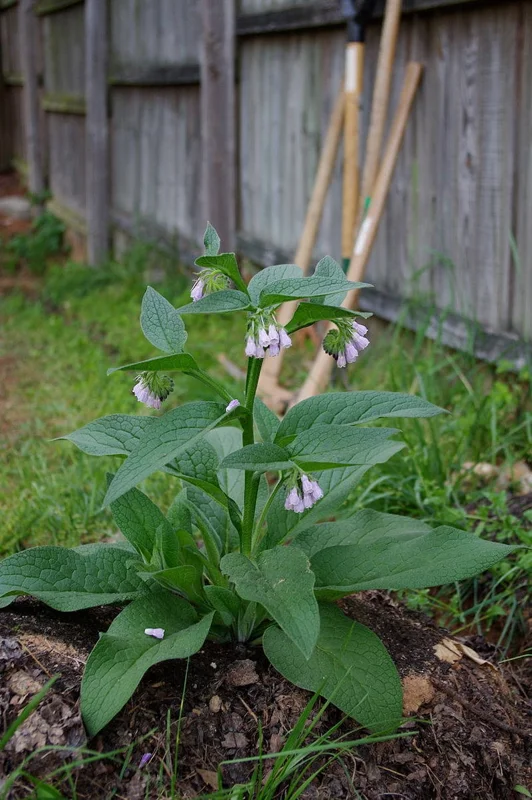
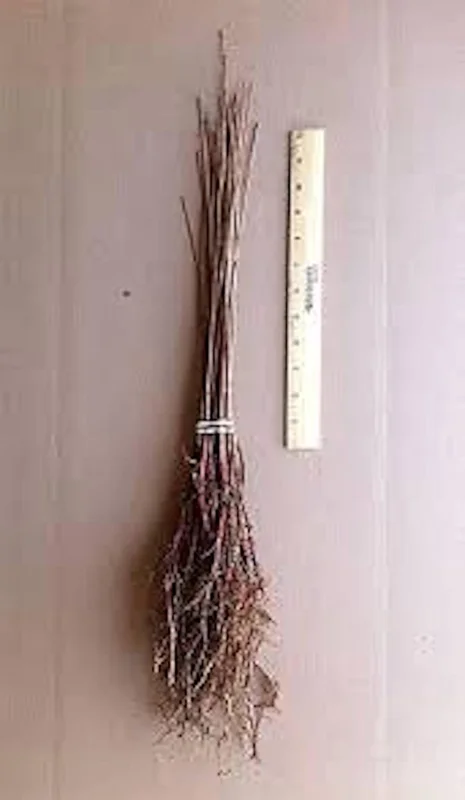
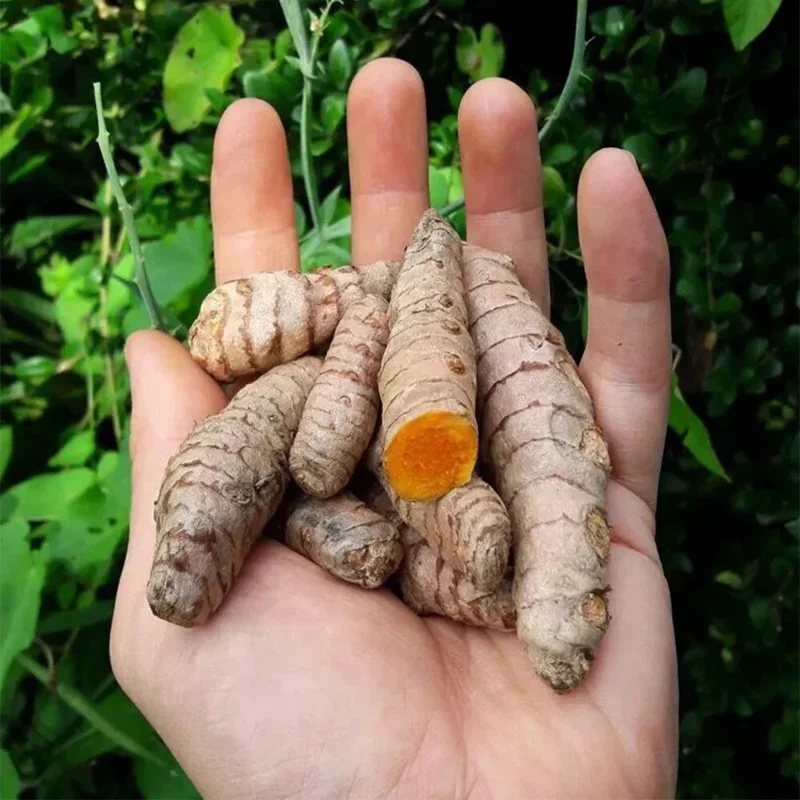
This offering includes 10 Bocking 14 Comfrey crown cuttings. Each crown cutting is a section of the comfrey root system with an active growth bud, ensuring successful establishment. These are bare root cuttings, meaning they ship without soil, ready for immediate planting upon arrival. Once planted, comfrey establishes quickly, with noticeable growth appearing within a few weeks under favorable conditions. A mature Bocking 14 comfrey plant can reach heights of 2-3 feet and spread similarly wide, forming a dense clump. With proper care and regular harvesting, a single plant can produce a significant amount of biomass throughout the growing season.
Frequently Asked Questions
- Q: How big do these Bocking 14 Comfrey crown cuttings get? A: Each cutting is a small root section, but once planted, the mature plant can grow up to 2-3 feet tall and wide, forming a substantial bush ideal for consistent harvesting.
- Q: Is this an indoor or outdoor plant? A: Bocking 14 Comfrey is primarily an outdoor perennial plant, thriving in garden beds or large containers. It is highly cold-hardy and best suited for outdoor cultivation.
- Q: How much sunlight does it need? A: Comfrey prefers full sun to partial shade. Aim for at least 4-6 hours of direct sunlight per day for the best growth and yield.
- Q: Is this plant easy to care for? Is it good for beginners? A: Yes, comfrey is a very robust and easy-to-grow plant, making it excellent for beginners. Once established, it requires minimal attention, primarily just watering during dry spells and harvesting.
- Q: What condition will the Bocking 14 Comfrey crown cuttings arrive in? A: The cuttings will arrive as bare root sections, carefully packaged to ensure freshness and viability. They should be planted as soon as possible after arrival.
- Q: When is the best time to plant these comfrey cuttings? A: The best time to plant comfrey crown cuttings is in early spring after the last frost, or in late summer/early fall in warmer climates. This allows them to establish before extreme temperatures.
- Q: Will it survive winter in my zone? A: Bocking 14 Comfrey is very cold-hardy, typically surviving winters in USDA Zones 3-9. It will die back to the ground in colder climates and re-emerge in spring.
- Q: Can I use perennial comfrey for purposes other than soil improvement? A: Absolutely! While excellent for soil, its leaves are also used to make nutrient-rich liquid fertilizer, chopped and dropped as mulch, and as a compost activator.
- Q: How long until I can harvest leaves from my comfrey plants? A: You can typically start harvesting leaves from well-established plants in their second year. Some light harvesting might be possible in the first year once the plant has developed a strong root system.
- Q: What’s the minimum temperature these organic comfrey plants can tolerate? A: Established Bocking 14 Comfrey plants can tolerate temperatures well below freezing, often down to -30°F (-34°C) or colder within their hardiness zones.







Reviews
There are no reviews yet.