Overview
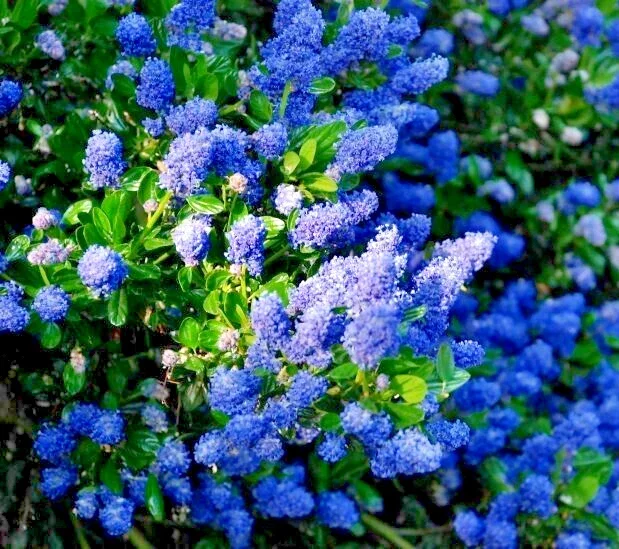
Embark on a rewarding gardening journey with these high-quality ceanothus california lilac cuttings. Each order includes 3 unrooted 6-inch live plant cuttings, perfect for propagating your own beautiful Ceanothus shrubs. Known for their breathtaking clusters of blue to purple flowers and attractive evergreen foliage, California Lilacs are a spectacular addition to any garden, especially in drought-prone regions. These cuttings offer an economical and satisfying way to establish this popular North American native plant. Often referred to simply as “California Lilac,” Ceanothus species are celebrated for their hardiness, vibrant blooms, and ability to attract pollinators, making them a cornerstone for sustainable landscapes.
Ceanothus is a genus of over 50 species of flowering shrubs and small trees native to North America, predominantly California. They are renowned for their abundant, fragrant flowers that typically appear in spring or early summer, transforming landscapes with their vivid hues. Growing from cuttings allows gardeners to directly experience the lifecycle of this resilient plant, from rooting to full bloom. These ceanothus california lilac cuttings are a fantastic starting point for both novice and experienced gardeners looking to expand their collection of native, water-wise plants.
Key Benefits
Adding ceanothus california lilac cuttings to your garden offers a multitude of advantages, enhancing both aesthetic appeal and ecological value. These plants are not only visually stunning but also incredibly beneficial for the local ecosystem.
-
Stunning Floral Display: Enjoy abundant clusters of vibrant blue to purple flowers that create a spectacular visual impact in spring and early summer. The sheer volume of blooms makes the Ceanothus a focal point in any garden setting.
-
Attracts Pollinators: The nectar-rich flowers are a magnet for bees, butterflies, and other beneficial pollinators, supporting local biodiversity and contributing to a healthy garden ecosystem.
-
Drought-Tolerant: Once established, Ceanothus plants are highly water-wise, making them an excellent choice for xeriscaping and gardens in arid or Mediterranean climates. This significantly reduces water consumption and maintenance.
-
Low Maintenance: These shrubs generally require minimal care once mature, thriving with little intervention beyond occasional pruning. This makes them ideal for busy gardeners or those seeking an easy-to-manage landscape.
-
Erosion Control: Their extensive root systems help stabilize soil on slopes and hillsides, preventing erosion and offering a natural solution for challenging landscape areas.
-
Evergreen Foliage: Many varieties offer attractive evergreen leaves, providing year-round interest and structure to your garden even when not in bloom.
-
Native Plant Status: As a native California plant, Ceanothus is well-adapted to local conditions and contributes to the native plant palette, supporting regional wildlife and ecological balance. Understanding california lilac plant care ensures these benefits are fully realized.
Plant Care & Growing Tips
Successful propagation and growth of your ceanothus california lilac cuttings begin with proper care. While Ceanothus is a relatively hardy plant, establishing cuttings requires attention to detail. Begin by preparing a well-draining rooting medium, such as a mix of perlite and peat moss or a specialized seed-starting mix. Dip the cut end of each 6-inch cutting in rooting hormone powder to encourage root development. Insert the cuttings about 2-3 inches deep into the prepared medium. Maintain high humidity around the cuttings by covering them with a plastic dome or bag, ensuring air circulation to prevent fungal issues. Keep the rooting medium consistently moist but not waterlogged.
Once roots have developed (typically in 4-8 weeks), the young plants can be gradually acclimated to ambient conditions before transplanting. Ceanothus thrive in full sun, requiring at least 6-8 hours of direct sunlight per day to produce abundant blooms. They prefer well-draining soil and are highly intolerant of heavy, waterlogged conditions, which can lead to root rot. A slightly acidic to neutral soil pH is ideal. In terms of temperature, most Ceanothus varieties are suited for USDA hardiness zones 7-10, though specific tolerances vary by species. Protect young plants from extreme cold during their first winter. Fertilization is generally not necessary for established plants, as they are adapted to nutrient-poor soils; excessive feeding can actually be detrimental. For optimal health and bloom, understanding the nuances of california lilac plant care is crucial. Regular monitoring for pests and diseases, though uncommon, will help maintain a healthy ceanothus shrub.
Pruning should be done after flowering to maintain shape and encourage new growth. Avoid heavy pruning into old wood, as Ceanothus often does not resprout from it. Light shaping and removal of spent flowers are usually sufficient. As a drought tolerant shrub, once established, supplemental watering should be minimal, primarily during prolonged dry spells. Overwatering is a common cause of failure. Consider planting in a location with good air circulation to further reduce disease risk. Learning how to grow ceanothus successfully means providing conditions that mimic its native habitat.
Size & Details
This package contains 3 individual ceanothus california lilac cuttings, each approximately 6 inches in length. These are unrooted live plant cuttings, meaning they do not yet have an established root system and require propagation to grow into mature plants. Upon successful rooting and establishment, Ceanothus can vary significantly in size depending on the specific species or cultivar. Many varieties grow into medium to large shrubs, typically reaching a height of 3 to 10 feet and a similar spread, though some can be smaller groundcovers or even small trees. The growth rate is generally moderate to fast once established. Expect the cuttings to take several weeks to root, and then several months to a year to develop into a small, transplantable shrub. Flowering typically begins within 1-2 years of successful propagation, offering a rewarding long-term project for gardeners. These cuttings provide the foundational material to cultivate a robust and beautiful ceanothus shrub in your garden.
Frequently Asked Questions
-
Q: How do I root these ceanothus california lilac cuttings? A: Prepare a well-draining rooting medium, dip the cut end in rooting hormone, and insert 2-3 inches deep. Keep the medium consistently moist and maintain high humidity with a plastic cover, ensuring air circulation. Roots typically form in 4-8 weeks.
-
Q: What is the best time to plant these cuttings once rooted? A: Once the cuttings have developed a strong root system and show new leaf growth, they can be transplanted. Spring or early fall are generally the best times to plant them in the garden, allowing them to establish before extreme weather.
-
Q: How much sunlight does a ceanothus shrub need? A: Ceanothus thrives in full sun, requiring at least 6 to 8 hours of direct sunlight per day. Adequate light is crucial for abundant flowering and healthy growth.
-
Q: Is this plant considered a drought tolerant shrub? A: Yes, once established, Ceanothus is highly drought-tolerant. It requires minimal supplemental watering, making it an excellent choice for water-wise gardens and xeriscaping.
-
Q: What kind of soil is best for Ceanothus? A: Ceanothus prefers well-draining soil and is intolerant of heavy, waterlogged conditions. A sandy or gravelly loam with a slightly acidic to neutral pH is ideal.
-
Q: How big will the plant get from these cuttings? A: The mature size depends on the specific Ceanothus variety. Most commonly grown types mature into shrubs ranging from 3 to 10 feet tall and wide, though some can be smaller or larger. It will take several years to reach its full size.
-
Q: Are Ceanothus plants attractive to pollinators? A: Absolutely! The abundant flowers of Ceanothus are a significant source of nectar for bees, butterflies, and other beneficial insects, making them a great addition for supporting local pollinator populations.
-
Q: What is the ideal USDA hardiness zone for Ceanothus? A: Most Ceanothus varieties are hardy in USDA zones 7-10. It is important to research the specific variety if you are in a borderline zone to ensure it will thrive.
-
Q: Do I need to fertilize my Ceanothus plant? A: Generally, established Ceanothus plants do not require fertilization and can be harmed by it. They are adapted to nutrient-poor soils. If your soil is extremely poor, a very light application of a low-nitrogen, slow-release fertilizer may be considered, but it’s often best to avoid it.
-
Q: Can I grow Ceanothus in a container? A: Yes, smaller or slower-growing varieties of Ceanothus can be grown in containers, especially when young. Ensure the container has excellent drainage and use a well-draining potting mix. As the plant grows, it may need to be transplanted into a larger pot or the ground. For successful container growth, careful california lilac plant care is essential.








Reviews
There are no reviews yet.