Overview
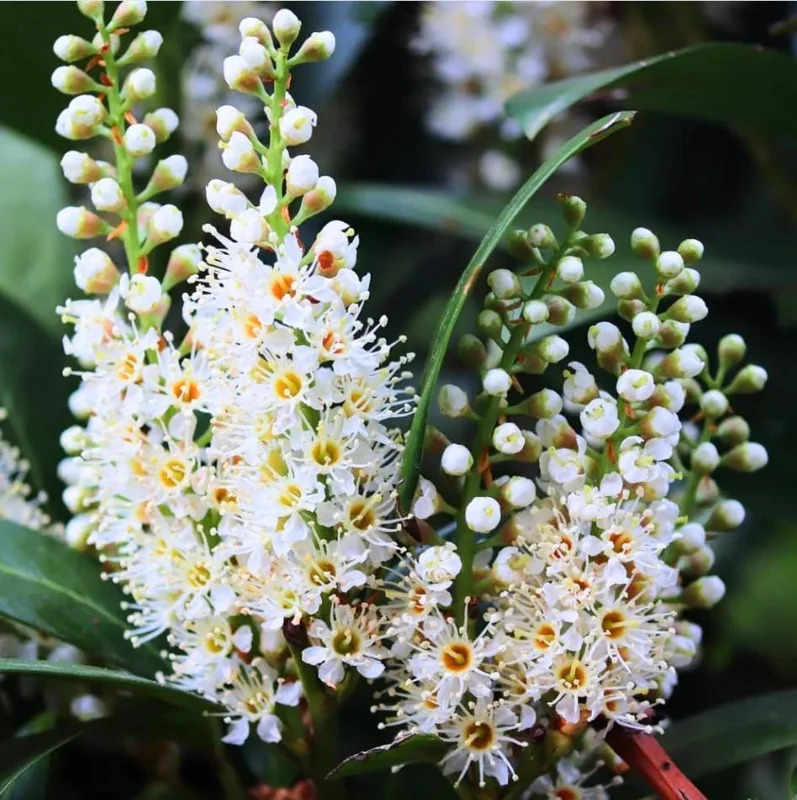
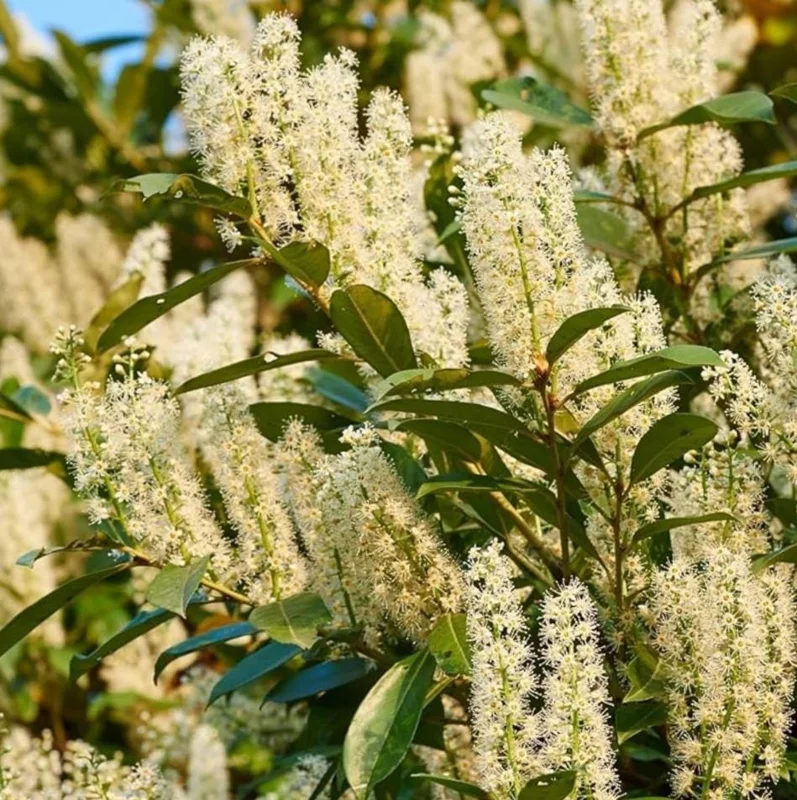
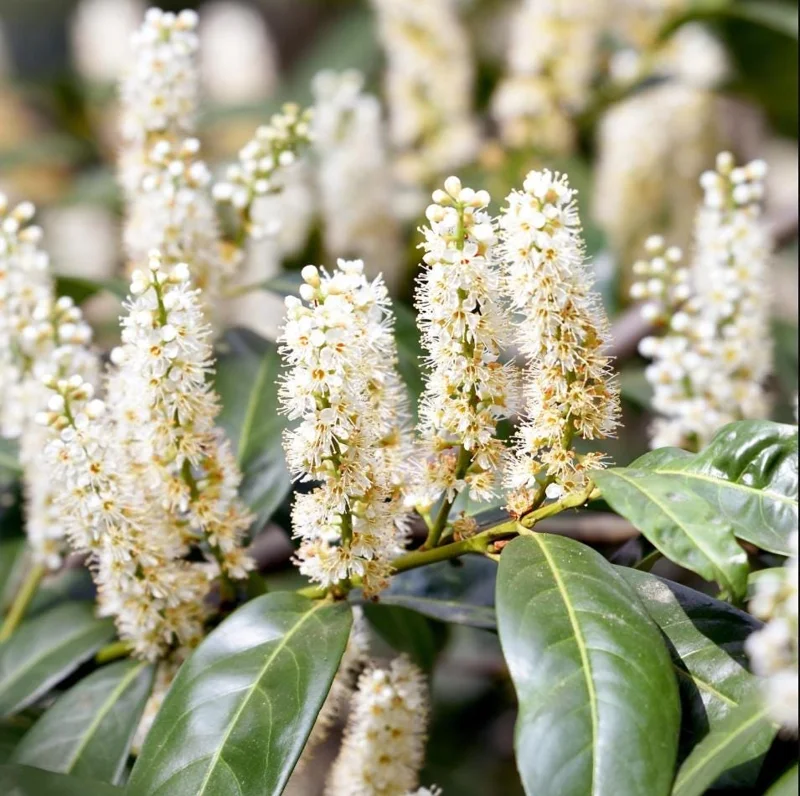
Transform your garden with this exceptional set of 5 cherry laurel bare root plants. These young, dormant Prunus laurocerasus specimens, measuring 5-10 inches tall, offer an economical and effective way to establish a beautiful, evergreen presence in your landscape. As a popular evergreen shrub or tree, the cherry laurel bush is renowned for its rapid growth, dense foliage, and adaptability, making it a favorite for creating natural fences, privacy screens, or attractive garden backdrops. Each bare root plant is carefully prepared for planting, ensuring a healthy start when introduced to its new environment. Known also by its botanical name Prunus laurocerasus, this robust plant promises to bring lush greenery and structure to any outdoor space. Whether you’re a seasoned gardener or just starting, planting prunus laurocerasus plant bare roots is a rewarding experience that yields significant long-term benefits for your garden’s aesthetic and ecological value.
Key Benefits
Investing in a cherry laurel bare root plant offers numerous advantages for any landscape project, providing both aesthetic appeal and practical functionality. These plants are an excellent choice for gardeners seeking durable and attractive solutions.
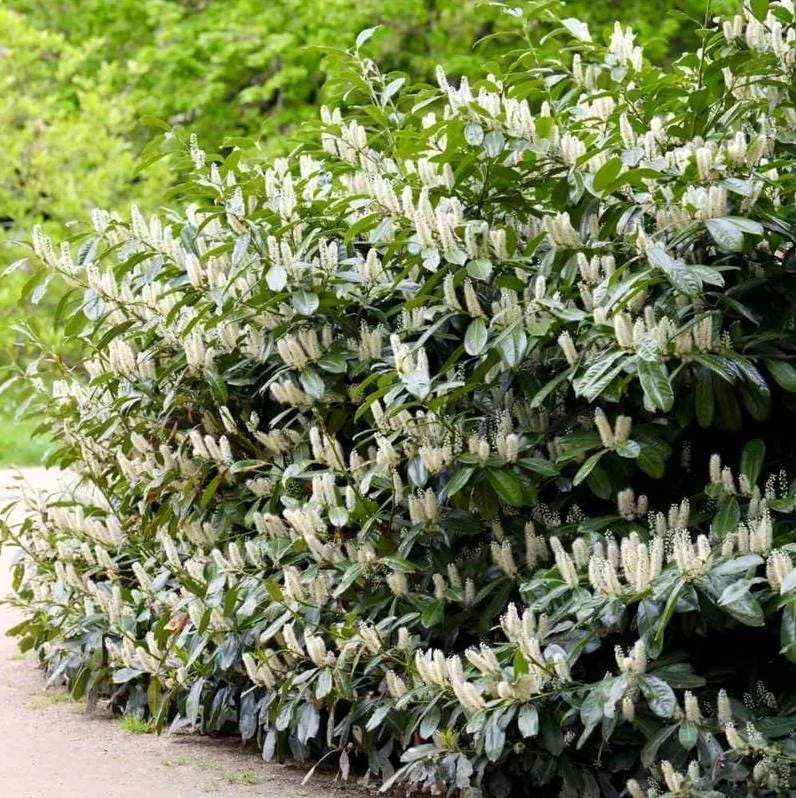
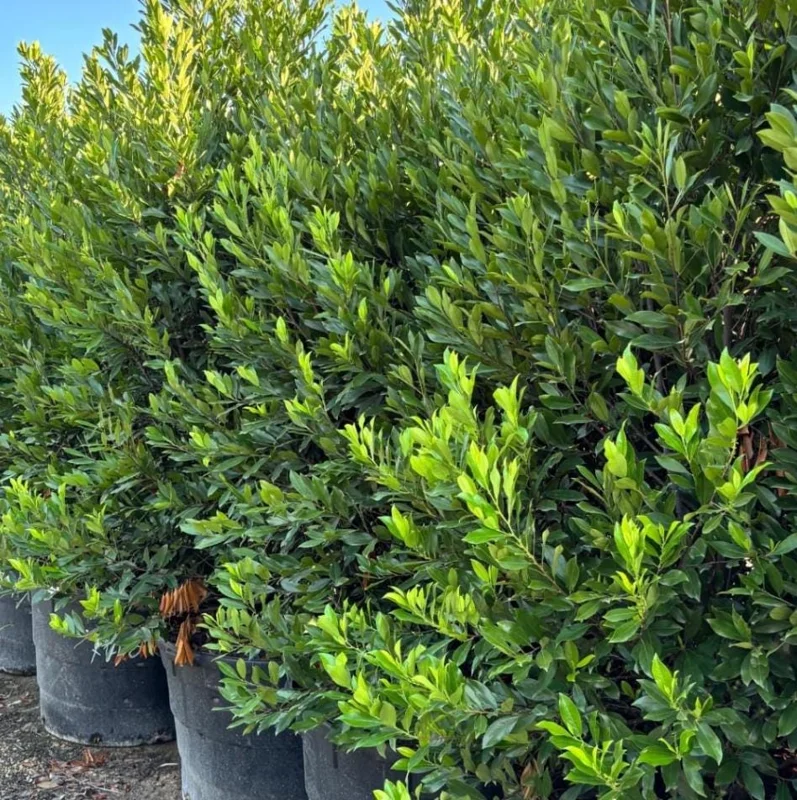
- Excellent for Hedges and Screens: The dense, glossy evergreen foliage of the cherry laurel bush makes it an ideal candidate for creating year-round privacy screens, windbreaks, and formal or informal hedges. Its rapid growth rate helps establish these features quickly.
- Adaptable and Resilient: Prunus laurocerasus is highly adaptable to a variety of soil types and environmental conditions, making it a forgiving plant for many different garden settings. It tolerates urban pollution and moderate drought once established.
- Year-Round Greenery: Unlike deciduous plants, the cherry laurel retains its vibrant green leaves throughout the year, providing continuous visual interest and structure to your garden even in winter months.
- Low Maintenance: Once established, prunus laurocerasus plant requires relatively low maintenance. It can be pruned to maintain desired size and shape, and its hardiness reduces the need for constant care.
- Wildlife Habitat: While the berries are toxic to humans, they provide a food source for birds, and the dense foliage offers shelter for various small wildlife, contributing to garden biodiversity.
- Cost-Effective Planting: Purchasing cherry laurel bare root plants is often more economical than buying potted specimens, especially when planting in larger quantities for hedging or mass plantings.
- Strong Root Development: Bare root plants often develop a more robust and expansive root system after planting, leading to a healthier and more vigorous plant in the long run. This strong foundation helps the plant thrive.
Plant Care & Growing Tips
Caring for your cherry laurel bare root plants is straightforward, ensuring they establish well and flourish into healthy, vibrant shrubs. Proper planting and initial care are crucial for their long-term success. Begin by soaking the bare roots in water for a few hours before planting to rehydrate them. Dig a hole wide enough to accommodate the spread-out roots and deep enough so the plant sits at the same level it grew previously. Backfill with soil, gently tamping down to remove air pockets, and water thoroughly.
The cherry laurel bush prefers a location with full sun to partial shade. While it can tolerate some shade, more sunlight generally leads to denser foliage and better overall health. It thrives in fertile, well-drained soil, but is adaptable to a wide range of soil types, including clay and sandy soils, as long as they are not waterlogged. Regular watering is essential during the establishment period, typically the first year or two after planting. Once mature, prunus laurocerasus plant exhibits good drought tolerance, though supplemental watering during prolonged dry spells will benefit its appearance. Fertilize in early spring with a balanced, slow-release granular fertilizer formulated for trees and shrubs. Pruning can be done in late spring or early summer to maintain shape, control size, or remove any damaged branches. Watch out for common pests like vine weevils and diseases such as powdery mildew, addressing them promptly with appropriate organic or chemical treatments. Following this bare root planting guide will set your plants up for success.
Size & Details
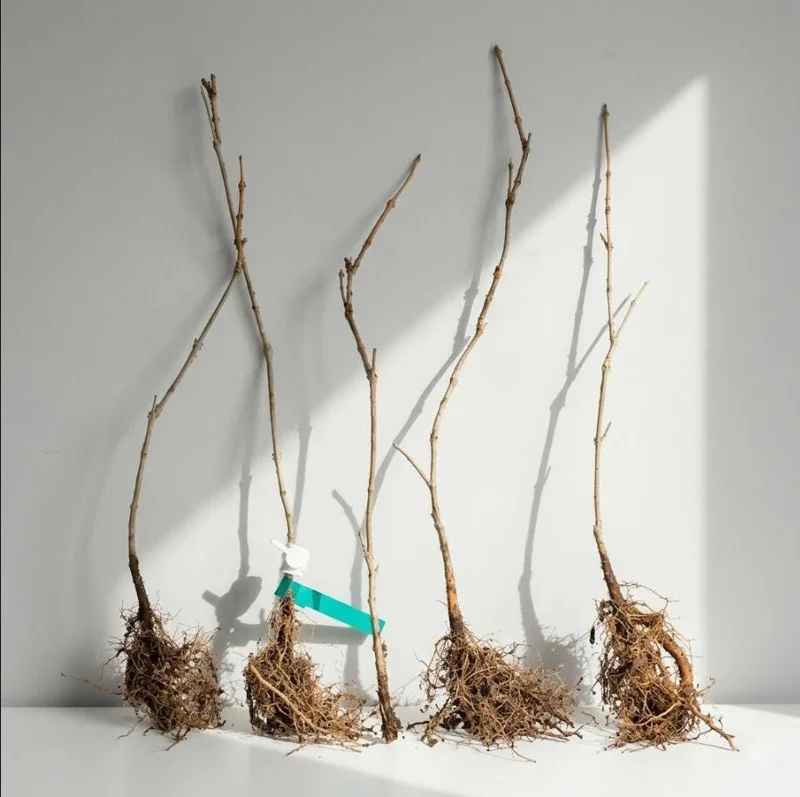
This offering includes a set of 5 cherry laurel bare root plants, each measuring approximately 5-10 inches tall. These young, dormant plants are shipped without soil or pots, allowing for efficient and cost-effective transportation and planting. While the exact mature size can vary based on growing conditions and pruning, the cherry laurel bush typically grows to a height of 10-18 feet and a spread of 5-10 feet if left unpruned, forming a substantial evergreen presence. These bare roots are ready for immediate planting upon arrival, ideally during the dormant season in late fall or early spring for best establishment. Once planted, expect moderate to fast growth, with visible development within the first growing season. The leaves are glossy, dark green, and oblong, providing a lush texture to the garden. This is a perfect opportunity for evergreen shrub landscaping.
Frequently Asked Questions
- Q: How big does this plant get? A: If left unpruned, a cherry laurel bush can grow into a large shrub or small tree, typically reaching 10-18 feet in height and 5-10 feet in spread. Regular pruning can keep it to a desired smaller size for hedges or borders.
- Q: Is this an indoor or outdoor plant? A: The cherry laurel bare root plant is an outdoor plant, primarily used for landscaping, hedges, and garden borders. It is not suitable for indoor cultivation.
- Q: How much sunlight does it need? A: Cherry laurel prefers full sun to partial shade. For optimal growth and dense foliage, aim for at least 4-6 hours of direct sunlight per day, though it can tolerate some afternoon shade.
- Q: Is this plant easy to care for? A: Yes, the prunus laurocerasus plant is considered relatively easy to care for, especially once established. It’s adaptable to various conditions and requires minimal maintenance beyond initial watering and occasional pruning. It’s a great choice for those following a bare root planting guide.
- Q: What condition will it arrive in? A: Your plants will arrive as dormant cherry laurel bare root specimens, meaning they will not have soil or leaves. This is a normal and healthy state for bare root plants, ready for planting.
- Q: When is the best time to plant? A: The ideal time for planting bare root cherry laurels is during their dormant season, which is typically late fall after the leaves have dropped, or early spring before new growth begins.
- Q: Will it survive winter in my zone? A: Cherry laurel is cold hardy and suitable for temperate climates, generally thriving in USDA Hardiness Zones 6-9. It can withstand typical winter conditions in these regions. This makes it excellent for evergreen shrub landscaping.
- Q: How long until it starts growing? A: After planting in the appropriate season, you should see signs of new growth, such as swelling buds and emerging leaves, within a few weeks to a couple of months, depending on local conditions.
- Q: What kind of soil is best for cherry laurel? A: This plant thrives in fertile, well-drained soil but is highly adaptable to a wide range of soil types, including clay and sandy soils, as long as they provide good drainage.
- Q: Are the berries edible? A: No, the berries of the cherry laurel bush are toxic to humans if ingested. They are, however, a food source for some bird species.



Reviews
There are no reviews yet.