Overview
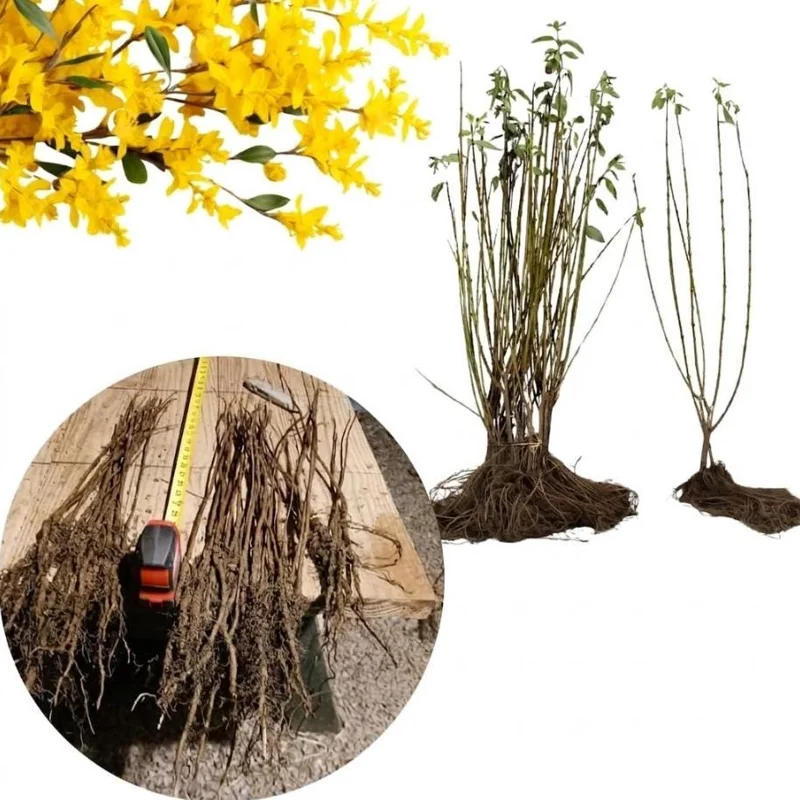
Transform your garden into a beacon of early spring color with this set of 5 forsythia bare roots. Each bare root is a dormant, unpotted specimen, typically measuring 5-10 inches tall, ready for immediate planting and establishment in your landscape. Forsythia, commonly known for its vivid yellow blossoms, is a deciduous flowering shrub that signals the end of winter and the beginning of warmer days. These robust plants are renowned for their rapid growth and stunning floral display, making them a favorite among gardeners seeking impactful, low-maintenance shrubs. The variety you will receive is a bright yellow flowering forsythia, perfect for creating hedges, borders, or vibrant accent points in your outdoor space. Planting bare roots is an economical and effective way to establish a strong, healthy plant from the ground up, allowing it to acclimate to its new environment naturally.
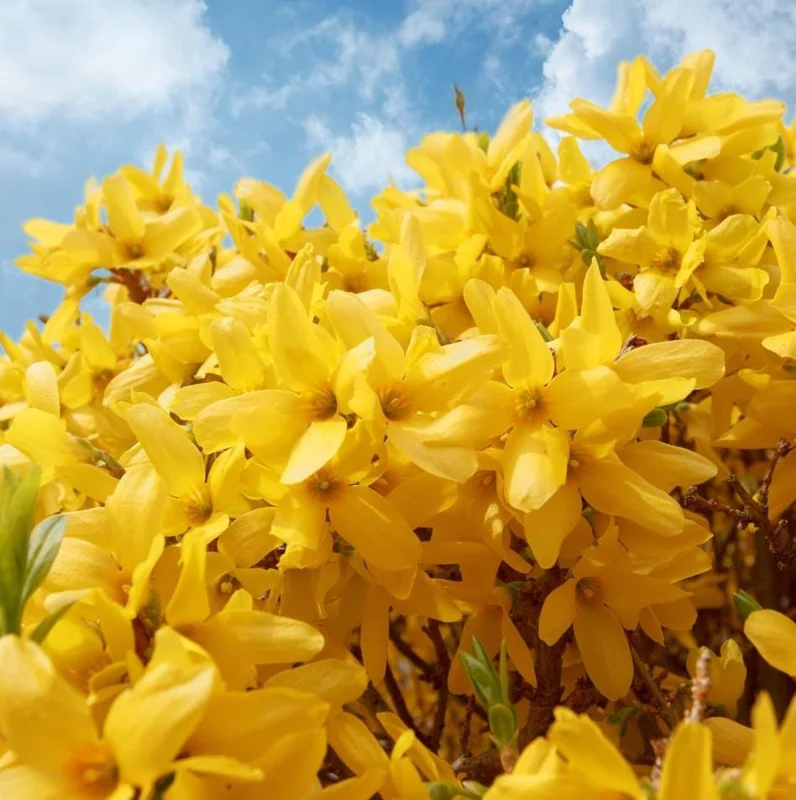
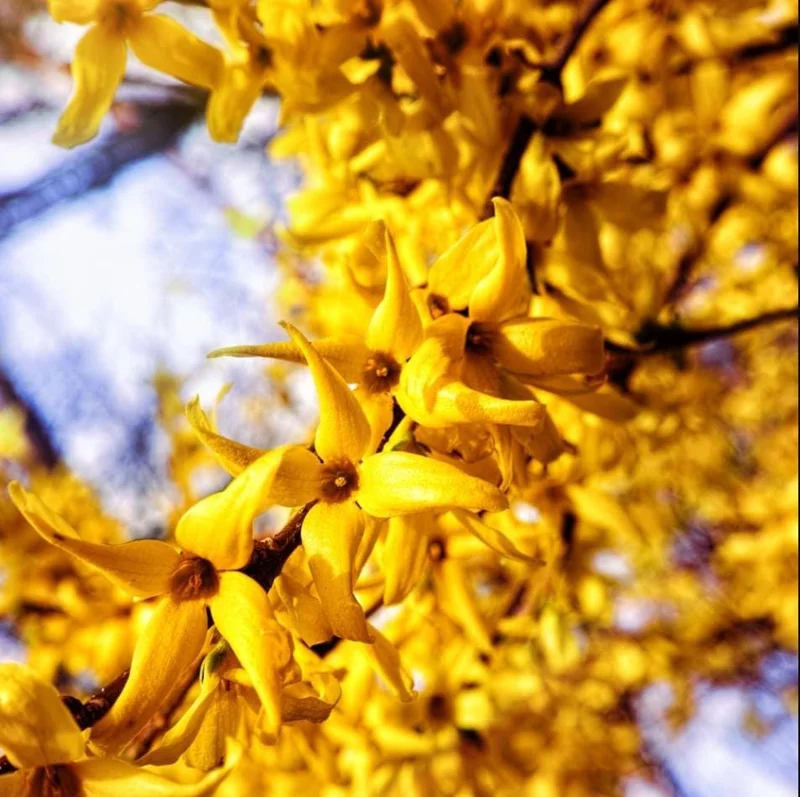
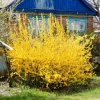
These forsythia bare roots offer an excellent opportunity to introduce a burst of sunshine into your garden. As a bare root product, they are shipped without soil or a pot, ensuring they are light and easy to handle upon arrival. This method of shipping also promotes better root development once planted, as the roots are encouraged to spread out and establish themselves quickly. Prepare to witness a spectacular show of bright yellow, bell-shaped flowers that emerge before the leaves, creating a breathtaking visual impact. This set of five bare roots provides ample opportunity to create a cohesive planting scheme or to scatter these cheerful shrubs throughout your property for widespread beauty.
Key Benefits
Planting forsythia bare roots offers numerous advantages for both new and experienced gardeners, enhancing any landscape with its vibrant presence and easy care. These shrubs are a fantastic addition to almost any outdoor setting.
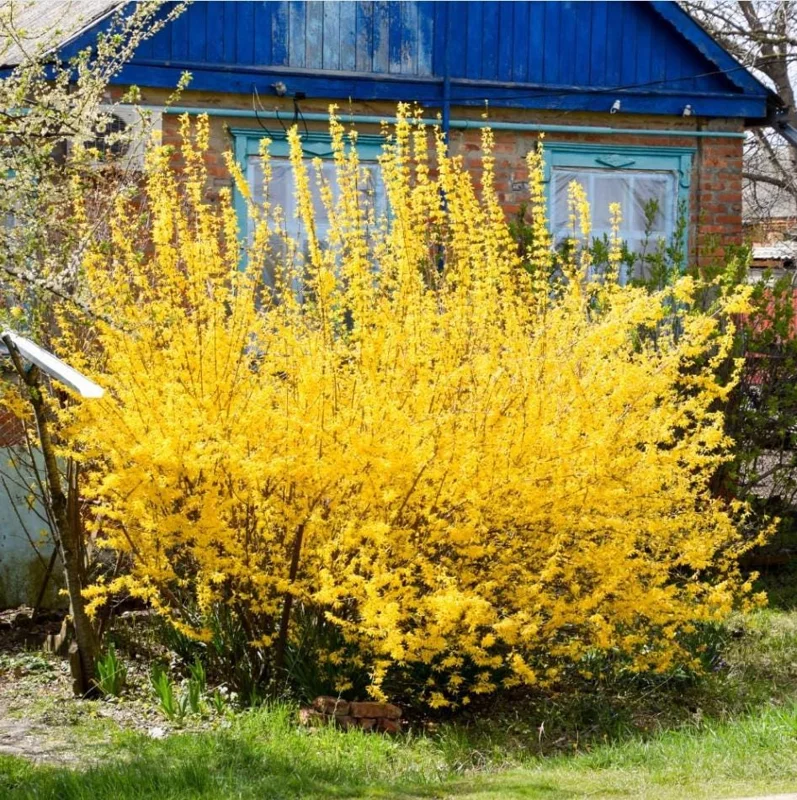
- Spectacular Early Spring Blooms: Enjoy a dazzling display of bright yellow flowers that emerge in early spring, often before other plants have begun to leaf out, providing much-needed color after winter. These vivid blooms are a hallmark of a healthy yellow forsythia shrub.
- Rapid Growth and Establishment: Forsythia is known for its vigorous growth rate, allowing it to quickly establish itself and fill out your garden spaces, providing a mature look sooner than many other shrubs.
- Low Maintenance and Adaptable: Once established, these shrubs are incredibly resilient and require minimal care. They tolerate a range of soil conditions and are relatively drought-tolerant, making them ideal for busy gardeners.
- Cold Hardy Performance: Well-suited for temperate climates, forsythia is cold-hardy, ensuring it can withstand colder temperatures and return with beautiful blooms year after year.
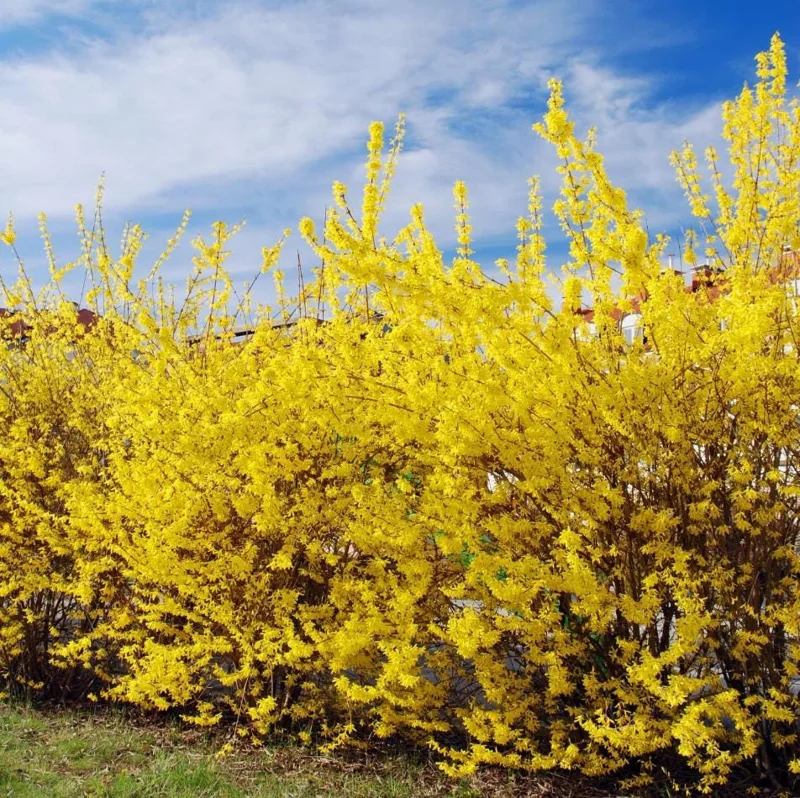
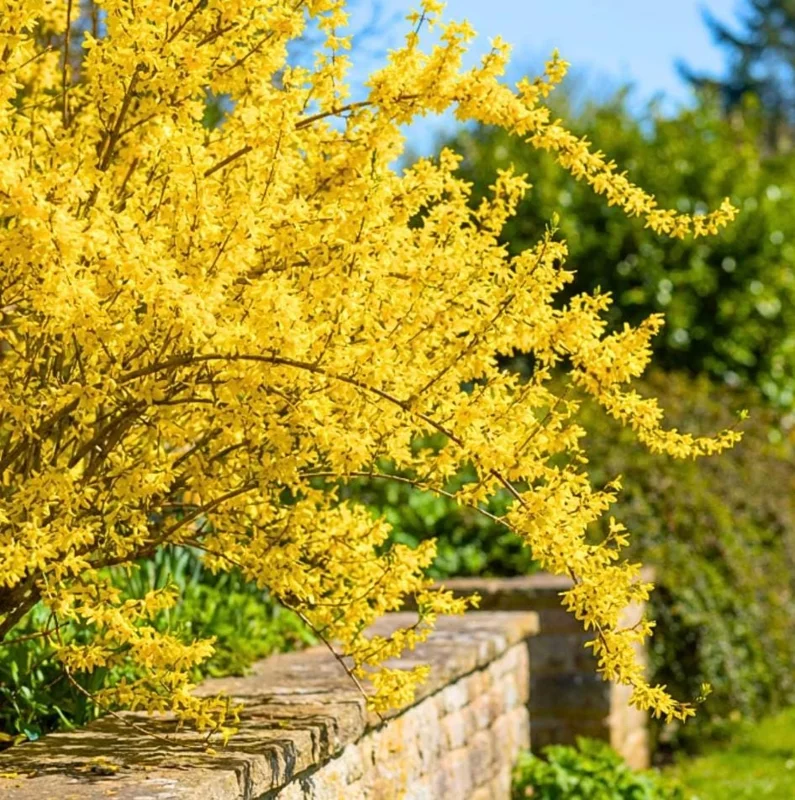
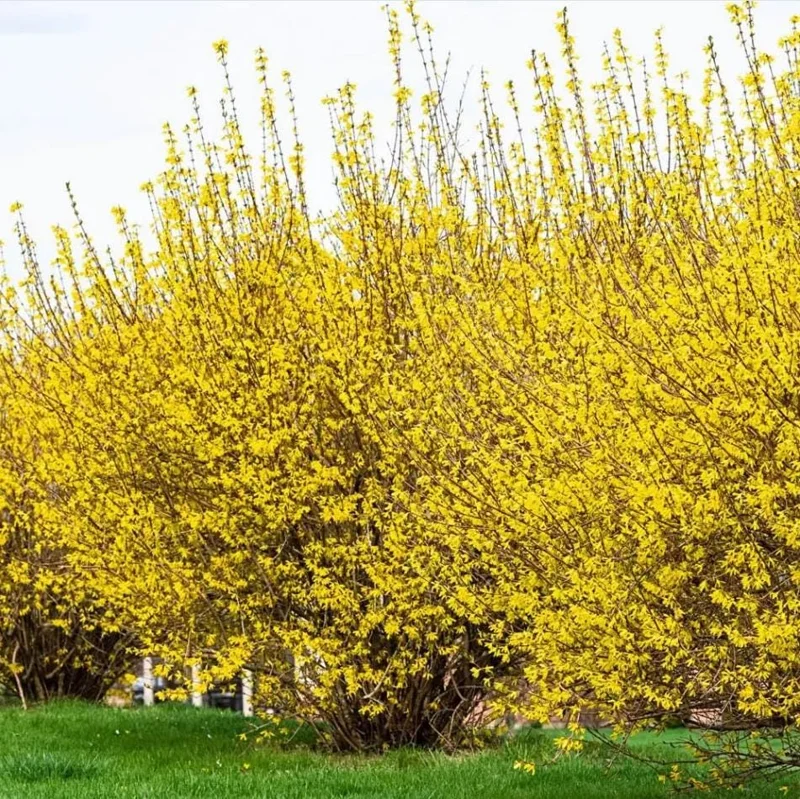
- Versatile Landscaping Use: Perfect for creating stunning hedges, vibrant borders, erosion control on slopes, or as standalone specimen plants. The dense foliage provides excellent privacy and structure once fully grown.
- Attracts Pollinators: Though not heavily fragrant to humans, the early blooms provide a valuable nectar source for early-season pollinators, supporting local ecosystems.
- Cost-Effective Planting: Purchasing forsythia bare roots is often more economical than buying potted plants, allowing you to plant more shrubs for a larger, more impactful display.
Plant Care & Growing Tips
Caring for your forsythia bare roots is straightforward, ensuring a successful transition from bare root to a thriving, blooming shrub. Upon arrival, if you cannot plant immediately, keep the bare roots cool and slightly moist until planting. For optimal growth and the most abundant flowering, forsythia prefers a location with full sun, meaning at least six hours of direct sunlight per day. While it can tolerate partial shade, flowering may be less prolific. When planting, dig a hole wide enough to spread the roots out naturally and deep enough so that the crown of the plant is level with the soil surface. Backfill with soil, gently firming it around the roots to remove air pockets.
Watering is crucial during the establishment phase. After planting your yellow forsythia shrub bare roots, water thoroughly to settle the soil. Continue to water regularly, especially during dry spells, for the first year. Once established, forsythia becomes quite tolerant of moderate drought, but consistent moisture during prolonged dry periods will promote healthier growth and better blooms. These shrubs adapt to various soil types but thrive best in well-drained soil. Avoid overly wet or waterlogged conditions, which can lead to root rot. Forsythia is cold-hardy and suitable for a wide range of temperate climates, typically performing well in USDA Zones 5-8. Fertilization is generally not necessary, but if your soil is poor, a balanced, slow-release fertilizer applied in early spring can boost growth. Pruning should be done after flowering to maintain shape and encourage new growth for the following year’s blooms. Remove any dead or crossing branches and thin out older stems to promote air circulation and rejuvenation. Proper forsythia care ensures a stunning display each spring.
Size & Details
This product includes a set of 5 forsythia bare roots, each carefully selected for planting. As bare roots, they are shipped dormant and without soil or a pot, which is the ideal state for planting to encourage robust root development in their new environment. Each bare root measures approximately 5-10 inches in height, providing a solid foundation for growth. Once planted, these deciduous shrubs will quickly establish themselves, with a moderate to fast growth rate. Mature plants typically reach a height of 8-10 feet and a similar spread, forming a dense, rounded shrub. The vibrant yellow flowers appear in early spring, before the foliage emerges, creating a striking visual impact. These bare roots are ready to be planted directly into your garden, offering a cost-effective and rewarding way to cultivate these beautiful plants.
Frequently Asked Questions
- Q: How big does this forsythia get? A: Once mature, this yellow forsythia shrub typically grows to a height of 8-10 feet with a similar spread. Its vigorous growth allows it to fill out quickly, creating a substantial presence in your garden.
- Q: Is this an indoor or outdoor plant? A: Forsythia is an outdoor deciduous shrub. It requires seasonal changes and sufficient space to grow, making it unsuitable for indoor cultivation.
- Q: How much sunlight does it need? A: For the best flowering display, forsythia needs full sun, which means at least 6 hours of direct sunlight per day. It can tolerate partial shade, but flowering may be reduced.
- Q: Is this plant easy to care for? A: Yes, forsythia is considered a very easy-to-care-for plant. Once established, it is drought-tolerant and requires minimal attention, making it an excellent choice for beginners and busy gardeners alike. This ease of forsythia care makes it a popular choice.
- Q: What condition will the bare roots arrive in? A: The forsythia bare roots will arrive dormant, unpotted, and without soil. They will be carefully packaged to retain moisture and ensure they are ready for planting upon arrival.
- Q: When is the best time to plant forsythia bare roots? A: The best time to plant bare root forsythia is in early spring, as soon as the ground can be worked. This allows the roots to establish before the heat of summer.
- Q: Will it survive winter in my zone? A: Forsythia is a cold-hardy shrub, generally suitable for USDA Zones 5-8. It is well-adapted to temperate climates and will reliably return each spring with new growth and blooms.
- Q: What kind of soil does forsythia prefer? A: Forsythia prefers well-drained soil but is adaptable to various soil types. Good drainage is key to prevent root issues, highlighting the importance of proper planting forsythia techniques.
- Q: How long until it blooms? A: While the bare roots are dormant, established forsythia typically blooms in early spring, often in March or April, depending on your climate. You can expect blooms in the first or second year after planting, once the plant has settled.
- Q: Can I prune my forsythia? A: Yes, pruning is beneficial for maintaining shape and encouraging vigorous growth. The best time to prune is immediately after the plant has finished flowering in spring.




Reviews
There are no reviews yet.