Overview
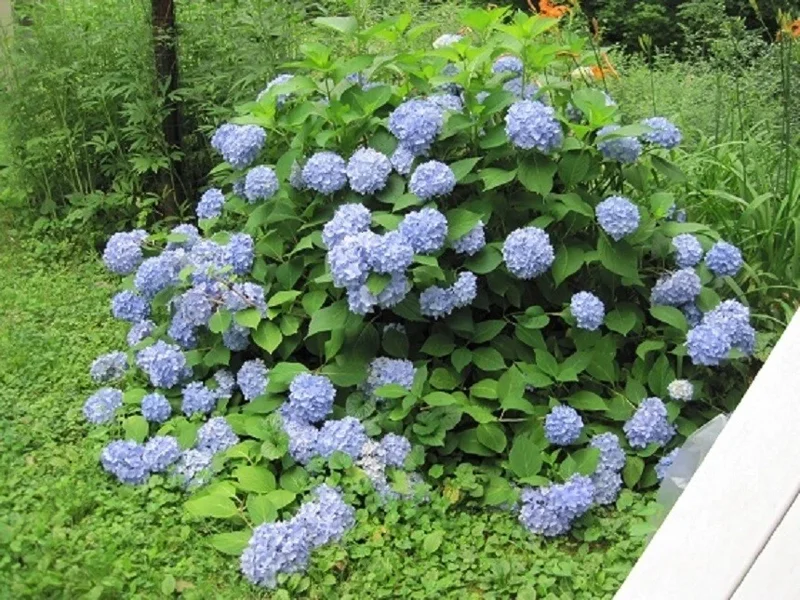
Introduce a touch of spectacular color to your landscape with this exquisite colorful hydrangea plant. Known for its dynamic blooms that can shift from vibrant pink to serene blue, this hydrangea shrub is a true garden marvel. Hydrangeas are celebrated for their large, showy flower clusters and their ability to transform a garden space with their lush foliage and abundant blossoms. This particular variety, reaching an initial height of 4-6 inches tall, promises to grow into a stunning focal point, offering both visual appeal and a subtle, delightful fragrance to your outdoor sanctuary. Whether you’re a seasoned gardener or just starting, this hydrangea provides an engaging and rewarding growing experience.
The charm of a colorful hydrangea plant lies not only in its stunning appearance but also in its versatility. It can be a magnificent specimen plant, a vibrant addition to a mixed border, or even a beautiful mass planting. Its ability to change flower color based on soil pH provides an interactive element for gardeners, allowing for some customization of its display. Enjoy the evolving beauty and captivating presence this hydrangea brings to your home and garden.
Key Benefits
This colorful hydrangea plant offers numerous advantages for any garden enthusiast, making it a highly desirable addition to your landscape:
- Spectacular Color Transformation: Witness the magic as the blooms transition from beautiful pinks to enchanting blues, depending on your soil’s pH levels, providing a unique and ever-changing display.
- Fragrant Hydrangea Shrub: Enjoy a delicate, pleasing fragrance emanating from its abundant blossoms, adding an extra layer of sensory delight to your outdoor living spaces.
- Long Blooming Season: These hydrangeas are known for their extended flowering period, ensuring a continuous burst of color and beauty throughout much of the growing season.
- Versatile Landscaping Plant: Perfect for a variety of garden designs, whether used as a standalone specimen, part of a mixed border, or in mass plantings to create a dramatic effect.
- Attracts Pollinators: The vibrant flowers can attract beneficial pollinators like bees and butterflies, contributing to a healthier and more biodiverse garden ecosystem.
- Robust and Resilient: Once established, this colorful hydrangea plant is generally hardy and resilient, capable of thriving with proper care and offering years of enjoyment.
- Excellent Cut Flowers: The large, beautiful blooms are perfect for cutting and bringing indoors, allowing you to enjoy their charm and fragrance inside your home.
Plant Care & Growing Tips
Proper care is essential for your colorful hydrangea plant to thrive and produce its magnificent blooms. Hydrangeas generally prefer a location with morning sun and afternoon shade, especially in hotter climates, to protect their delicate flowers and foliage from scorching. Aim for at least 4-6 hours of morning sun. In cooler regions, they can tolerate more sun. The ideal soil for growing hydrangeas is rich, well-draining, and consistently moist. Incorporate organic matter like compost into the soil to improve its structure and fertility before planting.
Watering is crucial, especially during dry spells and the plant’s establishment phase. Hydrangeas are thirsty plants, so ensure the soil remains evenly moist but not waterlogged. Deep watering two to three times a week is often more beneficial than light, frequent watering. For optimal bloom color, consider your soil pH. Acidic soil (pH below 6.0) promotes blue flowers, while alkaline soil (pH above 7.0) encourages pink flowers. Neutral soil yields a mix of colors or purple hues. Fertilize your fragrant hydrangea shrub in spring with a slow-release granular fertilizer formulated for flowering shrubs. Pruning usually involves removing dead or weak stems in late winter or early spring, and shaping the plant after it blooms. For specific details on hydrangea care guide, consult local gardening resources or extension offices for tailored advice.
This hydrangea is generally hardy in USDA Zones 5-9, though specific varieties may vary. Protect young plants from harsh winter winds. Watch out for common pests like aphids or spider mites, and treat promptly with insecticidal soap if necessary. Fungal diseases like powdery mildew can occur in humid conditions; ensuring good air circulation helps prevent this. Understanding how to maintain a healthy root system and providing consistent moisture are key aspects of growing hydrangeas successfully and enjoying their spectacular display.
Size & Details
This colorful hydrangea plant arrives as a well-rooted starter plant, typically measuring 4-6 inches tall from the base of the plant to the tip of its foliage. It is ready for planting in your garden or a larger container. Hydrangeas are moderate to fast growers, and with proper care, this shrub will quickly establish itself and begin to produce its characteristic large, round flower heads. The ultimate size of the shrub can vary depending on the specific variety and growing conditions, but many hydrangeas can reach heights and widths of 3-6 feet at maturity, forming a substantial and attractive bush. The plant is shipped in a nursery pot, ensuring its roots are protected during transit and ready for a smooth transition to its new home.
Frequently Asked Questions
- Q: How big does this colorful hydrangea plant get? A: This starter plant is 4-6 inches tall upon arrival. With proper care, most hydrangea shrubs can mature to a height and width of 3-6 feet, creating a lush, full bush in your garden.
- Q: Is this an indoor or outdoor plant? A: This hydrangea is primarily an outdoor shrub, ideal for garden beds, borders, or large patio containers. It thrives in outdoor conditions within its recommended USDA hardiness zones.
- Q: How much sunlight does it need? A: Hydrangeas prefer a location with morning sun and afternoon shade, especially in warmer climates, to protect the blooms and foliage from intense heat. They generally need at least 4-6 hours of morning sunlight.
- Q: Is this plant easy to care for? A: Hydrangeas are considered moderately easy to care for. They require consistent watering, especially when establishing, and benefit from well-draining soil and appropriate sun exposure. Following a good hydrangea care guide will ensure success.
- Q: What condition will it arrive in? A: Your fragrant hydrangea shrub will arrive as a healthy, well-rooted starter plant, carefully packaged to ensure its safety during shipping. It will be ready for immediate planting upon arrival.
- Q: When is the best time to plant this hydrangea? A: The best time to plant hydrangeas is in spring or early fall. This allows the plant sufficient time to establish its root system before the extreme temperatures of summer or winter.
- Q: How can I influence the flower color to be pink and blue hydrangea? A: You can influence the bloom color by adjusting soil pH. Acidic soil (pH below 6.0) promotes blue flowers, while alkaline soil (pH above 7.0) encourages pink flowers. Adding aluminum sulfate can help achieve blue, and lime can help achieve pink.
- Q: Will it survive winter in my zone? A: This hydrangea variety is typically hardy in USDA Zones 5-9. In colder zones, extra winter protection, such as mulching or covering, may be necessary to help the plant survive.
- Q: How often should I water my hydrangea? A: Hydrangeas need consistent moisture. Water deeply two to three times a week, or more frequently during hot, dry periods, ensuring the soil remains moist but not waterlogged.
- Q: What type of soil is best for growing hydrangeas? A: Hydrangeas prefer rich, well-draining soil that is consistently moist. Amending your soil with organic matter like compost will greatly benefit its growth and health.



Reviews
There are no reviews yet.