Overview
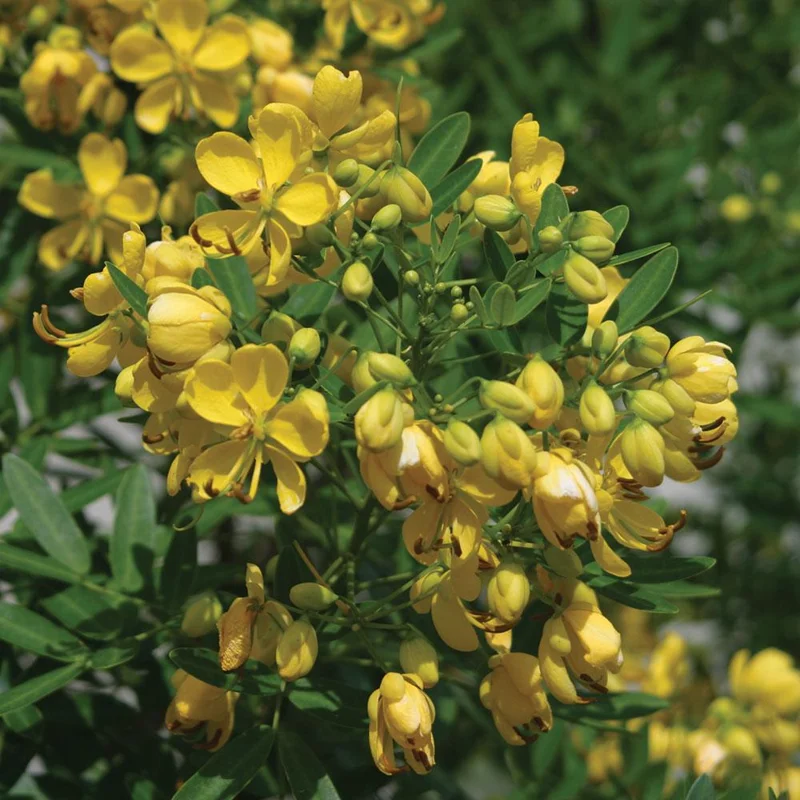
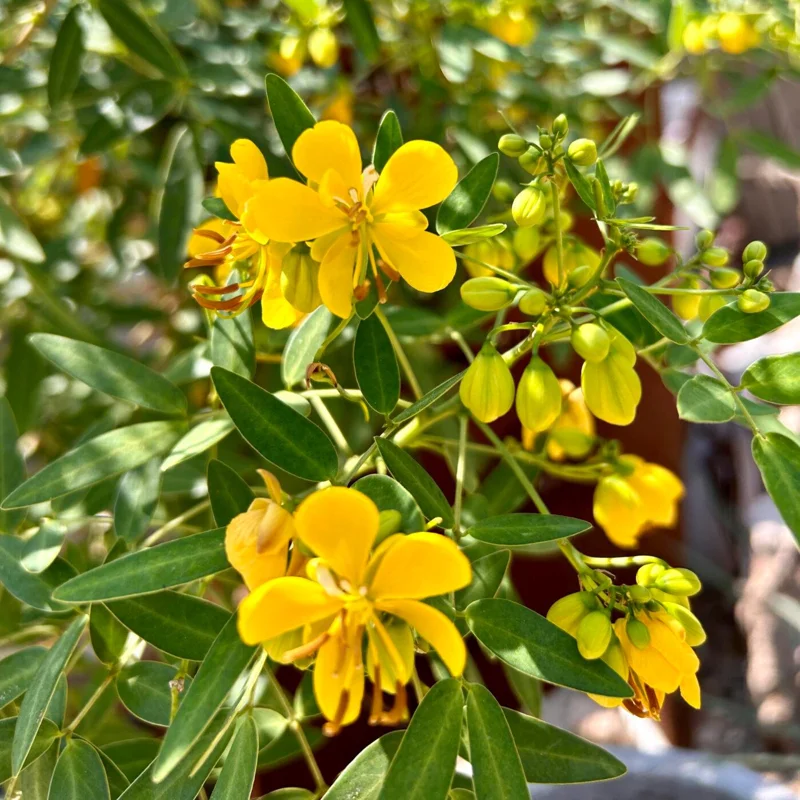
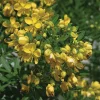
Introduce a burst of sunshine to your outdoor space with the stunning common tree senna live plant. Scientifically known as Senna corymbosa, and sometimes referred to as Cassia corymbosa, this beautiful shrub is celebrated for its prolific clusters of bright yellow flowers that bloom from late summer into fall. Originating from South America, the Common Tree Senna is a vigorous grower that can quickly establish itself as a focal point in any garden or landscape. This yellow flowering shrub is perfect for gardeners looking for a low-maintenance yet high-impact plant that provides continuous color when many other plants are fading. Its cheerful blossoms not only brighten the scenery but also serve as a magnet for bees, butterflies, and other beneficial pollinators, making your garden a lively haven.
The common tree senna live plant arrives fully rooted in a 1-gallon pot, ensuring a strong start for its new home. It’s an excellent choice for creating vibrant borders, privacy screens, or as a standalone specimen plant. With its adaptable nature, Senna corymbosa thrives in a variety of conditions, making it suitable for both experienced gardeners and those new to planting. Experience the joy of watching this resilient plant flourish and transform your garden into a dazzling display of yellow hues.
Key Benefits
The common tree senna live plant offers numerous advantages, making it a highly desirable addition to any garden. Its striking appearance and ecological benefits contribute to a more beautiful and vibrant outdoor environment.
- Spectacular Floral Display: Enjoy an abundance of brilliant yellow flowers that bloom consistently from late summer through fall, providing rich color when many other plants are winding down. This prolonged flowering period ensures your garden remains visually appealing for an extended season.
- Pollinator Magnet: The vibrant blossoms are incredibly attractive to various pollinators, including bees and butterflies. Planting a common tree senna live plant helps support local ecosystems and enhances biodiversity in your garden, contributing to the health of crucial pollinator populations.
- Low Maintenance & Drought Tolerant: Once established, Senna corymbosa care is relatively easy. This plant is known for its resilience and ability to tolerate periods of drought, making it an excellent choice for water-wise gardening and busy individuals. It requires minimal fuss to look its best.
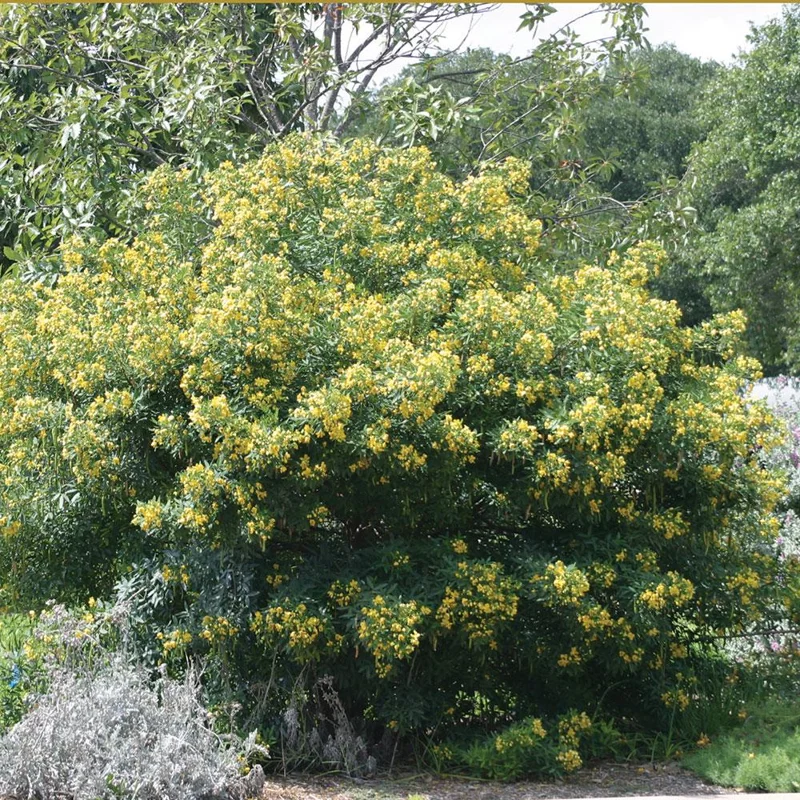
- Versatile Landscaping Use: Its robust growth habit makes it suitable for various landscape applications. Use it as a vibrant hedge, a stunning specimen plant, a backdrop for perennial beds, or even in large containers on patios. The versatility of this yellow flowering shrub allows for creative garden designs.
- Rapid Growth Rate: The Common Tree Senna grows quickly, allowing you to achieve your desired garden aesthetic faster. This rapid establishment means you won’t have to wait long to enjoy its full beauty and benefits.
- Adaptable to Various Soils: While it prefers well-drained soil, this plant shows good adaptability to different soil types, as long as they are not waterlogged. This flexibility simplifies planting and ensures successful growth in diverse garden settings.
- Attractive Foliage: Beyond its flowers, the plant features attractive, pinnate green foliage that provides a lovely contrast to the bright yellow blooms, maintaining visual interest even when not in full flower.
Plant Care & Growing Tips
Proper Senna corymbosa care ensures your common tree senna live plant thrives and produces its spectacular display of yellow flowers. This hardy shrub is relatively low-maintenance, but understanding its basic needs will lead to the best results. For optimal growth, plant your Senna corymbosa in a location that receives full sun, meaning at least 6-8 hours of direct sunlight per day. While it can tolerate partial shade, flowering will be more prolific in brighter conditions. In hotter climates, some afternoon shade can be beneficial to prevent leaf scorch.
When it comes to watering, the Common Tree Senna is quite drought-tolerant once established. During its first growing season, water regularly to help it develop a strong root system. After that, reduce watering frequency, allowing the soil to dry out between waterings. Overwatering can lead to root rot, so ensure good drainage. This yellow flowering shrub prefers well-draining soil and can adapt to various soil types, from sandy to loamy, as long as they are not heavy clay. A slightly acidic to neutral pH is ideal. If your soil is heavy, amend it with organic matter like compost to improve drainage.
The outdoor senna plant typically thrives in USDA hardiness zones 8-11. In colder zones, it can be grown as an annual or overwintered indoors. Fertilize in spring with a balanced, slow-release granular fertilizer to support vigorous growth and abundant flowering. Pruning can be done in late winter or early spring to shape the plant, remove any dead or damaged branches, and encourage bushier growth. Deadheading spent flowers can also encourage more blooms. Watch out for common pests like aphids or whiteflies, which can usually be managed with insecticidal soap. With these simple Senna corymbosa care tips, your plant will provide years of beautiful blooms.
Size & Details
Your common tree senna live plant arrives fully rooted and ready for planting in a 1-gallon nursery pot. This size provides a robust plant with an established root system, ensuring a high success rate upon transplanting. The plant’s height will vary upon arrival but is typically between 12-24 inches, depending on the growing season and recent pruning. Once established in the garden, the Common Tree Senna can grow quite rapidly, reaching a mature height of 10-15 feet and a spread of 6-10 feet, forming a substantial and attractive yellow flowering shrub. Its growth rate can be influenced by climate, soil quality, and available sunlight, but generally, it is considered a fast-growing plant.
This species is known for its upright, somewhat spreading habit, making it an excellent choice for a variety of landscape applications. The 1-gallon pot size is ideal for direct planting into the ground or for transplanting into a larger container if you wish to manage its size or grow it in colder climates. Expect the plant to establish quickly and begin to show significant growth and flowering within its first year, especially during late summer and fall. The vibrant yellow blooms are a highlight, providing a long season of color.
Frequently Asked Questions
- Q: How big does this plant get? A: The common tree senna live plant can grow to a mature height of 10-15 feet and spread 6-10 feet wide, forming a large shrub or small tree. Its size can be managed with regular pruning.
- Q: What size pot does it come in? A: This plant is shipped as a fully rooted specimen in a 1-gallon nursery pot, ready for immediate planting or repotting.
- Q: Is this an indoor or outdoor plant? A: The Common Tree Senna is primarily an outdoor plant, thriving in full sun. In colder climates (below USDA Zone 8), it can be grown in a container and brought indoors for winter protection, or treated as an annual.
- Q: How much sunlight does it need? A: For the best flowering and growth, the outdoor senna plant requires full sun, meaning at least 6-8 hours of direct sunlight per day.
- Q: Is this plant easy to care for? A: Yes, Senna corymbosa care is relatively easy. It’s known for being low-maintenance and drought-tolerant once established, making it suitable for beginners and busy gardeners.
- Q: What condition will it arrive in? A: Your plant will arrive fully rooted in its 1-gallon pot, carefully packaged to ensure it reaches you in healthy, live condition, ready for planting.
- Q: How long until it blooms? A: The Common Tree Senna typically blooms from late summer into fall of its first growing season, especially when planted in optimal conditions with plenty of sunlight.
- Q: When is the best time to plant? A: Spring or early summer is generally the best time to plant your common tree senna live plant, allowing it ample time to establish before cooler weather.
- Q: Will it survive winter in my zone? A: This plant is winter hardy in USDA Zones 8-11. In colder zones, it may not survive winter outdoors unless heavily protected or grown as an annual.
- Q: What’s the minimum temperature it can tolerate? A: The Common Tree Senna can tolerate temperatures down to about 15-20°F (-9 to -6°C) for short periods, but sustained freezing temperatures can damage or kill it.




Reviews
There are no reviews yet.