Overview
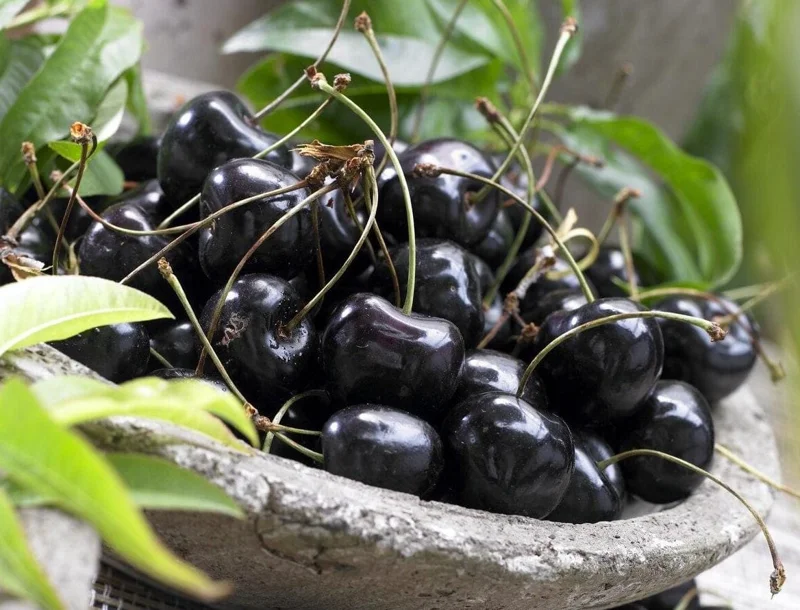
Embark on a delightful journey of growing your own tropical fruits with this magnificent Duhat fruit live plant. Also widely known as Jamun, Java Plum, or Trái Trâm plant, this beautiful tree is cherished for its rich, purple-black fruits that offer a unique blend of sweet, sour, and astringent flavors. Originating from the Indian subcontinent, Southeast Asia, and Australia, the Duhat tree is not only a source of delicious and nutritious fruit but also an attractive addition to any landscape with its dense, evergreen foliage. This particular specimen arrives as a robust, well-established plant, typically standing 3 to 4 feet tall and housed in a 3-gallon nursery pot, ensuring a strong start in its new environment. It’s an excellent choice for gardeners looking to diversify their fruit collection or those desiring a low-maintenance, productive tropical tree.
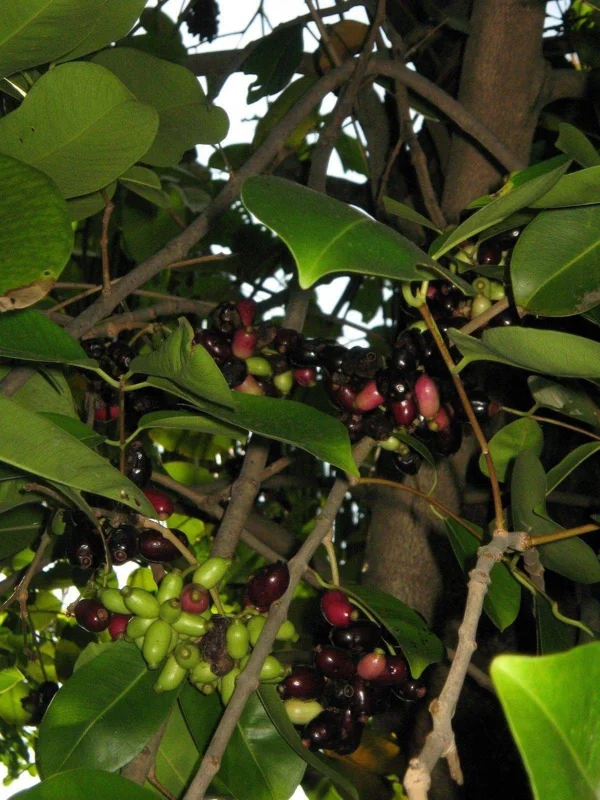
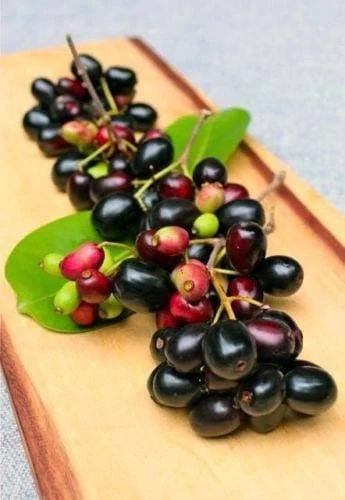
The Duhat fruit live plant is a testament to nature’s bounty, offering both ornamental beauty and edible rewards. Its glossy leaves provide ample shade, while the small, fragrant white flowers eventually give way to abundant fruit clusters. The fruit ripens during the warmer months, changing from green to pink, and finally to a deep purple or black, indicating its readiness for harvest. Growing your own Duhat tree allows you to enjoy these fresh, antioxidant-rich fruits directly from your garden, a luxury not often found in conventional grocery stores. Whether you’re an experienced horticulturist or a budding enthusiast of tropical flora, this tree promises a rewarding and flavorful experience.
Key Benefits
The Duhat fruit live plant offers a multitude of advantages for both the garden and the palate. Its presence enriches your outdoor space while providing a bountiful harvest. Here are some of the key benefits you can expect from cultivating a Syzygium cumini tree:
- Delicious and Nutritious Fruit: Enjoy fresh, unique-tasting fruits packed with vitamins, minerals, and antioxidants directly from your tree. The Duhat fruit is known for its health benefits, including blood sugar regulation and digestive support.
- Attractive Ornamental Tree: With its dense, evergreen canopy and smooth bark, the Duhat tree serves as a beautiful landscape specimen, offering shade and visual appeal throughout the year.
- Low Maintenance: Once established, this tropical fruit tree is relatively easy to care for, requiring minimal attention compared to many other fruit-bearing plants. It’s a hardy plant suitable for various growing conditions.
- Adaptable Growth: The Duhat fruit live plant can be grown in the ground in suitable climates or maintained in large containers in cooler regions, allowing for portability and protection during colder months.
- Wildlife Attraction: The flowers attract pollinators like bees, contributing to local biodiversity, and the ripe fruits may attract birds, adding vibrant life to your garden.
- Cultural Significance: Known by many names, including Jamun, Black Plum, and Trái Trâm plant, this tree holds cultural and medicinal significance in various parts of the world, making it a plant with a story.
- Long Lifespan: A well-cared-for Duhat tree can live for many decades, providing a continuous supply of fruit and beauty for generations.
Plant Care & Growing Tips
Caring for your Duhat fruit live plant is a straightforward process, especially once it’s established. Understanding its basic needs will ensure a healthy, productive tree. This tropical species thrives in warm, humid environments but can adapt to various conditions with proper care. For optimal growth and fruit production, consider these essential care tips:
Sunlight Requirements: The Syzygium cumini tree prefers full sun, meaning at least 6-8 hours of direct sunlight per day. While it can tolerate partial shade, abundant fruiting is best achieved in sunny locations. If growing indoors or in a container, place it near a south-facing window or provide supplemental grow lights to ensure it receives adequate light. Rotate the plant periodically to ensure even growth.
Watering Schedule & Soil Moisture: Young Duhat trees require consistent moisture. Water regularly, ensuring the soil remains consistently damp but not waterlogged. Once established, they become more drought-tolerant but still benefit from deep watering during dry spells, especially when fruiting. Allow the top inch or two of soil to dry out between waterings. Overwatering can lead to root rot, so good drainage is crucial.
Soil Type & Drainage Requirements: This tree is quite adaptable to various soil types, but it performs best in well-draining, fertile soil with a pH between 6.0 and 7.0. A sandy loam or loamy soil enriched with organic matter is ideal. For container planting, use a high-quality potting mix that drains well. Ensure the pot has adequate drainage holes to prevent water accumulation at the roots.
Temperature Range & USDA Hardiness Zone: The Duhat fruit live plant is a tropical species and is best suited for USDA Hardiness Zones 9-11. It can tolerate temperatures down to about 25-30°F (-4 to -1°C) for short periods, but prolonged exposure to freezing temperatures can cause damage or even kill the tree. In cooler climates, it’s best to grow it in a large container that can be moved indoors during winter. Protect young trees from cold snaps.
Fertilization Schedule & Type: Fertilize your Duhat tree with a balanced, slow-release fertilizer during its active growing season (spring and summer). For young trees, a fertilizer with a slightly higher nitrogen content can promote foliage growth. As the tree matures and begins to fruit, switch to a fertilizer with a higher phosphorus and potassium content to encourage flowering and fruiting. Always follow the manufacturer’s instructions for application rates and frequency. Avoid fertilizing during the dormant season.
Common Problems and Solutions: Duhat trees are generally robust, but like all plants, they can encounter issues. Watch out for common pests like aphids, scale insects, or mealybugs; these can usually be managed with horticultural oil or insecticidal soap. Fungal diseases are rare but can occur in overly wet or poorly ventilated conditions; ensure good air circulation and proper watering practices. Yellowing leaves might indicate nutrient deficiency or overwatering, so check your soil and watering routine.
Size & Details
This offering is for a vibrant Duhat fruit live plant, typically ranging from 3 to 4 feet in height from the base of the pot to the top of the foliage. It is carefully nurtured and shipped in a sturdy 3-gallon nursery pot, providing ample space for its root system to develop and ensuring a healthy transition to your garden or larger container. The plant arrives well-branched with established roots, ready for immediate planting or continued growth in its current container. The growth rate of a Syzygium cumini tree is considered moderate, allowing it to reach a substantial size over several years. When mature, in ideal conditions, a Duhat tree can grow up to 30-50 feet tall with a spread of similar width, forming a dense, rounded canopy. However, it can be maintained at a smaller, more manageable size through regular pruning, especially when grown in containers. Expect the tree to begin fruiting within 3-5 years under optimal growing conditions, with the main fruiting season typically occurring from May to July, depending on the specific climate.
Frequently Asked Questions
- Q: How big does this plant get and what size pot does it come in? A: This Duhat fruit live plant typically arrives 3 to 4 feet tall. It is shipped in a 3-gallon nursery pot, providing a good start for its roots. In ideal outdoor conditions, a mature Duhat tree can reach 30-50 feet tall, but it can be kept smaller with pruning or when grown in a large container.
- Q: Is this an indoor or outdoor plant? How much sunlight does it need? A: The Duhat tree is primarily an outdoor tropical fruit tree, thriving in USDA Zones 9-11. In cooler climates, it can be grown in a container and brought indoors during winter. It requires full sun, meaning at least 6-8 hours of direct sunlight daily, to produce the best fruit.
- Q: Is this plant easy to care for? Is it good for beginners? A: Yes, the Syzygium cumini tree is considered relatively easy to care for once established, making it a good choice for both experienced gardeners and beginners interested in tropical fruit trees. Its main requirements are ample sunlight, consistent watering, and well-draining soil.
- Q: What condition will it arrive in? Is it shipped in soil? A: Your Duhat fruit live plant will arrive as a healthy, live specimen, carefully packaged in its 3-gallon nursery pot with soil. We take great care to ensure it reaches you in excellent condition, ready for planting or continued growth.
- Q: Can I use Duhat fruit in cooking? Is it pet-safe? A: Yes, Duhat fruit is widely used in various culinary applications, from fresh eating to making juices, jams, and desserts. The fruit is generally considered safe for human consumption. While the fruit is safe, the seeds and leaves of the Trái Trâm plant are not typically consumed and can be toxic if ingested in large quantities by pets. It’s always best to keep plant parts away from curious pets.
- Q: How long until it blooms and produces fruit? When is the best time to plant? A: Under optimal conditions, a Duhat tree grown from this size typically begins to bloom and produce fruit within 3-5 years. The main fruiting season is usually from May to July. The best time to plant is in spring or early summer after the last chance of frost, allowing the plant ample time to establish itself before cooler weather.
- Q: Will it survive winter in my zone? What’s the minimum temperature? A: The Duhat tree is a tropical plant suitable for USDA Zones 9-11. It can tolerate brief drops to 25-30°F (-4 to -1°C), but prolonged freezing temperatures can be damaging. If you live in a colder zone, it’s highly recommended to grow your Duhat fruit live plant in a container so it can be moved indoors during winter.





Reviews
There are no reviews yet.