Overview
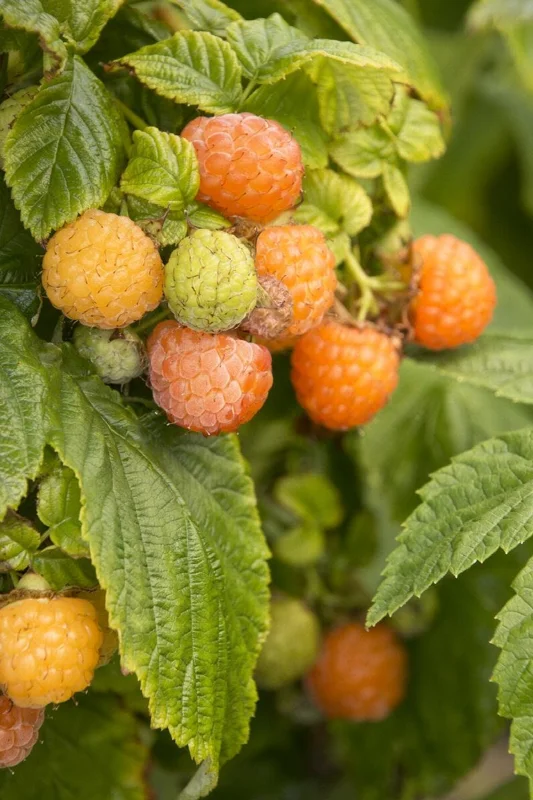
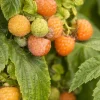
Cultivate a bountiful harvest of delicious, golden-hued berries with our Fall Gold Raspberry live plant. This exceptional variety, scientifically known as Rubus idaeus ‘Fall Gold’, is celebrated for its unique color, incredibly sweet flavor, and reliable production. Unlike traditional red raspberries, ‘Fall Gold’ offers a delightful change with its soft, amber-yellow fruits that are often described as having a richer, more complex taste. This plant arrives as a healthy, vibrant specimen, approximately 1 foot tall, ready to establish itself in your garden. Known as an everbearing raspberry, it provides two crops per year – a smaller harvest in early summer and a more substantial yield in the fall, ensuring a prolonged season of fresh, homegrown goodness. Growing your own golden raspberry plant is a rewarding experience, providing both ornamental beauty and a continuous supply of gourmet fruit.
The Fall Gold Raspberry live plant is a fantastic choice for both novice and experienced gardeners. Its robust nature and relatively easy care make it a popular addition to edible landscapes, kitchen gardens, and even larger containers. Imagine stepping into your backyard and picking sun-ripened, honey-sweet raspberries directly from the cane! These vigorous plants quickly establish themselves, offering a delightful visual appeal with their lush green foliage and delicate white flowers that precede the golden bounty. Prepare to enjoy the freshest, most flavorful raspberries you’ve ever tasted, picked right from your own garden.
Key Benefits
Choosing the Fall Gold Raspberry live plant for your home garden offers a multitude of advantages, from its unique fruit to its resilient nature. This plant is a true gem for any fruit enthusiast, providing both aesthetic appeal and culinary delight:
- Exceptional Flavor & Unique Color: The most striking benefit is the berry itself. These raspberries are a beautiful golden yellow and boast a distinctively sweet, rich flavor often described as honey-like, making them a gourmet treat for fresh eating, desserts, and preserves. They stand out from common red varieties.
- Everbearing Production: Enjoy a prolonged harvest season. This variety produces two crops annually – a smaller one in early summer and a more abundant one in the fall. This means fresh raspberries for months, not just weeks, from your everbearing raspberry plant.
- Versatile Culinary Use: Beyond fresh consumption, Fall Gold Raspberries are perfect for a wide range of culinary applications. Use them in pies, tarts, smoothies, jams, jellies, or as a vibrant garnish for cocktails and salads.
- Robust & Adaptable Growth: This raspberry plant care is relatively straightforward. Fall Gold is a hardy and vigorous grower, adapting well to a variety of soil types and climates, making it a reliable choice for many gardeners across different USDA zones.
- Attractive Garden Addition: With its lush green foliage, delicate white flowers, and bright golden fruit, the Fall Gold Raspberry plant adds significant ornamental value to any garden space, enhancing its visual appeal.
- Health Benefits: Raspberries are packed with vitamins, minerals, and antioxidants, contributing to a healthy diet. Growing your own ensures you have access to fresh, pesticide-free fruit.
Plant Care & Growing Tips
Caring for your Fall Gold Raspberry live plant is straightforward and rewarding, leading to abundant harvests. These plants thrive in full sun, meaning at least 6-8 hours of direct sunlight per day is ideal for optimal fruit production and flavor. While they can tolerate partial shade, fruit yield may be reduced. When it comes to soil, Fall Gold Raspberries prefer well-draining, fertile, slightly acidic soil (pH 6.0-6.8). Amend heavy clay soils with organic matter like compost or aged manure to improve drainage and fertility. Good drainage is crucial, as soggy roots can lead to root rot.
Watering is essential, especially during dry spells and when the fruit is developing. Aim for about 1 inch of water per week, either from rainfall or irrigation. Keep the soil consistently moist but not waterlogged. Mulching around the base of the plant with straw, wood chips, or shredded leaves will help retain soil moisture, suppress weeds, and regulate soil temperature. Fertilize in early spring with a balanced granular fertilizer or a fertilizer formulated for berries. Pruning is key for an everbearing raspberry plant. For the fall crop, primocanes (first-year canes) produce fruit in late summer/fall. After this harvest, cut these canes back to the ground. For a second summer crop, allow some primocanes to overwinter; these will become floricanes (second-year canes) and fruit in early summer. After fruiting, these floricanes should be cut back to the ground.
Protect your golden raspberry plant from common pests and diseases by ensuring good air circulation and promptly removing any diseased plant material. Common issues include cane borers, Japanese beetles, and fungal diseases like anthracnose. Regular inspection and appropriate organic or chemical treatments can keep your plants healthy. Providing support with a trellis or stakes will help manage the canes and make harvesting easier, contributing to overall better raspberry plant care.
Size & Details
Your Fall Gold Raspberry live plant will arrive approximately 1 foot tall, shipped in a 6-inch pot, ensuring it has a robust root system ready for planting. These plants are vigorous growers and can reach a mature height of 3 to 6 feet with a spread of 2 to 3 feet, depending on growing conditions and pruning practices. They are known for their rapid establishment and will begin to produce fruit within the first year of planting, with significant harvests expected in subsequent years. The everbearing nature of this variety means you can anticipate ripe berries from late summer through fall, with a smaller flush in early summer.
The canes are typically upright and sturdy, but providing a support system like a trellis or wires can help manage their growth and make harvesting more efficient. Expect the plant to produce its first significant fall crop in its second year. This Fall Gold Raspberry live plant is a long-lived perennial, providing years of delicious fresh fruit with proper care. It’s an excellent investment for any gardener looking for a high-quality, productive berry plant.
Frequently Asked Questions
- Q: How big does this plant get? A: The Fall Gold Raspberry live plant typically grows to a mature height of 3 to 6 feet tall and spreads 2 to 3 feet wide. Its size can be managed with proper pruning and support.
- Q: What size pot does it come in? A: The plant is shipped in a 6-inch nursery pot, ensuring a healthy root system for successful transplanting into your garden or a larger container.
- Q: Is this an indoor or outdoor plant? A: This is an outdoor plant, best suited for garden beds or large outdoor containers where it can receive adequate sunlight and space to grow and fruit.
- Q: How much sunlight does it need? A: For optimal fruit production and flavor, the golden raspberry plant requires full sun, meaning at least 6-8 hours of direct sunlight per day.
- Q: Is this plant easy to care for? A: Yes, Fall Gold Raspberries are considered relatively easy to care for, making them suitable for gardeners of all experience levels. Key aspects of raspberry plant care include proper watering, sunlight, and annual pruning.
- Q: What condition will it arrive in? A: Your plant will arrive healthy and well-packaged, approximately 1 foot tall, with its root ball intact within the 6-inch pot, ready for planting.
- Q: How long until it blooms and fruits? A: This everbearing variety can produce a small summer crop in its first year, followed by a more significant fall crop. Full production is typically achieved in the second year.
- Q: When is the best time to plant? A: Spring is generally the best time to plant raspberries, after the last frost, giving them ample time to establish before summer.
- Q: Will it survive winter in my zone? A: Fall Gold Raspberries are generally hardy in USDA Zones 4-8. In colder zones, extra winter protection for canes may be beneficial.
- Q: What’s the minimum temperature it can tolerate? A: This variety can tolerate winter temperatures down to approximately -20°F (-29°C) in its hardy zones, though severe cold snaps may require protection.



Reviews
There are no reviews yet.