Overview
Introduce a touch of ancient beauty and remarkable resilience to your garden with this Ginkgo Biloba live plant. Often referred to as the Maidenhair tree due to its delicate, fan-shaped leaves that resemble maidenhair fern fronds, the Ginkgo Biloba is one of the oldest living tree species on Earth, a true living fossil. This starter plant, approximately 5-7 inches tall, offers a unique opportunity to cultivate a tree known for its striking autumn color and exceptional hardiness. As a deciduous tree, it will provide vibrant yellow foliage in the fall, creating a stunning visual display before shedding its leaves for winter. The Ginkgo Biloba is a symbol of longevity and endurance, making it a meaningful addition to any landscape or garden.
The Ginkgo Biloba is revered not only for its aesthetic appeal but also for its historical significance and adaptability. It can thrive in a variety of urban conditions, making it an excellent choice for city gardens, parks, or even as a distinctive specimen tree in a larger yard. Its unique leaf structure and robust nature set it apart from other ornamental trees. This yellow Ginkgo tree will grow into a magnificent specimen, offering shade and beauty for generations to come. Starting with a young plant allows you to shape its growth and enjoy its development from a small sapling into a mature tree.
Key Benefits
The Ginkgo Biloba live plant offers a multitude of benefits for any gardener or landscape enthusiast. Its unique characteristics make it a standout choice:
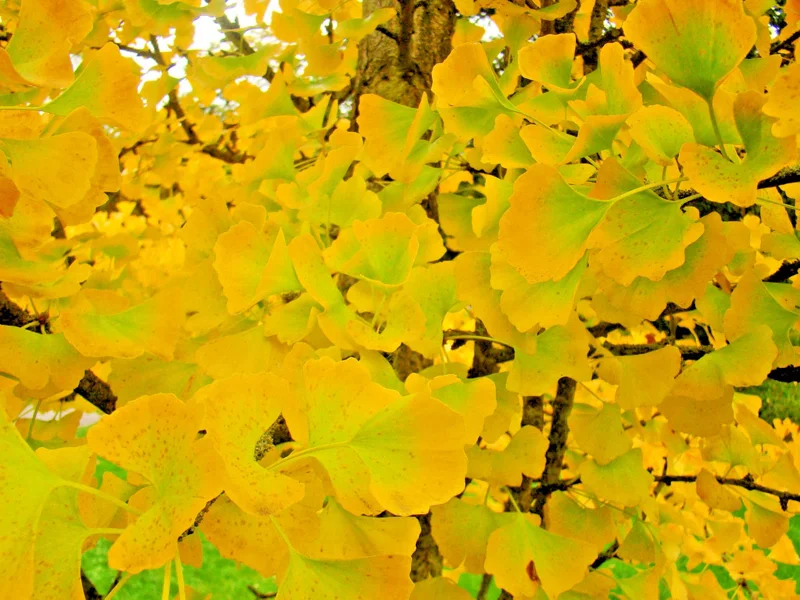
- Exceptional Ornamental Value: The Ginkgo Biloba is prized for its distinctive fan-shaped leaves that turn a brilliant, golden yellow in autumn, creating a spectacular seasonal display. This vibrant color adds significant visual interest to any garden space.
- Historical Significance: As a living fossil, this tree connects your garden to millions of years of natural history. It’s a testament to endurance and ancient beauty, providing a unique conversation piece.
- Remarkable Hardiness: The Maidenhair tree is incredibly adaptable and tolerant of various environmental challenges, including urban pollution, compacted soil, and a wide range of temperatures, making it a robust choice for many climates.
- Low Maintenance: Once established, the Ginkgo Biloba live plant requires minimal care, making it an ideal choice for both experienced and novice gardeners. It’s generally pest and disease resistant.
- Long Lifespan: Ginkgo trees are known for their extraordinary longevity, often living for hundreds, if not thousands, of years. Planting one is an investment in a lasting legacy for your landscape.
- Unique Foliage: The characteristic two-lobed, fan-shaped leaves are unlike any other tree, providing a distinctive texture and form that enhances garden diversity.
- Adaptable Growth: Can be grown as a majestic shade tree, a unique specimen plant, or even trained as a bonsai, offering versatility in landscape design.
Plant Care & Growing Tips
Caring for your Ginkgo Biloba live plant is relatively straightforward, as these trees are remarkably resilient. They thrive in a wide range of conditions, making them a popular choice for various landscapes. For optimal growth, choose a location that receives full sun to partial shade; at least 4-6 hours of direct sunlight daily is ideal. While tolerant of many soil types, the Ginkgo prefers well-draining soil. Amend heavy clay soils with organic matter to improve drainage. A slightly acidic to neutral pH (6.0-7.0) is generally preferred, but they are highly adaptable.
When it comes to watering, young Maidenhair tree plants require consistent moisture to establish a strong root system. Water deeply once or twice a week, especially during dry periods, ensuring the soil remains moist but not waterlogged. Once mature, Ginkgo trees are quite drought-tolerant. Fertilization is generally not critical for established trees, but a balanced, slow-release fertilizer can be applied in spring for young plants to encourage vigorous growth. Pruning is typically done to remove dead or diseased branches, or to shape the tree as desired. The Ginkgo plant care routine is minimal, contributing to its popularity.
This deciduous tree is hardy in USDA zones 3-9, tolerating both cold winters and hot summers. Ensure proper air circulation around the plant to prevent any potential fungal issues, although Ginkgos are generally very disease resistant. Protect young trees from strong winds, which can damage new growth. With proper care, your Ginkgo Biloba will grow into a magnificent and enduring feature of your landscape, showcasing its unique beauty through the seasons.
Size & Details
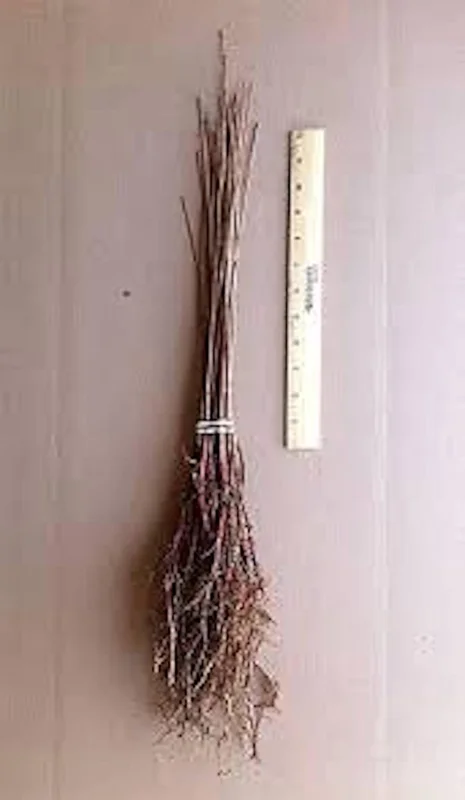
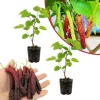
This offering is for a Ginkgo Biloba live plant, also known as the Maidenhair tree, standing approximately 5-7 inches tall. The plant is a starter specimen, perfect for establishing in your garden or a larger container. Ginkgo Biloba is a moderately fast-growing tree, typically adding 1-2 feet of height per year under ideal conditions, eventually reaching heights of 50-80 feet or more with a spread of 30-40 feet at maturity. It ships as a healthy young plant, ready for transplanting. Its iconic fan-shaped leaves will eventually mature into their characteristic golden yellow in the fall, offering a spectacular display. The plant form is currently dormant, which is typical for shipping to ensure its health and reduce transplant shock, and will leaf out with warmer temperatures.
Frequently Asked Questions
- Q: How big does this Ginkgo Biloba live plant get? A: This starter plant is 5-7 inches tall. Under optimal conditions, a mature Ginkgo Biloba tree can reach impressive heights of 50-80 feet or more, with a spread of 30-40 feet, making it a significant landscape tree.
- Q: Is this an indoor or outdoor plant? A: The Maidenhair tree is primarily an outdoor landscape tree. While very young plants can be temporarily kept indoors in a bright location, they will eventually need to be planted outside to thrive and reach their full potential.
- Q: How much sunlight does a Ginkgo Biloba need? A: Ginkgo Biloba trees prefer full sun to partial shade, meaning they need at least 4-6 hours of direct sunlight per day to grow vigorously and develop their best fall color.
- Q: Is this plant easy to care for? A: Yes, the Ginkgo Biloba live plant is known for its exceptional hardiness and low maintenance once established. It’s tolerant of various conditions and generally resistant to pests and diseases, making Ginkgo plant care quite easy.
- Q: What condition will the plant arrive in? A: Your yellow Ginkgo tree will arrive as a healthy, approximately 5-7 inch tall starter plant. It may be dormant depending on the season, which is normal and beneficial for transplanting.
- Q: When is the best time to plant a Ginkgo Biloba? A: Spring or early fall are generally the best times to plant a Ginkgo Biloba, allowing the roots to establish before extreme temperatures. However, potted plants can be planted throughout the growing season.
- Q: Will it survive winter in my zone? A: Ginkgo Biloba is highly cold-hardy and thrives in USDA Zones 3-9, meaning it can tolerate very cold winter temperatures and hot summers, making it suitable for a wide range of climates across the US.
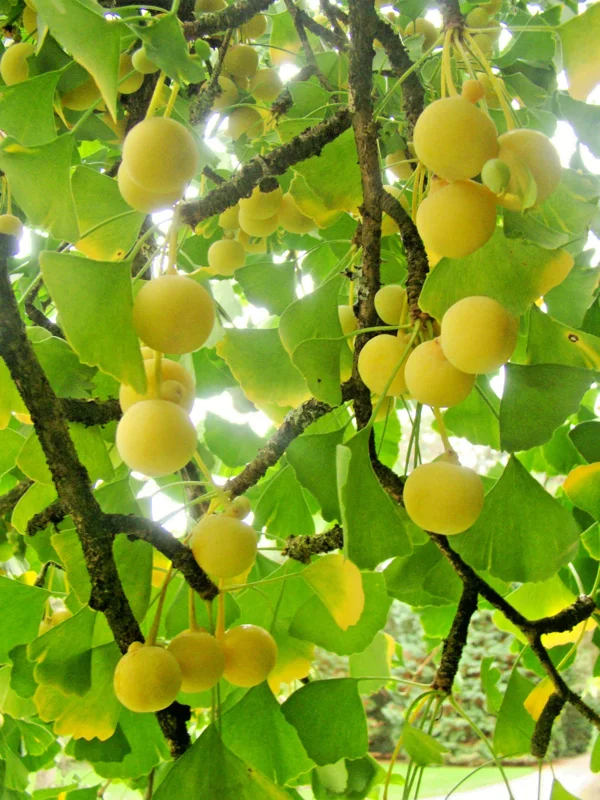
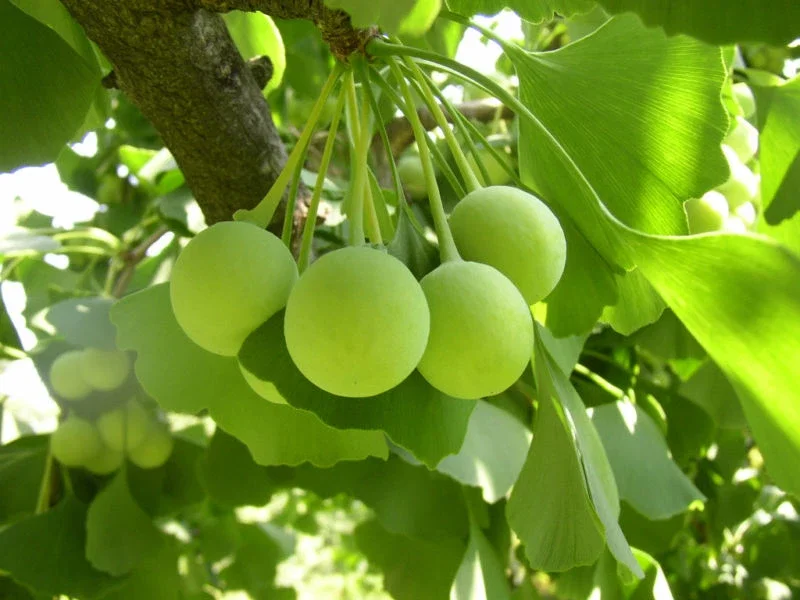
- Q: Does this tree produce fruit? A: Female Ginkgo trees produce a fleshy, plum-like seed that can have an unpleasant odor when ripe. This particular offering is for a young plant, and the sex cannot be determined at this stage.
- Q: What kind of soil does this tree prefer? A: While adaptable, the Ginkgo Biloba prefers well-draining soil. It can tolerate a variety of soil types, including sandy, loamy, or clay soils, as long as they are not waterlogged.
- Q: How often should I water my young Ginkgo Biloba? A: Young Ginkgo plants require consistent moisture. Water deeply once or twice a week, especially during dry spells, ensuring the soil is moist but not soggy, until the tree is well-established.




Reviews
There are no reviews yet.