Overview
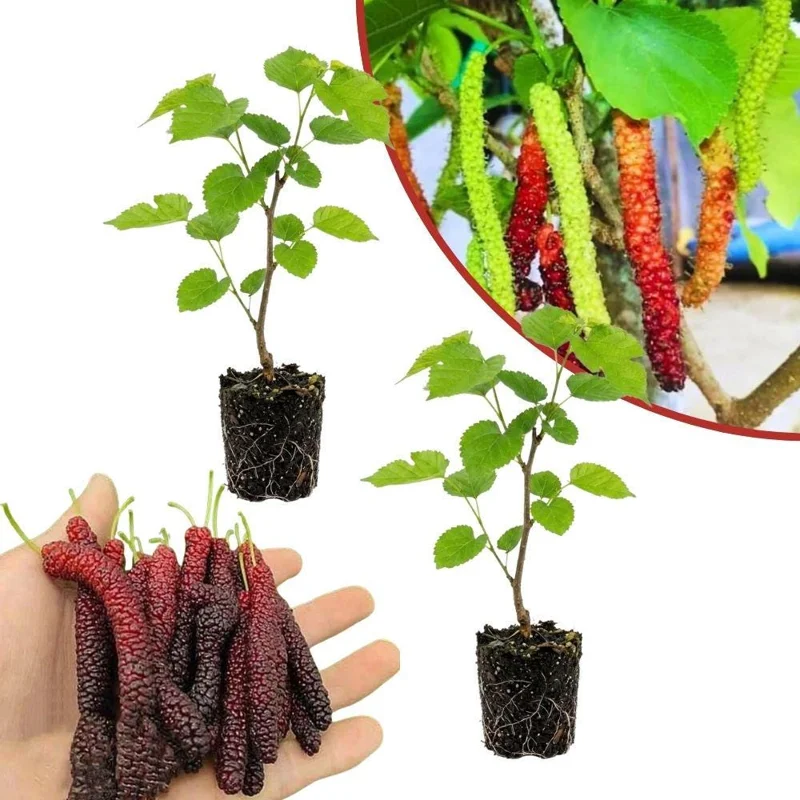
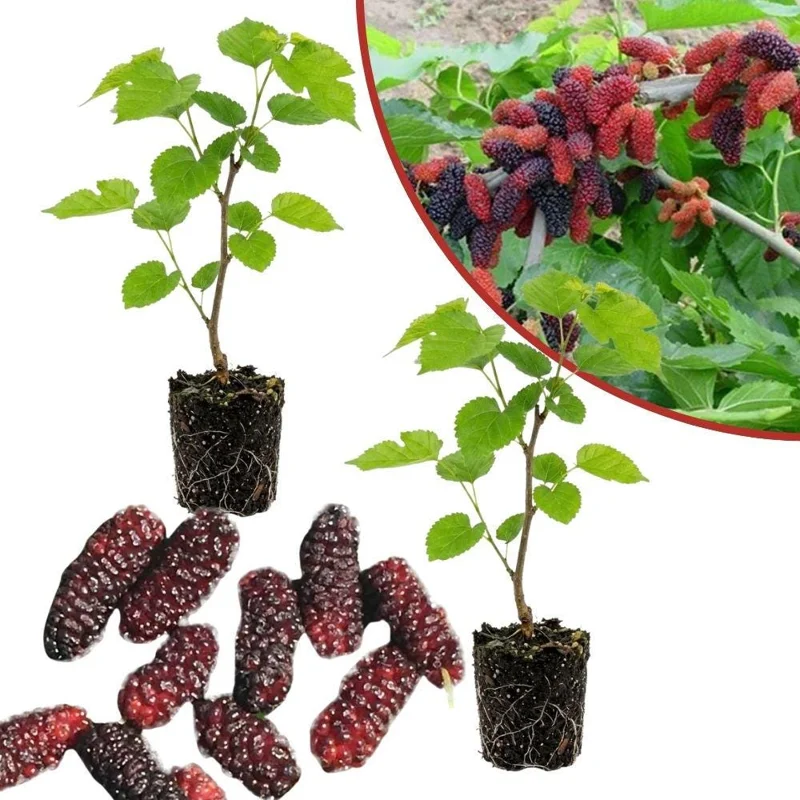
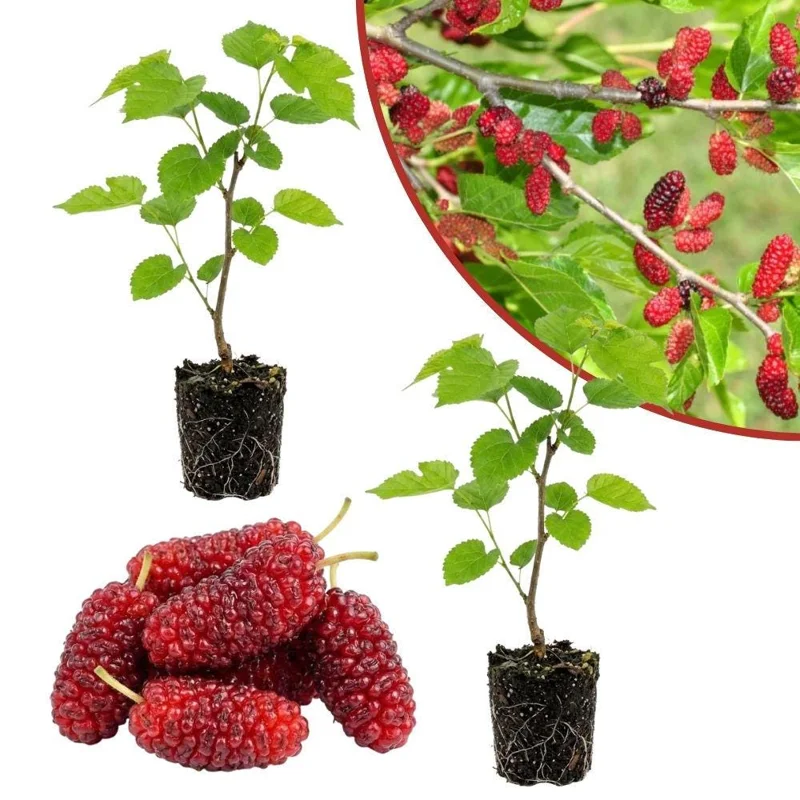
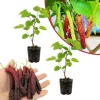
Embark on a delightful gardening journey with this set of two mulberry live plant specimens, each standing proudly at 6-8 inches tall. These young fruit trees are ready to be transplanted into your outdoor garden, offering the promise of fresh, succulent mulberries in the coming seasons. Known for their rapid growth and generous yields, mulberries are a fantastic addition to any landscape, providing both aesthetic beauty and delicious fruit. Our mulberry live plant selection is carefully nurtured to ensure vigor and health upon arrival, setting you up for success. These adaptable trees are celebrated for their lush green foliage, which transforms into a canopy of shade, and their ability to produce clusters of dark, sweet berries. Whether you’re an experienced gardener or just beginning, learning how to grow mulberry trees can be a truly rewarding experience, culminating in a bountiful harvest of these beloved fruits.
Mulberry trees, scientifically known as Morus, are deciduous trees native to various temperate and subtropical regions. They are highly valued not only for their edible fruits but also for their ornamental qualities. These trees offer a unique opportunity to grow your own food, contributing to a sustainable and healthy lifestyle. The berries are incredibly versatile, perfect for eating fresh off the branch, making jams, pies, or adding to smoothies. With proper care, these young plants will quickly establish themselves, becoming a focal point in your garden. This set provides two plants, allowing for greater pollination potential and a more significant harvest.
Key Benefits
Adding a mulberry live plant to your garden offers a plethora of advantages, enhancing both your landscape and your culinary options. These trees are not just fruit producers; they are also beautiful and beneficial additions to the environment.
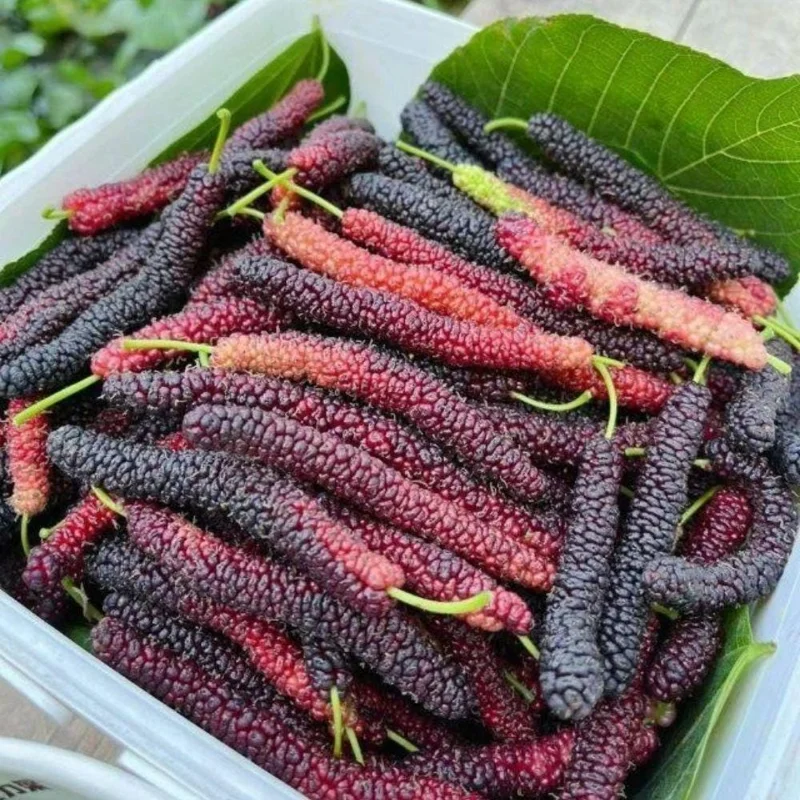
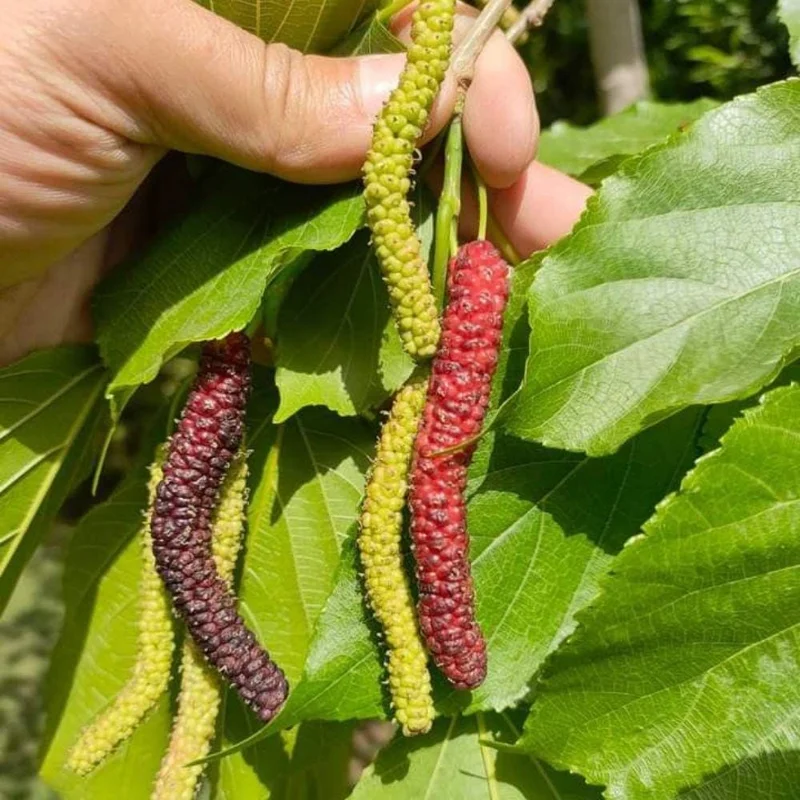
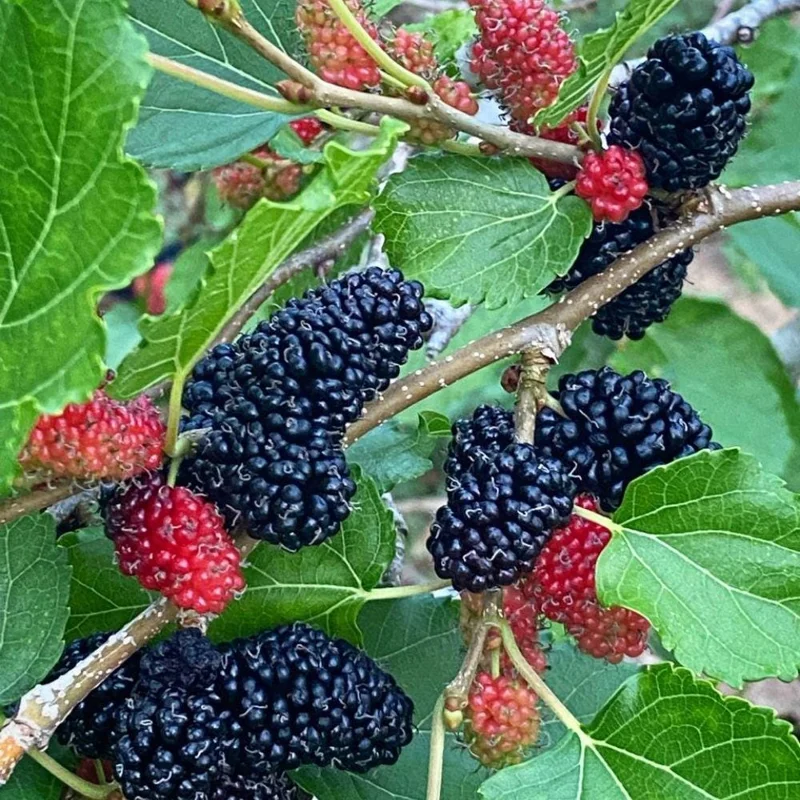
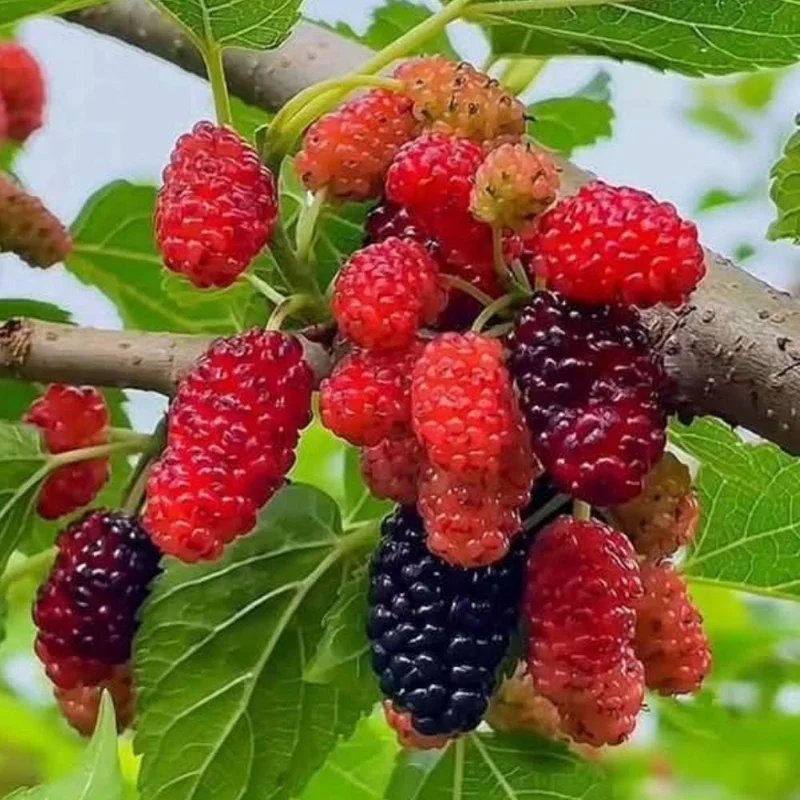
- Abundant Fruit Production: Enjoy a generous harvest of sweet, juicy mulberries each growing season. These berries are perfect for fresh consumption, baking, preserves, and more, offering a versatile culinary ingredient directly from your backyard.
- Shade and Aesthetic Appeal: The dense, vibrant green foliage of the mulberry tree provides excellent shade during warmer months, creating a comfortable and inviting outdoor space. Its attractive growth habit adds visual interest and structure to any garden or landscape design.
- Adaptable and Resilient: Mulberry trees are known for their hardiness and ability to adapt to a variety of soil conditions and climates. This makes them a relatively low-maintenance choice for gardeners, especially when you understand mulberry plant care.
- Attracts Wildlife: The berries are a favorite food source for birds and other local wildlife, enriching the biodiversity of your garden and providing natural entertainment.
- Easy to Grow: Even for beginner gardeners, learning how to grow mulberry is straightforward. With basic attention to sunlight and water, these trees are eager to establish and thrive, quickly becoming productive members of your garden.
- Long-Term Investment: A well-cared-for sweet mulberry tree can live for many decades, providing consistent fruit and beauty for generations. It’s an investment that pays dividends in fresh produce and garden enjoyment.
- Culinary Versatility: Beyond fresh eating, mulberries can be transformed into delicious jams, jellies, pies, tarts, and even wine. Having a fresh supply means endless possibilities for homemade treats and healthier eating.
Plant Care & Growing Tips
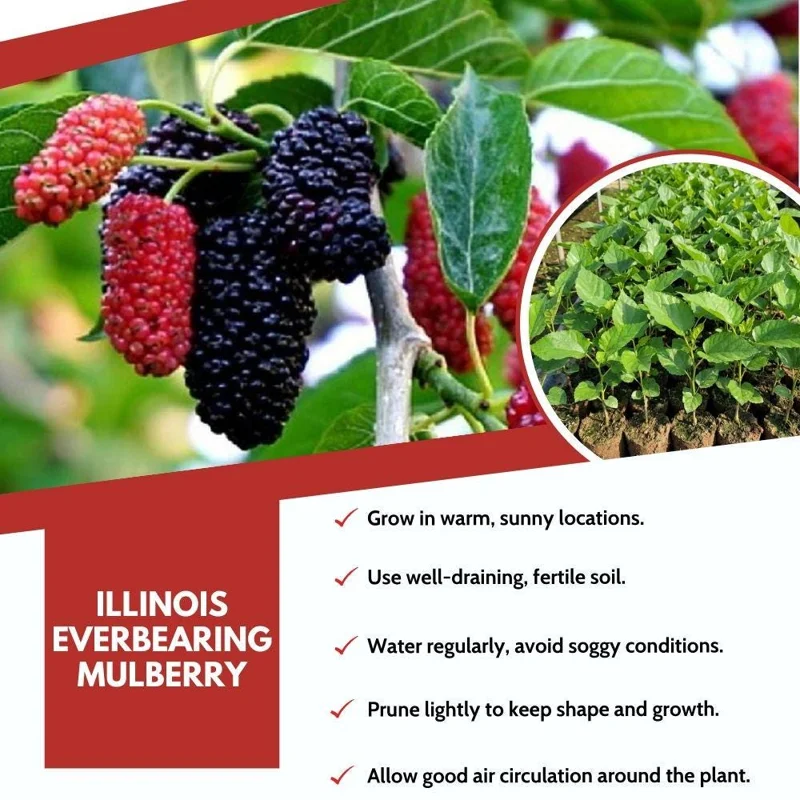
Caring for your mulberry live plant is a rewarding experience that ensures a bountiful harvest. Mulberries are generally robust and forgiving, but a few key practices will help them flourish. They thrive best in full sun, meaning at least 6-8 hours of direct sunlight per day. Choose a location in your garden that receives ample sun exposure throughout the day. While adaptable, mulberries prefer well-drained soil. If your soil is heavy clay, consider amending it with organic matter like compost to improve drainage and aeration. A pH range between 6.0 and 7.0 is ideal, but they can tolerate slightly acidic or alkaline conditions.
Watering is crucial, especially during the first year of establishment and during dry spells. Water deeply and regularly to encourage strong root development, but avoid waterlogging, which can lead to root rot. Once established, mulberry trees become more drought-tolerant. Fertilize in early spring with a balanced, slow-release fertilizer or an organic compost. Avoid over-fertilizing, as this can lead to excessive foliage growth at the expense of fruit production. Pruning is best done in late winter or early spring while the tree is dormant. Focus on removing dead, damaged, or crossing branches, and shaping the tree to maintain an open canopy for good air circulation and light penetration. Understanding proper mulberry plant care will ensure your sweet mulberry tree produces delicious fruit for years to come.
Mulberry trees are generally hardy and resistant to most pests and diseases. However, keep an eye out for common garden pests like aphids or spider mites, which can be managed with insecticidal soap or neem oil. Fungal diseases are rare but can occur in prolonged wet conditions; ensuring good air circulation through proper spacing and pruning helps prevent this. These trees are typically suitable for USDA Hardiness Zones 5-9, though specific varieties may vary. Protecting young plants from severe winter frosts in colder zones might be necessary. With these tips on how to grow mulberry, your plants will thrive.
Size & Details
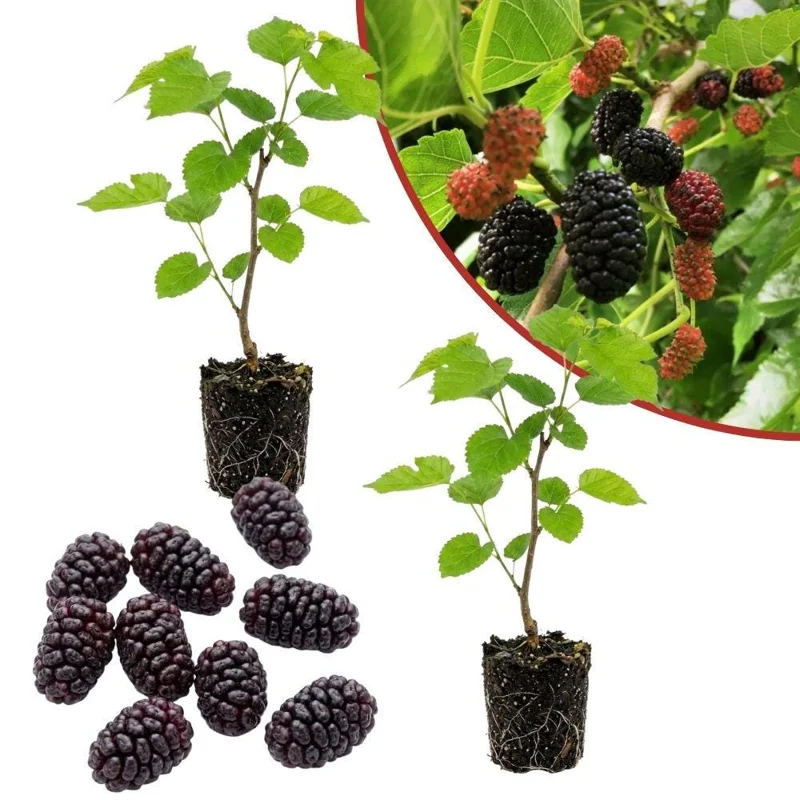
This offering includes a set of two healthy mulberry live plant specimens, each measuring approximately 6-8 inches in height from the base of the root ball to the tip of the foliage. These young plants are typically shipped in small nursery pots or carefully packaged with their root systems protected, ensuring they arrive ready for transplanting into your garden. Mulberries are known for their relatively fast growth rate, and with optimal conditions, these seedlings will quickly grow into productive fruit-bearing trees. Mature mulberry trees can reach heights of 20-30 feet, depending on the variety and growing conditions, offering a significant canopy for shade and fruit production. They are generally shipped as actively growing, healthy plants, ready to adapt to their new environment. Expect your sweet mulberry tree to begin producing fruit within 2-3 years, with yields increasing as the tree matures.
Frequently Asked Questions
- Q: How big will these mulberry live plants get? A: These plants are currently 6-8 inches tall. With proper care, a mature sweet mulberry tree can reach heights of 20-30 feet, depending on the specific variety and growing conditions in your garden.
- Q: Are these mulberry plants suitable for indoor or outdoor growing? A: These mulberry live plant specimens are primarily intended for outdoor cultivation. They require ample sunlight and space to grow into a productive fruit tree.
- Q: How much sunlight does a mulberry tree need? A: Mulberry trees thrive in full sun, requiring at least 6-8 hours of direct sunlight per day to ensure optimal growth and fruit production. Choose a sunny spot in your garden.
- Q: Is this mulberry live plant easy to care for? A: Yes, mulberries are generally considered easy to care for, making them a good choice for both beginner and experienced gardeners. Understanding basic mulberry plant care, such as watering and sunlight needs, will lead to success.
- Q: When is the best time to plant these mulberry trees? A: The best time to plant these young mulberry trees is typically in the spring after the last frost, or in early fall before the ground freezes, allowing them to establish their root systems.
- Q: Can I use the fruit from this sweet mulberry tree for cooking? A: Absolutely! The fruit from your sweet mulberry tree is incredibly versatile. It can be eaten fresh, used in jams, jellies, pies, tarts, smoothies, and many other culinary creations.
- Q: What condition will the mulberry live plant arrive in? A: Your mulberry live plant will arrive carefully packaged, typically in a small nursery pot or with its roots protected, ensuring it is healthy and ready for transplanting into your garden.
- Q: What USDA Hardiness Zones are suitable for growing mulberries? A: Mulberry trees are generally hardy and can thrive in USDA Hardiness Zones 5-9, though specific variety tolerances may vary. They are quite adaptable to various climates.
- Q: How long until these mulberry live plants start producing fruit? A: Typically, a young mulberry live plant will begin to produce fruit within 2-3 years after planting, with the yield increasing significantly as the tree matures.
- Q: What kind of soil does a mulberry tree prefer? A: Mulberry trees prefer well-drained soil. Amending heavy clay soils with organic matter like compost can improve drainage and provide a better environment for root growth.






Reviews
There are no reviews yet.