Overview
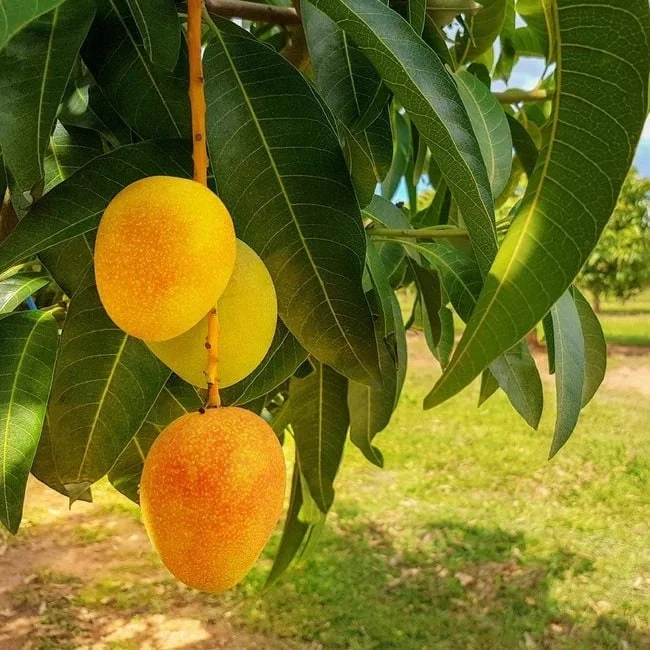
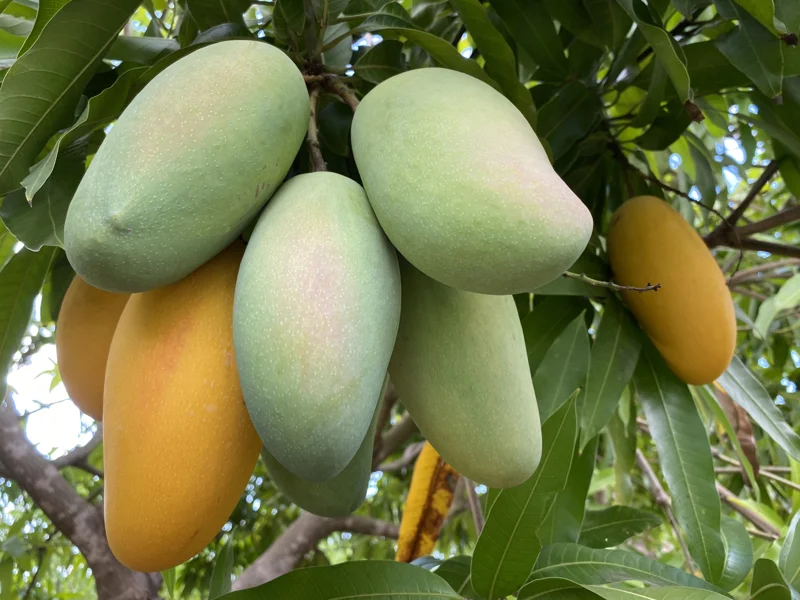
Bring the taste of the tropics to your home with our exceptional Carrie mango tree live plant. This highly sought-after variety is renowned for its incredibly sweet, rich flavor and smooth, fiberless flesh, making it a favorite among mango enthusiasts. Our grafted mango tree ensures earlier fruit production and maintains the desirable characteristics of the parent plant, providing you with a reliable and rewarding growing experience. Standing between 2 to 3 feet tall, this robust young tree is shipped in a 3-gallon container, ready for planting in your garden or a larger pot. The Carrie mango (Mangifera indica ‘Carrie’) is a vigorous grower that adapts well to various conditions, making it an excellent choice for both experienced gardeners and those new to growing tropical fruit trees. Enjoy the satisfaction of harvesting your own succulent mangoes, perfect for fresh eating, smoothies, or desserts.
The Carrie mango tree live plant is a true gem for any edible landscape. Its attractive foliage and potential for abundant fruit make it a beautiful and productive addition. Grafting techniques provide a strong rootstock, enhancing the tree’s resilience and ensuring consistent fruit quality. Prepare to indulge in the distinctive taste of homegrown Carrie mangoes, celebrated for their aromatic profile and delightful sweetness. This tree is not just a plant; it’s an investment in future harvests of one of the most beloved tropical fruits.
Key Benefits
Choosing a Carrie mango tree live plant offers a multitude of advantages for the home gardener. This particular variety stands out due to its exceptional fruit quality and relatively manageable growth habit. Here are some of the key benefits you can expect from cultivating this magnificent tree:
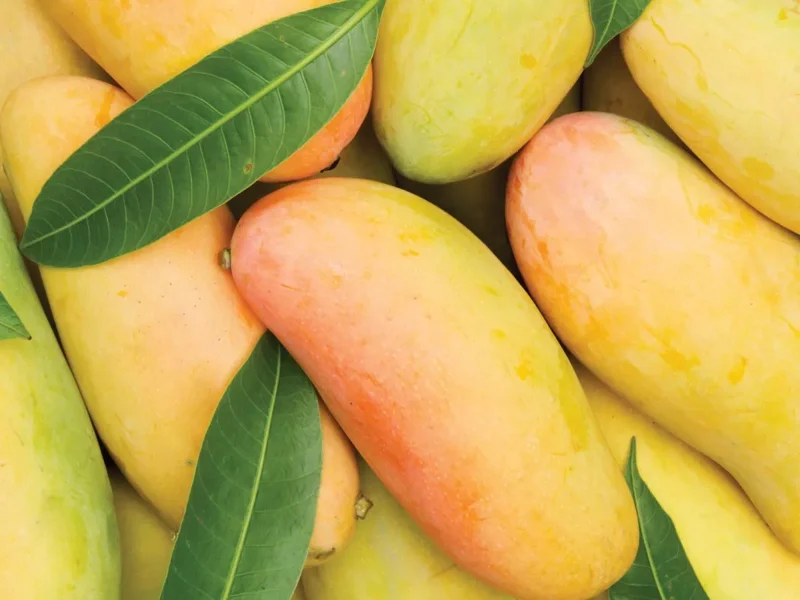
Superior Fruit Quality: The Carrie mango is famous for its sweet, rich, and aromatic flavor profile. Its most prized characteristic is its completely fiberless flesh, which provides a smooth and enjoyable eating experience, unlike many other mango varieties. You’ll love the juicy texture and tropical essence.
Early Fruit Production: As a grafted mango tree, it will produce fruit much sooner than a seedling-grown tree, often within 2-3 years, allowing you to enjoy your first harvest in a shorter timeframe.
Compact Growth Habit: While it can grow into a large tree, the Carrie mango is known for being a more manageable size compared to some other varieties, making it suitable for smaller gardens or even container growing in colder climates.
Disease Resistance: The Carrie variety exhibits good resistance to common mango diseases like anthracnose, which can be a significant problem for other types, ensuring a healthier and more productive tree.
Versatile Culinary Use: Beyond fresh eating, the sweet, fiberless flesh of the Carrie mango is perfect for a wide range of culinary applications, from tropical salads and salsas to desserts, juices, and preserves. Its smooth texture blends beautifully.
Attractive Ornamental Value: Even before fruiting, the Carrie mango tree live plant provides beautiful, lush green foliage that adds a touch of tropical elegance to any landscape or patio.
Satisfying Home Harvest: There’s immense satisfaction in growing and harvesting your own fresh, organic fruit. You control the growing conditions, ensuring a healthy and delicious product free from commercial treatments.
Plant Care & Growing Tips
Caring for your Carrie mango tree live plant is crucial for ensuring a healthy, productive tree. Mango trees thrive in warm, tropical, and subtropical climates. They prefer full sun, meaning at least 6-8 hours of direct sunlight per day. If growing indoors or in a greenhouse, ensure it receives ample light, possibly supplementing with grow lights during shorter days. Plant your mango tree in well-draining soil; sandy loam is ideal. Good drainage is paramount as mangoes do not tolerate standing water, which can lead to root rot. When planting in the ground, dig a hole twice as wide as the root ball and just as deep. For container growing, choose a large pot (at least 15-20 gallons for a mature tree) with drainage holes and use a high-quality potting mix specifically designed for citrus or tropical fruits.
Water young grafted mango tree plants regularly to establish a strong root system, typically 2-3 times per week, depending on climate and soil type. Once established, mature trees are relatively drought-tolerant but will produce better fruit with consistent moisture during flowering and fruiting periods. Fertilize your mango tree with a balanced fertilizer specifically formulated for tropical fruit trees, following the product’s instructions. Young trees benefit from fertilization every 2-3 months, while mature trees can be fertilized 3-4 times a year. Pruning is important to maintain a manageable size, encourage branching, and improve air circulation, which helps prevent fungal diseases. Remove any dead, diseased, or crossing branches, and thin out the canopy to allow sunlight penetration. Regular monitoring for pests like aphids or scale and applying organic pest control methods if necessary will help keep your mango tree for sale healthy.
Protect your Carrie mango tree live plant from frost. If you live in an area where temperatures drop below 30°F (-1°C), consider planting it in a large container that can be moved indoors during winter, or provide frost protection for in-ground trees. This is a key aspect of how to grow mango tree successfully in marginal climates. The ideal USDA hardiness zones for mangoes are 9-11. Ensure proper air circulation around the tree to minimize fungal issues. With proper care, your tree will reward you with abundant harvests of sweet mangoes. Understanding the specific needs of this sweet mango variety will lead to a thriving and fruitful plant.
Size & Details
This offering is for one premium Carrie mango tree live plant, which stands approximately 2 to 3 feet tall from the base of the pot to the top of the foliage. The tree is a grafted specimen, ensuring genetic fidelity and earlier fruit production compared to seed-grown plants. It is shipped securely in a 3-gallon nursery pot, providing a well-established root system ready for transplanting. Mango trees are known for their moderate to fast growth rate, and with optimal conditions, this tree will continue to grow and develop into a productive fruit-bearing specimen. Expect the tree to begin producing fruit within 2-3 years of planting, significantly faster than non-grafted trees. The mature size of a Carrie mango tree can vary, but generally, it can reach heights of 15-20 feet in the ground if left unpruned, and can be maintained at a smaller size with regular pruning, making it an excellent mango tree for sale for various garden sizes.
The tree will arrive with healthy foliage, carefully packaged to minimize stress during transit. Upon arrival, it is recommended to acclimate the plant to its new environment gradually before transplanting. This grafted mango tree is a robust choice, cultivated to provide you with the best start for your home orchard. The 3-gallon pot size provides ample space for the root system during shipping and allows for immediate planting into a larger container or directly into the garden. The quality of this sweet mango variety is exceptional, guaranteeing a delicious harvest when properly cared for.
Frequently Asked Questions
Q: How big does this Carrie mango tree get? A: This Carrie mango tree live plant is 2 to 3 feet tall when shipped in a 3-gallon pot. In the ground, it can reach 15-20 feet tall, but it can be kept smaller with regular pruning. For container growing, its size will be restricted by the pot, typically staying under 10 feet.
Q: Is this an indoor or outdoor plant? A: The Carrie mango tree live plant is primarily an outdoor plant in USDA Zones 9-11. In colder climates, it can be grown in a large container and brought indoors during winter, or cultivated in a greenhouse. It needs plenty of sunlight to thrive.
Q: How much sunlight does it need? A: A grafted mango tree requires at least 6-8 hours of direct sunlight per day to produce fruit. Full sun exposure is crucial for optimal growth and fruit development.
Q: Is this plant easy to care for? A: Mango trees require consistent care, especially when young, including proper watering, fertilization, and sun exposure. They are considered moderately easy to care for for those familiar with tropical fruit trees, and the Carrie variety is known for good disease resistance.
Q: What condition will it arrive in? A: Your Carrie mango tree live plant will arrive securely packaged in its 3-gallon nursery pot, with healthy foliage and a well-established root system, ready for planting. We take great care in preparing our trees for shipment.
Q: How long until it blooms and fruits? A: Since this is a grafted mango tree, it is expected to begin blooming and fruiting within 2-3 years of planting, much faster than a tree grown from seed. The exact timeline can vary based on care and climate conditions.
Q: Can I grow this mango tree in a large pot on my patio? A: Yes, the Carrie mango tree is a good candidate for container growing due to its relatively manageable size. Ensure you use a large pot (at least 15-20 gallons for maturity) with excellent drainage and a suitable potting mix. This is a great way for those in colder climates to grow a mango tree for sale.
Q: What makes the Carrie mango a sweet mango variety? A: The Carrie mango is celebrated for its exceptionally sweet, rich, and aromatic flavor. Its most distinguishing characteristic is its complete lack of fibrous strings, providing a smooth and creamy texture that is highly desirable among mango connoisseurs. This sweet mango variety is a top choice for fresh eating.
Q: What is the best time to plant this mango tree? A: The best time to plant your Carrie mango tree live plant is in the spring or early summer, after the last risk of frost has passed and when temperatures are consistently warm. This allows the tree to establish its root system before cooler weather arrives. This is essential for how to grow mango tree successfully.
Q: Will it survive winter in my zone if temperatures drop? A: Mango trees are sensitive to cold and frost. If you are in USDA Zone 8 or below, your grafted mango tree will need protection during winter. This means bringing it indoors if container-grown, or providing significant frost protection for in-ground trees, such as covers or heating elements, especially for a young mango tree for sale.




Reviews
There are no reviews yet.