Overview
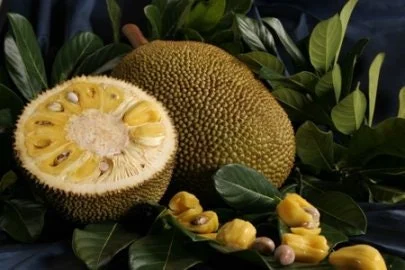
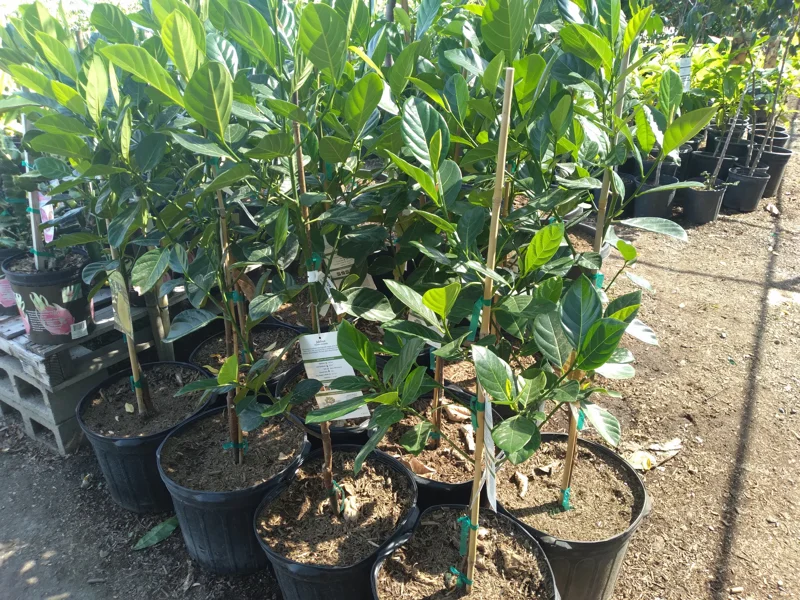
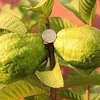
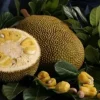
Introduce an exotic flourish to your landscape with a thriving grafted jakfruit tree. This remarkable live plant, also known by its botanical name Artocarpus heterophyllus, is celebrated for producing the largest tree-borne fruit in the world. Originating from regions of South and Southeast Asia, jakfruit has gained immense popularity for its versatile culinary uses and impressive size. Our grafted specimens offer the advantage of faster fruiting and more predictable characteristics compared to seed-grown trees, making them an excellent choice for home gardeners eager to harvest their own tropical bounty. This particular specimen arrives as a healthy, young tree, typically 1 to 2 feet tall, carefully nurtured in a 3-gallon pot, ensuring it’s well-established and ready for successful transplanting into your garden or a larger container. Cultivating your own grafted jakfruit tree is a rewarding experience, providing both an attractive landscape feature and a source of unique, nutritious fruit that can be enjoyed ripe or unripe in a myriad of dishes.
The jakfruit’s distinctive flavor and texture make it a culinary marvel. When ripe, it offers a sweet, aromatic flesh reminiscent of pineapple and banana, often used in desserts or eaten fresh. Unripe, its fibrous texture is similar to pulled pork, making it a popular meat substitute in vegetarian and vegan cuisine. This resilience and adaptability, coupled with its striking appearance, positions the grafted jakfruit tree as a highly desirable addition for anyone looking to explore tropical gardening or expand their edible landscape.
Key Benefits
Owning a grafted jakfruit tree offers a multitude of advantages for the adventurous gardener and culinary enthusiast alike. From its unique fruit to its ornamental value, this tropical gem provides numerous benefits:
- Produces World’s Largest Tree Fruit: Experience the thrill of growing massive, delicious fruit right in your own garden. Jakfruit can weigh anywhere from 10 to over 100 pounds, providing an abundant harvest.
- Versatile Culinary Uses: Enjoy the fruit both ripe (sweet, tropical flavor for desserts and fresh eating) and unripe (savory, meat-like texture perfect for curries, stir-fries, and as a vegan meat substitute). Discover the endless possibilities that growing jakfruit offers in your kitchen.
- Faster Fruiting: Grafted trees typically begin producing fruit much sooner than those grown from seed, often within 3-5 years, allowing you to enjoy your harvest sooner.
- Ornamental Appeal: With its large, glossy green leaves and robust growth habit, the jakfruit tree adds a lush, tropical aesthetic to any garden or large patio.
- Nutrient-Rich Fruit: Jakfruit is a good source of vitamins (especially Vitamin C and B vitamins), minerals, and dietary fiber, contributing to a healthy diet.
- Adaptable Growth: While preferring tropical conditions, with proper jakfruit plant care, it can be grown in large containers in cooler climates, moved indoors during winter.
- Unique Garden Specimen: Stand out from traditional fruit trees with this distinctive and conversation-starting plant that will impress friends and family.
Plant Care & Growing Tips
Successful cultivation of your grafted jakfruit tree requires attention to its specific tropical needs. Jakfruit thrives in warm, humid environments and prefers a consistently moist, but not waterlogged, soil. For optimal growth and fruit production, select a location that receives full sun, meaning at least 6-8 hours of direct sunlight per day. In extremely hot climates, some afternoon shade can be beneficial to prevent leaf scorch. If growing in a container, choose a large pot (at least 20-30 gallons when mature) to accommodate its extensive root system and provide room for growth. Ensure the pot has excellent drainage holes.
When it comes to watering, young jakfruit trees require regular and consistent moisture. Water deeply several times a week, especially during dry periods, allowing the top few inches of soil to dry out slightly between waterings. Avoid overwatering, which can lead to root rot. For soil, a rich, well-draining loam with a slightly acidic to neutral pH (6.0-7.0) is ideal. Amend heavy clay soils with organic matter like compost or coco coir to improve drainage and aeration. Fertilize your tropical fruit tree regularly during the growing season (spring and summer) with a balanced fertilizer, increasing phosphorus and potassium as the tree matures and begins to fruit. Reduce fertilization in fall and winter. Protect young trees from strong winds, which can damage branches and leaves.
Jakfruit is a tropical plant and is sensitive to cold. It is best suited for USDA hardiness zones 9-11. Temperatures below 40°F (4°C) can cause damage, and extended freezes can be fatal. If you live in a cooler zone, consider growing your Artocarpus heterophyllus in a container that can be moved indoors during the colder months. Pruning is generally minimal, focusing on removing dead, damaged, or crossing branches to maintain good air circulation and shape. With dedicated jakfruit plant care, your tree will reward you with abundant and delicious fruit for many years to come.
Size & Details
This offering is for a healthy, young grafted jakfruit tree, typically measuring 1 to 2 feet tall from the soil line to the top of the plant. It is carefully shipped in a 3-gallon nursery pot, providing a robust root system ready for transplanting. Grafted jakfruit trees are known for their relatively fast growth rate under ideal conditions, often reaching heights of 20-40 feet at maturity, though they can be kept smaller with strategic pruning. They develop a broad, spreading canopy, making them an excellent shade tree in tropical landscapes. While the exact time to fruit varies, grafted specimens can begin bearing fruit within 3-5 years after planting, with the main fruiting season typically occurring from late spring through fall, depending on the climate and specific variety.
The tree’s leaves are large, glossy, and dark green, providing a lush, tropical appearance year-round in frost-free environments. When you receive your plant, it will be well-rooted and actively growing, having been carefully prepared for shipment to ensure its vitality upon arrival. This size makes it manageable for initial planting and establishment, whether in the ground or in a larger container as it matures. Understanding the growth habits and eventual size of your tropical fruit tree is key to providing it with the best possible growing environment and ensuring a bountiful future harvest.
Frequently Asked Questions
- Q: How big does this plant get? A: This grafted jakfruit tree is currently 1 to 2 feet tall. At maturity, these trees can reach heights of 20-40 feet in ideal conditions, though they can be managed with pruning for smaller spaces or container growing.
- Q: What size pot does it come in? A: The tree is shipped in a 3-gallon nursery pot, ensuring it has a well-established root system ready for transplanting.
- Q: Is this an indoor or outdoor plant? A: Jakfruit trees are tropical and thrive outdoors in USDA Zones 9-11. In cooler climates, they can be grown in large containers and moved indoors during winter, making them a versatile tropical fruit tree.
- Q: How much sunlight does it need? A: For best growth and fruit production, your grafted jakfruit tree requires full sun, meaning at least 6-8 hours of direct sunlight daily. In very hot climates, some afternoon shade can be beneficial.
- Q: Is this plant easy to care for? A: While tropical, with proper jakfruit plant care including adequate sunlight, consistent watering, and protection from cold, it can be relatively easy to grow for those in suitable climates or with indoor growing setups.
- Q: What condition will it arrive in? A: Your jakfruit tree will arrive as a healthy, live plant, carefully packaged to minimize stress during transit. It will be well-rooted and actively growing.
- Q: Can I use jakfruit in cooking? A: Absolutely! Jakfruit is incredibly versatile. When ripe, it’s sweet and used in desserts. When unripe, its texture resembles meat and is often used in savory dishes like curries or as a vegan meat substitute. This is a key benefit of growing jakfruit.
- Q: When is the best time to plant? A: The best time to plant your jakfruit tree is in spring or early summer after all danger of frost has passed, allowing it ample time to establish before cooler weather.
- Q: What’s the minimum temperature this plant can tolerate? A: Jakfruit trees are sensitive to cold. They can tolerate brief dips to around 40°F (4°C), but sustained temperatures below this can cause significant damage or even kill the plant.
- Q: How long until it fruits? A: As a grafted tree, you can expect fruit production to begin in approximately 3-5 years, much faster than trees grown from seed.




Reviews
There are no reviews yet.