Overview
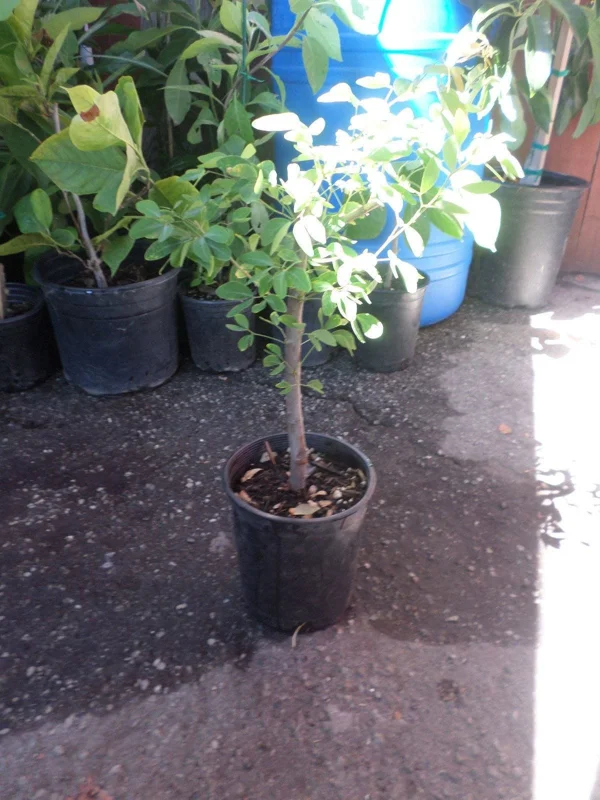
Discover the fascinating Guamuchil live plant, scientifically known as Pithecellobium dulce tree. This remarkable species, also commonly referred to as Manila tamarind or sweet tamarind, is a versatile and attractive addition to any garden in suitable climates. Our offering includes a healthy specimen, approximately 2 to 3 feet tall, shipped securely in a 3-gallon nursery pot, ready for planting. The Guamuchil is celebrated not only for its distinctive appearance but also for its edible pods, which have a sweet and tangy pulp. This resilient tree thrives in warm, sunny environments and can provide both shade and a unique culinary experience. Its adaptability and low maintenance requirements make it an excellent choice for both novice and experienced gardeners looking to cultivate something truly special.
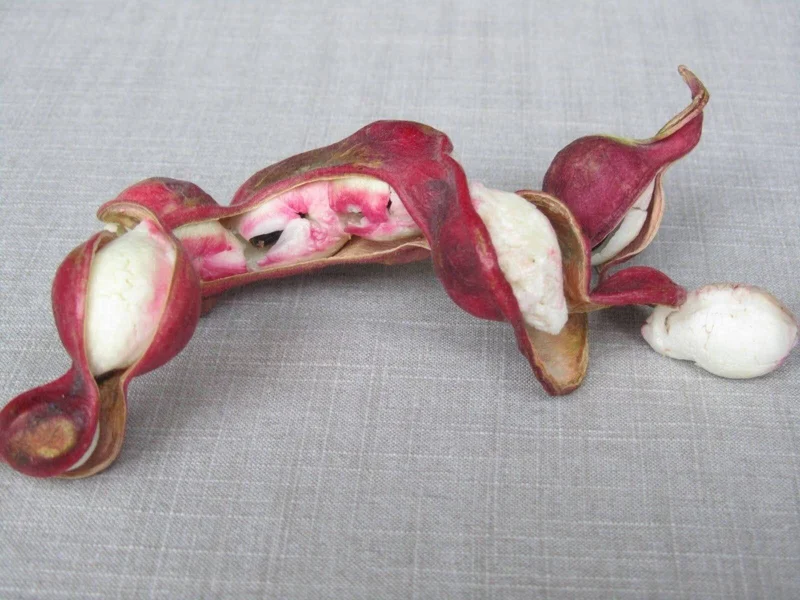
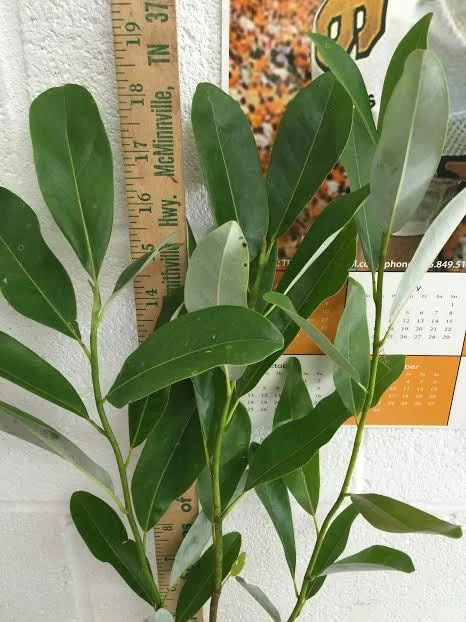
The Guamuchil live plant is native to Mexico, Central America, and northern South America, where it has been valued for centuries. It’s a fast-growing tree that can reach considerable heights, developing a spreading canopy. The foliage consists of delicate, bipinnate leaves, and it produces small, fragrant, greenish-white flowers that attract pollinators. These flowers are followed by the characteristic spirally coiled pods, which turn reddish-pink when ripe. Adding a Pithecellobium dulce tree to your landscape introduces a piece of tropical biodiversity that is both beautiful and beneficial.
Key Benefits
The Guamuchil live plant offers a multitude of benefits, making it a highly desirable tree for various landscapes and uses. Its unique characteristics contribute to its appeal and functionality.
- Edible Fruit Production: The primary draw for many is the delicious fruit. The spirally coiled pods contain a sweet-sour pulp that is enjoyed fresh, in drinks, and various culinary preparations. Growing your own Guamuchil live plant means fresh, organic access to this exotic treat.
- Drought Tolerance: Once established, the Pithecellobium dulce tree is incredibly drought-tolerant, making it an excellent choice for xeriscaping or gardens in arid and semi-arid regions. It requires minimal watering, conserving precious resources.
- Ornamental Value: With its graceful, spreading canopy and delicate foliage, the Guamuchil provides excellent shade and adds a distinctive tropical aesthetic to any landscape. Its unique pods also add visual interest.
- Fast Growth Rate: This tree grows relatively quickly, meaning you won’t have to wait long to enjoy its shade and fruit. A rapidly growing Guamuchil live plant can quickly establish itself as a prominent feature in your garden.
- Nitrogen Fixation: Like many legumes, the Guamuchil is a nitrogen-fixing tree, which means it enriches the soil around it, benefiting other plants in its vicinity. This natural fertilization contributes to a healthier garden ecosystem.
- Wildlife Attraction: The flowers attract bees and other pollinators, while the fruit is a food source for various birds and animals, enhancing local biodiversity.
- Low Maintenance: Beyond initial establishment, the Pithecellobium dulce tree requires relatively little care, making it suitable for busy gardeners.
Plant Care & Growing Tips
Caring for your Guamuchil live plant is relatively straightforward, especially once it’s established. This resilient tree thrives in warm climates and can tolerate a range of conditions, making it a good choice for many gardeners. When planting, choose a location that receives full sun, meaning at least 6-8 hours of direct sunlight per day. While it can tolerate some partial shade, abundant sunlight is crucial for optimal growth and fruit production. For best results, plant your Guamuchil live plant in a location with good air circulation to prevent fungal issues.
Watering should be consistent during the establishment phase, typically for the first year after planting. Water deeply once or twice a week, allowing the top few inches of soil to dry out between waterings. Once established, the Pithecellobium dulce tree is highly drought-tolerant and will require minimal supplemental irrigation, especially in regions with some rainfall. Overwatering can be detrimental, so ensure the soil drains well. The ideal soil type is well-draining, sandy or loamy soil, though it can adapt to various soil conditions, including poor soils, as long as drainage is adequate. It prefers slightly acidic to neutral pH levels.
The Guamuchil is a tropical to subtropical tree, hardy in USDA Zones 9-11. It can tolerate short periods of mild frost once mature, but young trees should be protected from freezing temperatures. Fertilization is not strictly necessary in most cases, especially if grown in reasonably fertile soil. However, if growth appears slow, a balanced, slow-release fertilizer can be applied in spring. Pruning can be done to shape the tree, remove dead or diseased branches, or manage its size. The sweet tamarind plant is generally pest and disease resistant, making it a low-fuss addition to your garden. Ensure proper spacing to allow for its mature size, as this Manila tamarind tree can develop a broad canopy.
Size & Details
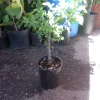
This offering is for one Guamuchil live plant, a vigorous and healthy specimen of Pithecellobium dulce tree. Each plant stands approximately 2 to 3 feet tall from the base of the pot to the tip of its highest branch, providing a substantial start for your new tree. It is carefully grown and shipped in a 3-gallon nursery pot, ensuring the root system is well-established and ready for transplanting into your garden or a larger container. The growth rate of the Guamuchil is considered fast, with young trees capable of adding several feet of height per year under optimal conditions. Expect it to develop into a medium to large-sized tree, eventually reaching heights of 30-50 feet with a similar spread, providing ample shade and fruit for many years.
The Guamuchil live plant is a long-lived species, offering decades of enjoyment. While the exact time to fruit production can vary, many trees begin to bear pods within 3-5 years of planting, especially when grown in ideal conditions. The mature tree will produce numerous spirally coiled pods, typically 4-6 inches long, filled with an edible white or pinkish pulp. This sweet tamarind plant is a fantastic investment for those looking to cultivate a unique fruit-bearing tree with significant ornamental appeal and ecological benefits.
Frequently Asked Questions
- Q: How big does this Guamuchil live plant get? A: This particular plant is 2-3 feet tall when shipped. Mature Pithecellobium dulce trees can reach heights of 30-50 feet with a similar spread, forming a broad canopy.
- Q: What size pot does it come in? A: Your Guamuchil live plant will arrive securely planted in a 3-gallon nursery pot, providing a strong root system for successful transplanting.
- Q: Is this an indoor or outdoor plant? A: The Guamuchil live plant is an outdoor tree, best suited for tropical and subtropical climates. It thrives in full sun and is hardy in USDA Zones 9-11. It can be grown in a large container indoors in colder climates, but it will require significant light and space.
- Q: How much sunlight does it need? A: This tree requires full sun, meaning at least 6-8 hours of direct sunlight per day, for optimal growth and fruit production.
- Q: Is this plant easy to care for? A: Yes, the Guamuchil live plant is considered low-maintenance once established. It’s drought-tolerant and generally resistant to pests and diseases, making it suitable for beginners.
- Q: What condition will it arrive in? A: Your Guamuchil live plant will arrive as a healthy, live specimen, carefully packaged in its 3-gallon pot to ensure minimal stress during transit.
- Q: Can I use the fruit of this sweet tamarind plant in cooking? A: Absolutely! The pods of the Pithecellobium dulce tree contain a sweet and tangy pulp that can be eaten fresh, used in drinks, or incorporated into various culinary dishes.
- Q: How long until it blooms and fruits? A: While growth rates vary, many Guamuchil live plants begin to flower and produce fruit within 3-5 years of planting when grown in ideal conditions.
- Q: Will this Manila tamarind tree survive winter in my zone? A: The Guamuchil is hardy in USDA Zones 9-11. If you live in a colder zone, you will need to provide protection from frost or consider growing it in a large container that can be moved indoors during winter.
- Q: What type of soil does it prefer? A: The Guamuchil live plant prefers well-draining, sandy or loamy soils but is adaptable to various soil types, provided there is good drainage.




Reviews
There are no reviews yet.