Overview
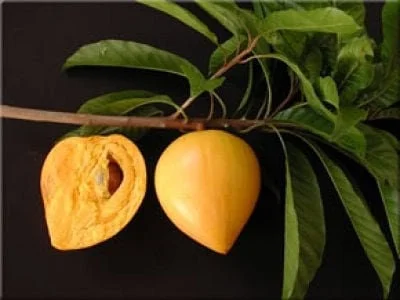
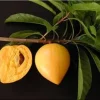
Bring the taste of the tropics to your home with this magnificent canistel live plant. Standing an impressive 3 to 4 feet tall and shipped in a sturdy 7-gallon pot, this tropical fruit tree is ready to establish itself in your garden or a large container. The canistel, scientifically known as Pouteria campechiana, is native to Southern Mexico and Central America and is highly prized for its unique, rich, and sweet fruit. Often referred to as ‘eggfruit’ due to its bright yellow-orange flesh and custard-like texture, this plant offers both ornamental beauty and delicious, nutritious produce. Growing your own canistel fruit tree allows you to enjoy fresh, organic fruit right from your backyard, providing a sustainable and rewarding gardening experience.
This vigorous specimen is carefully nurtured to ensure a strong root system and healthy foliage, promising a robust start in its new environment. With its glossy green leaves and potential for attractive yellow flowers, the canistel live plant is not just a fruit producer but also a beautiful addition to any landscape. It thrives in warm, tropical, and subtropical climates, making it an excellent choice for zones where citrus and other tropical fruits flourish. Prepare to harvest your own delectable canistel fruits, perfect for eating fresh, blending into smoothies, or incorporating into desserts.
Key Benefits
Beyond its delicious fruit, the canistel live plant offers a multitude of benefits for both the gardener and the environment. Its unique characteristics make it a standout choice for tropical fruit enthusiasts.
Exotic Fruit Production: Enjoy fresh, sweet canistel fruits with a distinctive custardy texture, often likened to cooked egg yolk, right from your own canistel fruit tree. These fruits are a good source of vitamins A and C, and provide essential nutrients.
Ornamental Appeal: With its attractive, glossy green leaves and potential for fragrant flowers, the pouteria campechiana plant adds a lush, tropical aesthetic to your garden or patio, enhancing its visual appeal year-round.
Sustainable Gardening: Growing your own fruit trees promotes self-sufficiency and reduces reliance on store-bought produce, contributing to a more sustainable lifestyle and ensuring you know exactly where your food comes from.
Unique Culinary Uses: The versatile canistel fruit can be enjoyed fresh, blended into shakes, used in pies, or even made into a vegan ‘egg’ scramble, offering a range of culinary possibilities beyond typical fruits.
Adaptable Growth: While preferring tropical conditions, the eggfruit tree can be grown in large containers in cooler climates, allowing it to be moved indoors during colder months, making it accessible to more gardeners.
Low Maintenance: Once established, the canistel live plant is relatively low-maintenance, requiring consistent watering and occasional feeding, but generally resistant to many common pests and diseases.
Plant Care & Growing Tips
Ensuring your canistel live plant thrives requires understanding its specific needs, especially regarding light, water, and soil. Canistel trees are tropical plants and prefer warm, humid conditions. They perform best in full sun, meaning at least 6-8 hours of direct sunlight per day. If you are growing your canistel fruit tree in a container in a cooler climate, position it in the sunniest spot available and consider bringing it indoors or providing protection during cold snaps.
Watering is crucial for young canistel plants. Keep the soil consistently moist but never waterlogged. Allow the top inch or two of soil to dry out slightly between waterings. Mature trees are more drought-tolerant but will produce better fruit with regular irrigation, especially during dry periods and fruit development. Good drainage is paramount; the tree dislikes having ‘wet feet’. For optimal growth, feed your pouteria campechiana plant with a balanced, slow-release fertilizer designed for tropical fruit trees, following the manufacturer’s instructions, typically every 2-3 months during the growing season. Protect the tree from temperatures below 30°F (-1°C) as it is susceptible to frost damage. Young trees are particularly vulnerable and may require covering or moving indoors.
Regarding canistel care, pruning is generally minimal, focused on removing dead, damaged, or crossing branches to maintain good air circulation and shape. While the eggfruit tree is relatively pest-resistant, keep an eye out for common garden pests like aphids or scale insects and address them with organic pest control methods if necessary. Providing adequate space for root development, especially when planting in the ground, will encourage a strong and productive tree. This beautiful and fruitful plant will reward your efforts with its unique flavor and tropical charm.
Size & Details
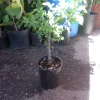
This offering is for a robust canistel live plant, measuring approximately 3 to 4 feet in height from the base of the pot to the top of the foliage. It is shipped securely in a 7-gallon nursery container, providing ample space for its well-developed root system and ensuring a healthy transition to your garden or larger pot. Canistel trees are known for their moderate growth rate, eventually reaching heights of 20-30 feet in ideal conditions when planted in the ground, though they can be kept smaller with regular pruning in containers.
The tree will arrive with healthy, vibrant green leaves, indicative of its excellent condition. Expect your canistel fruit tree to begin producing fruit within a few years of planting, depending on environmental conditions and care. The fruit season typically varies but often occurs in late fall through spring. Each fruit is typically 2-5 inches long, ripening to a distinctive yellow-orange color. This plant is a fantastic investment for anyone looking to cultivate unique, delicious tropical fruits at home.
Frequently Asked Questions
Q: How big does this canistel live plant get? A: This particular plant is 3 to 4 feet tall when shipped. When planted in the ground, a mature canistel tree can reach heights of 20-30 feet, but its size can be managed with pruning if grown in a container.
Q: What size pot does it come in? A: The canistel live plant is shipped in a sturdy 7-gallon nursery pot, providing a good foundation for its root system and continued growth.
Q: Is this an indoor or outdoor plant? A: The canistel fruit tree is a tropical plant best suited for outdoor cultivation in USDA Zones 9-11. In cooler climates, it can be grown in a large container and moved indoors during winter months.
Q: How much sunlight does it need? A: A pouteria campechiana plant thrives in full sun, requiring at least 6-8 hours of direct sunlight daily for optimal growth and fruit production.
Q: Is this plant easy to care for? A: Once established, canistel care is relatively straightforward. It requires consistent watering, well-draining soil, and protection from frost, making it suitable for gardeners with some experience in tropical plants.
Q: What condition will it arrive in? A: Your canistel live plant will arrive well-packaged, with healthy foliage and a strong root system, ready for planting. We take great care to ensure safe transit.
Q: Is it shipped in soil? A: Yes, the plant is shipped in its original 7-gallon nursery pot with its soil, ensuring minimal disturbance to the root system during transit.
Q: What does canistel fruit taste like? A: The fruit of the eggfruit tree has a unique sweet, custardy flavor, often compared to a cooked egg yolk, pumpkin, or sweet potato, with a smooth, somewhat dry texture.
Q: How long until it blooms or fruits? A: A 3-4 foot tall canistel plant is typically a few years old and may begin to flower and fruit within 1-3 years of planting, depending on growing conditions and care.
Q: What’s the minimum temperature this plant can tolerate? A: The canistel live plant is sensitive to cold and should be protected from temperatures below 30°F (-1°C) to prevent damage or death.



Reviews
There are no reviews yet.