Overview
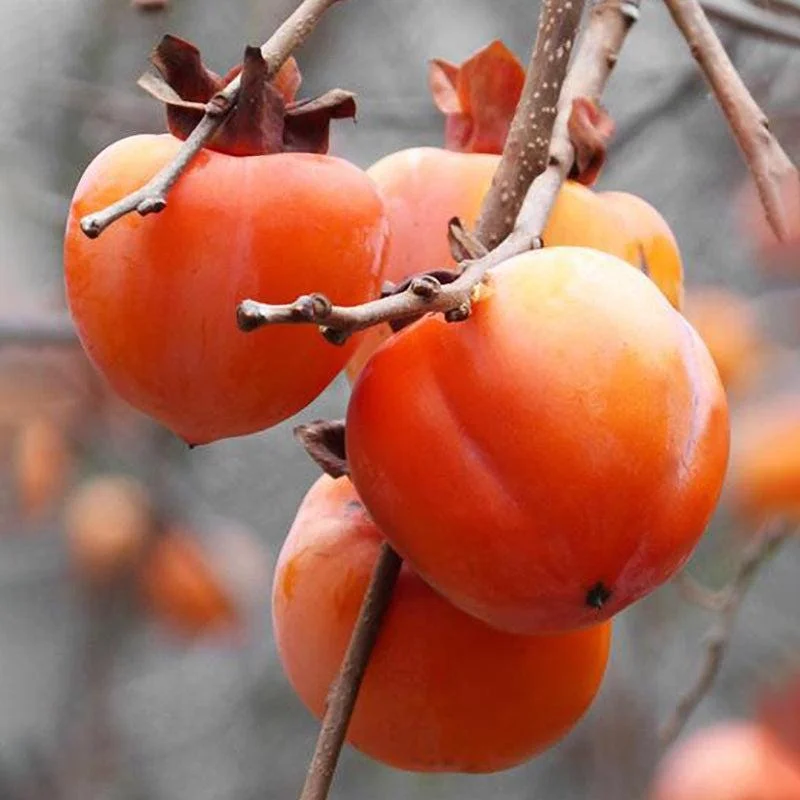
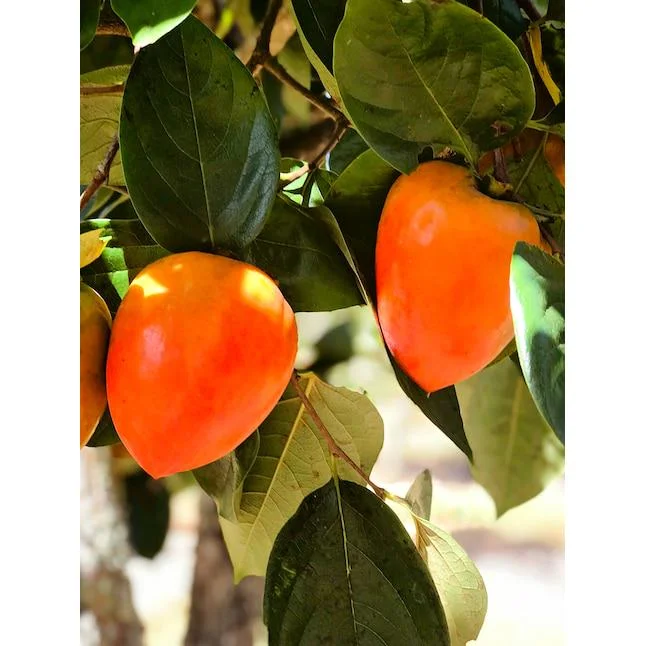
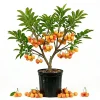
Indulge in the delight of homegrown fruit with our exceptional hachiya persimmon tree. This vigorous live plant, standing an impressive 3-4 feet tall, is ready to establish itself in your garden and bring years of delicious harvests. Hachiya persimmons are renowned for their distinctive heart shape and rich, sweet flavor once fully ripened. Unlike some other varieties, the Hachiya persimmon is an astringent type that becomes wonderfully soft and non-astringent when ripe, making it perfect for a wide range of culinary uses. This persimmon live plant is an excellent choice for home gardeners looking for a unique and rewarding fruit tree that combines ornamental beauty with abundant, tasty fruit production.
Growing your own fruit trees offers immense satisfaction, and this bare root hachiya persimmon tree is an ideal way to start. It’s a fantastic long-term investment for any edible landscape, providing not only delicious fruit but also attractive foliage throughout the growing season. Whether you’re an experienced horticulturist or a budding gardener, this tree offers a straightforward path to enjoying fresh, high-quality persimmons right from your backyard. Prepare to transform your garden into a productive orchard with this beautiful and fruitful addition.
Key Benefits
Adding a hachiya persimmon tree to your landscape offers a multitude of benefits, from its aesthetic appeal to its bountiful harvest. This hardy fruit tree is a valuable asset for any home garden, providing both beauty and functionality.
- Delicious, Versatile Fruit: Enjoy the rich, sweet, and unique flavor of Hachiya persimmons. Once soft and ripe, they are non-astringent and perfect for eating fresh, baking into breads and desserts, making jams, or drying for a healthy snack.
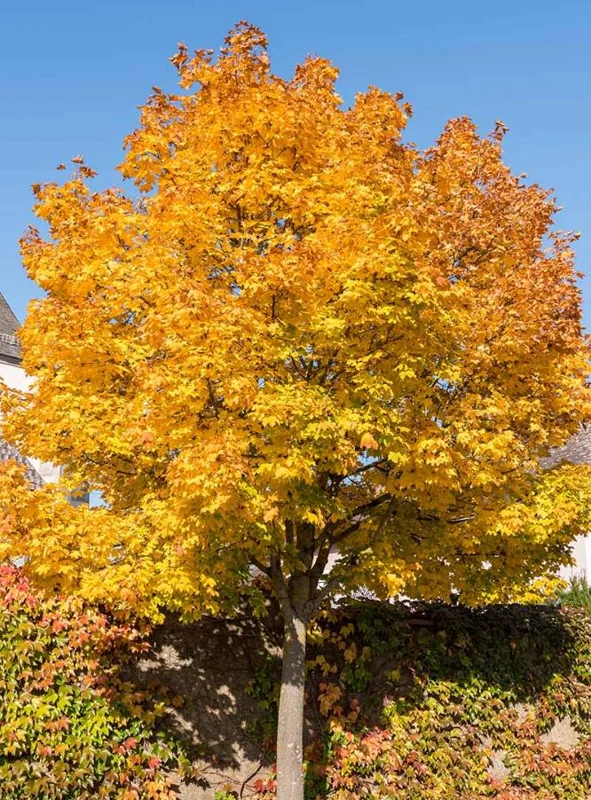
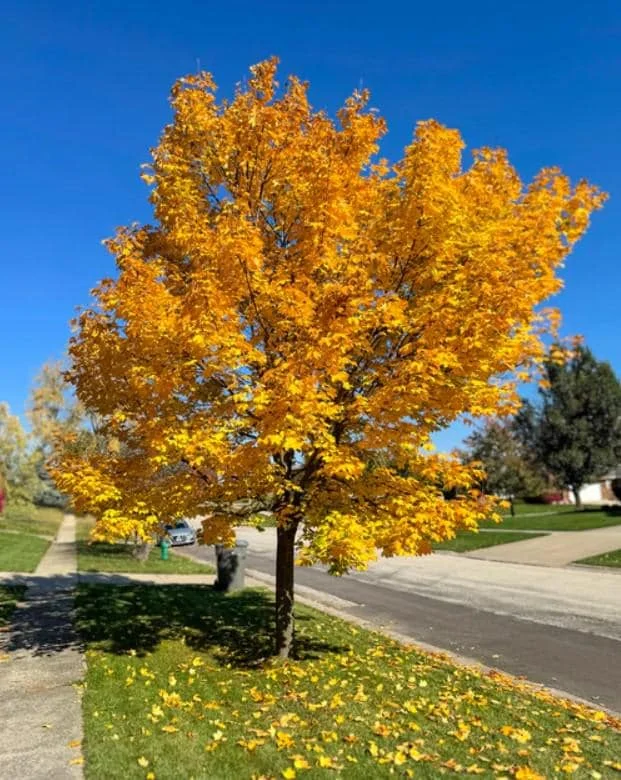
- Ornamental Value: Beyond its fruit, the persimmon live plant offers attractive dark green foliage that turns vibrant shades of orange and red in the fall, adding seasonal interest to your garden before dropping its leaves to reveal the remaining orange fruits, creating a stunning winter display.
- Easy to Grow: Hachiya persimmon trees are relatively low-maintenance once established, making them suitable for gardeners of all experience levels. They are known for their resilience and adaptability to various soil conditions.
- High Yield Potential: A mature hachiya fruit tree can produce a significant amount of fruit, ensuring a generous harvest for you and your family to enjoy, often starting within a few years of planting.
- Health Benefits: Persimmons are packed with vitamins A and C, fiber, and antioxidants, making them a healthy addition to your diet. Growing your own ensures pesticide-free, fresh produce.
- Long-Lived: With proper care, a persimmon tree can be a long-term fixture in your garden, providing decades of fruit and beauty. It’s an investment that pays dividends year after year.
- Unique Culinary Ingredient: Explore new recipes and culinary creations with this distinctive fruit. The sweet, custardy flesh of a ripe non-astringent persimmon is unlike any other.
Plant Care & Growing Tips
Ensuring your hachiya persimmon tree thrives requires attention to a few key care practices. These trees are generally robust, but providing optimal conditions will lead to the best fruit production and overall health. Plant your tree in a location that receives full sun, meaning at least 6-8 hours of direct sunlight per day. Good air circulation is also beneficial to prevent fungal diseases. Dig a hole twice as wide as the root ball and just as deep, ensuring the top of the root ball is level with the ground. Backfill with native soil, gently tamping to remove air pockets, and water thoroughly.
When it comes to watering, young persimmon live plant specimens need consistent moisture, especially during dry spells. Water deeply once or twice a week, allowing the top few inches of soil to dry out slightly between waterings. Established trees are more drought-tolerant but will benefit from supplemental watering during prolonged dry periods, particularly when fruit is developing. Fertilize your hachiya fruit tree in early spring with a balanced slow-release fertilizer formulated for fruit trees. Avoid over-fertilizing, especially with high-nitrogen formulas, as this can promote leafy growth at the expense of fruit production. Pruning should be done in late winter or early spring while the tree is dormant. Focus on removing dead, damaged, or crossing branches, and thin out overcrowded areas to improve light penetration and air circulation, which is crucial for growing persimmon tree successfully.
Hachiya persimmons are generally hardy in USDA Zones 7-10. They prefer well-draining soil with a pH between 6.0 and 7.0. While they can tolerate a range of soil types, sandy loam is ideal. Protect young trees from harsh winter winds if you are in a colder part of their hardiness range. Watch out for common pests like scale insects and mealybugs, and diseases such as anthracnose or powdery mildew. Good cultural practices, such as proper spacing and sanitation, are your first line of defense. Promptly address any issues to maintain the health and vigor of your non-astringent persimmon tree.
Size & Details
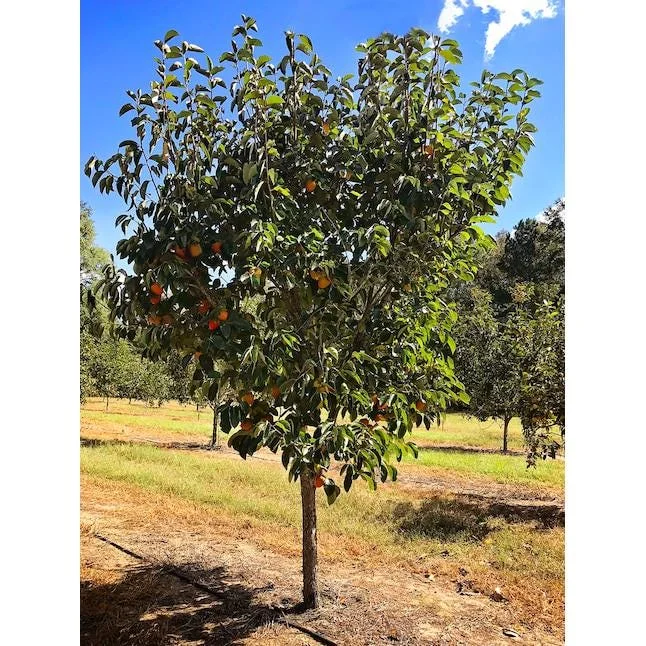
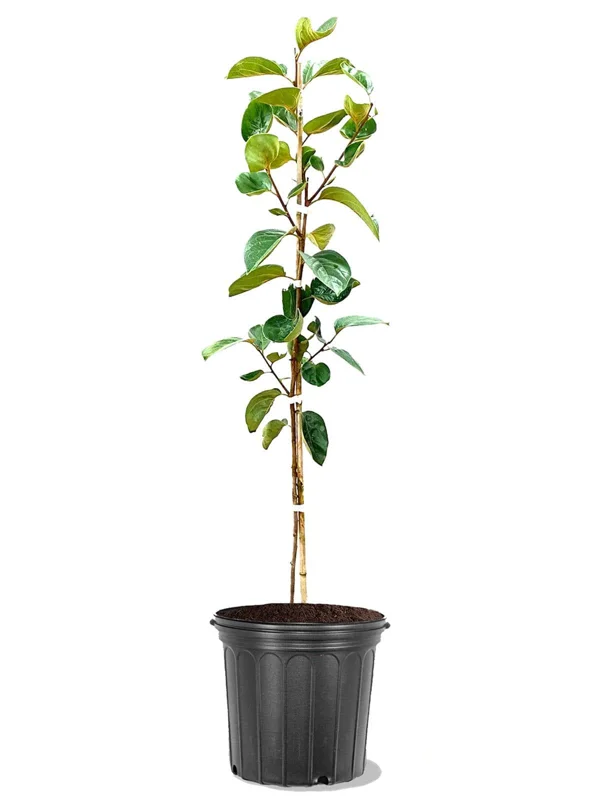
This offering is for one hachiya persimmon tree, standing approximately 3-4 feet tall from the base of the root ball to the tip of the highest branch. It arrives in a 3-gallon nursery container, providing a well-established root system ready for planting. Hachiya persimmons typically grow to a mature height of 20-30 feet with a spread of 15-20 feet, though they can be kept smaller with regular pruning. They have a moderate growth rate, usually adding 1-2 feet per year once established. Expect fruit production to begin within 3-5 years of planting, with increasing yields as the tree matures. This persimmon live plant is typically shipped during its dormant season or with appropriate protection during warmer months to ensure its safe arrival.
The tree will be carefully packaged to minimize stress during transit, ensuring it arrives in optimal condition, ready for its new home. The 3-gallon pot size provides a robust starting point, giving the tree a strong foundation for rapid establishment in your garden. With its potential for significant height and spread, ensure you choose a planting location that can accommodate its mature size, allowing ample space for roots and canopy development. This hachiya fruit tree promises to be a long-term, fruitful addition to your landscape.
Frequently Asked Questions
- Q: How big does this Hachiya persimmon tree get at maturity? A: A mature hachiya persimmon tree typically reaches a height of 20-30 feet and a spread of 15-20 feet. Regular pruning can help manage its size if you have limited space.
- Q: What size pot does it come in? A: This persimmon live plant is shipped in a 3-gallon nursery container, providing a healthy root system for successful transplanting into your garden.
- Q: Is this an indoor or outdoor plant? A: This is an outdoor fruit tree. Hachiya persimmon trees require full sun and are best suited for planting in a garden or orchard setting.
- Q: How much sunlight does a Hachiya persimmon tree need? A: For optimal fruit production and health, a hachiya fruit tree needs at least 6-8 hours of direct sunlight per day, ideally full sun exposure.
- Q: Is this tree easy to care for, especially for beginners? A: Yes, Hachiya persimmon trees are considered relatively easy to care for once established. They are quite resilient, making them a good choice for those interested in growing persimmon tree.
- Q: What condition will the tree arrive in? A: The tree will be carefully packaged to ensure it arrives in the best possible condition, ready for planting. It will have a well-developed root system within its 3-gallon pot.
- Q: How long until it starts producing fruit? A: You can typically expect your hachiya persimmon tree to begin producing fruit within 3-5 years after planting, with yields increasing as the tree matures.
- Q: When is the best time to plant a Hachiya persimmon tree? A: The best time to plant a persimmon live plant is typically in late winter or early spring, after the last hard frost, or in early fall in warmer climates.
- Q: Will this non-astringent persimmon tree survive winter in my zone? A: Hachiya persimmon trees are generally hardy in USDA Zones 7-10. If you are in zone 6 or below, winter protection may be necessary.
- Q: What’s the minimum temperature this tree can tolerate? A: This hachiya persimmon tree can generally tolerate temperatures down to around 0°F to 10°F (-18°C to -12°C) once established, depending on the specific cultivar and duration of cold.



Reviews
There are no reviews yet.