Overview
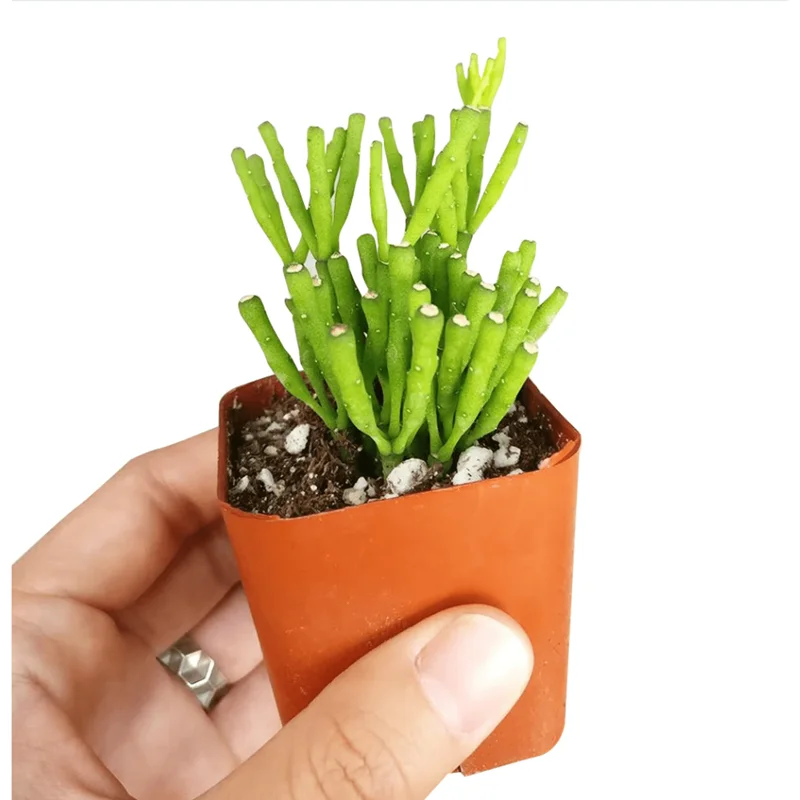
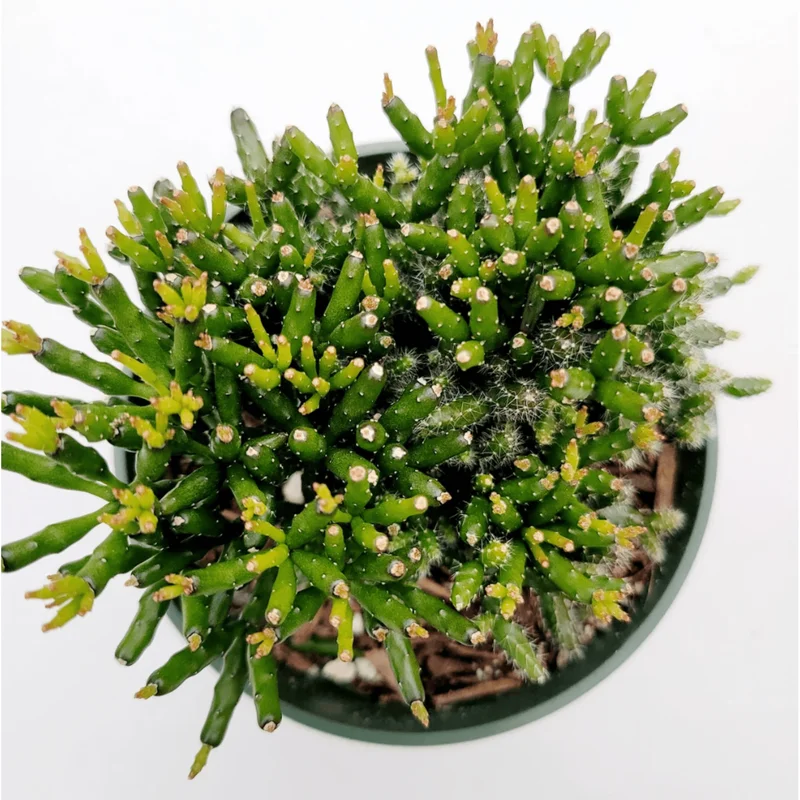
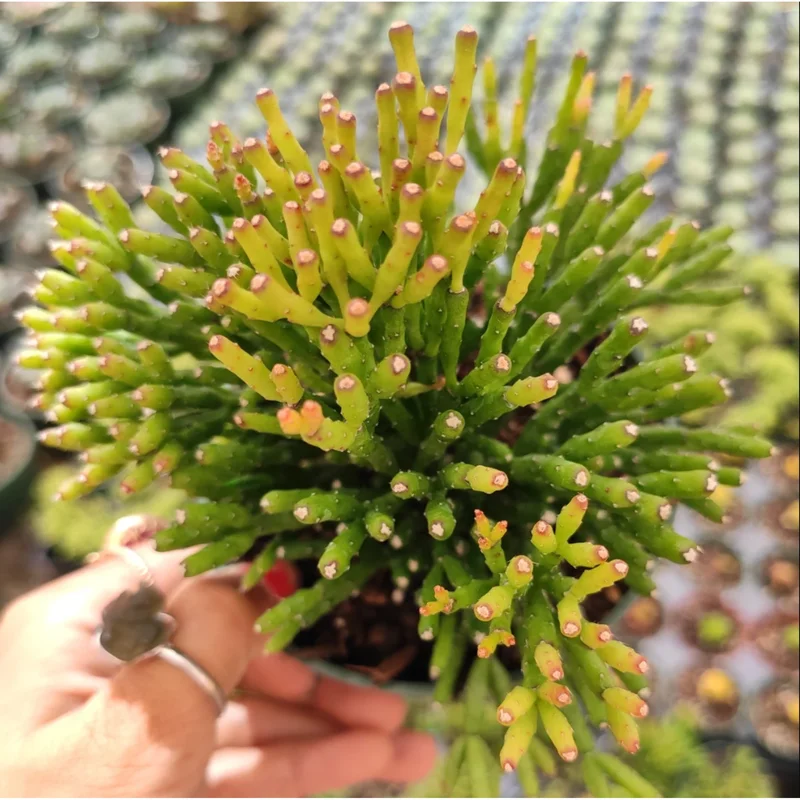
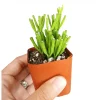
Introduce a truly captivating botanical specimen to your collection with the dancing bones succulent live plant, scientifically known as Hatiora Salicornioides ‘Dancing Bones’. This distinctive succulent, often referred to as ‘Dancing Bones’ or ‘Drunkard’s Dream’, is a remarkable epiphyte native to Brazil, known for its intricate, segmented stems that create a mesmerizing, architectural display. Unlike typical arid-dwelling succulents, this unique plant thrives in humid conditions and bright, indirect light, making it a versatile choice for various indoor settings. Each dancing bones succulent live plant arrives in a 2 inch pot, ready to bring its playful form and vibrant green hues to your home, office, or covered outdoor space. Its intriguing appearance makes it a fantastic conversation starter and a favorite among collectors seeking a unique succulent for home decor. This easy-care plant is a testament to nature’s artistry, offering beauty with minimal fuss.
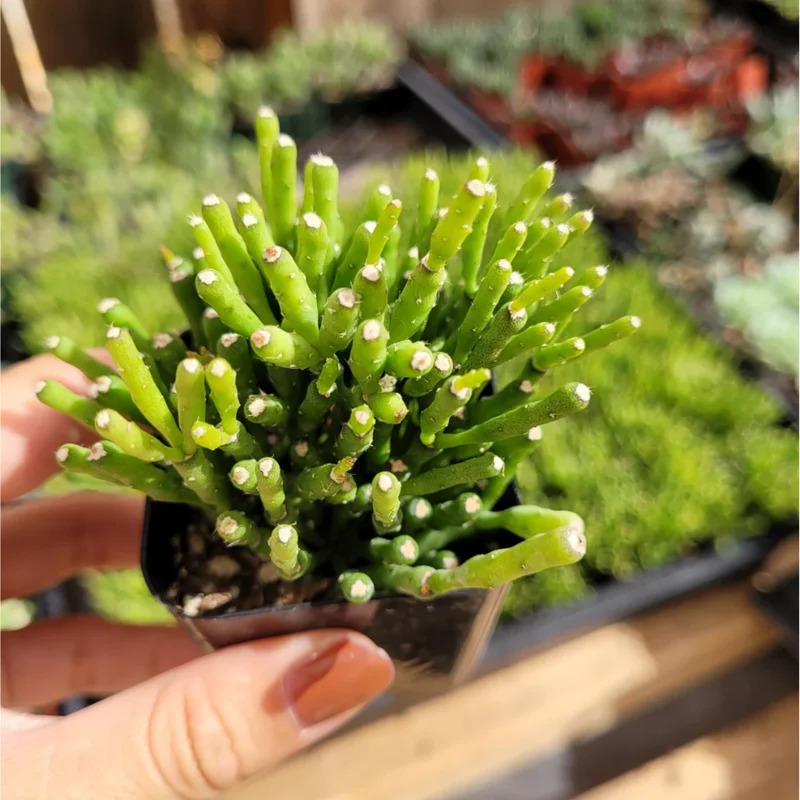
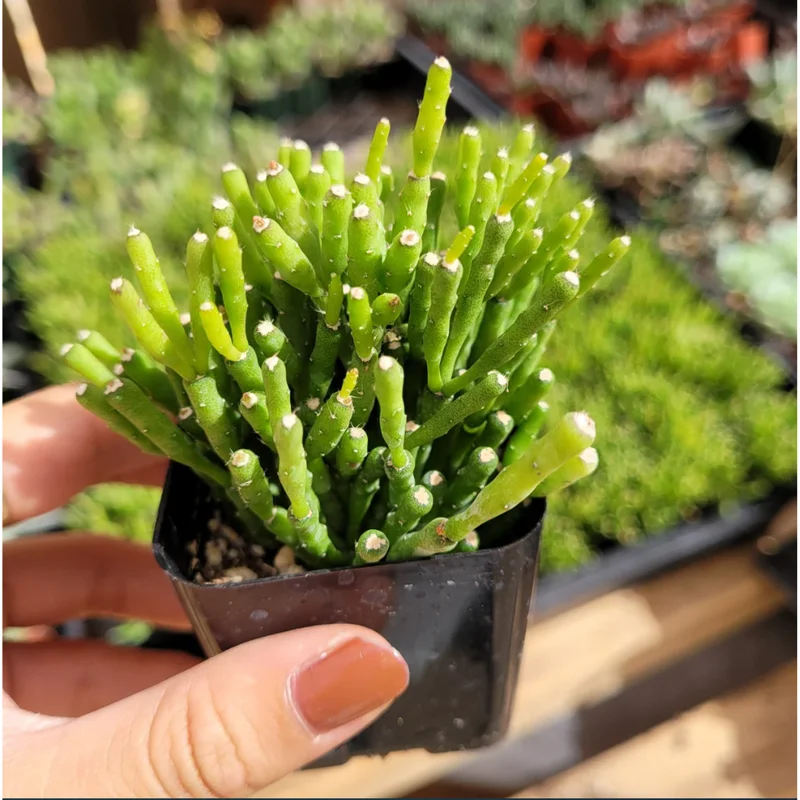
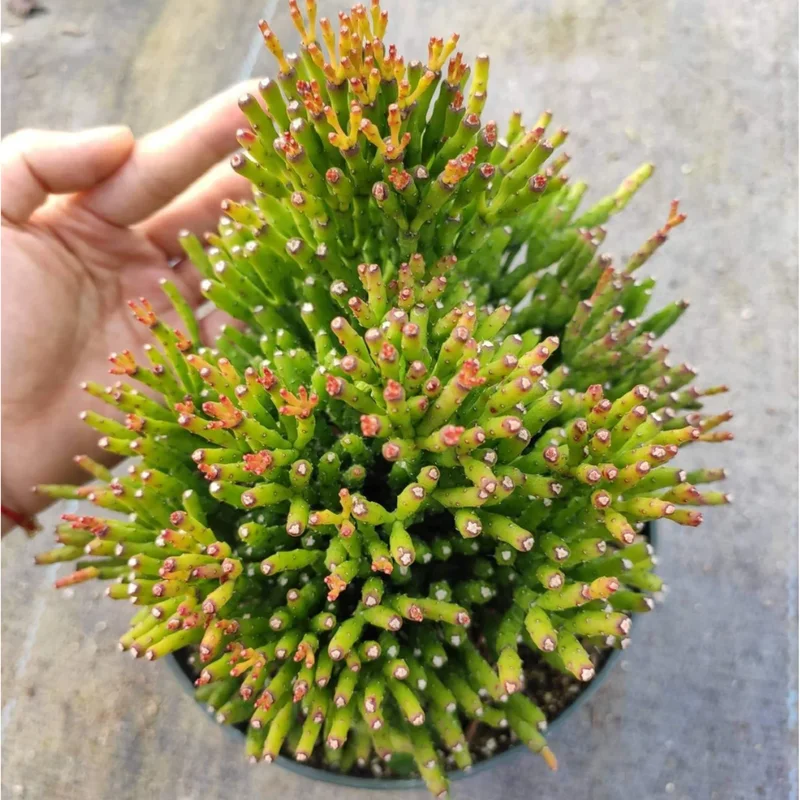
The Hatiora Salicornioides ‘Dancing Bones’ is a fantastic choice for those looking to add a touch of the extraordinary to their plant collection. Its branch-like segments, resembling tiny bottles or bones, grow in an upright and then cascading manner, eventually forming dense clumps. This particular variety is cherished for its ability to adapt to indoor environments, providing year-round visual interest. When mature, it can produce small, delicate yellow-orange flowers at the tips of its stems, adding another layer of charm. Whether you’re a seasoned plant parent or just starting your green journey, this dancing bones succulent live plant offers an accessible entry into the world of exotic and beautiful flora.
Key Benefits
The dancing bones succulent live plant offers a multitude of benefits, making it an excellent choice for any plant enthusiast. Its unique appearance and easy-care nature combine to create a truly rewarding experience.
- Striking Visual Appeal: The Hatiora Salicornioides ‘Dancing Bones’ boasts an unparalleled, sculptural form with its segmented, branch-like stems that truly live up to its ‘Dancing Bones’ moniker. It adds immediate architectural interest and a modern aesthetic to any room.
- Low Maintenance: This drought tolerant succulent is incredibly forgiving, requiring minimal watering and attention once established. It’s an ideal choice for busy individuals or those new to plant care.
- Versatile Decor Piece: Its compact size and unique growth habit make it perfect for shelves, desks, windowsills, or hanging baskets, enhancing both indoor and covered outdoor living spaces.
- Air Purifying Qualities: Like many houseplants, the dancing bones succulent live plant contributes to improved indoor air quality by absorbing toxins and releasing oxygen, promoting a healthier environment.
- Conversation Starter: Its distinctive and playful appearance is sure to catch the eye of guests, making it a fantastic focal point and an interesting topic of discussion.
- Drought Tolerance: While it appreciates more humidity than desert succulents, its inherent drought tolerance means it can withstand periods of neglect, making it resilient and easy to keep.
- Non-Toxic: This plant is generally considered non-toxic to pets and humans, making it a safer option for homes with curious animals or small children.
Plant Care & Growing Tips
Caring for your dancing bones succulent live plant is straightforward, ensuring it thrives with minimal effort. This plant, while a succulent, prefers conditions slightly different from its desert-dwelling cousins, favoring a more humid environment. For optimal growth, provide bright, indirect light. A north- or east-facing window is often ideal, or a spot a few feet away from a south- or west-facing window. Direct, harsh sunlight can scorch its delicate stems, so protect it from intense afternoon sun. This resilient plant is relatively easy to propagate from stem cuttings, allowing you to expand your collection or share with friends.
When it comes to watering, the key is moderation. Allow the top inch or two of soil to dry out completely between waterings, then water thoroughly until it drains from the bottom. Avoid letting the plant sit in standing water, as this can lead to root rot. A well-draining soil mix is crucial; a standard cactus or succulent mix amended with some extra perlite or pumice will provide the ideal drainage. The Hatiora Salicornioides ‘Dancing Bones’ prefers temperatures between 60-75°F (15-24°C) and can tolerate slightly cooler temperatures but should be protected from freezing. It benefits from higher humidity, so occasional misting or placing it near a humidifier can be beneficial, especially in dry indoor environments. Fertilize sparingly during the growing season (spring and summer) with a balanced liquid fertilizer diluted to half strength. Keep an eye out for common pests like mealybugs, and address them promptly with insecticidal soap if they appear. Understanding hatiora salicornioides care is key to a flourishing plant.
Size & Details
This offering features one dancing bones succulent live plant, Hatiora Salicornioides ‘Dancing Bones’, delivered in a 2 inch nursery pot. At this size, the plant is young but well-established, typically featuring multiple segmented stems that are beginning to cascade. The average height of the plant at shipment ranges from 3 to 5 inches, with a similar spread, making it a perfect starter size for a desk, shelf, or small planter. The growth rate is moderate, and with proper hatiora salicornioides care, it can eventually grow into a lush specimen, with stems reaching up to 2 feet in length, creating a beautiful trailing effect. It is shipped as a live, rooted plant, carefully packaged to ensure its safe arrival. Expect vibrant green stems; however, under certain light conditions, some stems may develop a reddish tint, adding to its visual interest. This indoor succulent plant is a perfect addition to any collection.
Frequently Asked Questions
- Q: How big does this dancing bones succulent get? A: The dancing bones succulent live plant you receive will be in a 2 inch pot, typically 3-5 inches tall. With proper care, its stems can eventually trail up to 2 feet in length, forming a dense, bushy plant.
- Q: Is this an indoor or outdoor plant? A: This dancing bones succulent live plant is primarily an indoor succulent plant. It can be grown outdoors in shaded, protected areas in warm climates (USDA zones 10-11) but should be brought inside if temperatures drop below 50°F (10°C).
- Q: How much sunlight does it need? A: The Hatiora Salicornioides ‘Dancing Bones’ prefers bright, indirect light. Avoid direct, intense sunlight, which can cause scorching. A north or east-facing window is ideal, or a spot with filtered light.
- Q: Is this plant easy to care for? A: Yes, the dancing bones succulent live plant is considered low-maintenance and is suitable for beginners. Its drought tolerant succulent nature means it doesn’t require frequent watering, and it’s generally resilient.
- Q: What condition will it arrive in? A: Your plant will arrive as a healthy, rooted live plant in a 2 inch nursery pot, carefully packaged to minimize stress during transit. Some soil may shift during shipping, but this is normal.
- Q: How often should I water my Hatiora Salicornioides? A: Water thoroughly when the top 1-2 inches of soil are dry. Allow the soil to dry out between waterings to prevent root rot. This plant appreciates more humidity than desert succulents.
- Q: What kind of soil is best for this unique succulent for home? A: A well-draining cactus or succulent potting mix is ideal. You can enhance drainage by adding perlite or pumice to a standard potting mix.
- Q: Is the Hatiora Salicornioides ‘Dancing Bones’ pet-safe? A: Yes, this plant is generally considered non-toxic to pets and humans, making it a safe choice for homes with animals or small children.
- Q: Does this succulent flower? A: Yes, mature dancing bones succulent live plant specimens can produce small, delicate yellow-orange flowers at the tips of their segments, typically in late winter or early spring.
- Q: Will it survive winter in my zone? A: If you live in USDA zones 10-11, it can survive mild winters outdoors in a protected spot. In colder zones, it must be brought indoors before temperatures drop below 50°F (10°C) to protect it from frost.



Reviews
There are no reviews yet.