Overview
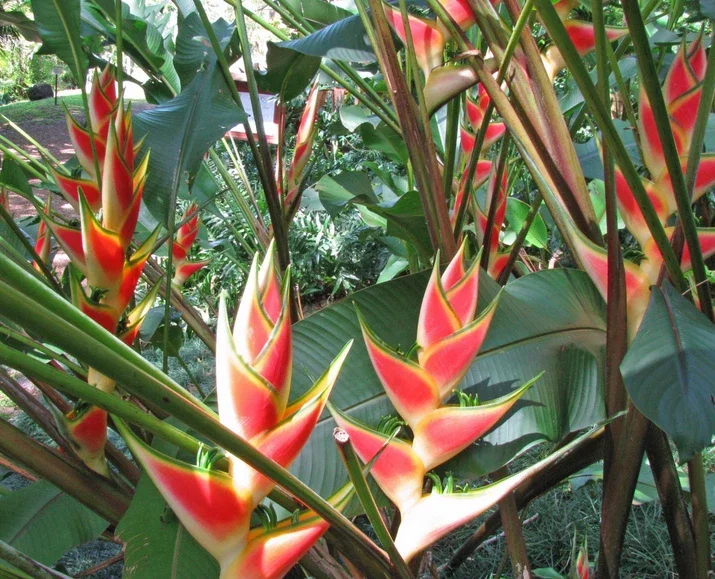
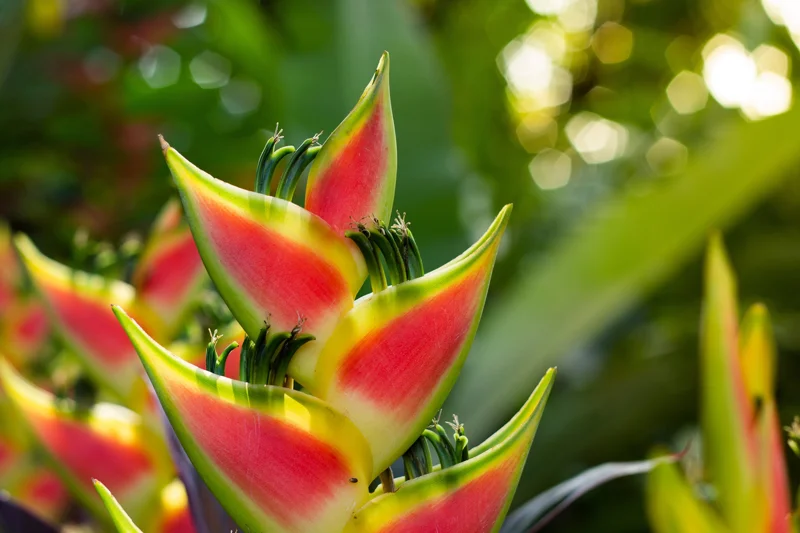
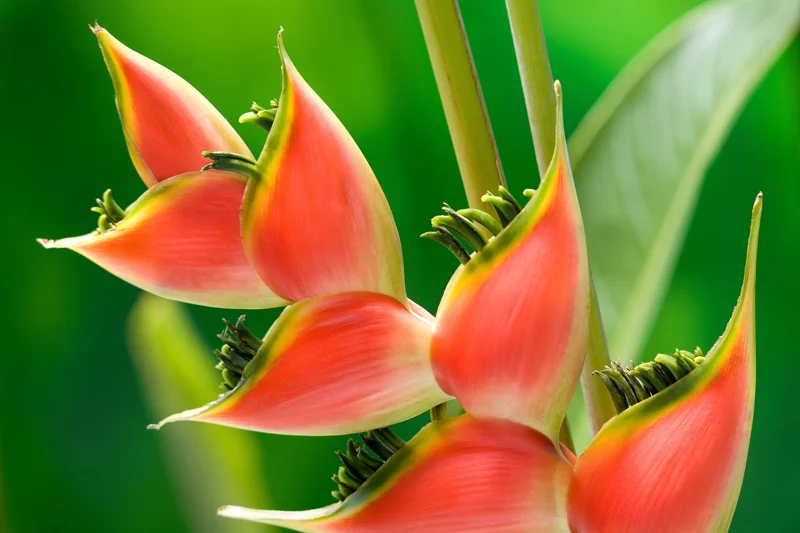
Introduce exotic splendor to your garden or indoor space with a Heliconia Wagneriana rhizome. This remarkable tropical plant, often referred to as False Bird of Paradise plant or Lobster Claw Heliconia, is cherished for its vivid, architecturally striking inflorescences that resemble lobster claws. Originating from the tropical Americas, Heliconia wagneriana is a showstopper, growing vigorously in suitable conditions to produce lush green foliage and spectacular, long-lasting blooms. Cultivating this plant from a rhizome offers a rewarding experience, allowing you to witness its transformation from a humble root to a magnificent botanical specimen. Whether you’re an experienced gardener or just starting, growing Heliconia provides a unique opportunity to create a stunning focal point.
Heliconia wagneriana thrives in warm, humid environments, making it an excellent choice for tropical and subtropical gardens, or as a potted plant in cooler regions where it can be brought indoors during winter. Its dramatic appearance makes it a popular choice for vibrant landscape designs and as a cut flower. The rhizome you receive is ready for planting, offering the promise of a beautiful, established plant that will enhance any setting with its unparalleled beauty and tropical charm. This tropical plant rhizome is a fantastic way to expand your plant collection with a truly unique and eye-catching species.
Key Benefits
The Heliconia Wagneriana rhizome offers numerous benefits for gardeners looking to add a touch of the tropics to their environment. Its unique characteristics make it a highly desirable plant.
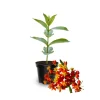
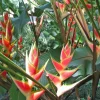
- Stunning Visual Appeal: The most striking feature of the Heliconia wagneriana is its vibrant, intricate inflorescences. These ‘lobster claws’ come in brilliant shades of red, orange, and yellow, creating an immediate focal point in any garden or indoor setting. They are truly unlike any other bloom.
- Excellent Cut Flowers: The long-lasting and exotic blooms of the False Bird of Paradise plant are highly prized in floral arrangements. They add a dramatic and sophisticated touch to bouquets and centerpieces, staying fresh for an extended period.
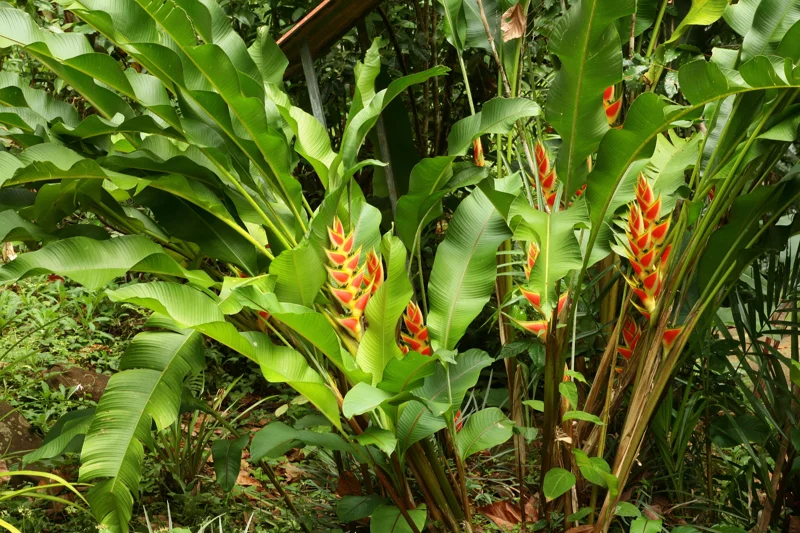
- Tropical Ambiance: Even when not in bloom, the large, banana-like leaves of the Heliconia wagneriana evoke a lush, tropical feel. It effortlessly transforms any space into a serene, exotic retreat, perfect for creating a resort-like atmosphere.
- Relatively Low Maintenance: Once established, this Lobster Claw Heliconia requires consistent moisture and warmth but is generally forgiving. With proper siting and care, it will flourish and reward you with its magnificent presence year after year.
- Attracts Pollinators: The vibrant flowers are a magnet for hummingbirds and other nectar-feeding birds, bringing lively activity and natural beauty to your garden.
- Versatile Growth: Can be grown directly in the ground in warm climates or successfully cultivated in large containers, allowing for portability and protection in colder regions. This makes tropical plant rhizome an adaptable choice for many gardeners.
- Good for Privacy Screens: The plant’s vigorous growth and large leaves can quickly form an effective and beautiful natural screen, adding privacy to your outdoor living spaces.
Plant Care & Growing Tips
Successfully growing Heliconia from a rhizome requires attention to specific environmental conditions and planting techniques. Upon receiving your Heliconia Wagneriana rhizome, it’s crucial to plant it as soon as possible. Always begin by planting the rhizome in a pot. Position the rhizome with the top (where leaf stems or new shoots/buds point upwards) no more than 3-4 cm below the soil surface. Any new shoots or larger buds should be visible above the soil line. You can often discern the previous soil line on the rhizome itself. Avoid planting too deeply, as this can lead to fungal issues and root rot. Freshly planted rhizomes need ample oxygen for root development; overly dense or wet planting medium can be detrimental. After initial planting, water thoroughly, then allow the soil to dry slightly before watering again. Maintain consistent moisture, but ensure the soil is never soggy, especially as new shoots emerge and leaves begin to unfurl.
For optimal growth, provide a warm, sunny location. If planting in containers, choose pots at least 10 to 15 cm wider than the rhizome to allow for future growth. Once leaves have unfolded, the plant can be transplanted into the ground if desired, ensuring the new location also has well-drained soil. In some cases, the main stem of the rhizome may brown as it channels energy into developing new rhizomes. This is a natural process. You’ll eventually observe new rhizomes appearing on the sides. At this point, if you plan to, it’s an ideal time to move your plants into the ground. A slow-release fertilizer is beneficial during the initial growth phase. Established plants will require more frequent fertilization and consistent watering to support their larger size and more abundant blooms. The False Bird of Paradise plant thrives in temperate to warm climates with medium humidity. In colder regions, it can be successfully grown in greenhouses. Heliconia is adaptable to various soil types, including acidic, alkaline, clayey, silty, and sandy substrates, as long as drainage is adequate.
Size & Details
This offering includes one dormant tropical plant rhizome of Heliconia wagneriana, ready for planting. The rhizome is typically several inches long and wide, containing the stored energy necessary for robust growth. Once planted and established, the Heliconia Wagneriana rhizome will develop into a mature plant that can reach heights of 6 to 15 feet (1.8 to 4.5 meters) in ideal conditions, with a spread of 3 to 6 feet (0.9 to 1.8 meters). The vibrant inflorescences can be quite large, adding significant visual impact. This plant exhibits a medium to fast growth rate, quickly filling out a space with its lush foliage and impressive blooms. It ships as a bare rhizome, carefully packaged to ensure its health upon arrival. Expect the first shoots to emerge within a few weeks of proper planting, with blooms typically appearing within one to two growing seasons, depending on environmental factors and care.
Frequently Asked Questions
- Q: How big does this plant get? A: A mature Heliconia Wagneriana rhizome can grow into a plant reaching 6 to 15 feet tall and 3 to 6 feet wide, creating a significant tropical presence in your garden or a large container.
- Q: Is this an indoor or outdoor plant? A: The False Bird of Paradise plant thrives outdoors in USDA Zones 9-11. In cooler climates, it can be grown in large pots and brought indoors or into a greenhouse during the colder months.
- Q: How much sunlight does it need? A: This Lobster Claw Heliconia prefers full sun to partial shade. In very hot climates, some afternoon shade can prevent leaf scorch, but adequate light is essential for prolific blooming.
- Q: Is this plant easy to care for? A: Once established, growing Heliconia is relatively straightforward. It requires consistent watering, warmth, and feeding, but is generally low-maintenance compared to its exotic appearance.
- Q: What condition will the rhizome arrive in? A: The tropical plant rhizome will arrive dormant and carefully packaged to ensure its health and viability. It will be ready for immediate planting upon receipt.
- Q: When is the best time to plant a Heliconia rhizome? A: The ideal time to plant a Heliconia rhizome is in spring or early summer when temperatures are consistently warm, allowing it ample time to establish before cooler weather.
- Q: Will it survive winter in my zone? A: Heliconia wagneriana is tropical and will not tolerate frost. If you are outside of USDA Zones 9-11, you will need to protect the plant from cold temperatures, either by bringing potted plants indoors or digging up and storing rhizomes.
- Q: What type of soil does Heliconia prefer? A: This plant is adaptable and can grow in various soil types including acidic, alkaline, clayey, silty, and sandy, as long as it is well-draining. Rich, organic soil is preferred.
- Q: How often should I fertilize my Heliconia? A: During the growing season, fertilize established plants every 2-4 weeks with a balanced, slow-release fertilizer. Newly planted rhizomes benefit from a slow-release fertilizer initially.
- Q: How long until the plant blooms? A: With proper care, you can typically expect your Heliconia Wagneriana rhizome to produce its first blooms within one to two growing seasons after planting.



Reviews
There are no reviews yet.