Overview
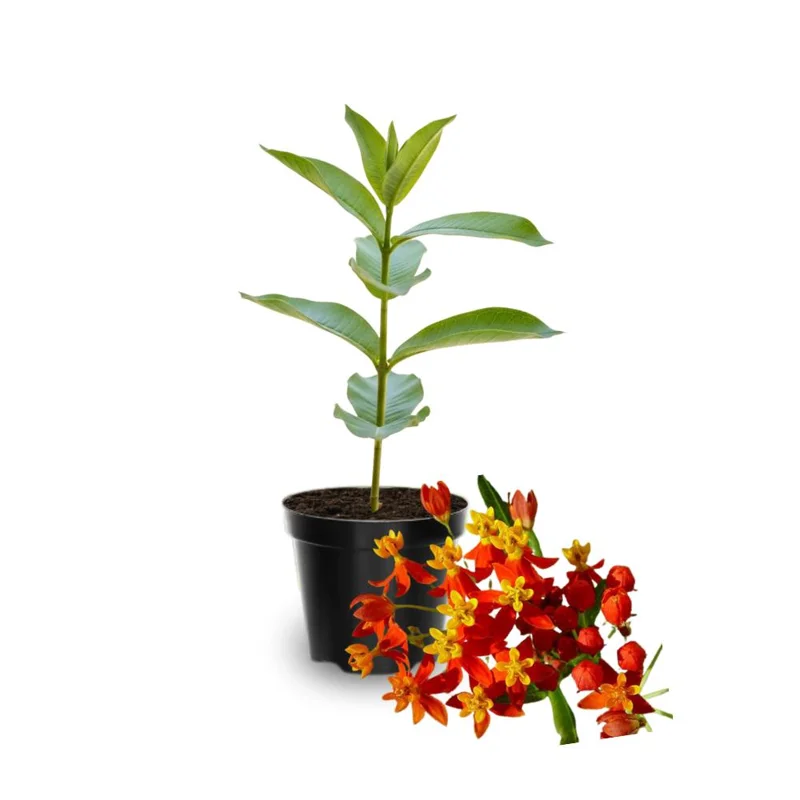
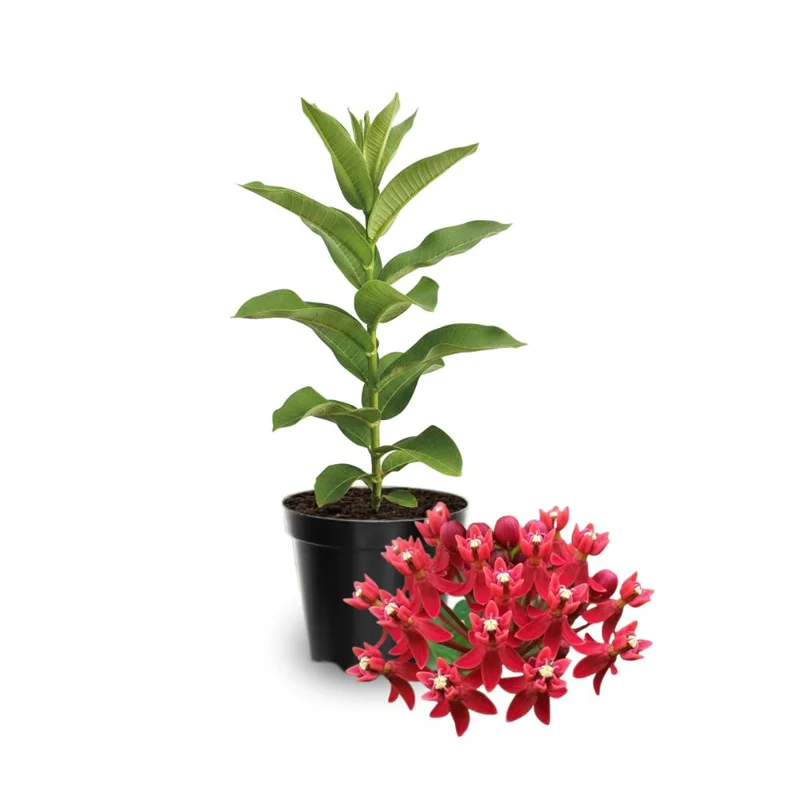
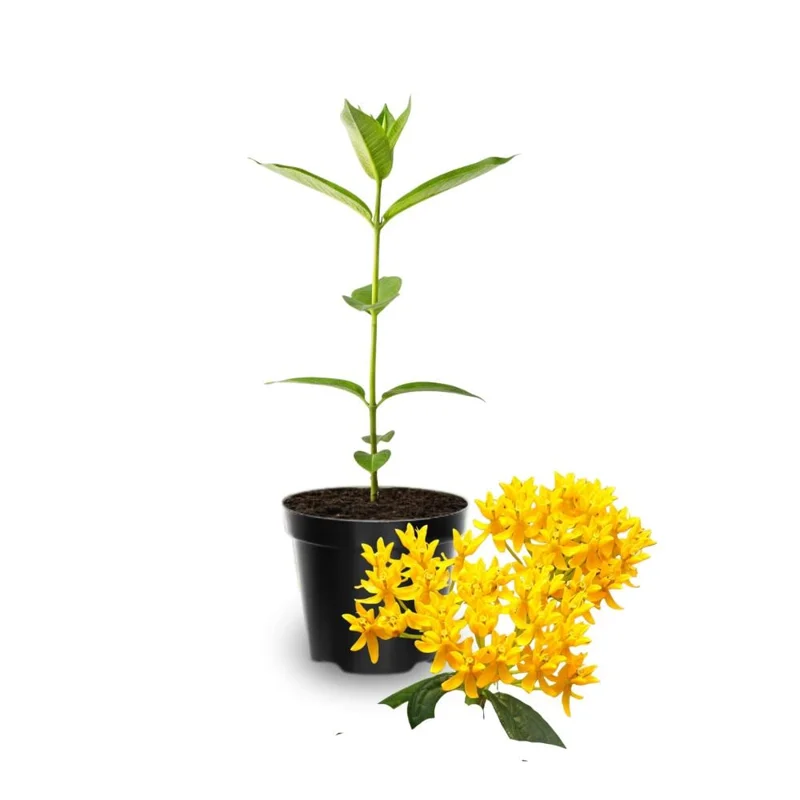
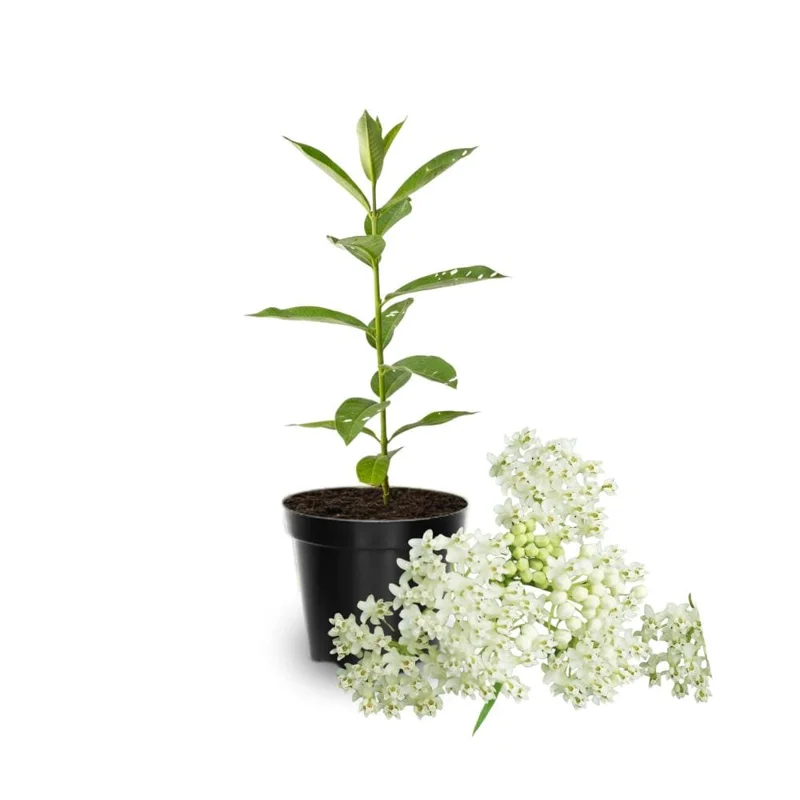
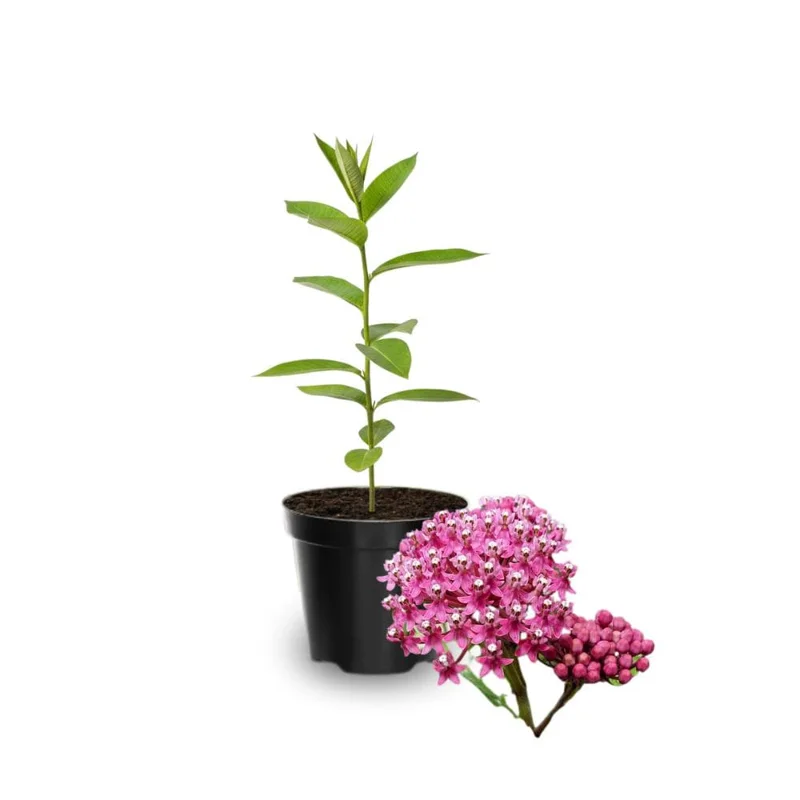
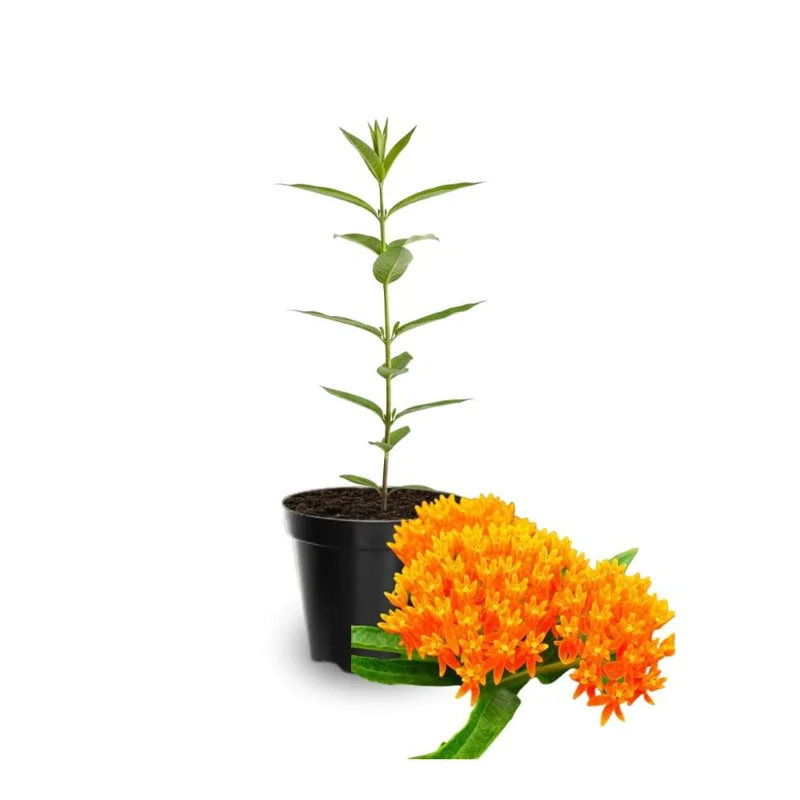
Bring the beauty of nature and vital ecological support to your garden with this milkweed live plant. Each order includes two healthy, actively growing milkweed plants, standing 4-6 inches tall, ready to thrive in your outdoor space. Milkweed, scientifically known as Asclepias, is an indispensable plant for any pollinator garden, especially renowned for its crucial role in the life cycle of the Monarch butterfly. These vibrant perennials are not only visually appealing but also serve as the sole food source for Monarch butterfly caterpillars, making them a cornerstone for butterfly conservation efforts. By planting milkweed, you’re directly contributing to a healthier ecosystem and creating a captivating habitat right in your backyard. Discover the joy of watching Monarchs flutter and thrive on your very own monarch butterfly plant.
Our milkweed live plant specimens are cultivated to be robust and resilient, ensuring a successful start for gardeners of all experience levels. They are carefully packaged to arrive safely at your doorstep, prepared for immediate planting. Known for their adaptability and hardiness, these milkweed plants will establish quickly and provide a continuous source of nectar for various pollinators throughout the growing season. Embrace sustainable gardening practices and transform your outdoor area into a haven for local wildlife with these essential plants.
Key Benefits
Choosing this milkweed live plant offers a multitude of benefits for both your garden and the environment. These plants are designed to enhance biodiversity and bring life to your landscape:
- Supports Monarch Butterflies: Milkweed is the only plant Monarch caterpillars can eat, making it absolutely essential for their survival and the continuation of the Monarch species. Planting this monarch butterfly plant is a direct contribution to their conservation.
- Attracts Diverse Pollinators: Beyond Monarchs, the nectar-rich flowers of the milkweed plant attract a wide array of beneficial insects, including various species of bees and other butterflies, enhancing your garden’s overall health and productivity. This creates a truly pollinator friendly plant environment.
- Easy to Grow & Low Maintenance: Ideal for both novice and experienced gardeners, milkweed requires minimal care once established. It’s highly adaptable to different soil conditions and thrives with basic attention, making it an excellent choice for a hassle-free garden.
- Hardy Perennial: As a hardy perennial, your milkweed plants will return year after year, growing stronger and more abundant with each season. This ensures a long-lasting source of beauty and ecological support without the need for annual replanting.
- Drought Tolerant: Once established, milkweed exhibits excellent drought tolerance, requiring less frequent watering than many other garden plants, making it a sustainable choice for water-wise gardening.
- Enhances Garden Aesthetics: With their unique flower clusters and attractive foliage, milkweed plants add a distinctive and natural beauty to garden beds, borders, and naturalized areas.
- Promotes Biodiversity: By providing critical habitat and food sources, milkweed helps foster a thriving local ecosystem, contributing to the overall biodiversity of your outdoor space.
Plant Care & Growing Tips
Caring for your milkweed live plant is straightforward, ensuring a rewarding gardening experience. These resilient plants are known for their ability to flourish with minimal intervention, making them an excellent addition to almost any garden. A key aspect of successful milkweed care involves understanding its needs for sunlight, water, and soil. Plant your milkweed in a location that receives full sun, meaning at least 6-8 hours of direct sunlight per day. Adequate sunlight is crucial for robust growth, prolific flowering, and optimal nectar production, which in turn attracts more pollinators.
When it comes to watering, milkweed prefers well-draining soil and consistent moisture, especially during its establishment phase and dry spells. However, it’s important to allow the soil to dry out slightly between waterings to prevent root rot. Once established, milkweed becomes quite drought-tolerant, reducing the need for frequent irrigation. The plant is adaptable to various soil types but thrives best in loamy or sandy soils with good drainage. Avoid overly rich or consistently wet soils, as these can hinder growth. This makes it an incredibly easy to grow perennial.
Milkweed is a hardy perennial, typically thriving in USDA Hardiness Zones 3-9, making it suitable for a wide range of climates across the United States. It tolerates a variety of temperatures, from hot summers to cooler climates, returning each spring. Fertilization is generally not heavily required; a light application of a balanced, slow-release fertilizer in spring can encourage vigorous growth, but avoid over-fertilizing. Watch out for common pests like aphids, which can be managed with a strong spray of water or insecticidal soap. By following these simple guidelines, your milkweed plants will flourish, providing a beautiful and beneficial presence in your garden for years to come.
Size & Details
Each purchase includes two individual milkweed live plant specimens. These young plants arrive standing approximately 4-6 inches tall, measured from the soil line, and are in active growth, ready for transplanting. They are shipped without a pot to ensure efficient and safe delivery, with roots carefully protected. Milkweed is known for its moderate growth rate, typically reaching a mature height of 2-5 feet and a spread of 1-3 feet, depending on the species and growing conditions. Expect these plants to establish quickly and begin contributing to your garden’s ecosystem within their first season. Full bloom usually occurs in mid to late summer, offering a continuous display of flowers for pollinators. These are robust starts, ensuring you get a head start on cultivating your very own monarch butterfly plant habitat.
Frequently Asked Questions
- Q: How big will this milkweed live plant get? A: Your milkweed plants typically grow to a mature height of 2-5 feet and can spread 1-3 feet wide, depending on the specific variety and growing conditions in your garden. They will return each year as a hardy perennial.
- Q: Is this an indoor or outdoor plant? A: Milkweed is primarily an outdoor plant, best suited for gardens and naturalized areas where it can receive ample sunlight and support local pollinators. It thrives in an outdoor environment.
- Q: How much sunlight does this pollinator friendly plant need? A: Milkweed requires full sun exposure, meaning at least 6-8 hours of direct sunlight per day, for optimal growth and flowering.
- Q: Is this milkweed live plant easy to care for? A: Yes, milkweed is considered an easy to grow perennial and is low maintenance once established. It’s a great choice for gardeners of all skill levels, requiring basic watering and sunlight.
- Q: What condition will the plants arrive in? A: Your milkweed plants will arrive as healthy, actively growing specimens, typically 4-6 inches tall, with their roots carefully protected for safe transit. They are shipped without pots for efficiency.
- Q: When is the best time to plant milkweed? A: The best time to plant your milkweed live plants is in the spring after the last frost, or in early summer, to allow them ample time to establish before cooler weather.
- Q: Will this monarch butterfly plant survive winter in my zone? A: Milkweed is a hardy perennial that typically thrives in USDA Hardiness Zones 3-9, meaning it will go dormant in winter and reliably return in spring in most climates.
- Q: What kind of soil does milkweed prefer? A: Milkweed adapts to various soil types but does best in well-draining, loamy, or sandy soils. Good drainage is more important than soil richness for successful milkweed care.
- Q: How often should I water my milkweed? A: Water regularly during establishment and dry spells, allowing the soil to dry out slightly between waterings. Once established, it becomes quite drought-tolerant.
- Q: Will this plant attract other insects besides Monarchs? A: Yes, in addition to being a vital monarch butterfly plant, the vibrant flowers of milkweed attract a wide range of other beneficial pollinators, including various bee species and other butterflies.








Reviews
There are no reviews yet.