Overview
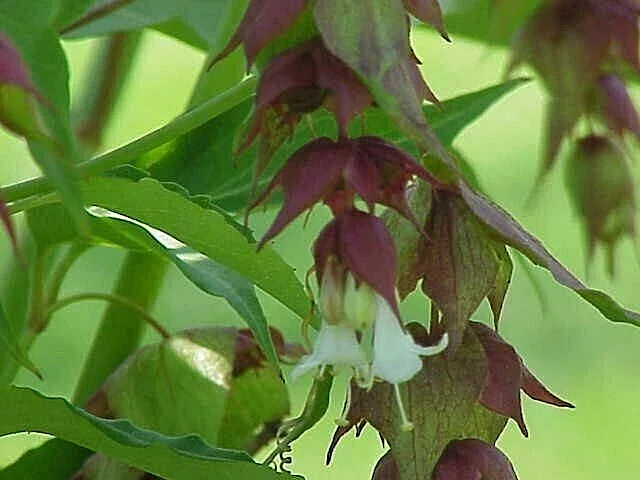
Discover the charm of the Himalayan Honeysuckle seeds, scientifically known as Leycesteria Formosa. This unique and captivating perennial shrub is a fantastic addition to any garden, offering distinctive flowers and berries that provide seasonal interest. Often referred to as Pheasant Berry due to its appeal to birds, the Himalayan Honeysuckle is celebrated for its graceful arching stems and attractive foliage. Planting these seeds allows you to cultivate a robust and beautiful plant from its very beginning, offering a rewarding gardening experience for both novices and experienced green thumbs. Its distinctive appearance and hardiness make it a standout choice for various garden styles.
Our Leycesteria Formosa seeds are fresh and ready for planting, ensuring a high germination rate for successful growth. This ornamental shrub is known for its fast growth and adaptability, thriving in a range of climates. Whether you’re looking to create an eye-catching focal point or add a touch of exotic elegance to your borders, these hardy perennial seeds are an excellent choice. The resulting plants will offer a continuous display of beauty from spring through summer and into fall, with its unique flowers and deep red berries providing a feast for the eyes and local wildlife.
Key Benefits
The Himalayan Honeysuckle offers a multitude of benefits, making it a highly desirable plant for various garden settings. From its aesthetic appeal to its ecological contributions, it’s a versatile and rewarding choice.
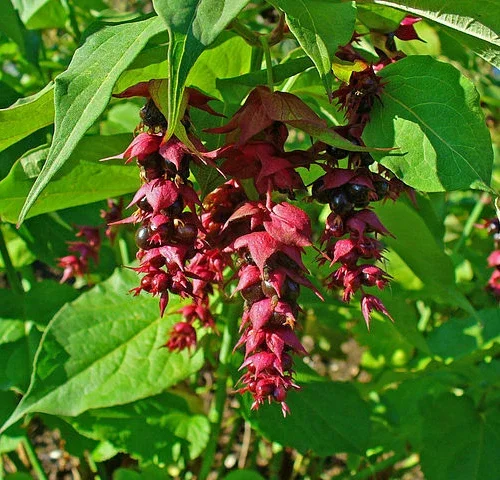
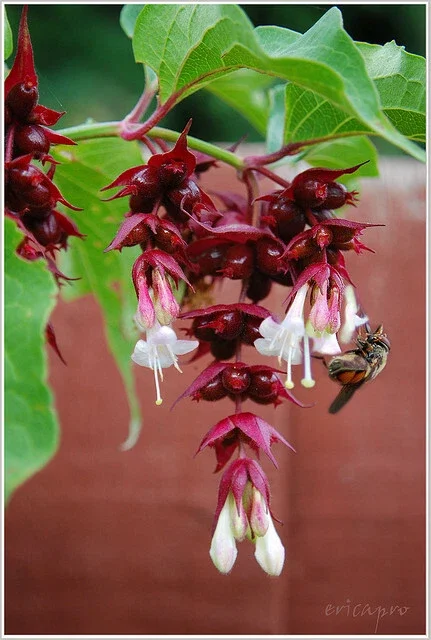
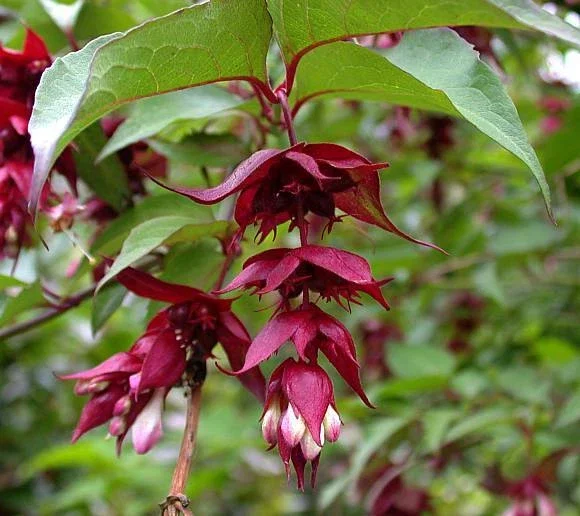
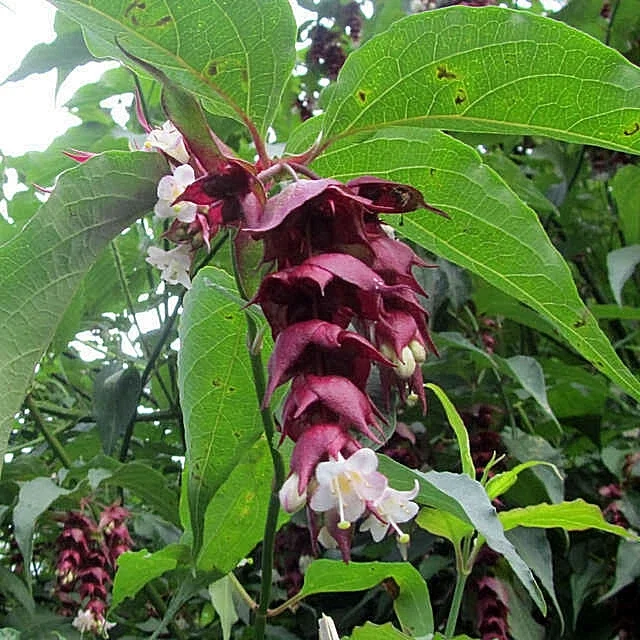
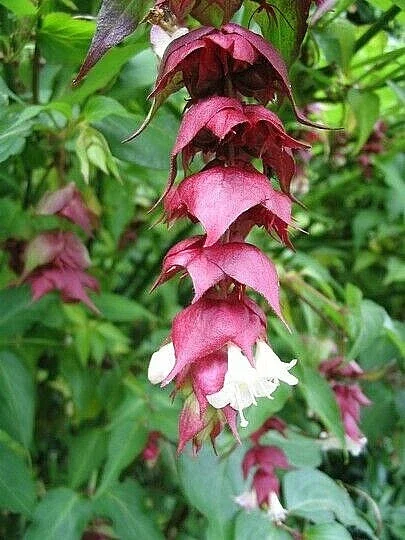
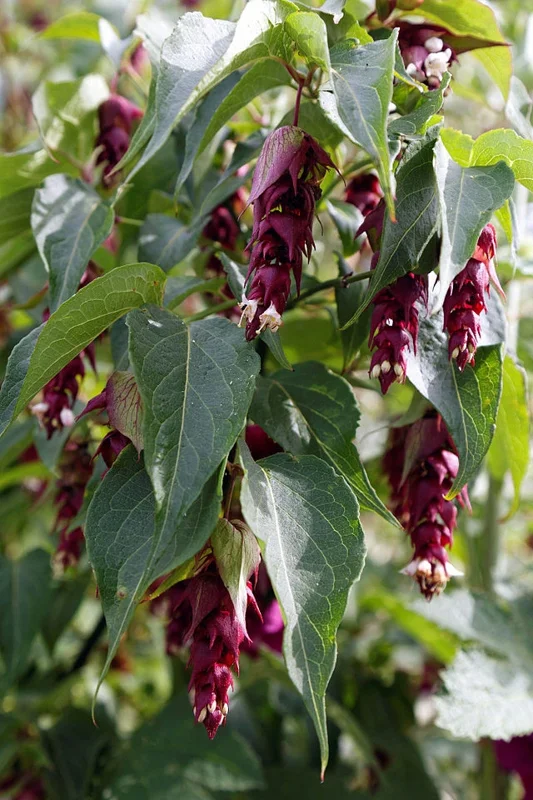
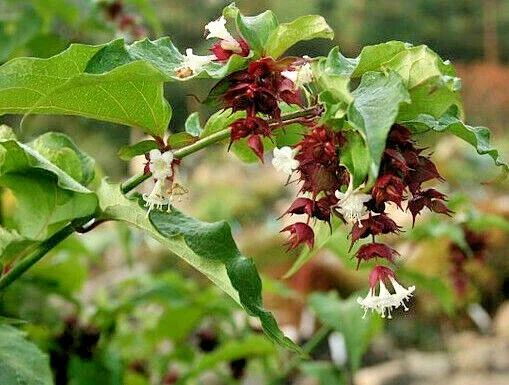
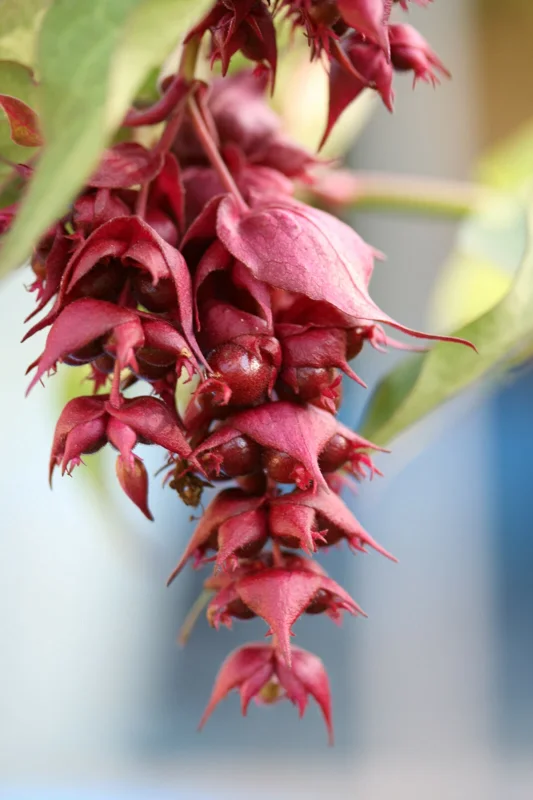
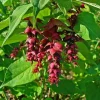
- Distinctive Ornamental Appeal: The plant produces unique cascading flowers with purplish-red bracts and white blooms, followed by attractive deep red to black berries, adding visual interest throughout multiple seasons. It’s truly a conversation starter in any garden.
- Attracts Wildlife: The berries are a favorite food source for pheasants and other birds, making it an excellent choice for wildlife gardens and supporting local ecosystems. Observing the birds enjoying the berries is a delightful experience.
- Hardy and Resilient: As hardy perennial seeds, these plants are robust and can withstand a variety of conditions, making them a low-maintenance option for busy gardeners. They return year after year, providing enduring beauty.
- Fast Growing: Leycesteria Formosa is known for its relatively fast growth rate, allowing you to establish a mature plant more quickly and enjoy its full splendor sooner. You won’t have to wait long to see significant development.
- Versatile Landscaping Use: Ideal for borders, woodland gardens, hedges, or as a specimen plant, the Himalayan Honeysuckle adapts well to different landscape designs. Its clumping habit ensures a neat and tidy appearance.
- Semi-Deciduous Foliage: The plant features semi-deciduous green foliage, providing texture and color in the garden for a significant portion of the year, even into milder winters.
- Edible Berries: While primarily grown for ornamental purposes, the berries are technically edible, offering a slightly bitter taste. Some use them in jams or jellies, adding another unique feature to this plant.
Plant Care & Growing Tips
Growing Himalayan Honeysuckle from seeds is a rewarding process that yields a beautiful and robust plant. These Leycesteria Formosa seeds require specific conditions to thrive, ensuring you get the most out of your planting efforts. For successful germination and growth, it’s essential to understand their preferred environment and care routine. Proper preparation and consistent attention will lead to a healthy and vibrant addition to your garden.
For sunlight, Himalayan Honeysuckle prefers full sun to partial shade. In hotter climates, partial shade during the hottest part of the day can prevent leaf scorch. Aim for at least 4-6 hours of direct sunlight daily for optimal flowering and berry production. When it comes to watering, maintain medium moisture levels. The plant prefers consistently moist, but not waterlogged, soil. Water regularly, especially during dry spells and in its establishment phase. Once mature, it shows good drought tolerance. The ideal soil type is well-draining loam, peat, sand, or silt with a neutral pH. Good drainage is crucial to prevent root rot. Incorporating organic matter will improve soil structure and fertility. These plants are hardy in USDA Zones 7-10, making them suitable for a wide range of temperate climates, even tolerating some cold. Fertilize sparingly; a balanced slow-release fertilizer in spring is usually sufficient. Over-fertilization can lead to excessive foliage at the expense of flowers and berries. Common problems include aphid infestations, which can be managed with insecticidal soap, and fungal issues in overly wet conditions. Ensuring good air circulation and proper watering helps prevent these problems. Understanding how to grow honeysuckle from seed effectively involves patience and attention to these environmental factors, ensuring a strong start for your plants.
Size & Details
These Himalayan Honeysuckle seeds are provided in a quantity of 201 fresh seeds, offering ample opportunity for successful germination and establishment. Once mature, the Leycesteria Formosa typically grows to a height of 5-8 feet and spreads 3-5 feet wide, forming an attractive clump-forming bush. It exhibits a moderate growth rate, allowing it to establish itself effectively in your garden within a few seasons. The plant is semi-deciduous, maintaining some foliage in milder climates. It will produce its distinctive flowers and berries from spring through summer and into the fall, providing extended seasonal interest. The seeds are suitable for outdoor planting, and the resulting plants will develop a robust root system, contributing to their overall hardiness and longevity.
The plants grown from these Himalayan Honeysuckle seeds are known for their cold resistance, making them a reliable choice for gardeners in suitable USDA zones. They are shipped as fresh seeds, ready for your planting efforts. Expect the first blooms and berries to appear within 1-2 years after successful germination and establishment, with the plant reaching its full mature size and ornamental display within 3-5 years. The clumping growth habit ensures a natural and attractive form, making it a great choice for various garden designs. This ornamental shrub is a beautiful and functional addition, enriching your outdoor space with its unique features.
Frequently Asked Questions
- Q: How big does this plant get? A: The Himalayan Honeysuckle typically grows to a height of 5-8 feet and spreads about 3-5 feet wide, forming a beautiful clump-forming bush. Its mature size makes it suitable for various garden roles, from a standalone specimen to a hedge.
- Q: Is this an indoor or outdoor plant? A: This plant is primarily an outdoor ornamental shrub. It thrives in garden settings and is hardy in USDA Zones 7-10. It is not generally recommended as an indoor houseplant.
- Q: How much sunlight does it need? A: Leycesteria Formosa prefers full sun to partial shade. For optimal flowering and berry production, it should receive at least 4-6 hours of direct sunlight per day. In very hot climates, partial afternoon shade is beneficial.
- Q: Are these seeds easy to care for? A: Yes, these Himalayan Honeysuckle seeds are considered to have moderate cultivating difficulty. The mature plants are relatively low-maintenance once established, making them a good choice for gardeners who want an attractive yet manageable shrub.
- Q: What condition will the seeds arrive in? A: The seeds will arrive fresh and ready for planting. We ensure they are carefully packaged to maintain their viability during transit, providing you with high-quality material to start your garden.
- Q: How long until it blooms? A: After successful germination and establishment, you can typically expect the first blooms and berries from your Himalayan Honeysuckle plant within 1-2 years. The plant will continue to mature and produce more abundantly in subsequent years.
- Q: Will it survive winter in my zone? A: This plant is hardy in USDA Hardiness Zones 7-10. If you are within these zones, it should survive winter outdoors. In colder zones, it may need winter protection or can be grown as an annual.
- Q: What is the best time to plant these seeds? A: The ideal time to plant Himalayan Honeysuckle seeds is generally in the spring or early summer after the last frost. This allows the young plants ample time to establish before cooler weather.
- Q: Can the berries be eaten? A: Yes, the berries of Himalayan Honeysuckle are technically edible, though they have a somewhat bitter taste. They are more commonly enjoyed by birds and used for their ornamental value.
- Q: What kind of soil is best for how to grow honeysuckle from seed? A: For the best results when considering how to grow honeysuckle from seed, use well-draining soil types such as loam, peat, sand, or silt with a neutral pH. Good drainage is crucial for healthy root development.



Reviews
There are no reviews yet.