Overview
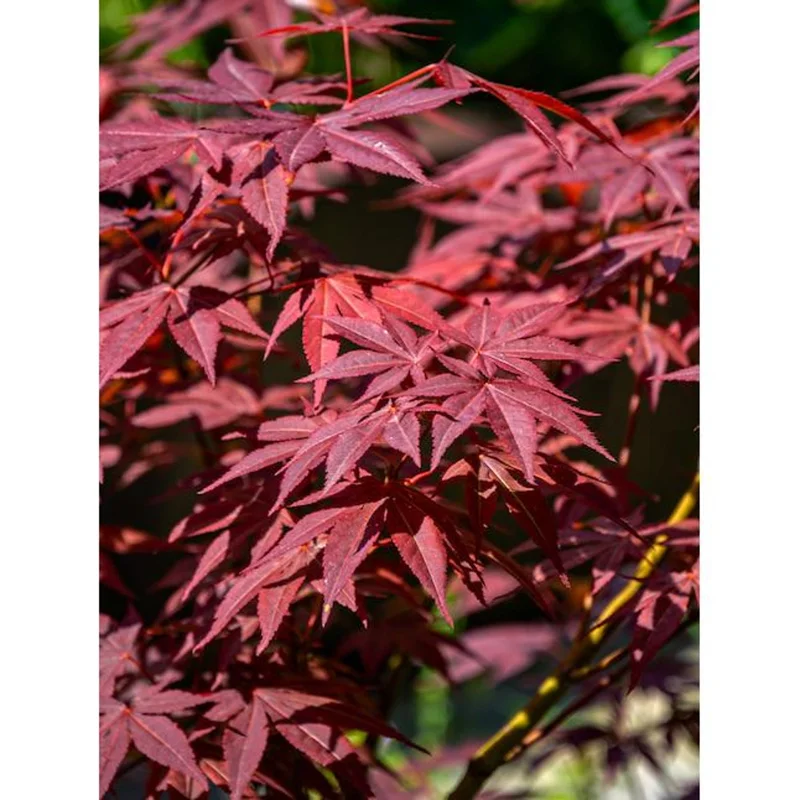
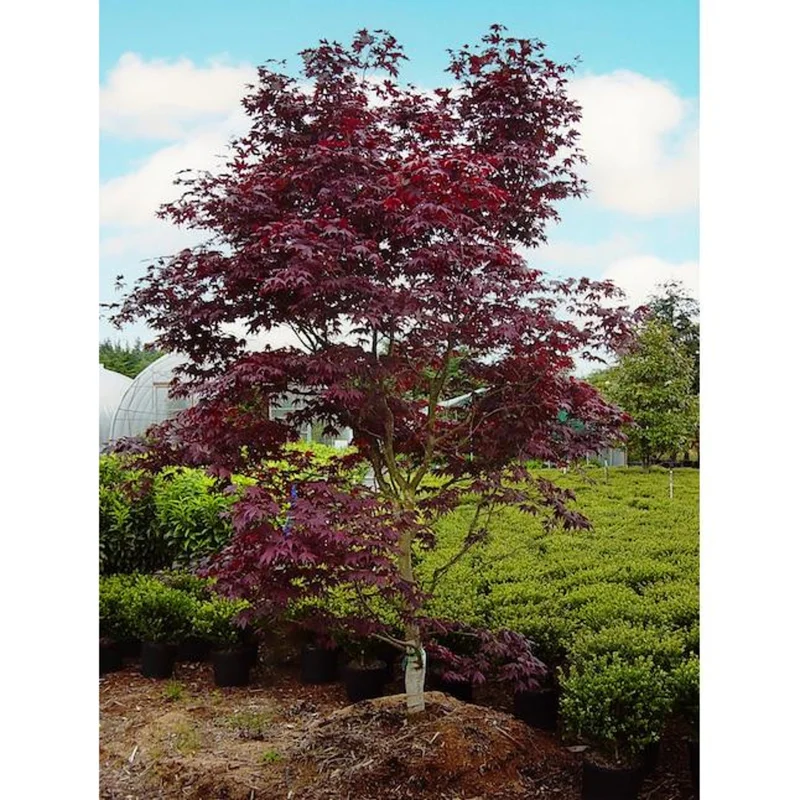
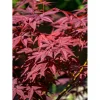
Introduce a touch of elegance and dramatic color to your outdoor space with this exquisite Japanese Red Maple Tree. This live plant, specifically a vibrant red maple tree, is known for its stunning, deeply lobed leaves that emerge in brilliant crimson hues, maintaining their rich color throughout spring, summer, and fall. Perfect as a focal point in a garden, a striking addition to a patio in a large container, or as part of a sophisticated landscape design, the Japanese Red Maple Tree offers unparalleled aesthetic appeal. Its graceful, often weeping or layered branch structure adds architectural interest even in winter. This particular specimen is a well-established plant, ready to thrive in its new environment, promising years of beauty and enjoyment. The botanical name, Acer palmatum ‘Atropurpureum’ or similar red cultivar, signifies its distinguished lineage and characteristic deep red foliage.
Key Benefits
The Japanese Red Maple Tree offers numerous benefits, making it a highly sought-after ornamental plant for diverse garden styles. Its captivating beauty and relatively easy care contribute to its widespread popularity:
Stunning Year-Round Color: Unlike many deciduous trees, the Japanese Red Maple Tree provides vibrant color for multiple seasons. Its leaves emerge bright red in spring, deepen to a rich burgundy or purplish-red in summer, and often intensify to fiery scarlet in autumn, creating a spectacular display.
Graceful Form and Texture: With its delicate, lacy foliage and often artfully branched structure, this tree adds a refined texture and elegant form to any landscape. It can serve as a sculptural element, enhancing the visual depth of your garden.
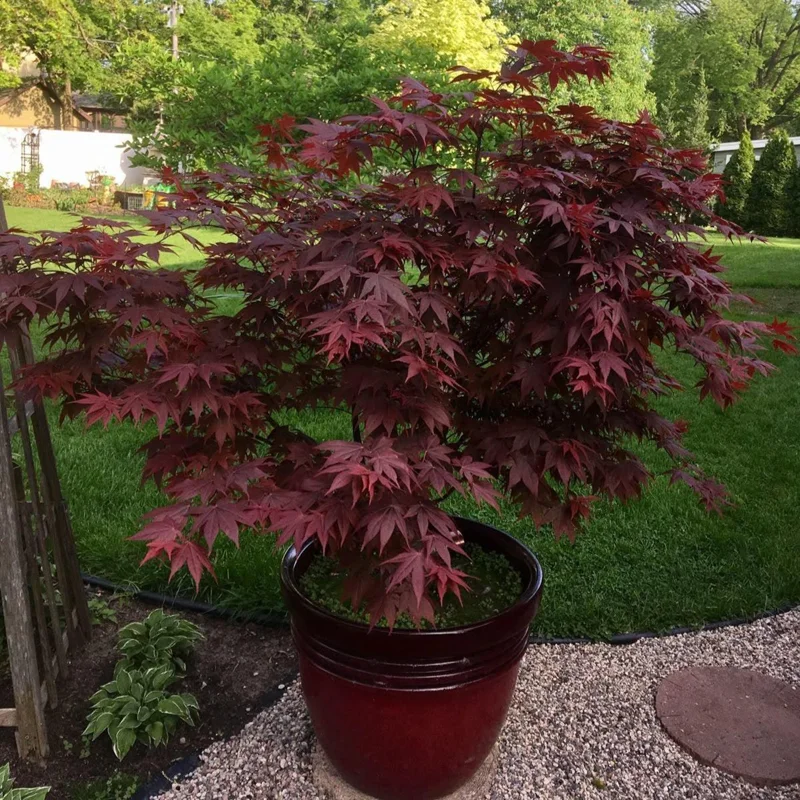
Versatile Landscape Use: This red maple tree live plant is incredibly adaptable. It can be planted as a specimen tree, used in mixed borders, integrated into rock gardens, or grown successfully in large containers on patios or balconies, making it suitable for both spacious gardens and smaller urban settings.
Moderate Growth Rate: The tree grows at a moderate pace, meaning it will establish itself well without quickly outgrowing its space. This allows for easier planning and maintenance in the long term, providing consistent beauty without constant pruning demands.
Attracts Beneficial Wildlife: While not a primary pollinator plant, the tree can provide shelter and a food source (insects) for various small birds and other garden creatures, contributing to a healthy ecosystem.
Low Maintenance: Once established, Acer palmatum varieties are relatively low maintenance. They require consistent watering during dry periods, especially when young, but are generally robust and disease-resistant with proper care.
Enhanced Property Value: A well-placed and healthy ornamental tree like the Japanese Red Maple Tree can significantly enhance the curb appeal and overall value of your property, offering long-term aesthetic and financial returns.
Plant Care & Growing Tips
Caring for your Japanese Red Maple Tree is straightforward, ensuring it thrives and displays its full vibrant potential. These trees prefer a location with partial shade, especially in hotter climates, to protect their delicate leaves from scorching afternoon sun. In cooler regions, full sun may be tolerated, but morning sun with afternoon shade is often ideal to preserve the rich red coloration and prevent leaf burn. Ensure the planting site has good air circulation but is protected from strong winds, which can damage new growth.
The ideal soil for a red Japanese maple care involves a well-draining, slightly acidic (pH 5.5-6.5) and rich in organic matter. Avoid heavy clay soils that retain too much moisture, as this can lead to root rot. When planting, amend the soil with compost or other organic materials to improve drainage and fertility. Water newly planted trees regularly to establish a strong root system, keeping the soil consistently moist but not waterlogged. Once established, they are somewhat drought-tolerant but will perform best with consistent moisture, especially during dry spells. Mulching around the base of the tree helps retain soil moisture, regulate temperature, and suppress weeds.
Fertilize sparingly, if at all, in the spring with a balanced, slow-release granular fertilizer specifically formulated for trees or acid-loving plants. Over-fertilization can lead to excessive growth and may dilute the red leaf coloration. Pruning is best done in late summer or early fall after the leaves have fully hardened, or in late winter when the tree is dormant. Focus on removing dead, damaged, or crossing branches to maintain the tree’s health and shape. Avoid heavy pruning in spring, as maples are ‘bleeders’ and can lose a lot of sap.
Size & Details
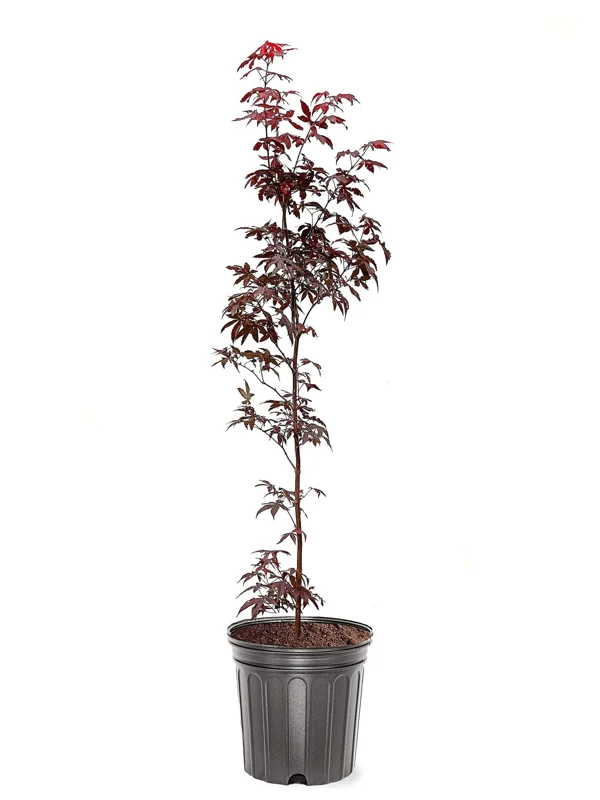
This offering is for a vibrant Japanese Red Maple Tree, standing approximately 2-3 feet tall from the base of the root ball to the top of the foliage. It comes pre-potted in a sturdy 3-gallon nursery container, providing a well-established root system ready for planting. The tree exhibits a moderate growth rate, typically adding 1-2 feet per year once established, eventually reaching a mature height of 10-25 feet with a spread of 10-20 feet, depending on the specific cultivar and growing conditions. It is shipped as a live, healthy plant with developed foliage, ready to be transplanted into your garden or a larger decorative pot. Expect this beautiful ornamental tree to provide stunning seasonal color and graceful form for many years.
Frequently Asked Questions
Q: How big does this Japanese Red Maple Tree get? A: This tree is currently 2-3 feet tall in a 3-gallon pot. Mature specimens typically reach heights of 10-25 feet and spreads of 10-20 feet, depending on the cultivar and growing conditions.
Q: Is this an indoor or outdoor plant? A: This is an outdoor ornamental tree. While young plants can be temporarily kept indoors in very bright conditions, it is best suited for outdoor landscapes, growing in garden beds or large outdoor containers.
Q: How much sunlight does it need? A: Red Japanese maple care requires partial shade, especially in warmer climates, to prevent leaf scorch. In cooler regions, it can tolerate full sun, but morning sun with afternoon shade is often ideal for best color retention.
Q: Is this plant easy to care for? A: Yes, once established, this red maple tree live plant is considered relatively low maintenance. It requires well-draining soil, consistent moisture, and protection from extreme heat and wind.
Q: What condition will it arrive in? A: Your Japanese Red Maple Tree will arrive as a healthy, live plant in a 3-gallon nursery pot with established roots and foliage, carefully packaged to ensure safe transit.
Q: When is the best time to plant? A: The best time to plant a Japanese Red Maple Tree is in spring or early fall, allowing the roots to establish before extreme summer heat or winter cold. However, container-grown plants can be planted any time the ground is not frozen.
Q: Will it survive winter in my zone? A: Most Acer palmatum varieties are hardy in USDA Zones 5-8. If you are in a colder zone, ensure adequate winter protection, or consider growing it in a container that can be moved indoors during winter.
Q: What type of soil does an outdoor ornamental tree prefer? A: It prefers well-draining, slightly acidic soil that is rich in organic matter. Avoid heavy, compacted clay soils and ensure good drainage to prevent root issues.
Q: How often should I water my Japanese Red Maple Tree? A: Water regularly to keep the soil consistently moist, especially during the first year after planting and during dry periods. Do not allow the soil to become waterlogged.
Q: Can I grow this in a pot? A: Yes, Japanese Red Maple Tree can be successfully grown in large pots or containers, especially in areas with unsuitable soil or colder climates where it can be moved indoors for winter protection. Ensure the pot has excellent drainage.



Reviews
There are no reviews yet.