Overview
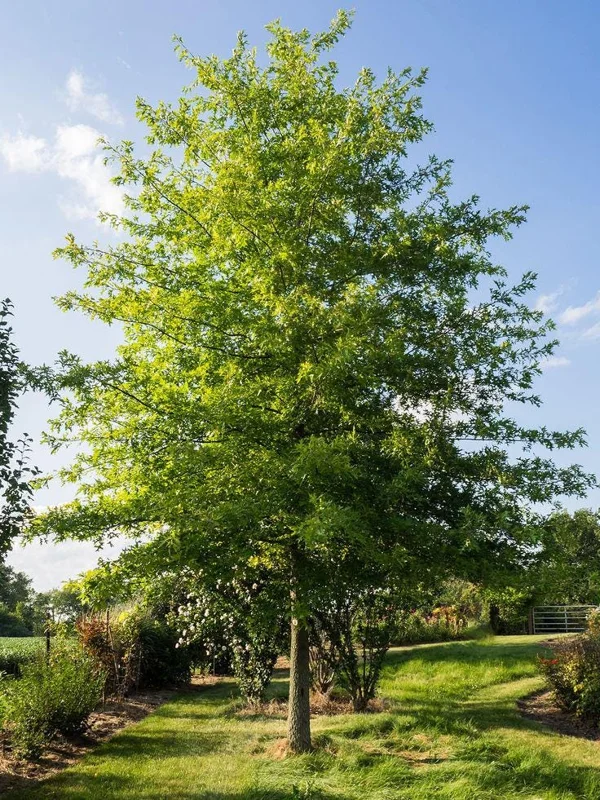
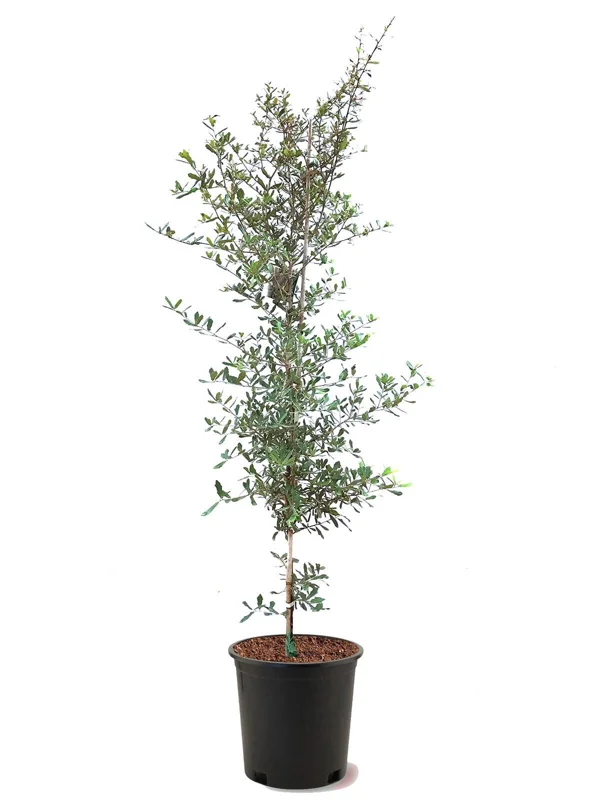
The live oak tree, scientifically known as Quercus virginiana, is a truly magnificent evergreen that has long been a symbol of the American South. This robust Quercus virginiana plant is celebrated for its impressive stature, spreading canopy, and remarkable longevity, often living for centuries. When you plant a live oak tree, you’re not just adding a tree to your garden; you’re investing in a legacy that will provide beauty and ecological benefits for generations. Our live oak trees are shipped as healthy, vibrant live plants, ready to establish themselves in your landscape and begin their journey of growth. They arrive in a 5-gallon pot with a minimum height of 24 inches, ensuring a strong start for your new tree. These trees are highly adaptable and, with proper care, will quickly become a prominent and cherished feature of your outdoor space, offering unparalleled shade and a sense of timeless elegance.
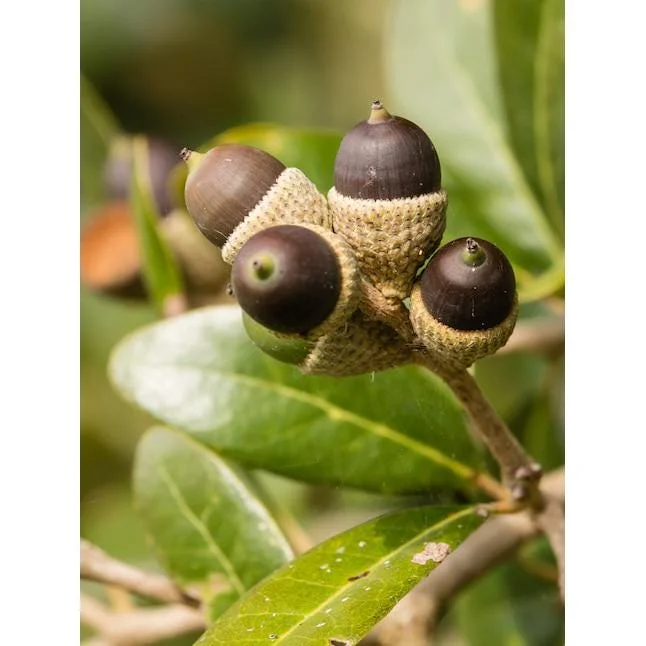
Known for its dense, broad canopy, the live oak tree is an excellent choice for creating natural shade in parks, large yards, and along avenues. Its enduring evergreen foliage provides year-round interest and habitat for local wildlife. The wood of the live oak is exceptionally hard and strong, historically valued for shipbuilding and other demanding applications. Beyond its practical uses, the tree produces sweet, edible acorns, which are a food source for many animals. Its ability to thrive in various conditions, combined with its majestic appearance, makes the live oak tree an enduring favorite for those seeking a truly grand and long-lasting addition to their property.
Key Benefits
Choosing a live oak tree for your landscape offers a multitude of benefits, enhancing both the aesthetic and ecological value of your property. These trees are not only beautiful but also remarkably functional, providing lasting advantages:
- Exceptional Shade Provider: With a mature spread of 60 to 100 feet, the live oak tree creates a vast, dense canopy, offering superior shade that can significantly cool your home and outdoor living areas during hot summer months. This makes it an ideal shade tree for yard.
- Year-Round Evergreen Foliage: Unlike deciduous trees, the live oak retains its lush green leaves throughout the year, providing continuous beauty and privacy, even in winter. This evergreen nature contributes to its consistent appeal.
- Remarkable Longevity: Live oaks are renowned for their incredible lifespan, often surviving for hundreds of years. Planting a Quercus virginiana plant is an investment that will benefit future generations, becoming a historical landmark on your property.
- Drought and Adaptability: Once established, the live oak tree is highly drought-tolerant and adaptable to a variety of soil and water conditions, making it a low-maintenance choice for many regions. Its resilience is a key advantage for gardeners.
- Wildlife Habitat: The dense canopy and acorns produced by the evergreen oak tree provide essential shelter and food for numerous bird species, squirrels, and other wildlife, enriching the biodiversity of your garden.
- Strong and Stately Presence: The grand, spreading form of a mature live oak commands attention, adding a sense of establishment, history, and natural majesty to any landscape. It is truly one of the most impressive large landscape trees.
- Erosion Control: Its extensive root system helps to stabilize soil, making it valuable for erosion control, especially on sloped areas.
Plant Care & Growing Tips
Caring for your live oak tree, especially a young Quercus virginiana plant, is crucial for its long-term health and impressive growth. These trees are generally adaptable but thrive with specific conditions. For sunlight, live oaks perform best in full sun, meaning they need at least 6-8 hours of direct sunlight per day to develop their strong structure and dense canopy. While they can tolerate some partial shade when young, full sun exposure is ideal for mature trees to reach their full potential as a magnificent shade tree for yard. Ensure your planting location provides ample light without obstruction from buildings or other large trees.
Regarding watering, newly planted live oaks require consistent moisture to establish their root system. Water deeply 2-3 times per week for the first year, especially during dry periods. Once established, typically after 2-3 years, they become quite drought-tolerant and may only need supplemental watering during extended dry spells. The best soil type for a live oak tree is well-draining soil, ideally sandy or loamy. While adaptable, they do not tolerate consistently soggy conditions, which can lead to root rot. Good drainage is paramount. For fertilization, a balanced slow-release fertilizer can be applied in early spring for the first few years to encourage robust growth, but avoid over-fertilizing. Once mature, live oaks rarely require additional fertilization unless a soil test indicates a deficiency. They are hardy to USDA Zones 7-10, meaning they can tolerate temperatures down to approximately 5°F. Protect young trees from severe freezes in the lower end of their hardiness range.
Common problems for live oaks are generally few, owing to their resilience. However, issues like oak wilt can occur, though it is less common in Quercus virginiana than in some other oak species. Proper pruning of dead or diseased branches can help maintain tree health and structure. Ensure any pruning is done by a certified arborist, especially for larger branches, to prevent damage and promote proper healing. Providing enough space for the expansive root system and canopy is vital; avoid planting too close to foundations or pipes. With these care tips, your evergreen oak tree will flourish, becoming a cherished part of your landscape for centuries.
Size & Details
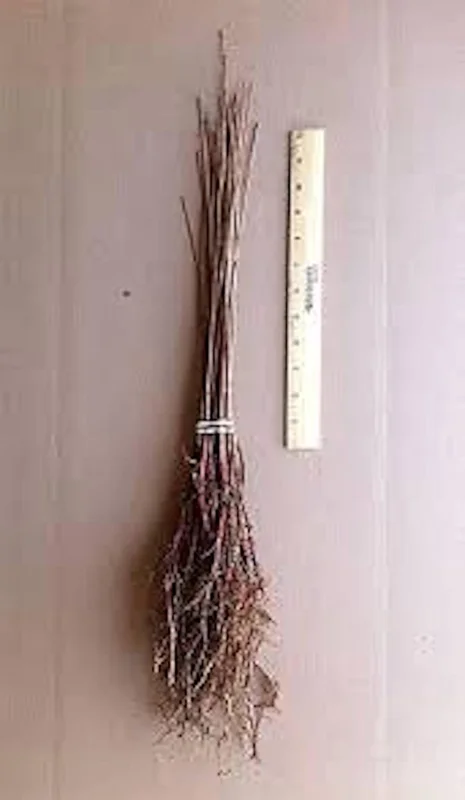
This offering is for one live oak tree, a healthy Quercus virginiana plant, shipped in a #5 (5-gallon) nursery pot. The plant will have a minimum height of 24 inches (2 feet) from the soil line at the time of shipping, ensuring a substantial start for your landscape project. Live oaks are moderate-growing trees, typically adding 1-2 feet of height per year under ideal conditions. At maturity, this impressive shade tree for yard can reach heights of 60 to 80 feet with an equally impressive spread of 60 to 100 feet. This significant size makes them perfect for creating large, natural canopies and establishing a grand presence.
The plant is shipped as a well-rooted, potted specimen, which aids in successful transplanting and establishment. With enough room to grow, the evergreen oak tree develops a distinctive, spreading trunk and a wide crown, providing ample shade and architectural interest. It is important to consider the mature size when selecting a planting location, ensuring it has adequate space to spread both its branches and its root system without interference. The wood is notably hard, tough, and strong, contributing to the tree’s remarkable longevity. This makes it a prime choice among large landscape trees for those seeking enduring beauty and ecological value.
Frequently Asked Questions
- Q: How big does this live oak tree get? A: At maturity, a live oak tree can reach impressive heights of 60 to 80 feet, with a magnificent spread ranging from 60 to 100 feet. It develops a very wide canopy, making it an excellent shade tree for yard.
- Q: What size pot does the plant come in? A: The Quercus virginiana plant is shipped in a #5 (5-gallon) nursery pot, providing a well-established root system for successful transplanting. It will be at least 24 inches tall upon arrival.
- Q: Is this an indoor or outdoor plant? A: The live oak tree is an outdoor plant, best suited for planting directly in the ground where it has ample space to grow and achieve its full potential as a majestic landscape tree.
- Q: How much sunlight does it need? A: Live oaks thrive in full sun, requiring at least 6 to 8 hours of direct sunlight per day. While young trees can tolerate some partial shade, full sun promotes the best growth and structure for this evergreen oak tree.
- Q: Is this plant easy to care for? A: Once established, live oaks are relatively low-maintenance and highly adaptable. They are drought-tolerant and resilient, making them a good choice for both experienced and novice gardeners looking for large landscape trees.
- Q: What condition will it arrive in? A: Your live oak tree will arrive as a healthy, live plant, carefully packaged in its 5-gallon pot to ensure minimal stress during transit. We take great care to ensure it reaches you in good condition.
- Q: When is the best time to plant a live oak tree? A: The best time to plant a Quercus virginiana plant is typically in late fall or early spring, allowing the tree to establish its root system before extreme summer heat or winter cold.
- Q: Will it survive winter in my zone? A: Live oak trees are hardy in USDA Zones 7 through 10, meaning they can tolerate winter temperatures down to around 5°F. If you are in a colder zone, it may require winter protection or may not thrive.
- Q: Can I grow this in a container permanently? A: Due to its immense mature size and extensive root system, the live oak tree is not suitable for permanent container growing. It needs to be planted in the ground to reach its full potential.
- Q: Does this tree produce acorns? A: Yes, as a true oak, the live oak tree produces sweet, edible acorns, which are a valuable food source for local wildlife and contribute to the ecological balance of your yard.




Reviews
There are no reviews yet.