Overview
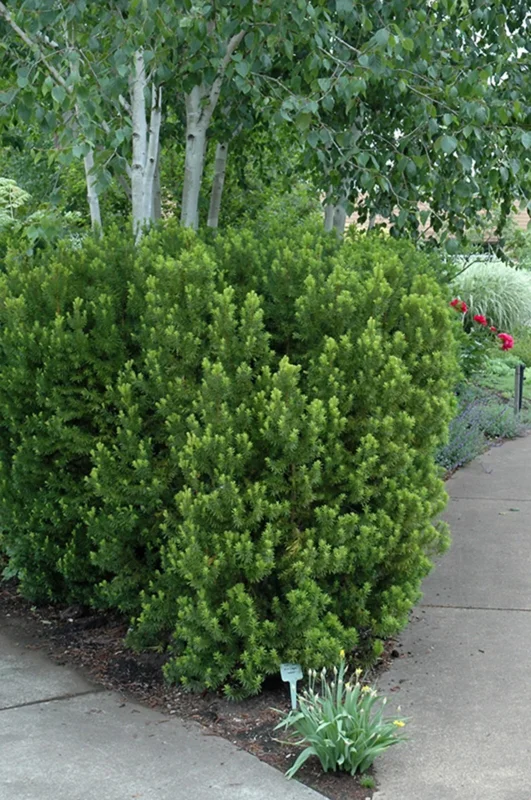
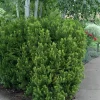
Introduce classic greenery to your outdoor space with a vibrant japanese yew live plant. This particular variety, likely Taxus x media ‘Hicksii’ (Hicks Yew), is a popular and robust evergreen shrub known for its dense, upright growth habit and rich, dark green needles. Originating from Asia, the Japanese Yew has been a staple in gardens for centuries, appreciated for its formal appearance and resilience. This 5-7 inch tall specimen provides an excellent starting point for establishing a long-lasting, elegant landscape feature. Whether you’re planning a formal hedge or a sophisticated garden accent, the japanese yew live plant offers a blend of beauty and low maintenance that appeals to both novice and experienced gardeners.
The Japanese Yew is a versatile plant, cherished for its ability to thrive in various conditions and its striking aesthetic. Its fine texture and deep color make it an ideal backdrop for flowering plants or as a standalone specimen. As a mature plant, it can reach impressive heights, but with proper pruning, it can be maintained at desired sizes, making it suitable for a wide range of garden designs. This taxus media hicksii offers an immediate impact, bringing structure and year-round color to any outdoor setting.
Key Benefits
Choosing a japanese yew live plant for your garden brings a multitude of advantages, contributing both aesthetic appeal and practical benefits to your landscape. Its evergreen nature ensures your garden remains vibrant throughout all seasons, providing continuous visual interest.
- Year-Round Greenery: Enjoy lush, dark green foliage all year long, providing continuous beauty even in winter. This makes the evergreen shrub an excellent choice for maintaining garden structure and color.
- Versatile Landscaping: Ideal for hedges, privacy screens, foundation plantings, or as a striking accent plant. Its adaptable growth habit allows for creative use in diverse garden styles.
- Low Maintenance: Once established, Japanese Yews require minimal care, making them suitable for busy gardeners. They are generally tolerant of pruning and a range of soil conditions.
- Shade Tolerance: Unlike many other evergreens, this yew thrives in partial to full shade, expanding your planting options for tricky garden spots.
- Durable & Long-Lived: Known for its hardiness and longevity, a well-cared-for Japanese Yew can be a permanent and cherished part of your landscape for decades.
- Air Purification: Like many plants, the yew plant care contributes to a healthier environment by absorbing carbon dioxide and releasing oxygen.
- Erosion Control: Its dense root system helps to stabilize soil, making it useful on slopes or in areas prone to erosion.
Plant Care & Growing Tips
Proper yew plant care is essential for ensuring your japanese yew live plant flourishes and becomes a healthy, long-lasting addition to your garden. These plants are remarkably adaptable but will perform best with specific conditions. For sunlight, Japanese Yews prefer partial shade to full shade. While they can tolerate some sun, especially in cooler climates, intense afternoon sun can scorch their needles. Aim for areas that receive morning sun and afternoon shade, or dappled light throughout the day. When planting, ensure the soil is well-draining. Yews do not like wet feet, so soggy soil can lead to root rot. A loamy soil, amended with organic matter, is ideal. Good drainage is paramount for the health of this evergreen shrub.
Watering should be consistent, especially during the first year of establishment. Water deeply when the top inch or two of soil feels dry to the touch. Once established, they are moderately drought-tolerant but will benefit from occasional watering during prolonged dry spells. The Japanese Yew is hardy in USDA zones 4-7, making it suitable for a wide range of climates. Fertilize in early spring with a balanced slow-release granular fertilizer formulated for evergreens. Avoid over-fertilizing, which can harm the plant. Pruning is best done in late winter or early spring before new growth emerges, or in mid-summer after the initial flush of growth. This helps maintain shape and density. Watch for common pests like scale insects or mealybugs; address any infestations promptly with appropriate horticultural oil or insecticide. With consistent landscaping plants care, your Japanese Yew will thrive.
Size & Details
This offering is for a single japanese yew live plant, typically measuring 5-7 inches in height from the base of the plant to the tip of its highest branch. It arrives as a young, healthy specimen, ready for planting in your garden or a larger container. The plant is shipped in a nursery pot or as a bare-root specimen, ensuring minimal transplant shock and a strong start in its new environment. While this taxus media hicksii is currently compact, it has the potential to grow significantly. In optimal conditions, it can reach mature heights of 10-20 feet and a spread of 3-10 feet, depending on pruning and environmental factors. Its moderate growth rate means it will gradually fill out your desired space, providing a dense, upright form.
The plant’s dense foliage and upright habit make it an excellent choice for creating formal hedges or adding vertical interest to your landscape. Expect a robust root system, indicating a healthy and vigorous plant prepared for successful establishment. This size provides a manageable plant for easy handling and planting, allowing you to quickly integrate it into your garden design. The exact pot size will vary but is typically a standard nursery container suitable for the plant’s current size, ensuring the roots are protected during transit. Your new evergreen shrub is ready to begin its journey in your garden.
Frequently Asked Questions
- Q: How big does this Japanese Yew plant get? A: This japanese yew live plant is currently 5-7 inches tall. With proper care, it can grow to a mature height of 10-20 feet and spread 3-10 feet, depending on whether it’s pruned for a hedge or allowed to grow freely.
- Q: Is this an indoor or outdoor plant? A: The Japanese Yew is primarily an outdoor plant, highly valued as a landscaping plants shrub. It thrives in various outdoor conditions and is hardy in USDA Zones 4-7.
- Q: How much sunlight does it need? A: This evergreen shrub prefers partial to full shade. While it can tolerate some morning sun, it’s best to protect it from intense afternoon sun, especially in warmer climates, to prevent needle scorch.
- Q: Is this plant easy to care for? A: Yes, once established, the Japanese Yew is considered a low-maintenance plant. It’s quite adaptable and resilient, making yew plant care relatively straightforward for gardeners of all experience levels.
- Q: What condition will it arrive in? A: Your taxus media hicksii will arrive as a healthy, live plant, typically in a nursery pot or as a carefully packaged bare-root specimen, ensuring it’s ready for planting.
- Q: When is the best time to plant a Japanese Yew? A: The best time to plant a Japanese Yew is in early spring or early fall, allowing the plant sufficient time to establish its root system before extreme weather conditions.
- Q: What type of soil is best for this plant? A: Japanese Yews prefer well-draining, loamy soil. Good drainage is crucial to prevent root rot, so avoid heavy, waterlogged soils.
- Q: Will it survive winter in my zone? A: The Japanese Yew is known for its cold hardiness and typically thrives in USDA Zones 4 through 7, making it well-suited for many winter climates across the US.
- Q: How often should I water my Japanese Yew? A: During its first year, water regularly to keep the soil consistently moist but not waterlogged. Once established, it can tolerate some drought but benefits from deep watering during dry periods.
- Q: Can I use this plant for a hedge? A: Absolutely! The upright and dense growth habit of the japanese yew live plant makes it an excellent choice for creating formal hedges and privacy screens, and it responds well to pruning.



Reviews
There are no reviews yet.