Overview
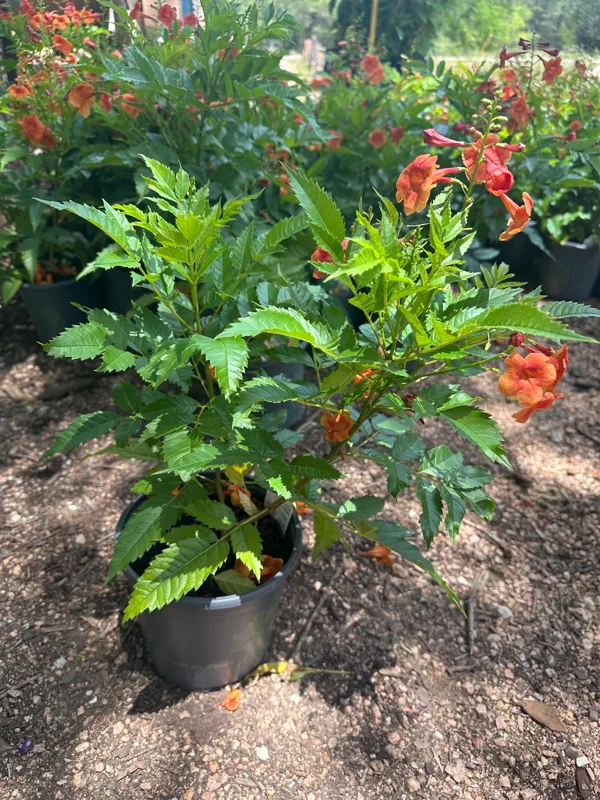
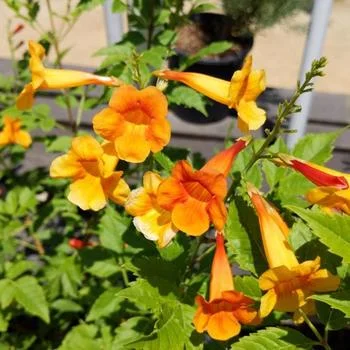
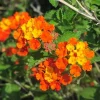
Bring a vibrant splash of color to your garden or patio with the stunning Kalama Blood Orange Esperanza plant. This beautiful live plant, scientifically known as Tecoma stans, is celebrated for its prolific and brilliant orange-red, trumpet-shaped flowers that bloom continuously from spring through fall. Originating from the Americas, Esperanza, also commonly known as Yellow Bells or Trumpet Bush, adds a tropical flair to any setting. The ‘Kalama Blood Orange’ cultivar stands out with its particularly intense and captivating bloom color, making it a focal point in any landscape. This orange Esperanza shrub is not only visually appealing but also remarkably resilient, thriving in warm climates and attracting a host of pollinators like hummingbirds and butterflies to your outdoor space. Whether you’re an experienced gardener or just starting, this plant offers a rewarding and relatively easy-to-manage growing experience.
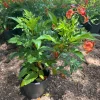
Our Kalama Blood Orange Esperanza plant arrives as a healthy, established specimen, ready to be planted and begin its journey of vibrant growth. It’s an excellent choice for adding vertical interest, creating colorful borders, or as a striking container plant on your deck or patio. Its robust nature makes it a reliable performer, ensuring you enjoy a season full of dynamic color and lively garden activity. Prepare to transform your outdoor areas into a tropical paradise with this exceptional flowering shrub.
Key Benefits
The Kalama Blood Orange Esperanza plant offers numerous advantages for any gardener looking to enhance their outdoor space with beauty and ecological benefit. Its striking appearance and hardy nature make it a top choice.
- Continuous, Showy Blooms: Enjoy a prolonged season of spectacular orange-red, trumpet-shaped flowers. These vibrant blooms provide constant visual interest and a cheerful atmosphere from late spring until the first frost, making your garden a lively spectacle.
- Attracts Pollinators: The bright flowers are a magnet for hummingbirds, butterflies, and bees, bringing essential pollinators and dynamic wildlife activity to your garden. This contributes to a healthier ecosystem and supports local biodiversity.
- Drought Tolerant: Once established, this drought tolerant plants selection requires minimal watering, making it an ideal choice for water-wise landscapes and regions with hotter climates. Its resilience ensures it remains beautiful even during dry spells.
- Low Maintenance: This Tecoma stans care variety is relatively easy to grow and maintain, requiring little more than occasional pruning to maintain shape and encourage new blooms. It’s perfect for busy gardeners or those new to gardening.
- Versatile Landscaping Use: Whether planted in the ground as a specimen shrub, part of a mixed border, or in containers, the Kalama Blood Orange Esperanza adapts well to various garden designs. Its upright growth habit makes it suitable for many landscape applications.
- Heat Loving: Thrives in full sun and high temperatures, making it an excellent choice for southern climates where many other plants might struggle. It truly performs best when soaking up the sun’s rays.
- Deer Resistant: Generally not preferred by deer, offering a greater chance of its vibrant blooms remaining undisturbed in areas where deer are a concern. This provides peace of mind for gardeners in rural or semi-rural settings.
Plant Care & Growing Tips
Proper Tecoma stans care is essential to ensure your Kalama Blood Orange Esperanza plant flourishes and provides continuous blooms throughout the season. This resilient shrub prefers full sun exposure, meaning at least six hours of direct sunlight daily. In hotter climates, a little afternoon shade can be beneficial to protect the flowers from scorching, but too much shade will reduce flowering. Well-draining soil is crucial; while the plant tolerates various soil types, it performs best in slightly acidic to neutral soil that doesn’t retain too much moisture. Amend heavy clay soils with organic matter to improve drainage.
Watering should be consistent but not excessive, especially during the establishment phase. Once established, the Kalama Blood Orange Esperanza plant is quite drought tolerant, requiring less frequent watering. Allow the top few inches of soil to dry out completely between waterings. Overwatering can lead to root rot, so err on the side of caution. Fertilize in spring with a balanced, slow-release granular fertilizer to encourage vigorous growth and abundant flowering. Pruning can be done in late winter or early spring to remove any dead or damaged branches and to shape the plant. Deadheading spent flowers is not strictly necessary but can encourage more blooms and maintain a tidier appearance. This orange Esperanza shrub is generally pest and disease resistant, making its care relatively straightforward.
Size & Details
The Kalama Blood Orange Esperanza plant typically ships as a healthy, actively growing specimen in a 1 gallon nursery container. At maturity, this vigorous shrub can reach a height of 3 to 6 feet and a similar spread, depending on growing conditions and pruning practices. Its growth rate is considered moderate to fast, allowing it to quickly establish itself and begin producing its stunning blooms. The plant forms an upright, somewhat open habit, making it suitable for various landscape applications. Expect continuous flowering from late spring through fall, providing an extended season of vibrant color. This plant is usually shipped in a well-hydrated state with its root ball intact, ensuring a smooth transition to your garden. It is a robust choice for creating impactful, long-lasting displays in your outdoor space.
Frequently Asked Questions
- Q: How big does this plant get? A: The Kalama Blood Orange Esperanza plant typically grows 3 to 6 feet tall and wide at maturity, depending on its growing conditions and whether it’s pruned. It has a moderate to fast growth rate, quickly filling out a space.
- Q: What size pot does it come in? A: This plant is shipped in a 1 gallon nursery pot, providing a healthy root system for successful transplanting into your garden or a larger container.
- Q: Is this an indoor or outdoor plant? A: The Kalama Blood Orange Esperanza plant is primarily an outdoor plant, thriving in full sun and warm temperatures. It can be grown in containers and brought indoors in colder climates during winter, but it prefers outdoor conditions.
- Q: How much sunlight does it need? A: This orange Esperanza shrub requires full sun, meaning at least 6 hours of direct sunlight daily, to produce the most abundant blooms. It can tolerate some partial shade, especially in very hot climates, but flowering may be reduced.
- Q: Is this plant easy to care for? A: Yes, the Kalama Blood Orange Esperanza plant is considered low-maintenance and relatively easy to care for, especially once established. It’s a great choice for both beginner and experienced gardeners due to its resilience and drought tolerance.
- Q: What condition will it arrive in? A: Your Kalama Blood Orange Esperanza plant will arrive as a healthy, well-rooted live plant in its nursery pot, carefully packaged to ensure its safe journey and readiness for planting.
- Q: Is it pet-safe? A: While generally not considered highly toxic, it’s always best to keep plants out of reach of pets, especially if known to chew on foliage. Consult a veterinarian if you have concerns about specific plants and your pets.
- Q: When is the best time to plant? A: The best time to plant your Kalama Blood Orange Esperanza plant is in spring after the last frost, or in early fall in warmer climates. This allows the plant sufficient time to establish its root system before extreme temperatures.
- Q: What’s the minimum temperature it can tolerate? A: This plant is best suited for USDA Zones 9-11. It can tolerate light frosts but will likely suffer damage or die back to the ground in colder temperatures. In zones below 9, it is often grown as an annual or overwintered indoors.
- Q: Is this plant considered a drought tolerant plants? A: Yes, once established, the Kalama Blood Orange Esperanza plant is highly drought tolerant, making it an excellent choice for xeriscaping or gardens in arid regions. It prefers to have its soil dry out between waterings.



Reviews
There are no reviews yet.