Overview
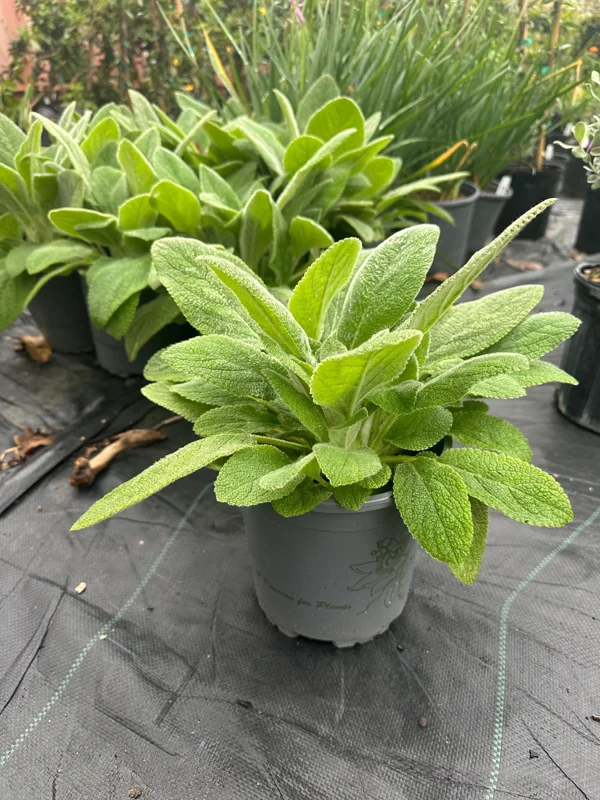
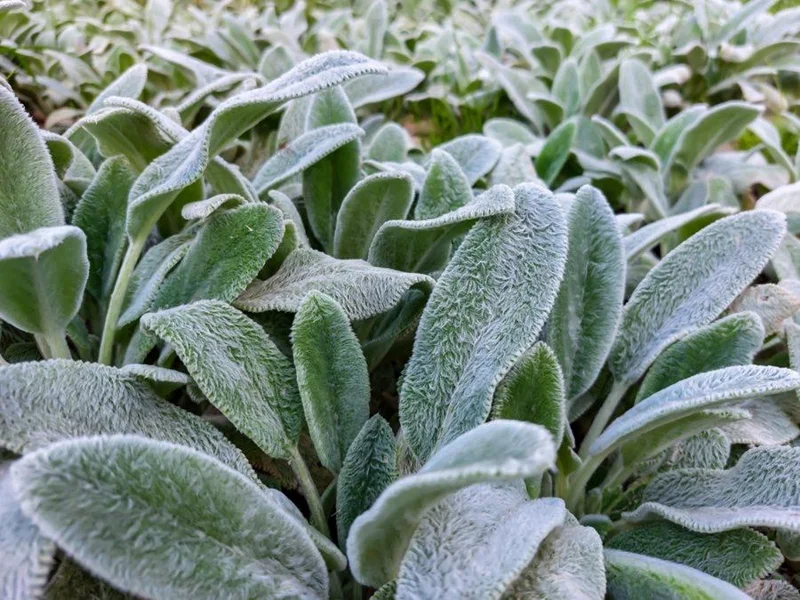
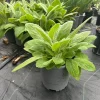
Introduce the captivating texture and serene beauty of the lamb’s ear live plant to your outdoor space. This delightful perennial, scientifically known as Stachys byzantina, is celebrated for its distinctive soft, silvery-green leaves that feel remarkably like lamb’s ears. Originating from the Middle East, it has become a beloved garden staple in the US due to its unique appearance and robust nature. Our 1-gallon potted plant provides a substantial start for your garden, ready to establish and flourish. Perfect for adding a tactile element to perennial beds, creating soft borders, or filling in sunny areas, this lamb’s ear live plant is a versatile and charming addition that will draw admiration from all who encounter it. Its ability to thrive in challenging conditions makes it particularly appealing for gardeners seeking beauty with minimal effort.
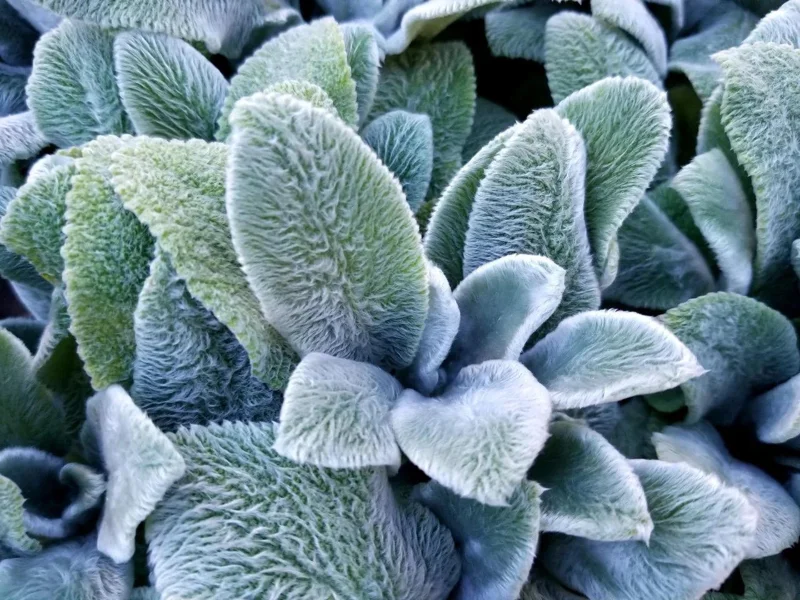
The lamb’s ear live plant is not just visually appealing; its velvety foliage is a delight to touch, making it a favorite for children’s gardens and sensory landscapes. Beyond its aesthetic charm, this plant is incredibly resilient, offering a low-maintenance solution for various garden designs. Its ability to form a dense mat of foliage also makes it an excellent choice for ground cover, suppressing weeds and protecting soil. With its calming silver hues, it pairs beautifully with a wide range of flowering plants, enhancing their colors and providing a sophisticated contrast. Embrace the ease and elegance that a well-established lamb’s ear live plant brings to your garden.
Key Benefits
The lamb’s ear live plant offers a multitude of benefits that make it an indispensable addition to any garden. Its unique characteristics contribute to both the aesthetic appeal and the ecological balance of your landscape.
- Exceptional Drought Tolerance: Once established, this drought tolerant lamb’s ear requires minimal watering, making it an ideal choice for xeriscaping or areas with water restrictions. It conserves water while maintaining its lush appearance.
- Unique Silver Foliage: The soft, silvery-green leaves provide a striking contrast to traditional green plants and vibrant flowers, adding depth and visual interest to garden beds and borders. Its color remains consistent throughout the growing season.
- Low Maintenance Perennial: This plant is incredibly easy to care for, requiring little more than occasional deadheading of spent flower stalks. It’s resistant to most pests and diseases, making it perfect for busy gardeners.
- Versatile Garden Use: Whether used as a ground cover, border plant, in rock gardens, or as an accent in containers, the stachys byzantina plant adapts well to various landscape roles. Its spreading habit helps to fill in empty spaces effectively.
- Deer and Rabbit Resistant: The fuzzy texture of the leaves deters deer and rabbits, protecting your garden from common browsing damage. This means you can enjoy its beauty without constant worry.
- Attractive to Pollinators: While primarily grown for its foliage, the spikes of purple flowers that emerge in summer are attractive to bees and other beneficial pollinators, contributing to a healthy garden ecosystem.
- Sensory Appeal: The velvety texture of the leaves makes it a wonderful addition to sensory gardens, inviting touch and providing a unique tactile experience for all ages. It’s a plant that engages more than just the eyes.
Plant Care & Growing Tips
Caring for your lamb’s ear live plant is straightforward, ensuring a beautiful display with minimal effort. This hardy perennial thrives on neglect, making it an excellent choice for both novice and experienced gardeners. For optimal growth, plant your lamb’s ear in a location that receives full sun, meaning at least 6 hours of direct sunlight per day. While it can tolerate some partial shade, too much shade can lead to leggy growth and increased susceptibility to fungal diseases, as well as diminish the vibrancy of its characteristic silver foliage. Ensuring good air circulation around the plants is also beneficial, especially in humid climates.
When it comes to watering, the drought tolerant lamb’s ear prefers dry conditions. Water thoroughly after planting to help establish the root system, but once established, reduce watering significantly. Allow the soil to dry out completely between waterings. Overwatering is the most common cause of problems, leading to root rot. Well-draining soil is crucial; sandy or gravelly soil is ideal. If your soil is heavy clay, amend it with organic matter and sand to improve drainage. Fertilization is generally not necessary for this plant; in fact, rich soil can lead to less vibrant foliage and more succulent growth that is prone to rot. If your plants appear to be struggling, a light application of a balanced, slow-release fertilizer in spring can be considered, but often, less is more with this particular species. Deadhead spent flower stalks to encourage the plant to put energy into its foliage and maintain a tidy appearance. The furry leaf plant is quite resilient.
The stachys byzantina plant is winter hardy in USDA Zones 4-9. In colder zones, it may benefit from a layer of mulch in late fall to protect its roots. In very hot and humid climates, some gardeners find that the plant can struggle with humidity-induced rot; ensuring good air circulation and planting in raised beds or on slopes can mitigate this. Periodically dividing overgrown clumps every 3-5 years in early spring or fall can rejuvenate the plant and prevent overcrowding. With these simple care tips, your lamb’s ear live plant will provide years of beautiful, low-maintenance enjoyment.
Size & Details
This offering is for one lamb’s ear live plant, provided in a 1 gallon nursery pot, ensuring a robust and well-rooted specimen ready for immediate planting in your garden. At the time of shipping, the plant typically stands between 6-10 inches tall and has a spread of 8-12 inches, depending on the growing season. This size allows for quick establishment and noticeable growth within its first season in your landscape. The plant is known for its moderate to fast growth rate, quickly forming a dense mat of its distinctive silver foliage plant.
When mature, a single stachys byzantina plant can reach a height of 1-1.5 feet, with flower stalks extending up to 2 feet, and spread outwards to cover an area of 1.5-2 feet wide. It forms a beautiful, low-growing carpet, making it an excellent choice for ground cover or the front of a border. The plant typically blooms in late spring to early summer, producing subtle purple flower spikes that rise above the fuzzy leaves. You can expect your plant to begin showing significant growth and spreading within the first few months after planting, provided it receives adequate sunlight and proper drainage. This drought tolerant lamb’s ear is shipped carefully to ensure it arrives healthy and ready to thrive in its new home.
Frequently Asked Questions
- Q: How big does this plant get? A: This lamb’s ear live plant typically grows 1 to 1.5 feet tall with a spread of 1.5 to 2 feet wide at maturity. The flower stalks can reach up to 2 feet in height during bloom season.
- Q: What size pot does it come in? A: The plant is shipped in a 1 gallon nursery pot, providing a well-established root system for successful transplanting.
- Q: Is this an indoor or outdoor plant? A: Lamb’s Ear is primarily an outdoor perennial, thriving in garden beds, borders, and rock gardens in full sun conditions. It is not typically grown as an indoor houseplant.
- Q: How much sunlight does it need? A: This plant requires full sun, meaning at least 6 hours of direct sunlight per day, to maintain its compact form and vibrant silver foliage. Partial shade can be tolerated but may result in leggier growth.
- Q: Is this plant easy to care for? A: Yes, the stachys byzantina plant is renowned for being very easy to care for and is an excellent choice for beginners due to its drought tolerance and minimal maintenance requirements.
- Q: What condition will it arrive in? A: Your lamb’s ear live plant will arrive healthy and well-packaged, ready for planting. We take great care to ensure the plant’s safe journey to your garden.
- Q: How long until it blooms? A: Depending on when it is planted and its maturity, your lamb’s ear may produce its purple flower spikes in late spring to early summer of the first year, or the following year once established.
- Q: Will it survive winter in my zone? A: This furry leaf plant is hardy in USDA Zones 4-9, meaning it can withstand winter temperatures in these regions and return year after year.
- Q: Is the silver foliage plant deer resistant? A: Yes, the fuzzy texture of the leaves makes Lamb’s Ear highly resistant to deer and rabbits, making it a great choice for gardens prone to browsing.
- Q: What type of soil does this drought tolerant lamb’s ear prefer? A: It prefers well-draining soil, ideally sandy or gravelly. Avoid heavy clay soils that retain too much moisture, as this can lead to root rot.




Reviews
There are no reviews yet.