Overview
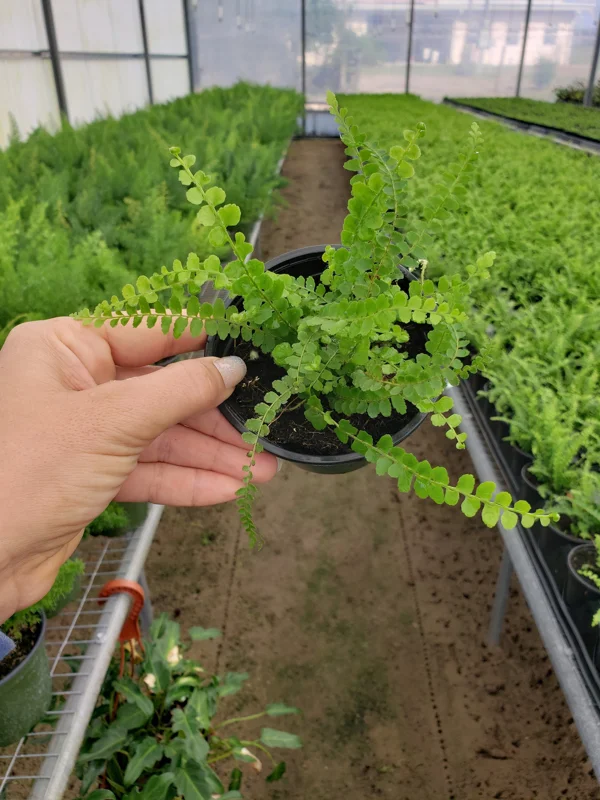
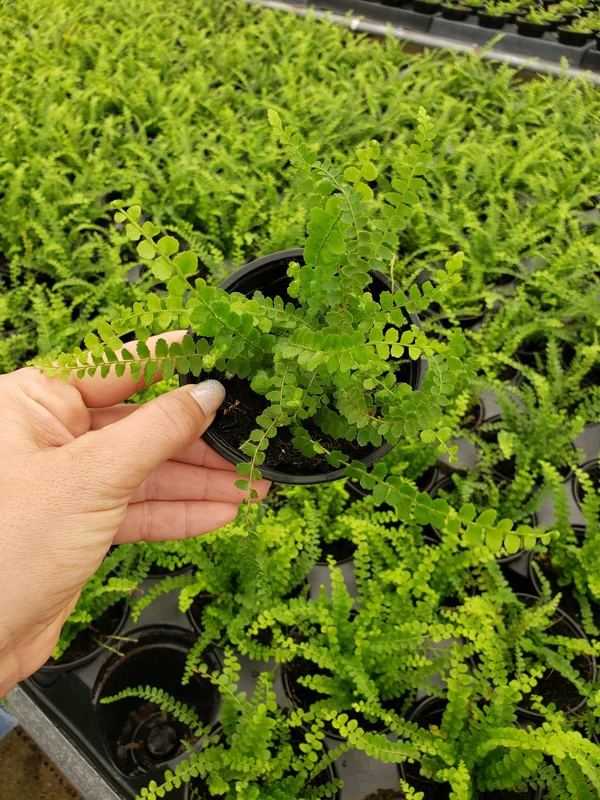
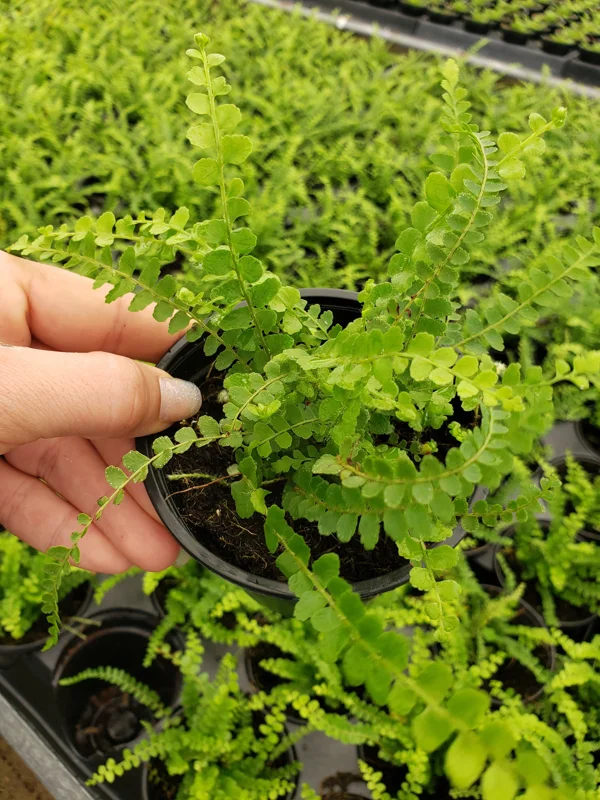
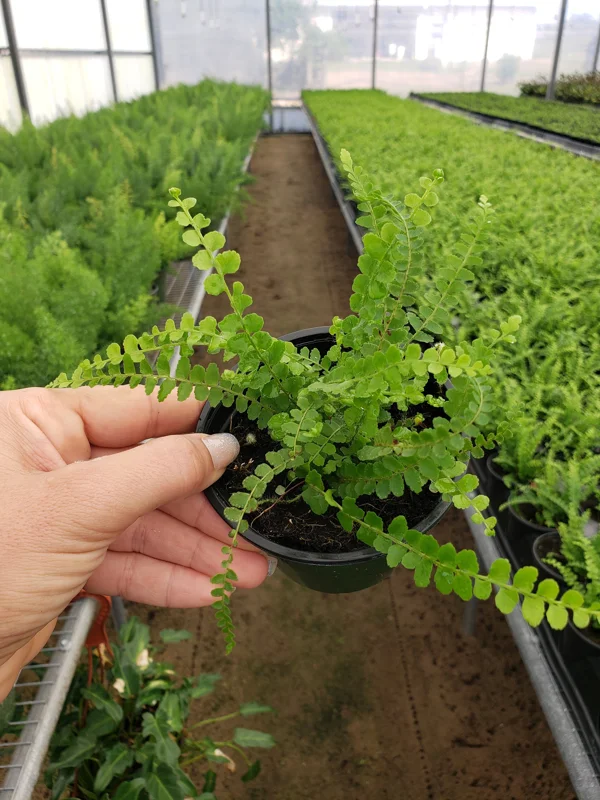
Introduce a touch of natural elegance to your indoor environment with the exquisite lemon button fern live plant. This charming plant, scientifically known as Nephrolepis cordifolia ‘Duffii’, is celebrated for its petite, button-like leaves that form a dense, lush mound of vibrant green foliage. Arriving in a convenient 4 inch nursery pot, this nephrolepis cordifolia duffii fern is ready to thrive in your home, adding a refreshing burst of nature to any room. It’s an excellent choice for those seeking a resilient and visually appealing houseplant that contributes to a serene and healthy living space.
The lemon button fern live plant is a popular selection for its delicate appearance and manageable size, making it suitable for desks, shelves, or as part of a larger plant collection. Its unique texture and bright color provide a calming aesthetic that can enhance any decor style, from modern minimalist to cozy bohemian.
Key Benefits
The lemon button fern live plant offers a multitude of benefits beyond its aesthetic appeal, making it a wonderful addition to any home. Its natural qualities contribute to a healthier and more inviting indoor atmosphere.
- Air Purification: This indoor fern plant naturally helps to filter and purify the air in your home, contributing to a cleaner and fresher environment. It’s a living air filter that enhances indoor air quality.
- Compact & Decorative: With its small, appealing fronds and compact growth habit, the lemon button fern live plant is perfect for small spaces, terrariums, or as a charming accent on shelves and windowsills.
- Easy to Care For: Known as an easy care fern, this plant is forgiving and requires minimal attention once its basic needs for light and moisture are met, making it ideal for busy individuals or novice plant parents.
- Boosts Humidity: Like many ferns, the nephrolepis cordifolia duffii releases moisture into the air through transpiration, subtly increasing the humidity around it, which can be beneficial in dry indoor climates.
- Stress Reduction: Studies suggest that having plants like the lemon button fern live plant indoors can reduce stress levels, improve mood, and increase feelings of well-being.
- Pet-Friendly: This beautiful fern is generally considered non-toxic to pets, offering peace of mind for households with curious cats and dogs.
- Versatile Placement: Its preference for indirect light allows for flexible placement in various rooms of your home, from bathrooms with higher humidity to well-lit living areas.
Plant Care & Growing Tips
Caring for your lemon button fern live plant is straightforward, especially with a few key considerations to keep it thriving. This easy care fern prefers conditions that mimic its natural tropical habitat, focusing on consistent moisture and indirect light.
Sunlight Requirements: The nephrolepis cordifolia duffii thrives in bright, indirect light. Avoid direct sunlight, which can scorch its delicate fronds and lead to browning. An east-facing window or a few feet away from a south or west-facing window is often ideal. If placed in a darker spot, consider supplementing with a grow light to maintain its vibrant green color and compact form.
Watering Schedule: Consistency is key for optimal lemon button fern care. Keep the soil consistently moist but never waterlogged. Water thoroughly when the top inch of soil feels slightly dry to the touch. Ensure proper drainage to prevent root rot. Reduce watering slightly in the cooler, darker winter months when the plant’s growth slows. Misting the fronds regularly or placing the pot on a pebble tray filled with water can help maintain the high humidity this indoor fern plant loves.
Soil Type and Drainage: A well-draining, peat-based potting mix is ideal for your lemon button fern live plant. Look for a mix formulated for ferns or houseplants that retains some moisture but doesn’t become soggy. Good drainage is crucial to prevent fungal issues and ensure healthy root development. Repotting is generally needed every 1-2 years, or when the plant becomes root-bound, moving up one pot size.
Temperature and Humidity: This tropical fern prefers temperatures between 65-75°F (18-24°C) and high humidity. Avoid placing it near drafts from open windows, air conditioners, or heating vents, as sudden temperature fluctuations can stress the plant. For optimal humidity, consider placing it in a bathroom, using a humidifier, or grouping it with other plants to create a microclimate. The key to successful lemon button fern care often lies in managing its moisture and humidity needs.
Fertilization: During the active growing season (spring and summer), feed your lemon button fern live plant once a month with a balanced liquid houseplant fertilizer diluted to half strength. Avoid fertilizing in fall and winter when the plant is dormant. Over-fertilization can harm the plant, so always follow the product’s instructions carefully.
Common Problems: Yellowing leaves can indicate overwatering or nutrient deficiency, while crispy, brown fronds often suggest too little humidity or underwatering. Pests like spider mites can be an issue in dry conditions; regular misting can help deter them. Inspect your plant regularly and address any issues promptly to keep your indoor fern plant healthy.
Size & Details
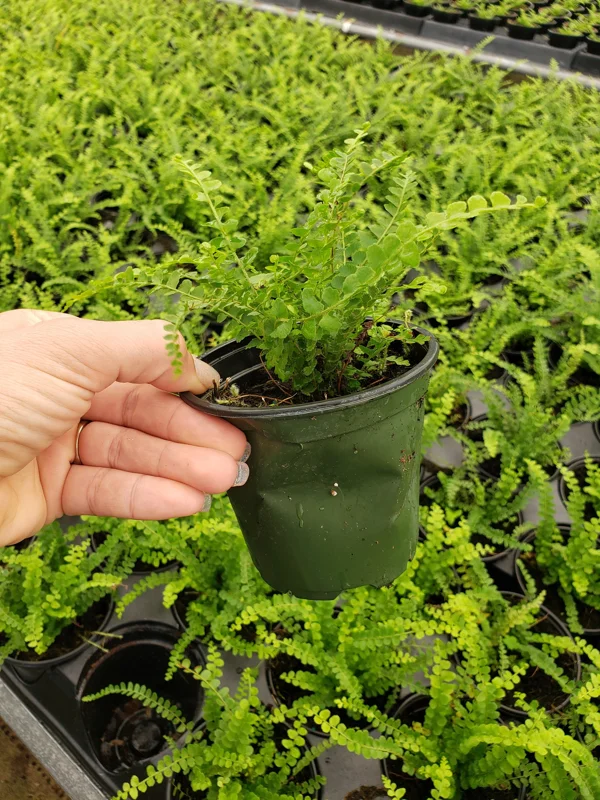
Your lemon button fern live plant arrives as a healthy, established specimen, nestled in a 4 inch nursery pot. This compact size makes it incredibly versatile for various indoor settings, fitting perfectly on shelves, desks, or as part of a mixed plant arrangement. The plant typically reaches a mature height of 8-12 inches with a similar spread, providing a dense, bushy appearance without becoming overly large. Its moderate growth rate means it will gradually fill out its space, offering continuous beauty.
This nephrolepis cordifolia duffii is shipped as a fully rooted plant in its original growing medium, ensuring a smooth transition to its new home. Expect vibrant, healthy fronds upon arrival, ready to bring life and color to your space. While individual plant sizes and shapes may vary slightly due to their natural growth patterns, each plant is carefully selected to represent the species’ best characteristics. With proper lemon button fern care, this plant will flourish and become a long-lasting, cherished part of your indoor garden.
Frequently Asked Questions
- Q: How big does this plant get? A: The lemon button fern live plant typically grows to a height of 8-12 inches and a similar spread, making it a compact and manageable indoor plant perfect for various spaces.
- Q: Is this an indoor or outdoor plant? A: This is primarily an indoor fern plant, thriving in controlled environments. It can be placed outdoors in shaded, humid conditions in very warm climates (USDA zones 9-11) but is most commonly enjoyed as a houseplant.
- Q: How much sunlight does it need? A: The lemon button fern live plant prefers bright, indirect light. Direct sunlight should be avoided as it can scorch the delicate fronds.
- Q: Is this plant easy to care for? A: Yes, it is considered an easy care fern, making it suitable for beginners. Its main requirements are consistent moisture and indirect light.
- Q: What condition will it arrive in? A: Your nephrolepis cordifolia duffii will arrive as a healthy, live plant in a 4 inch nursery pot, carefully packaged to ensure its safe journey.
- Q: How often should I water my lemon button fern? A: Keep the soil consistently moist, but not waterlogged. Water when the top inch of soil feels slightly dry to the touch. Regular misting is also beneficial for lemon button fern care.
- Q: Is the lemon button fern pet-safe? A: Yes, the lemon button fern live plant is generally considered non-toxic to cats and dogs, making it a safe choice for pet owners.
- Q: What kind of soil does it need? A: A well-draining, peat-based potting mix is ideal. Ensure good drainage to prevent root rot.
- Q: Does it require high humidity? A: Yes, this indoor fern plant thrives in high humidity. You can increase humidity by misting, using a pebble tray, or placing it in a humid room like a bathroom.
- Q: When should I fertilize my lemon button fern? A: Fertilize monthly during the spring and summer growing seasons with a diluted liquid houseplant fertilizer. Reduce or stop fertilizing in fall and winter.






Reviews
There are no reviews yet.