Overview
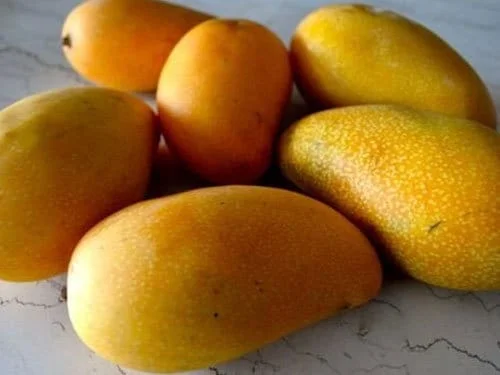
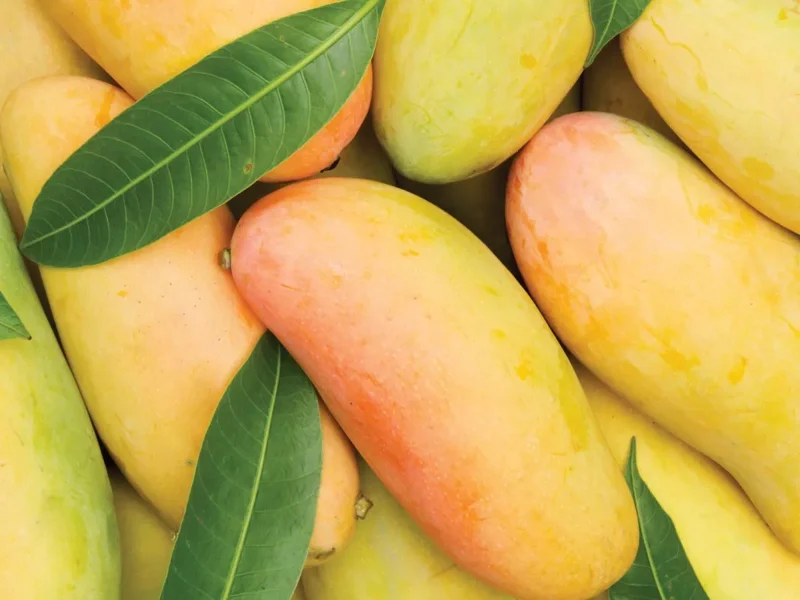
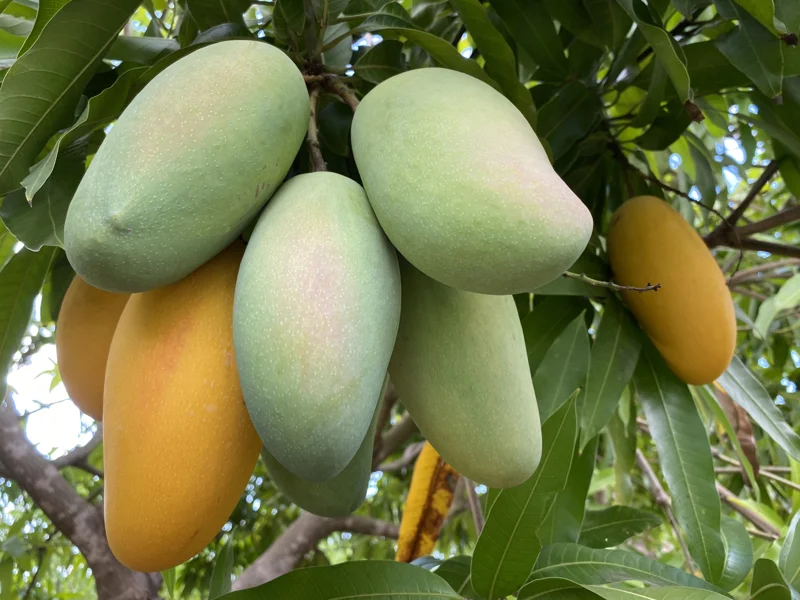
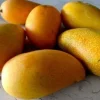
Bring the taste of the tropics to your home garden with a premium lemon zest mango tree. This exceptional grafted live plant is renowned for its outstanding fruit quality, offering a delightful balance of sweetness and a distinct citrusy, almost lemony, undertone. Unlike seed-grown varieties, this grafted mango plant ensures true-to-type fruit production and often begins bearing fruit much sooner, sometimes within 2-3 years. Originating from Florida, the ‘Lemon Zest’ mango (Mangifera indica ‘Lemon Zest’) is a relatively new and highly sought-after cultivar among mango enthusiasts for its fiber-free flesh, vibrant yellow skin, and incredibly aromatic pulp. It’s an excellent choice for those looking to expand their edible landscape with a unique and rewarding tropical fruit tree.
This particular lemon zest mango tree is a robust specimen, typically arriving 1 to 2 feet in height and established in a 3-gallon nursery pot, making it well-prepared for transplanting into your garden or a larger container. Its manageable size at shipping makes it easier to handle and establish, while its vigorous growth habit promises a thriving tree that will bring joy for years to come. Whether you’re an experienced gardener or new to growing mangoes, this variety offers a rewarding experience with its beautiful foliage and delicious harvest.
Key Benefits
The lemon zest mango tree offers numerous advantages, making it a star addition to any fruit tree collection. Its unique characteristics contribute to both its aesthetic appeal and its practical value as a food source, ensuring a delightful and productive gardening experience.
- Exquisite Fruit Flavor: Enjoy delicious, fiber-free mangoes with a unique sweet-tart flavor profile, reminiscent of lemon and mango. The vibrant yellow skin and juicy, aromatic flesh make it a gourmet choice for fresh eating, desserts, and culinary creations.
- Grafted for Early Production: As a grafted mango plant, it is genetically identical to the parent tree, guaranteeing the desired fruit characteristics. Grafting also promotes earlier fruiting compared to seed-grown trees, allowing you to enjoy harvests sooner.
- Vigorous Growth & Adaptability: This cultivar is known for its strong growth habit and adaptability to various growing conditions, provided its basic needs are met. It can be grown in the ground in warm climates or successfully maintained in a large container in cooler regions, allowing for protection during winter.
- Attractive Ornamental Value: Beyond its fruit, the lemon zest mango tree is a beautiful ornamental plant. Its lush, glossy green leaves provide a tropical aesthetic to any garden or patio, making it a focal point even when not in fruit.
- Homegrown Freshness: Nothing compares to the taste of freshly picked mangoes from your own tree. You’ll have access to organic, ripe fruit, free from pesticides and picked at peak ripeness for maximum flavor and nutritional value.
- Rewarding Gardening Experience: Cultivating your own tropical fruit provides immense satisfaction. Learning about mango plant care and nurturing your tree to produce delicious fruit is a fulfilling endeavor for any plant enthusiast.
- Disease Resistance: The ‘Lemon Zest’ variety exhibits good resistance to some common mango diseases, contributing to easier maintenance and a healthier tree overall.
Plant Care & Growing Tips
Successful mango plant care for your lemon zest mango tree involves understanding its specific needs for light, water, soil, and nutrients. Mangoes are tropical plants that thrive in warm, humid conditions, but with proper care, they can flourish in a variety of settings.
Sunlight Requirements: Mango trees are sun-loving plants and require at least 6-8 hours of direct sunlight per day to produce abundant fruit. In hot climates, some afternoon shade can be beneficial to prevent leaf scorch. If growing in a container, choose a location with maximum sun exposure. For indoor cultivation, a south-facing window or supplemental grow lights are essential. Adequate light is crucial for flower and fruit development, making sunlight a key factor when growing mangoes.
Watering Schedule & Soil Moisture: Water your mango tree regularly, especially during its establishment phase and during dry periods. The goal is to keep the soil consistently moist but never waterlogged. Allow the top 1-2 inches of soil to dry out between waterings. Reduce watering frequency in cooler months or if the tree is dormant. Overwatering can lead to root rot, so good drainage is paramount. A simple moisture meter can help you monitor soil moisture accurately.
Soil Type & Drainage: Mango trees prefer well-draining, slightly acidic soil with a pH between 6.0 and 7.0. A sandy loam enriched with organic matter is ideal. If planting in a container, use a high-quality potting mix specifically formulated for tropical fruit trees, ensuring excellent drainage. Amending heavy clay soils with compost and sand can improve drainage. Good drainage is vital to prevent waterlogged roots, which can be detrimental to your grafted mango plant.
Temperature Range & USDA Hardiness Zone: The lemon zest mango tree is a tropical plant and is best suited for USDA Hardiness Zones 9-11. It can tolerate brief dips in temperature, but prolonged exposure to temperatures below 30°F (-1°C) can cause significant damage or even death. If you live in a cooler zone, container growing is recommended so the tree can be moved indoors during winter. Protect young trees from frost with blankets or covers.
Fertilization Schedule & Type: Fertilize your mango tree every 2-3 months during the growing season (spring through fall) with a balanced fertilizer formulated for fruit trees, such as a 8-3-9 or 6-2-10 NPK ratio. Look for fertilizers that also contain essential micronutrients like iron, zinc, and manganese. Reduce or stop fertilization during winter dormancy. Follow product instructions carefully to avoid over-fertilization, which can burn the roots. Proper nutrition is key for a healthy and productive lemon zest mango tree.
Common Problems & Solutions: Watch out for common pests like aphids, scale, and mealybugs. These can usually be managed with horticultural oil or insecticidal soap. Fungal diseases such as powdery mildew can occur in humid conditions; ensure good air circulation and consider organic fungicides if necessary. Proper watering and nutrient management will help prevent most issues and keep your grafted mango plant robust.
Size & Details
This lemon zest mango tree is typically shipped as a young, actively growing specimen, measuring approximately 1 to 2 feet in height from the base of the pot. It is a grafted mango plant, meaning a scion of the ‘Lemon Zest’ variety has been joined to a hardy rootstock, ensuring the genetic purity and desired characteristics of the fruit. The tree arrives securely established in a 3-gallon nursery pot, providing a good root system ready for transplanting. While growth rates vary based on climate and care, under optimal conditions, a young mango tree can grow several feet per year, eventually reaching a mature height of 10-20 feet in a home garden, though it can be kept smaller with regular pruning, especially when growing mangoes in containers.
Expect your lemon zest mango tree to begin flowering and fruiting within 2-4 years of planting, given proper care and environmental conditions. The fruit typically ripens in late spring to early summer, offering a delightful harvest season. This tropical fruit tree is a long-term investment, providing delicious, healthy fruit for many years to come with consistent mango plant care.
Frequently Asked Questions
- Q: How big does this plant get? A: This lemon zest mango tree is shipped at 1 to 2 feet tall. Mature trees can reach 10-20 feet in height when planted in the ground, but they can be kept smaller through pruning, especially when grown in containers.
- Q: What size pot does it come in? A: Your grafted mango plant will arrive established in a 3-gallon nursery pot, providing a healthy root system for transplanting.
- Q: Is this an indoor or outdoor plant? A: While primarily an outdoor plant in USDA Zones 9-11, it can be grown in large containers indoors or on patios in cooler climates, provided it receives ample sunlight and is protected from cold temperatures.
- Q: How much sunlight does it need? A: The lemon zest mango tree requires at least 6-8 hours of direct sunlight per day for optimal growth and fruit production. More sun generally means more fruit.
- Q: Is this plant easy to care for? A: With consistent mango plant care, including proper watering, sunlight, and fertilization, it is moderately easy to care for. It’s a rewarding experience for those interested in growing mangoes.
- Q: What condition will it arrive in? A: Your tree will arrive as a live, healthy plant, carefully packaged to ensure its safety during transit, with its roots securely in the 3-gallon pot.
- Q: Can I use the fruit of the lemon zest mango tree in cooking? A: Absolutely! The ‘Lemon Zest’ mango is highly prized for its delicious, fiber-free flesh and unique citrusy flavor, making it excellent for fresh eating, smoothies, desserts, salsas, and other culinary applications.
- Q: How long until it blooms and produces fruit? A: As a grafted tree, your lemon zest mango tree can start producing fruit within 2-4 years after planting, depending on growing conditions and care.
- Q: What’s the best time to plant this mango tree? A: The best time to plant is typically in spring or early summer, after all danger of frost has passed, allowing the tree ample time to establish itself before cooler weather.
- Q: Will it survive winter in my zone? A: This tropical tree is suitable for USDA Zones 9-11. If you are outside these zones, you will need to protect the tree from freezing temperatures by bringing it indoors or providing significant winter protection.




Reviews
There are no reviews yet.