Overview
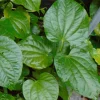
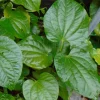
Introduce the exotic flavor and lush greenery of the Lolot Betel Leaves Bare Roots to your garden. This offering includes a set of 10 high-quality Piper Sarmentosum plant bare roots, ready to establish and thrive in your outdoor space. Known botanically as Piper sarmentosum, and commonly referred to as wild betel or Vietnamese betel, this plant is a favorite in Southeast Asian cuisine. Unlike the traditional Indian or Pakistani betel, this variety is distinct, offering a unique peppery, earthy flavor that elevates many dishes. These bare roots are a cost-effective and efficient way to start your own vigorous patch of lolot betel, ensuring a continuous supply of fresh leaves. With proper care, these roots will quickly develop into mature plants, providing abundant foliage for all your culinary adventures. The Piper Sarmentosum plant is a vigorous grower, perfect for ground cover or container gardening in warmer climates. Its broad, heart-shaped leaves are not only beautiful but also highly sought after for their aromatic qualities. This set of 10 bare roots provides a strong foundation for a thriving garden. Whether you’re an experienced gardener or just starting out, growing your own Lolot Betel Leaves Bare Roots offers immense satisfaction and fresh, flavorful ingredients right at your fingertips. Prepare to be delighted by the resilience and productivity of these remarkable plants.
Cultivating your own Lolot Betel Leaves Bare Roots allows you to experience the joy of fresh, organic produce directly from your garden. These robust plants are easy to grow and maintain, making them an ideal choice for both novice and seasoned gardeners. The distinct flavor profile makes them a culinary delight, adding an authentic touch to various dishes. Their rapid growth ensures a steady harvest, providing you with fresh leaves whenever you need them. Embrace the rewarding experience of growing your own exotic herbs with this exceptional set of bare roots.
Key Benefits
Growing your own Lolot Betel Leaves Bare Roots comes with a multitude of advantages, enhancing both your garden and your culinary endeavors. These benefits extend from their ease of growth to their versatile use in the kitchen, making them a valuable addition to any plant enthusiast’s collection.
- Culinary Versatility: The leaves of Piper Sarmentosum plant are a staple in Vietnamese and other Southeast Asian cuisines. They are often used to wrap grilled meats, seafood, or other fillings, imparting a distinct, aromatic flavor. You can also chop them into salads or stir-fries for a fresh, peppery kick, making them essential for those who love to cook with fresh herbs.
- Vigorous Growth Habit: These plants are known for their robust growth, spreading readily when planted in the ground. They produce both upright stems for harvesting leaves and lateral runners that root to form new plants, ensuring a continuous supply of fresh leaves throughout the growing season.
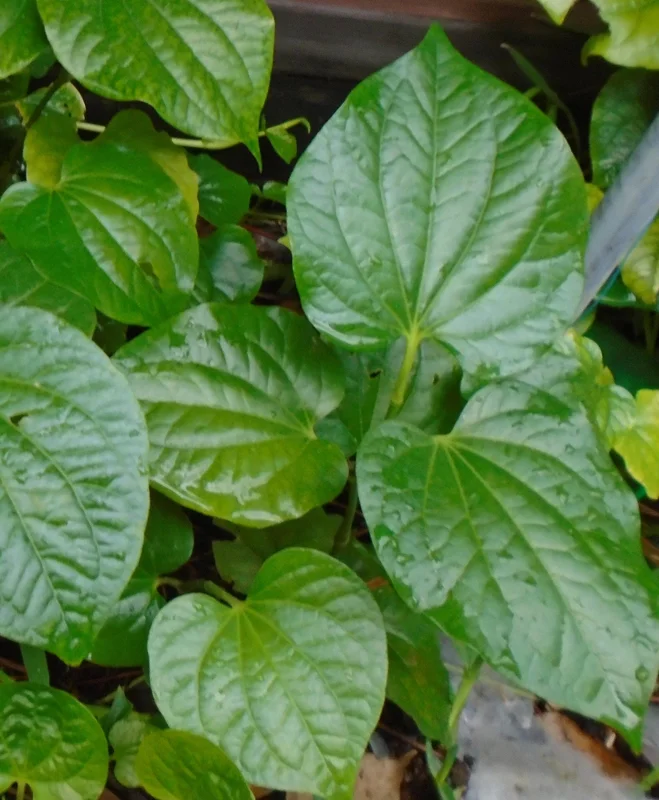
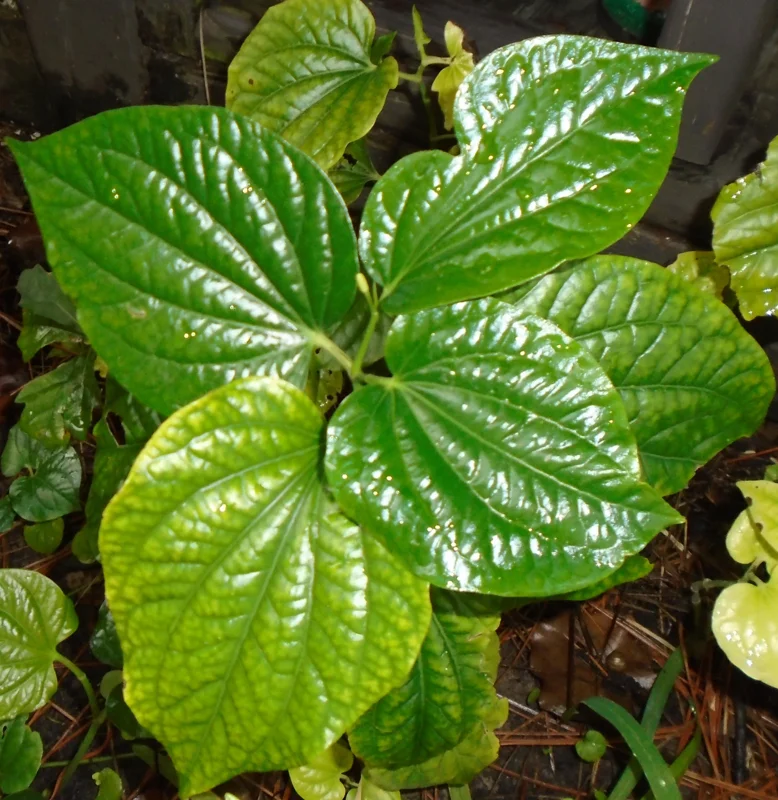
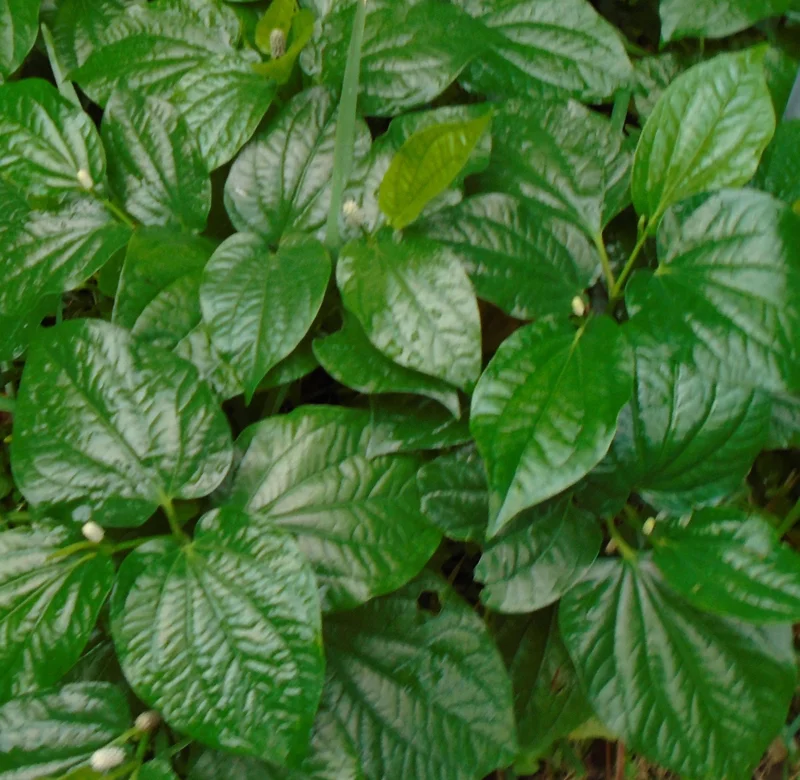
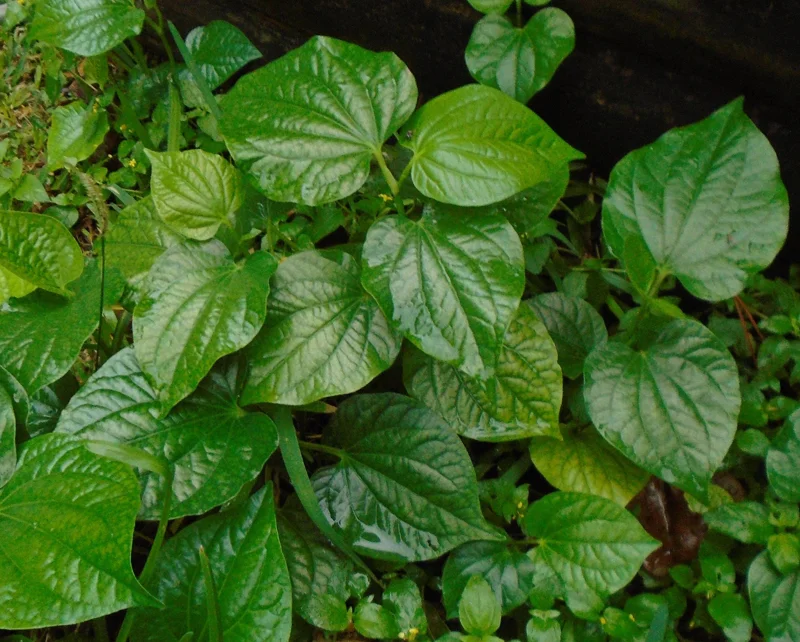
- Ornamental Appeal: With their attractive, glossy green, heart-shaped leaves, lolot leaves can serve as an appealing groundcover or an interesting addition to a mixed container garden. Their lush foliage adds a tropical touch to any setting, enhancing the aesthetic of your outdoor space.
- Easy to Propagate: Once established, these plants are incredibly easy to propagate from cuttings or by allowing the runners to root. This means you can easily expand your patch or share with friends, ensuring you always have plants on hand and fostering a sustainable gardening practice.
- Adaptable to Shade: While many edibles require full sun, grow Betel leaves thrive in partial to full shade, making them an excellent choice for shadier spots in your garden where other herbs might struggle. This adaptability contributes to their low-maintenance nature and broadens planting options.
- Freshness Guaranteed: By growing your own, you have access to the freshest possible leaves, free from pesticides and picked at their peak. This ensures the best flavor and nutritional value for your culinary creations, promoting healthier eating.
- Sustainable Gardening: Cultivating your own herbs like the Vietnamese Betel plant care reduces your reliance on store-bought produce, promoting a more sustainable and self-sufficient lifestyle. It’s an eco-friendly way to enjoy fresh ingredients.
Plant Care & Growing Tips
Caring for your Lolot Betel Leaves Bare Roots is straightforward, especially when you understand its preferred growing conditions. These plants are relatively low-maintenance, making them suitable for gardeners of all experience levels. Upon receiving your Piper Sarmentosum plant bare roots, it’s crucial to rehydrate them by placing them in water for a couple of days before planting. This helps them recover from transit and prepares them for establishment in their new home. For optimal growth, plant your lolot betel leaves in well-draining soil. While they tolerate a range of soil types, a rich, organic soil will promote the healthiest growth and most abundant leaves. These plants prefer partial to full shade; direct, harsh sunlight can scorch their leaves, leading to a less vibrant appearance. Aim for a location that receives filtered light or morning sun with afternoon shade. Regular watering is essential, especially during dry periods and when the plants are establishing. The soil should remain consistently moist but not waterlogged.
In terms of fertilization, a balanced all-purpose fertilizer can be applied during the growing season to encourage lush foliage. For those in colder climates, remember that these plants will likely die back in winter but often return vigorously in spring from their root system. Protecting them with mulch can aid in their winter survival. Understanding how to grow Betel leaves effectively involves paying attention to their need for consistent moisture and protection from intense sun. They are generally resilient but can be susceptible to common garden pests if conditions are too dry or stressed. Regularly inspecting your plants and maintaining good air circulation can help prevent issues. If you live in an area with cold winters, consider growing them in containers that can be moved indoors, or treat them as annuals if you prefer. With mindful Vietnamese Betel plant care, you’ll enjoy a bountiful harvest of delicious leaves throughout the growing season.
Size & Details
This offering provides a set of 10 Lolot Betel Leaves Bare Roots, typically measuring 4 to 6 inches in length per stem. These bare roots are designed for planting directly into your garden or suitable containers. Once established, the Piper Sarmentosum plant bare roots can rapidly develop into thriving plants. Individual plants can spread significantly when grown in the ground, forming a lush groundcover. In containers, their growth will be more contained but still vigorous, often reaching a height of 10-18 inches with a similar spread. The growth rate is moderate to fast, especially in warm, humid conditions with consistent moisture and shade.
Expect these lolot leaves to begin showing new foliage within a few weeks of planting, given the right conditions. The mature leaves are typically 3-5 inches wide, perfect for culinary use. This set provides ample material to start a robust patch, ensuring you have a steady supply of fresh leaves. The bare root format allows for easy handling and planting, making the process of how to grow Betel leaves accessible for all gardeners.
Frequently Asked Questions
- Q: How big does this plant get? A: When planted in the ground, the Lolot Betel Leaves Bare Roots can spread extensively as a ground cover, with individual stems reaching 10-18 inches tall. In containers, its size will be more controlled, typically staying within similar height ranges but with less horizontal spread.
- Q: Is this an indoor or outdoor plant? A: While it can be grown indoors in a bright, humid environment, the Piper Sarmentosum plant bare roots are primarily suited for outdoor cultivation in USDA zones 9-11. In colder zones, they can be grown as annuals or brought indoors during winter.
- Q: How much sunlight does it need? A: This plant thrives in partial to full shade. Direct afternoon sun can scorch the leaves, so a location with filtered light or morning sun is ideal for optimal Vietnamese Betel plant care.
- Q: Is this plant easy to care for? A: Yes, the lolot betel leaves plant is considered relatively easy to care for, especially in warm, humid climates. Its main requirements are consistent moisture and protection from harsh sun, making it suitable for gardeners of all levels.
- Q: What condition will it arrive in? A: You will receive 10 bare root stems, typically 4-6 inches long, without soil. It is recommended to rehydrate them in water for a couple of days before planting to ensure the best start.
- Q: How long until it produces leaves for harvest? A: With proper planting and care, you can expect to begin harvesting leaves from your culinary Betel leaves within 4-8 weeks after the roots have successfully established and new growth appears.
- Q: Will it survive winter in my zone? A: The lolot betel leaves plant is hardy in USDA zones 9-11. In zones below 9, it will likely die back in winter but may return in spring if the roots are well-mulched and the winter is not excessively harsh. For colder areas, consider growing it in pots that can be moved indoors.
- Q: Can I use these leaves in cooking? A: Absolutely! These are the culinary variety of betel leaves, perfect for wrapping grilled meats, seafood, or adding a unique flavor to various Southeast Asian dishes. This is how to best grow Betel leaves for your kitchen.
- Q: What type of soil is best for planting? A: Well-draining, rich, and organic soil is ideal. Ensure good drainage to prevent root rot, as these plants prefer consistently moist but not waterlogged conditions for optimal growth.
- Q: What is the best way to ensure successful growth from bare roots? A: After rehydration, plant the bare roots horizontally or at a slight angle, just beneath the soil surface. Keep the soil consistently moist and place in a shaded location until new growth emerges, then follow standard Vietnamese Betel plant care guidelines.



Reviews
There are no reviews yet.