Overview
Embark on a rewarding gardening journey with your very own lychee tree live plant. This exquisite tropical fruit tree, scientifically known as Litchi chinensis, is celebrated for its sweet, fragrant fruit and ornamental appeal. Our offering is an airlayered specimen, typically ranging from 1 to 2 feet in height, ensuring a head start compared to plants grown from seed. Airlayering is a propagation method that encourages rooting on a branch while it’s still attached to the parent plant, resulting in a more mature and robust plant that fruits sooner. This method ensures genetic fidelity to the parent plant, guaranteeing the quality and characteristics of the delicious lychee fruit you’ll eventually harvest. Growing a lychee tree live plant adds a unique tropical flair to any garden or patio, inviting you to enjoy fresh, exotic fruit right from your backyard.
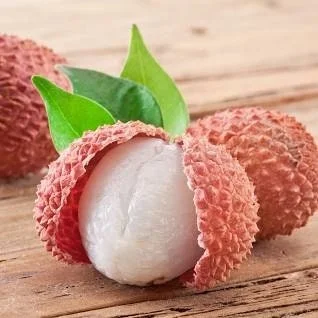
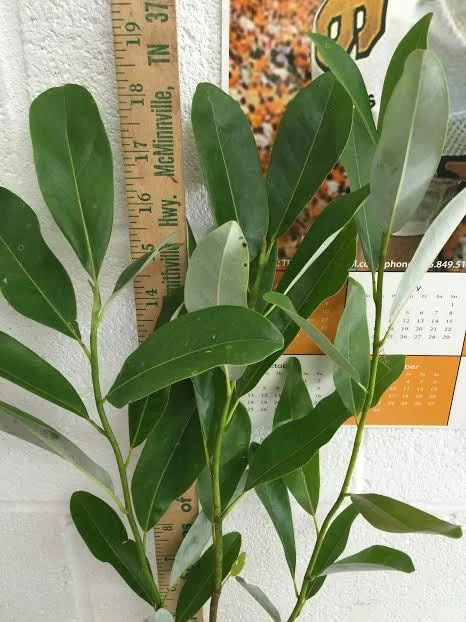
The lychee tree is a beautiful evergreen with glossy, dark green leaves, making it an attractive addition even when not in fruit. Originating from Southeast Asia, these trees thrive in warm, humid climates, producing clusters of small, oval-shaped fruits with a rough, reddish skin and translucent white flesh. The sweet and juicy pulp is a true delicacy, enjoyed fresh, in desserts, or beverages. With proper care, your new airlayered lychee tree will grow into a productive and cherished part of your landscape.
Key Benefits
Cultivating a lychee tree offers numerous advantages, from the joy of harvesting your own exotic fruit to enhancing your garden’s aesthetic. This lychee tree live plant promises a rewarding experience.
- Fresh, Exotic Fruit: Enjoy the unparalleled taste of freshly picked lychee fruit. The sweet, aromatic pulp is a culinary delight, far superior to store-bought varieties. Growing your own ensures you have access to ripe, flavorful fruit at its peak.
- Ornamental Beauty: The lychee tree is an evergreen with attractive glossy foliage, providing year-round visual interest. Its dense canopy offers shade and a lush, tropical feel to your garden or patio.
- Faster Fruiting: As an airlayered lychee tree, this plant is more mature than seed-grown counterparts, meaning it will likely produce fruit much sooner, often within 2-5 years. This accelerated maturity allows you to enjoy harvests sooner.
- Unique Garden Addition: Stand out from typical fruit trees with this tropical gem. A tropical fruit tree like the lychee adds a distinctive element to your landscape and is a great conversation starter.
- Rewarding Growing Experience: There’s immense satisfaction in nurturing a plant from a young specimen to a fruit-bearing tree. Learning about lychee plant care and seeing your efforts bear fruit is incredibly fulfilling.
- Health Benefits: Lychee fruit is rich in Vitamin C, antioxidants, and other beneficial nutrients, contributing to a healthy diet.
- Versatile Use: Beyond fresh consumption, lychees can be used in smoothies, salads, desserts, and even savory dishes, offering culinary versatility.
Plant Care & Growing Tips
Proper care is essential for a thriving lychee tree live plant. Lychee trees perform best in tropical to subtropical climates. They prefer temperatures between 70°F and 95°F and can tolerate brief drops but are sensitive to frost. If you live in a cooler climate, consider growing your lychee tree in a large container that can be moved indoors during winter. They require a significant amount of water, especially during flowering and fruiting periods. The soil should be kept consistently moist but not waterlogged. Good drainage is crucial to prevent root rot. During drier periods, deep watering once or twice a week is advisable. The best time to plant is in spring or early summer, allowing the tree to establish itself before cooler weather.
Lychee trees thrive in full sun, requiring at least 6-8 hours of direct sunlight per day to produce abundant fruit. Choose a location in your garden that receives ample sun exposure. When it comes to soil, they prefer well-draining, slightly acidic soil with a pH between 5.0 and 7.0. Amend heavy clay soils with organic matter to improve drainage and aeration. Fertilize young trees every 2-3 months with a balanced fertilizer, gradually reducing frequency to 3-4 times a year for mature trees. Look for fertilizers specifically formulated for acid-loving plants or tropical fruit trees. Pruning should be done after harvest to maintain shape, remove dead or diseased branches, and encourage new growth. Understanding lychee plant care will ensure a healthy and productive tree for years to come.
Size & Details
This offering is for a lychee tree live plant that typically measures 1 to 2 feet tall from the soil line. It is an airlayered specimen, meaning it has been propagated using a technique that encourages rooting on a branch while still attached to the parent tree. This method results in a more established plant with a stronger root system and a faster path to fruiting than plants grown from seed. The plant will arrive carefully packaged, ready for immediate planting in your garden or a suitable container. While initial growth may be focused on root development, expect steady foliage growth once established. Lychee trees can eventually reach heights of 20-40 feet in ideal conditions, though container-grown trees will remain smaller. Fruiting typically begins 2-5 years after planting for airlayered trees, making this an excellent choice to grow lychee fruit sooner.
Frequently Asked Questions
- Q: How big does this plant get? A: This lychee tree live plant is typically 1 to 2 feet tall upon arrival. In optimal conditions, lychee trees can grow to 20-40 feet, but they can be maintained at a smaller size through pruning or grown in large containers.
- Q: What size pot does it come in? A: The plant will arrive in a nursery pot suitable for its current size, usually a 1-gallon or 3-gallon container, depending on the specific specimen. We recommend transplanting it into a larger pot or directly into your garden upon arrival.
- Q: Is this an indoor or outdoor plant? A: Lychee trees are primarily outdoor plants that thrive in subtropical to tropical climates (USDA zones 9-11). In cooler regions, they can be grown in containers and brought indoors during cold weather, making them a versatile tropical fruit tree option.
- Q: How much sunlight does it need? A: Lychee trees require full sun, meaning at least 6-8 hours of direct sunlight per day. Adequate sunlight is crucial for healthy growth and prolific fruit production.
- Q: Is this plant easy to care for? A: While not as low-maintenance as some houseplants, lychee plant care is manageable with the right conditions. Providing consistent water, ample sunlight, and appropriate soil will ensure a happy and productive tree.
- Q: What condition will it arrive in? A: Your lychee tree live plant will arrive carefully packaged, healthy, and ready for planting. We take great care to ensure the plant’s safe journey to your home.
- Q: Can I use lychee fruit in cooking? A: Absolutely! Lychee fruit is delicious fresh, but it can also be used in a variety of culinary applications, including desserts, salads, smoothies, and even some savory dishes. It’s a fantastic way to enjoy your own home-grown fruit.
- Q: How long until it blooms? A: Since this is an airlayered lychee tree, it is more mature than a seedling. You can typically expect blooms and fruit production within 2-5 years after planting, given proper care and conditions.
- Q: When is the best time to plant? A: The best time to plant your lychee tree is during the spring or early summer. This allows the plant sufficient time to establish its root system before the onset of extreme heat or cold.
- Q: Will it survive winter in my zone? A: Lychee trees are cold-sensitive. They thrive in USDA zones 9-11. If you are in a colder zone, you will need to protect your lychee tree live plant from frost, either by bringing it indoors or providing adequate winter protection.





Reviews
There are no reviews yet.