Overview
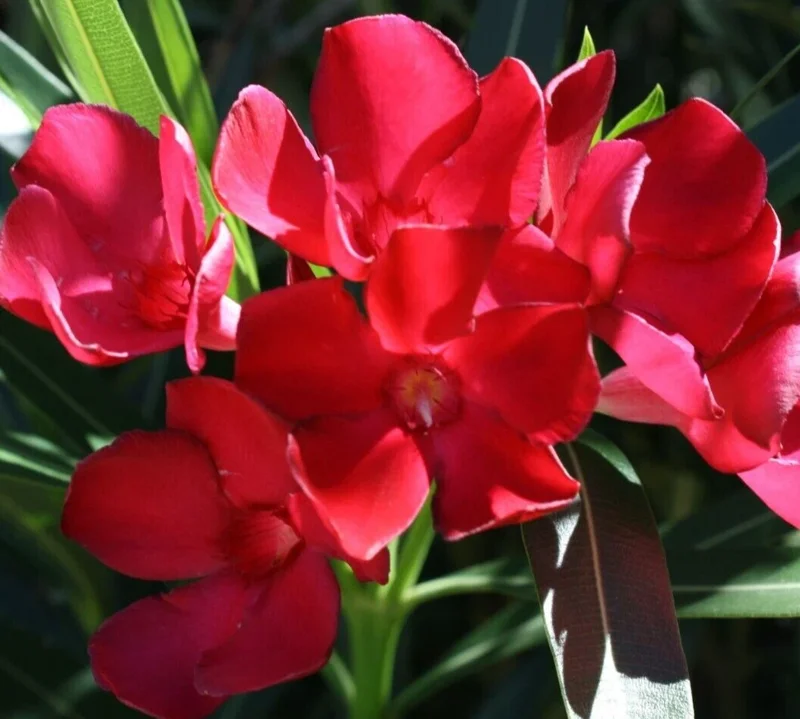
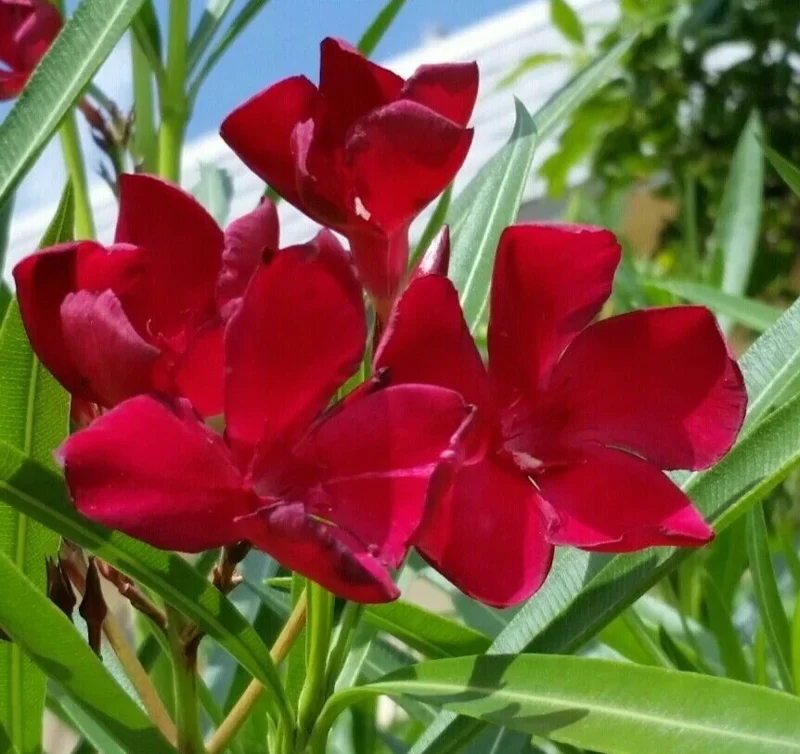
Transform your garden into a vibrant oasis with these red oleander live cuttings. This offering includes 7 healthy, 6-inch unrooted cuttings of the beautiful Oleander plant, known botanically as Nerium oleander. Oleander is a popular evergreen shrub beloved for its prolific and showy blooms, making it an excellent choice for gardeners looking to add dramatic color and texture to their outdoor spaces. These cuttings provide an economical and rewarding way to propagate your own Oleander bushes, allowing you to establish multiple plants from a single purchase. Once rooted, these plants will grow into robust, upright shrubs, perfect for hedges, specimen plantings, or large containers.
Oleander is particularly valued for its resilience and ability to thrive in challenging conditions, including heat, drought, and coastal environments. The striking red flowers create a bold statement, attracting pollinators and adding a Mediterranean flair to any landscape. Propagating red oleander live cuttings is a straightforward process, making it accessible even for novice gardeners. With proper care and a little patience, you’ll soon enjoy the lush foliage and continuous flowering of this magnificent plant.
Key Benefits
Growing Oleander from cuttings offers numerous advantages, from creating a beautiful landscape to enjoying a low-maintenance, resilient plant. Here are some of the key benefits you can expect:
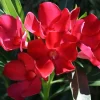
Vibrant Red Blooms: Oleander produces an abundance of stunning red flowers, providing continuous color from spring through fall. These eye-catching blossoms add a dramatic touch to any garden and are sure to be a focal point.
Drought Tolerance: Once established, Oleander is remarkably drought-tolerant, making it an excellent choice for xeriscaping or gardens in arid regions. This reduces the need for frequent watering, saving time and resources.
Easy Propagation: These red oleander live cuttings are designed for easy rooting, allowing even beginner gardeners to successfully grow new plants. Simply follow our care instructions for a high success rate.
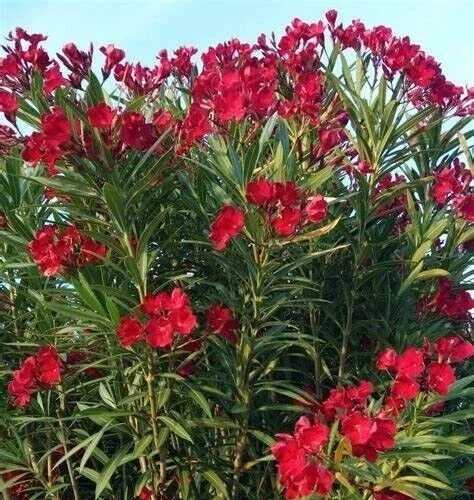
Versatile Landscaping: Oleander can be used in various landscape applications, including hedges, privacy screens, foundation plantings, or as a vibrant specimen plant. Its adaptability makes it a favorite among landscape designers.
Low Maintenance: Beyond initial establishment, Oleander requires minimal care. It’s known for its hardiness and resistance to most pests and diseases, allowing you more time to enjoy your garden.
Attracts Pollinators: The beautiful flowers of Oleander can attract beneficial pollinators like bees and butterflies to your garden, contributing to a healthy ecosystem.
Evergreen Foliage: In warmer climates, Oleander retains its lush green foliage year-round, providing continuous visual interest even when not in bloom. This ensures your garden looks vibrant throughout the seasons.
Plant Care & Growing Tips
To successfully propagate and grow your red oleander live cuttings, follow these essential care guidelines. Oleander thrives in warm, sunny conditions and is relatively low-maintenance once established. It’s crucial to handle all parts of the Oleander plant with care, as it is toxic if ingested.
Sunlight Requirements: Oleander prefers full sun, meaning at least 6 hours of direct sunlight per day. It can tolerate partial shade, but flowering may be less prolific. For optimal growth and bloom production, choose a location in your garden that receives abundant sunlight throughout the day. If growing in containers, ensure they can be moved to the sunniest spot available.
Watering Schedule and Soil Moisture Preferences: When rooting your red oleander live cuttings, keep the soil consistently moist but not waterlogged. Once established, Oleander is drought-tolerant and prefers deep, infrequent watering. Allow the top few inches of soil to dry out completely between waterings. Overwatering can lead to root rot, so good drainage is essential. During hot, dry periods, more frequent watering may be necessary.
Soil Type and Drainage Requirements: Oleander is adaptable to a wide range of soil types, but it absolutely requires well-draining soil. It tolerates sandy, loamy, and even clay soils as long as drainage is adequate. A slightly acidic to alkaline pH (6.0-8.0) is ideal. If your soil is heavy clay, amend it with organic matter like compost or sand to improve drainage. For container growing, use a high-quality potting mix designed for shrubs.
Temperature Range and USDA Hardiness Zone: Oleander is best suited for USDA Hardiness Zones 8-10. In these zones, it can be grown outdoors year-round. While mature plants can tolerate brief dips below freezing, prolonged cold temperatures or severe frosts can cause damage. In colder zones, Oleander can be grown in containers and brought indoors during winter, or treated as an annual. It thrives in warm temperatures and is highly tolerant of heat.
Fertilization Schedule and Type: Fertilize established Oleander plants once a year in early spring with a balanced, slow-release granular fertilizer or a liquid feed formulated for flowering shrubs. Avoid over-fertilizing, as this can lead to excessive foliage growth at the expense of flowers. For young cuttings, wait until they have developed a robust root system before applying any fertilizer.
Common Problems and Solutions: Oleander is generally robust, but can occasionally face issues. Aphids and mealybugs can sometimes appear; these can typically be controlled with a strong spray of water or insecticidal soap. Yellowing leaves can indicate overwatering, nutrient deficiency, or cold stress. Ensure proper drainage and consider a balanced fertilizer if nutrient deficiency is suspected. Remember to research oleander plant care specifically for your region.
Size & Details
This offering provides 7 high-quality, unrooted red oleander live cuttings, each measuring approximately 6 inches in length. These cuttings are carefully selected to ensure optimal viability for propagation. Once rooted and planted, Oleander can grow into a substantial shrub or small tree, typically reaching a mature height of 6-12 feet and a width of 4-8 feet, depending on variety and growing conditions. Its growth rate is considered moderate to fast, allowing you to establish a sizable plant within a few years. These cuttings are shipped without roots or soil, ready for you to begin the rooting process in water or a suitable propagation medium. Expect to see initial root development within a few weeks, with a strong root system forming over 1-2 months. The vibrant red flowers typically appear from late spring through fall, providing an extended season of color. For those looking for drought-tolerant shrubs, these cuttings offer a fantastic start to a resilient and beautiful garden feature.
Frequently Asked Questions
- Q: How do I root these red oleander live cuttings? A: You can root these cuttings in water or a well-draining potting mix. For water rooting, place the bottom inch of the cutting in clean water, changing it every few days. For soil rooting, insert the cutting into moist, sterile potting mix and keep it consistently damp in a warm, bright location.
- Q: Is this an indoor or outdoor plant? A: Oleander is primarily an outdoor plant, thriving in full sun. In colder climates (below USDA Zone 8), it can be grown in containers and brought indoors during winter to protect it from frost.
- Q: How big does a red oleander plant get? A: A mature Oleander shrub can typically reach 6-12 feet tall and 4-8 feet wide. Its size can be managed with regular pruning, making it adaptable for various garden spaces.
- Q: How much sunlight does an oleander need? A: Oleander requires at least 6 hours of direct sunlight per day to produce the most abundant blooms. It can tolerate some partial shade, but flowering may be reduced.
- Q: Is this plant easy to care for? A: Yes, Oleander is considered a very easy-care plant once established. It’s known for its hardiness, drought tolerance, and resistance to most pests, making oleander plant care relatively simple.
- Q: When is the best time to plant oleander cuttings? A: The best time to plant rooted oleander cuttings outdoors is in spring or early summer after all danger of frost has passed. This allows the plant ample time to establish before cooler weather.
- Q: Will it survive winter in my zone? A: Oleander is hardy in USDA Zones 8-10. If you are in a colder zone, you will need to protect the plant from frost by bringing it indoors or providing significant winter protection.
- Q: Are oleander plants poisonous? A: Yes, all parts of the Oleander plant are toxic if ingested. It’s important to keep them away from children and pets, and always wear gloves when handling them.
- Q: Can I use these cuttings to create a hedge? A: Absolutely! Oleander is an excellent choice for creating a dense, flowering hedge or privacy screen due to its robust growth and continuous blooming. These red flowering bush cuttings are ideal for this purpose.
- Q: What kind of soil is best for growing oleander from cuttings? A: Oleander prefers well-draining soil. For rooting, a sterile, well-aerated potting mix or perlite/sand mixture is ideal. Once transplanted, it tolerates various soil types as long as drainage is good.



Reviews
There are no reviews yet.