Overview
Cultivate a striking addition to your landscape with these premium Oregon Grape Holly seeds. Each packet contains 50 Mahonia aquifolium seeds, ready to transform into a beautiful and resilient native wildflower. Known for its distinctive evergreen foliage and vibrant berries, the Oregon Grape Holly is a versatile perennial shrub that brings year-round interest to any garden. This plant, also commonly referred to as Mahonia aquifolium, is a fantastic choice for gardeners seeking low-maintenance yet impactful greenery. Its adaptability to various climates and soil types makes it an excellent option for both seasoned horticulturalists and those new to gardening. Plant these native wildflower seeds to create stunning visual appeal and support local ecosystems.
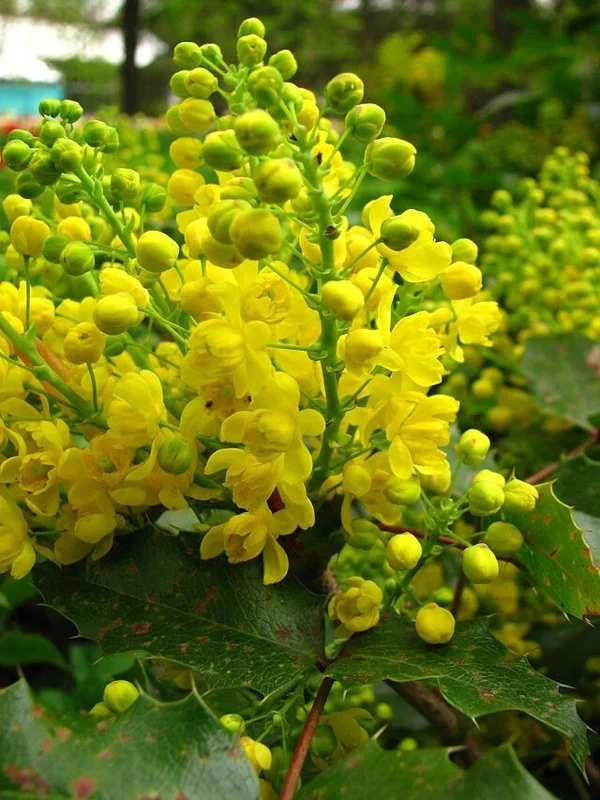
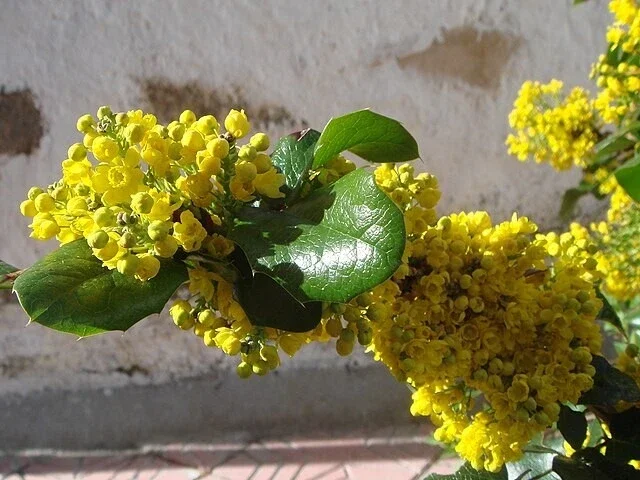
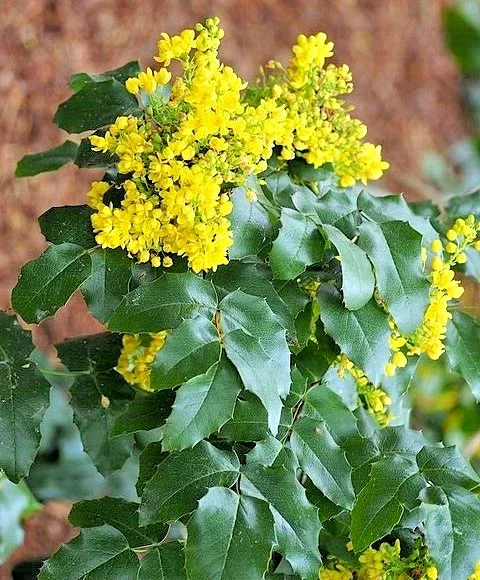
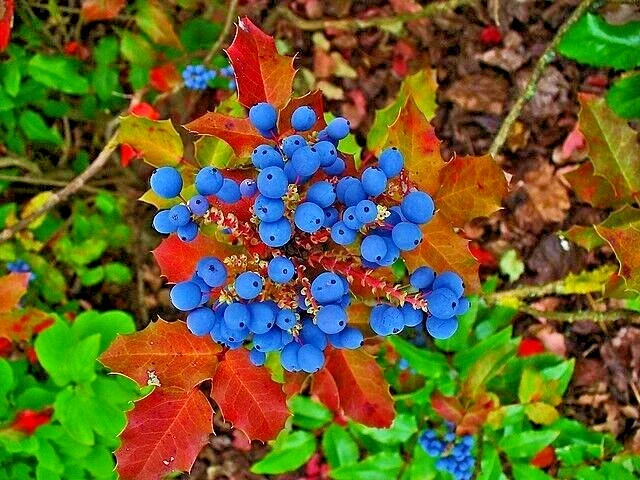
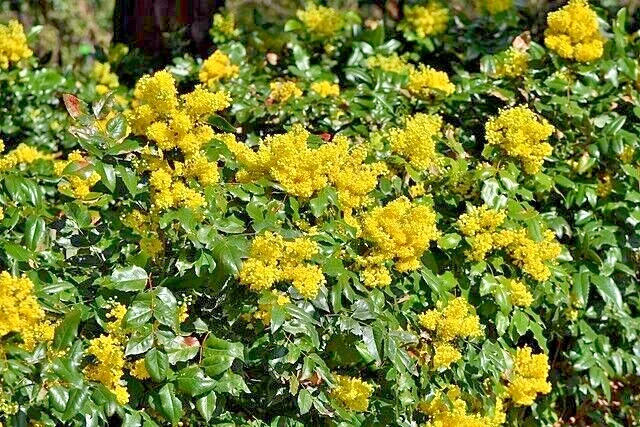
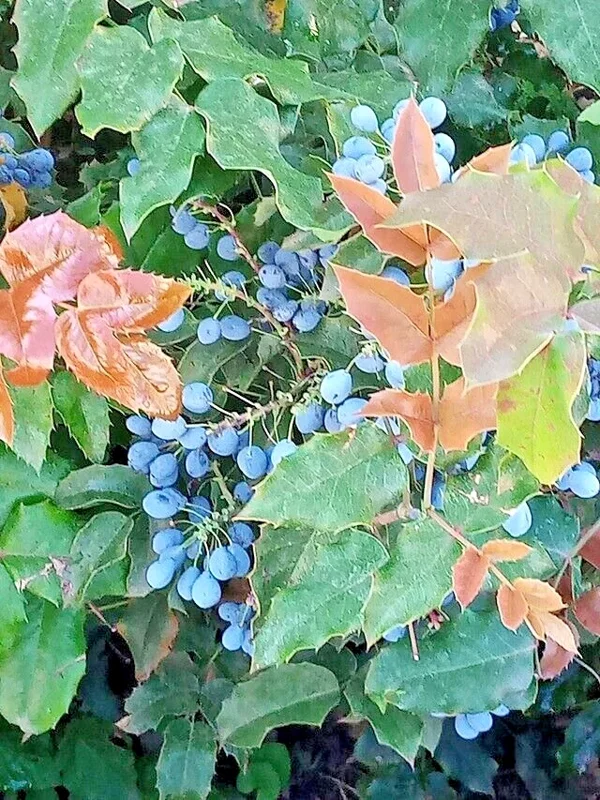
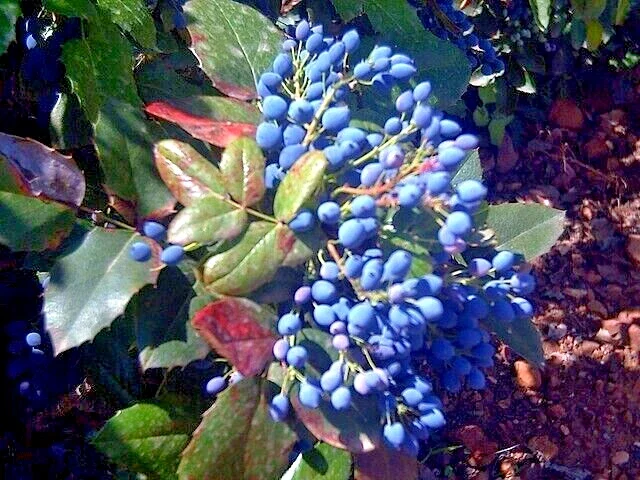
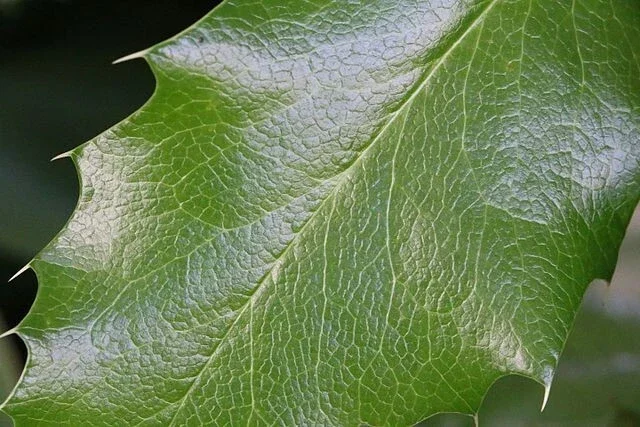
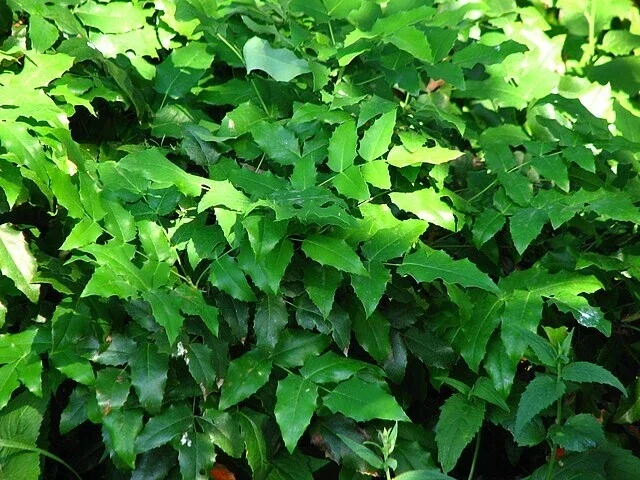
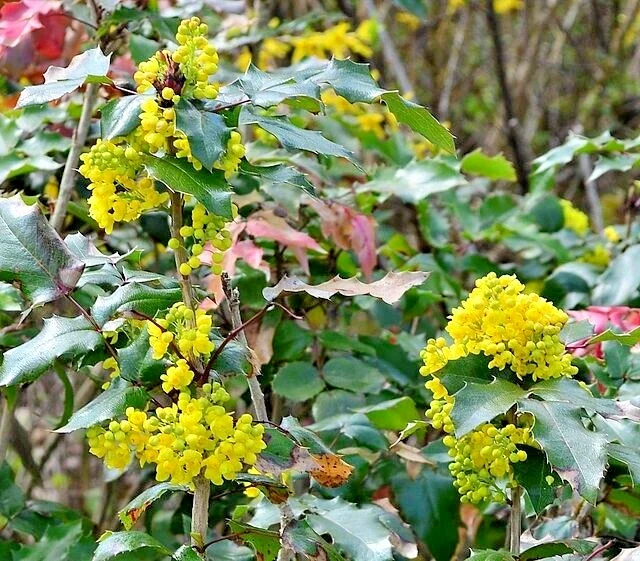
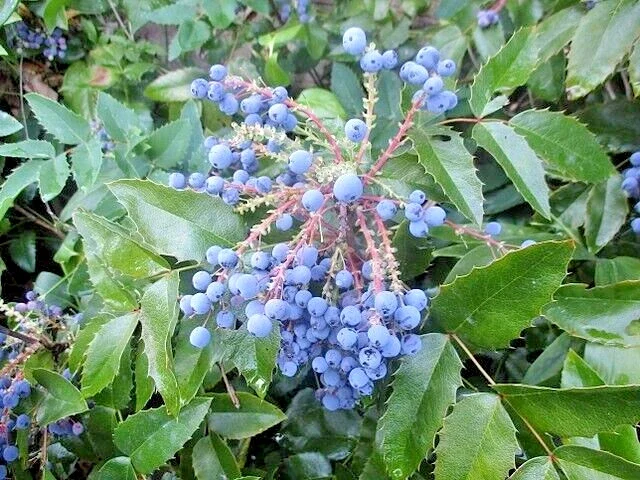
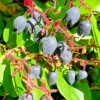
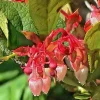
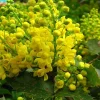
The Oregon Grape Holly is celebrated for its leathery, spiny leaves that resemble true holly, but it is actually a member of the barberry family. In spring, it produces clusters of bright yellow flowers, followed by edible, tart, blue-black berries in late summer and fall. These berries are not only attractive but also a food source for birds. Growing from perennial bush seeds ensures a long-lasting presence in your garden, providing structural beauty and ecological benefits. Whether you’re aiming for a naturalized look or a structured border, these seeds offer an opportunity to establish a robust and rewarding plant.
Key Benefits
The Oregon Grape Holly offers a multitude of benefits for your garden and local environment, making it a highly desirable plant to grow from seed. Its unique characteristics contribute to a thriving and aesthetically pleasing outdoor space.
- Year-Round Appeal: Enjoy the rich, evergreen foliage of the Oregon Grape Holly throughout all seasons. Its leaves often take on bronze or reddish hues in colder months, providing dynamic visual interest even when other plants are dormant. This continuous greenery makes it an excellent foundation plant.
- Native Wildflower: By planting these native wildflower seeds, you contribute to local biodiversity and ecological health. Native plants are adapted to regional conditions, requiring less water and intervention once established, and provide crucial habitat and food for native wildlife.
- Attractive Flowers & Berries: In spring, the plant bursts with bright yellow flowers that attract pollinators. These are followed by clusters of blue-black berries in late summer, which are a valuable food source for birds and can be used in jams and jellies.
- Low Maintenance: Once established, Mahonia aquifolium seeds grow into a hardy shrub that is remarkably easy to care for. It tolerates a range of conditions and generally requires minimal pruning or special attention, making it perfect for busy gardeners.
- Versatile Landscaping: The Oregon Grape Holly is suitable for various landscape applications, including hedges, mixed borders, woodland gardens, or as a specimen plant. Its clumping growth habit adds structure and texture to garden designs.
- Cold Resistant: This evergreen shrub seeds option is known for its excellent cold hardiness, thriving in a wide range of USDA zones and providing reliable performance even in cooler climates.
- Erosion Control: With its robust root system, Oregon Grape Holly can be an effective plant for stabilizing slopes and preventing soil erosion, especially in naturalized or sloped garden areas.
Plant Care & Growing Tips
Successfully growing Oregon Grape Holly seeds into thriving plants is a rewarding endeavor that requires understanding their specific needs. This native plant is generally forgiving, but optimal care will ensure vigorous growth and abundant blooms and berries. Start your Mahonia aquifolium seeds indoors or directly sow them in fall or early spring after a period of cold stratification to mimic natural winter conditions.
For sunlight, Oregon Grape Holly prefers partial shade to full sun. In hotter climates, some afternoon shade is beneficial to prevent leaf scorch. Aim for at least 4-6 hours of direct sunlight for best flowering and berry production, but it can tolerate more shade, though flowering may be reduced. When it comes to watering, maintain medium moisture. The plant prefers consistent moisture, especially during its establishment phase, but is quite drought-tolerant once mature. Avoid overwatering, which can lead to root rot. The ideal soil type is a well-draining loam, peat, sand, or silt mix with a neutral pH. Good drainage is crucial for these perennial bush seeds. Oregon Grape Holly thrives in USDA Hardiness Zones 5-8, indicating its excellent cold resistance. Fertilization is generally not necessary in rich garden soil, but a balanced slow-release fertilizer can be applied in spring if growth appears sluggish. Watch out for common pests like aphids or scale, which can be managed with insecticidal soap. Pruning can be done after flowering to maintain shape or remove dead branches, ensuring your evergreen shrub seeds develop into a healthy, attractive plant.
Size & Details
When mature, the Oregon Grape Holly (Mahonia aquifolium) typically grows into a bushy, clumping shrub, reaching heights of 3 to 10 feet and a similar spread. The growth rate is generally fast once established. This offering includes 50 Oregon Grape Holly seeds, providing a generous quantity to start a significant planting. These are bush and shrub seeds, designed to grow into robust outdoor plants. The seeds will arrive ready for planting, allowing you to begin your cultivation journey. Expect to see the first blooms in spring, with berries developing through summer and fall. The plant’s evergreen nature ensures continuous visual appeal.
These Oregon Grape Holly seeds are an excellent choice for creating natural hedges, understory plantings, or adding a vibrant native touch to your garden. The ease of cultivation makes these native wildflower seeds suitable for gardeners of all experience levels. With proper care, your Oregon Grape Holly plants will establish strong root systems and provide years of beauty and ecological benefit.
Frequently Asked Questions
- Q: How big does the Oregon Grape Holly get? A: The Oregon Grape Holly typically grows as a bushy, clumping shrub, reaching mature heights of 3 to 10 feet with a similar spread. Its size can vary slightly depending on growing conditions and pruning.
- Q: What growing conditions does Oregon Grape Holly prefer? A: Mahonia aquifolium thrives in partial shade to full sun, especially in cooler climates. It prefers well-draining soil with medium moisture and is adaptable to various soil types like loam, peat, sand, or silt.
- Q: Is this plant easy to care for? A: Yes, Oregon Grape Holly is considered an easy-to-cultivate plant. Once established, it is very low-maintenance, drought-tolerant, and cold-resistant, making it a great choice for beginners and experienced gardeners alike.
- Q: How many seeds are included in this packet? A: This product includes 50 Oregon Grape Holly seeds, providing a good quantity for starting multiple plants or for larger planting areas.
- Q: Is Oregon Grape Holly a native plant? A: Yes, Mahonia aquifolium is a native wildflower seeds species to the western United States, making it an excellent choice for supporting local ecosystems and wildlife.
- Q: When is the best time to plant Oregon Grape Holly seeds? A: The best time to plant Oregon Grape Holly seeds is typically in the fall or early spring, often after a period of cold stratification to encourage germination.
- Q: What USDA Hardiness Zones are suitable for Oregon Grape Holly? A: The Oregon Grape Holly is cold-resistant and thrives in USDA Hardiness Zones 5-8, making it suitable for a wide range of temperate climates.
- Q: Do the berries of Oregon Grape Holly have any uses? A: Yes, the blue-black berries of the Oregon Grape Holly are edible, though tart. They are commonly used to make jams, jellies, and pies, and are also an important food source for birds.
- Q: What kind of foliage does this plant have? A: Mahonia aquifolium seeds grow into plants with attractive evergreen foliage. The leaves are spiny and leathery, resembling holly, and can turn bronze or reddish in colder weather, adding year-round color.
- Q: Can these perennial bush seeds be used for erosion control? A: Absolutely. The robust root system of the Oregon Grape Holly makes it an excellent choice for planting on slopes or in areas prone to erosion, helping to stabilize the soil effectively.




Reviews
There are no reviews yet.