Overview
Introduce a touch of natural elegance to your shaded landscape with our premium Ostrich Fern bare root rhizomes. This offering includes 5 healthy bare root rhizomes of the Ostrich Fern, scientifically known as Matteuccia struthiopteris. Renowned for its distinctive, tall, and feathery fronds, the Ostrich Fern creates a dramatic, vase-shaped display that can transform any dim corner into a vibrant green oasis. Unlike many other ferns, the Ostrich Fern is deciduous, meaning its fronds will die back in winter and re-emerge with fresh, vigorous growth each spring, providing consistent seasonal interest. These ferns are particularly valued for their ability to thrive in moist, shady conditions, making them an excellent choice for woodland gardens, pond edges, or alongside buildings where sunlight is limited. Planting Ostrich Fern bare root rhizomes is an economical and effective way to establish a robust and beautiful fern colony, ensuring your garden benefits from their architectural beauty for years to come.
The Ostrich Fern is also famous for its edible ‘fiddleheads’ – the tightly coiled young fronds that emerge in early spring. These are a culinary delicacy in many regions, adding an extra layer of appeal to this already spectacular plant. Whether you’re looking to create a serene woodland retreat, add texture to a shady border, or simply enjoy the unique beauty of these magnificent ferns, our Ostrich Fern bare root rhizomes provide a reliable and rewarding gardening experience. They are a true perennial, returning year after year with increasing vigor and spread, gradually forming impressive colonies that require minimal long-term maintenance once established.
Key Benefits
The Ostrich Fern bare root offers numerous advantages, making it a highly desirable addition to many garden types. Its unique characteristics contribute to both aesthetic appeal and environmental benefits.
- Stunning Ornamental Value: The Ostrich Fern boasts elegant, upright fronds that form a distinctive, vase-like shape, adding architectural interest and a lush, tropical feel to any garden. Its bright green foliage provides a beautiful contrast in shaded areas.
- Thrives in Shade: This fern is a perfect solution for those challenging, low-light areas where many other plants struggle. It flourishes in partial to full shade, brightening up dark corners and understory plantings.
- Low Maintenance Perennial: Once established, Ostrich Fern bare root plants require minimal care. They are resilient and return year after year, spreading naturally to fill spaces and create a continuous, verdant display without constant replanting.
- Edible Fiddleheads: In early spring, the young, coiled fronds, known as fiddleheads, are a prized culinary ingredient. Harvested carefully, they offer a unique seasonal delicacy, adding a gourmet aspect to your garden.
- Naturalizing Groundcover: The Ostrich Fern spreads via underground rhizomes, making it an excellent choice for naturalizing large shady areas or creating a soft, green groundcover that suppresses weeds and enhances biodiversity.
- Deer Resistant: Generally, deer tend to avoid Ostrich Ferns, making them a good choice for gardens in areas with deer populations where other plants might be damaged.
- Erosion Control: Their spreading root system helps to stabilize soil, making them beneficial for planting on slopes or banks to prevent erosion, especially in moist, shaded conditions.
Plant Care & Growing Tips
Proper care for your Ostrich Fern bare root rhizomes begins with understanding their preferred environment. These ferns thrive in consistently moist, well-draining soil rich in organic matter. When planting, choose a location that receives partial to full shade; too much direct sunlight can scorch their delicate fronds. Dig a hole wide enough to accommodate the rhizome comfortably, ensuring the crown (where the fronds emerge) is just at soil level. Space multiple rhizomes about 18-24 inches apart, as they will spread over time. After planting, water thoroughly to settle the soil around the roots.
Ostrich Fern care involves consistent moisture, especially during dry spells. Do not allow the soil to dry out completely. A layer of organic mulch, such as shredded leaves or compost, can help retain soil moisture and provide a slow release of nutrients. While these ferns are quite tolerant, they appreciate a slightly acidic to neutral soil pH. Fertilization is not usually necessary if the soil is rich in organic matter, but a light application of a balanced, slow-release fertilizer in early spring can encourage vigorous growth. Matteuccia struthiopteris is hardy in USDA zones 3-7, making it suitable for a wide range of climates. In colder zones, the fronds will die back completely, but the rhizomes will overwinter successfully and resprout in spring. Protection from strong winds can also prevent frond damage.
Regarding common problems, Ostrich Ferns are relatively pest and disease-free. The main issue to watch for is insufficient moisture, which can lead to browning frond tips. Ensure consistent watering, particularly during hot, dry periods. If you notice any yellowing or stunted growth, it could indicate a nutrient deficiency or improper light conditions. Adjusting the soil with compost and ensuring adequate shade usually resolves these issues. Remember that these are shade garden ferns, so providing them with the right light conditions is paramount for their health and vigor. Regular observation and timely intervention will ensure your Ostrich Fern bare root plants flourish.
Size & Details
Each order includes 5 Ostrich Fern bare root rhizomes, ready for planting. These rhizomes are typically dormant upon arrival, ensuring a strong start once planted in your garden. When mature, Ostrich Ferns can reach an impressive height of 3 to 6 feet with a spread of 2 to 3 feet, forming dense, upright clumps. Their growth rate is moderate to fast, allowing them to establish and fill in areas relatively quickly, especially in ideal conditions. The fronds are bipinnate, meaning they are divided twice, giving them a delicate, feathery appearance. These ferns are deciduous, with fronds emerging in spring and dying back in late fall or early winter.
The fern rhizomes are robust and designed to sprout vigorously when planted in appropriate conditions. Expect to see initial growth within a few weeks of planting, with the plant gradually increasing in size and density over the first few seasons. The edible fiddleheads are typically harvested in early spring when they are still tightly coiled, usually before they reach 6-8 inches in height. For optimal growth and spread, ensure consistent moisture and a rich, organic soil. These bare root plants are an excellent way to establish a substantial shade garden ferns display without the higher cost of potted plants, providing a long-term, beautiful addition to your landscape.
Frequently Asked Questions
- Q: How big does this plant get? A: Ostrich Fern bare root plants can grow quite tall, typically reaching 3 to 6 feet in height with a spread of 2 to 3 feet at maturity. They form an elegant, vase-shaped clump.
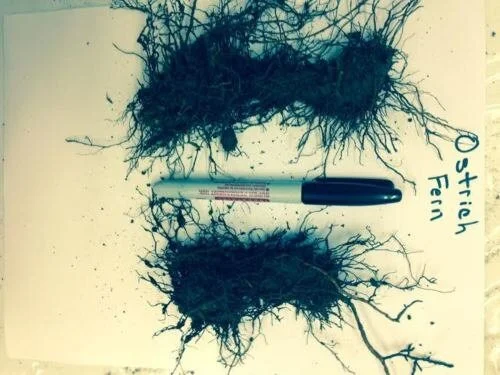
- Q: What condition will it arrive in? A: Your Ostrich Ferns will arrive as dormant, healthy bare root rhizomes, carefully packaged to ensure their vitality during transit. They are ready for immediate planting upon arrival.
- Q: Is this an indoor or outdoor plant? A: The Ostrich Fern is primarily an outdoor perennial plant, thriving in shaded garden environments. It is not generally suitable for indoor cultivation due to its specific light and moisture requirements.
- Q: How much sunlight does it need? A: These shade garden ferns prefer partial to full shade. Direct morning sun is usually tolerated, but hot afternoon sun can scorch their fronds, so a location with filtered light or deep shade is ideal.
- Q: Is this plant easy to care for? A: Yes, Ostrich Ferns are relatively easy to care for once established. They require consistent moisture and shade, but beyond that, they are quite low-maintenance and resistant to most pests and diseases, making Ostrich Fern care straightforward.
- Q: When is the best time to plant? A: The best time to plant Ostrich Fern bare root rhizomes is in early spring or fall, allowing them time to establish their root system before extreme summer heat or winter cold.
- Q: Will it survive winter in my zone? A: Yes, Matteuccia struthiopteris is very cold hardy and will survive winter in USDA Zones 3-7. The fronds will die back, but the rhizomes will remain dormant underground and resprout in spring.
- Q: How long until it blooms? A: Ostrich Ferns do not produce flowers; they reproduce via spores. You can expect to see new frond growth, including edible fiddleheads, emerging in early spring each year.
- Q: What’s the minimum temperature it can tolerate? A: Ostrich Ferns are hardy down to USDA Zone 3, meaning they can tolerate winter temperatures as low as -40°F (-40°C) once established.
- Q: Is it shipped in soil? A: No, these are bare root rhizomes, meaning they are shipped without soil. This method ensures they are lightweight for shipping and allows for easy planting directly into your garden soil.






Reviews
There are no reviews yet.