Overview
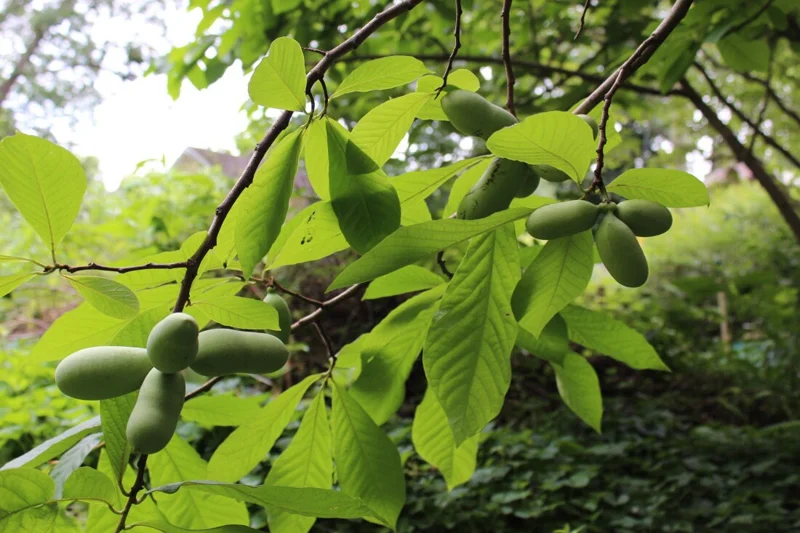
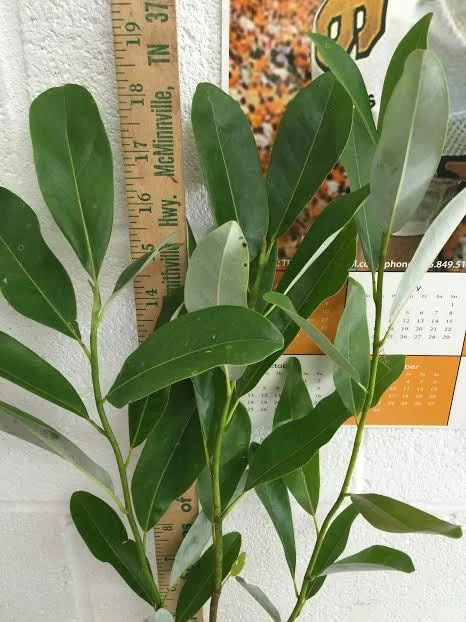
Experience the joy of growing your own unique, native American fruit with the Paw Paw Indian Banana Tree. Also known by its botanical name, Asimina triloba, this deciduous tree offers a fascinating blend of tropical allure and remarkable hardiness. Our Paw Paw Indian Banana Tree arrives as a vibrant live plant, typically 1-2 feet tall, carefully nurtured in a 1-gallon trade pot. Unlike many tropical fruit trees, the Paw Paw thrives in temperate climates, tolerating temperatures as low as -25°F, making it an excellent choice for a wide range of gardens across the US. Beyond its delicious, custard-like fruits, this tree provides ornamental value with its attractive bell-shaped flowers in spring and brilliant yellow foliage in the fall, ensuring year-round interest. Discover the charm of growing Paw Paw fruit and add a truly distinctive specimen to your landscape.
The Paw Paw is not just a fruit producer; it’s a conversation starter. Its unique flavor, often described as a blend of banana, mango, and pineapple, makes it a coveted addition to any edible garden. This medium-growth-rate tree can reach a mature height of 15-20 feet, offering ample shade and a bountiful harvest. Whether you’re an experienced horticulturist or a budding gardener, cultivate this resilient and rewarding fruit tree.
Key Benefits
Investing in a Paw Paw Indian Banana Tree offers numerous advantages for your garden and palate. This exceptional tree provides both aesthetic beauty and delicious, nutritious fruit, making it a highly desirable addition to any landscape.
- Unique Fruit Production: Enjoy the distinct, tropical flavor of Paw Paw fruits, often compared to bananas and mangoes. This native fruit offers a taste sensation unlike any other.
- Exceptional Hardiness: The Paw Paw Indian Banana Tree is remarkably cold-tolerant, thriving in USDA Zones 5-8 and capable of withstanding temperatures down to -25°F. This makes it a reliable choice for many regions.
- Ornamental Value: Beyond its fruit, the Paw Paw offers year-round visual appeal. It features delightful inch-long, bell-shaped flowers in spring and spectacular brilliant yellow foliage in the fall.
- Low Maintenance: This resilient tree adapts to various conditions, requiring minimal intervention once established. It’s a great option for gardeners seeking a productive yet easy-to-care-for fruit tree.
- Native Species: By planting an Asimina triloba, you support local ecosystems and biodiversity, providing food and habitat for native wildlife.
- Shade and Structure: With a mature height of 15-20 feet, the Paw Paw provides excellent shade and adds significant structure to your garden landscape.
- Sustainable Food Source: Grow your own organic fruit, reducing your carbon footprint and enjoying fresh, homegrown produce directly from your backyard.
Plant Care & Growing Tips
Proper Paw Paw tree care is straightforward, ensuring your tree thrives and produces abundant fruit. The Paw Paw (Asimina triloba) is adaptable but responds best to specific conditions. For sunlight, it prefers full sun to partial shade. While young trees benefit from some afternoon shade to prevent scorching, mature trees require at least 6 hours of direct sunlight daily for optimal fruit production. Consider a location that receives morning sun and some afternoon protection, especially in hotter climates.
When it comes to watering, consistent moisture is key, especially during the tree’s establishment phase and dry periods. The soil should be kept moist but not waterlogged. Good drainage is crucial to prevent root rot. Paw Paws prefer rich, well-draining soil with a slightly acidic to neutral pH (5.5-7.0). Incorporating organic matter, such as compost, into the planting hole will greatly benefit its growth. These trees are hardy in USDA Zones 5-8, meaning they can tolerate a wide range of winter temperatures. For fertilization, apply a balanced, slow-release fertilizer in early spring as new growth begins. Avoid high-nitrogen fertilizers, which can promote leafy growth at the expense of fruit. Common problems include pest issues like the Paw Paw peduncle borer, though these are generally minor. Ensure good air circulation and avoid overhead watering to minimize fungal diseases.
Size & Details
This offering is for one Paw Paw Indian Banana Tree, delivered as a live plant. Each tree is carefully grown in a 1-gallon trade pot, providing a robust root system for successful transplantation. The plants typically stand 1-2 feet tall upon arrival, offering a significant head start for gardeners. The Paw Paw (Asimina triloba) has a medium growth rate, eventually reaching a mature height of 15-20 feet with a similar spread, creating a lovely canopy. It’s important to note that while some Paw Paw varieties are self-pollinating, most require cross-pollination from another genetically different Paw Paw tree to produce fruit. Planting at least two different varieties is recommended for a good harvest. These trees are hardy for outdoor planting in USDA Zones 5-8, making them suitable for a wide range of climates. Expect your tree to begin flowering in spring, followed by fruit development in late summer to early fall, typically after 3-5 years from planting.
Frequently Asked Questions
- Q: How big does this plant get? A: The Paw Paw Indian Banana Tree typically reaches a mature height of 15-20 feet with a similar spread. It has a medium growth rate, allowing it to establish well in your landscape over time.
- Q: What size pot does it come in? A: This Paw Paw Indian Banana Tree is shipped as a live plant in a 1-gallon trade pot, providing a healthy root system for successful planting in your garden.
- Q: Is this an indoor or outdoor plant? A: The Paw Paw is an outdoor fruit tree. It is a deciduous tree that requires a period of dormancy in cold weather and is hardy in USDA Zones 5-8.
- Q: How much sunlight does it need? A: For optimal fruit production, the Paw Paw Indian Banana Tree requires at least 6 hours of direct sunlight per day when mature. Young trees can benefit from some afternoon shade to prevent leaf scorch.
- Q: Is this plant easy to care for? A: Yes, Paw Paw tree care is considered relatively easy once the tree is established. It’s a resilient native species that adapts well to various conditions, making it suitable for gardeners of all experience levels.
- Q: What condition will it arrive in? A: Your Paw Paw Indian Banana Tree will arrive as a healthy, live plant, carefully packed to ensure its integrity during transit. It will be in a 1-gallon pot with soil.
- Q: How long until it blooms and fruits? A: Paw Paw trees typically begin to flower and produce fruit within 3-5 years after planting. For best fruit production, it is recommended to plant at least two different varieties for cross-pollination.
- Q: Will it survive winter in my zone? A: The Paw Paw (Asimina triloba) is known for its excellent cold hardiness, thriving in USDA Zones 5-8 and tolerating temperatures as low as -25°F. This makes it a reliable choice for many temperate climates.
- Q: What is the best soil type for growing Paw Paw fruit? A: Paw Paw trees prefer rich, well-draining soil with a slightly acidic to neutral pH (5.0-7.0). Amending the soil with organic matter will help promote healthy growth.
- Q: Are there any specific tips for cold hardy fruit tree care? A: For cold-hardy fruit trees like the Paw Paw, ensuring good drainage and providing a layer of mulch around the base can help protect roots during harsh winters. Minimal pruning is usually needed, primarily for shaping and removing dead branches.





Reviews
There are no reviews yet.