Overview
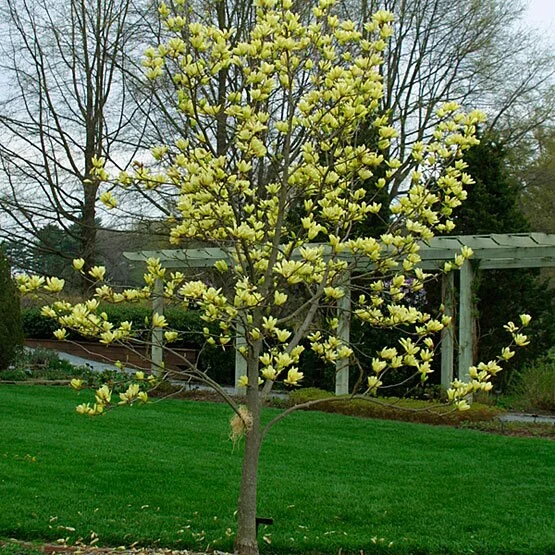
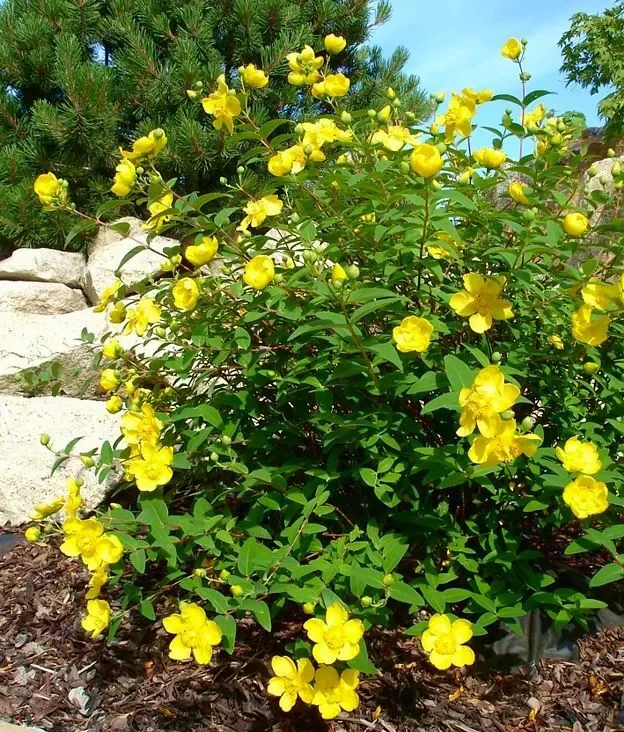
Introduce a touch of radiant sunshine to your landscape with the magnificent yellow bird magnolia tree. This exquisite live plant, known for its distinctive bright canary yellow flowers, is a true ornamental gem. Unlike many other magnolias, its cheerful blossoms emerge later in spring, often with developing foliage, reducing the risk of frost damage and ensuring a spectacular display. The ‘Yellow Bird’ cultivar is celebrated for its vigorous growth habit, making it an excellent choice for quickly establishing a focal point in your garden. Whether planted as a solitary specimen or integrated into a diverse planting scheme, this yellow bird magnolia tree promises to enhance aesthetic appeal and provide seasonal interest with its unique blooms.
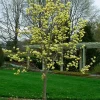
Originating from careful cultivation, this magnolia is a hybrid that combines the best characteristics of its parent species, resulting in a hardy and visually striking tree. Its upright, pyramidal form provides an elegant structure, while the abundant yellow flowers create a dramatic contrast against the green foliage. This offering is for a healthy, actively growing yellow bird magnolia tree, carefully nurtured to ensure a strong start in your garden. It’s an ideal selection for gardeners seeking a distinctive and relatively low-maintenance flowering tree.
Key Benefits
The yellow bird magnolia tree offers a multitude of advantages for any landscape, combining beauty with resilience. Its unique characteristics make it a standout choice for gardeners:
- Vibrant Yellow Blossoms: Enjoy a spectacular display of large, bright canary yellow flowers that truly stand out in the spring landscape, adding a cheerful and exotic touch. This distinctive color sets it apart from more common pink or white magnolias.
- Late Spring Bloom: Flowers emerge later in spring, often with the foliage, which helps protect the delicate blooms from late-season frosts, ensuring a more consistent and reliable floral show year after year.
- Fast Growth Rate: As a fast growing magnolia, it quickly establishes itself and reaches an impressive size, providing shade and visual interest sooner than many other flowering trees.
- Versatile Landscaping Use: Perfect as a striking specimen tree, it also combines beautifully with other plants that offer summer flowers, creating a layered and dynamic garden design. Its adaptability makes it suitable for various garden styles.
- Hardy & Adaptable: This magnolia tree zones 5-9 resilience means it can thrive in a wide range of climates, tolerating cold winters and warm summers, making it a reliable choice for many regions.
- Acidic Soil Tolerance: Grows well in acidic, loamy, well-drained soils, which are common in many garden settings, simplifying its planting requirements.
- Low Maintenance: Once established, the yellow bird magnolia tree requires minimal care, making it an excellent choice for both experienced and novice gardeners looking for high impact with less effort.
Plant Care & Growing Tips
Caring for your yellow bird magnolia tree is straightforward, ensuring years of beautiful blooms. This species thrives with proper attention to its environmental needs. For optimal growth and flowering, plant your magnolia in a location that receives full sun to partial shade, meaning it requires at least 4 hours of direct sunlight each day. While it can tolerate some shade, more sun generally leads to more abundant flowering. The ideal soil for a yellow bird magnolia tree is acidic, loamy, and, most importantly, well-drained. Poorly drained soils can lead to root rot, so amending heavy clay soils with organic matter like compost can significantly improve drainage and provide essential nutrients. Ensure the planting hole is twice as wide as the root ball but only as deep as the root ball.
Watering is crucial, especially during the first year after planting, to help the tree establish a strong root system. Keep the soil consistently moist but never waterlogged. Once established, the yellow bird magnolia tree is relatively drought-tolerant, but supplemental watering during prolonged dry spells will benefit its health and vigor. Fertilize in early spring with a balanced, slow-release fertilizer formulated for acid-loving plants. Avoid over-fertilizing, which can damage the roots. Pruning should be done sparingly, primarily to remove dead, damaged, or crossing branches. If you wish to maintain a smaller, more shrub-like form, prune after flowering to shape the tree to your desired height and spread. This yellow magnolia plant care approach will ensure a healthy and vibrant specimen.
This particular magnolia tree zones 5-9 hardiness makes it suitable for a broad range of climates in the US. Protecting young trees from strong winds can be beneficial. While generally robust, keep an eye out for common pests like scale insects or magnolia borers, and address them promptly with appropriate organic or chemical treatments. Proper air circulation and sanitation can help prevent fungal diseases. Understanding these growing requirements will contribute to the long-term success and spectacular beauty of your yellow bird magnolia tree, ensuring it remains a cherished part of your landscape.
Size & Details
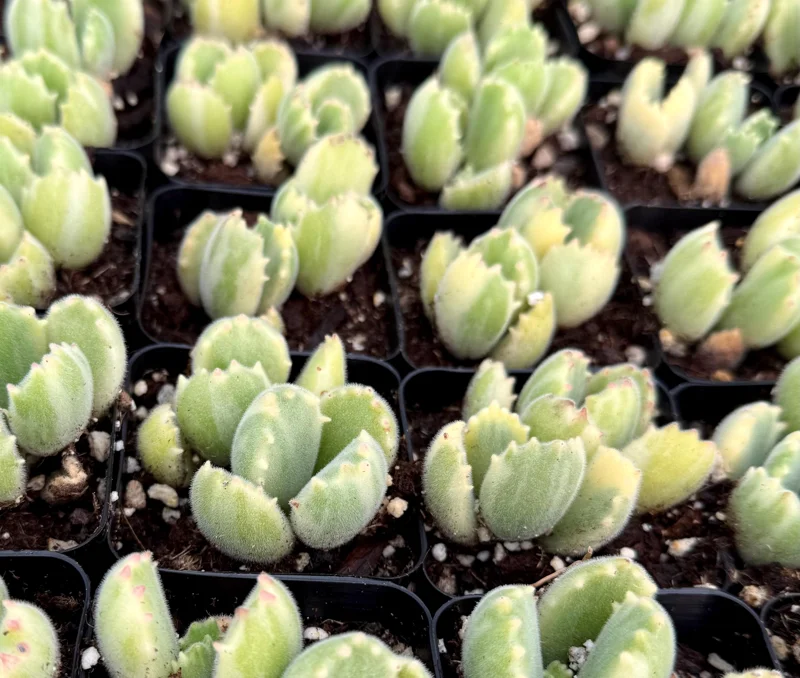
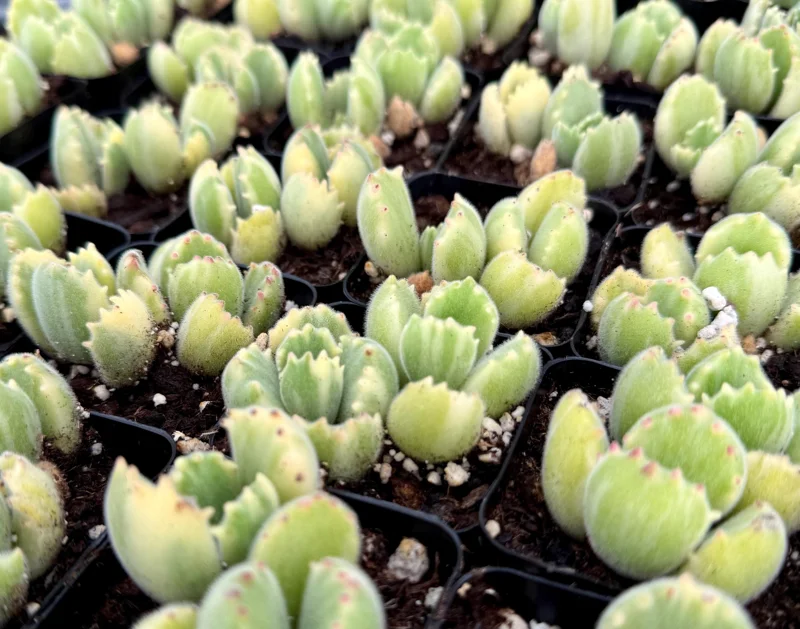
This offering is for one healthy yellow bird magnolia tree, supplied as a live plant. Each plant typically measures between 6 to 12 inches tall from the top of the soil line and is rooted in a 2.5-inch nursery pot. This size is ideal for transplanting, allowing the plant to quickly establish itself in its new environment. The ‘Yellow Bird’ magnolia is known for its relatively fast growing magnolia habit, often adding significant height each year under optimal conditions. In many areas, it can reach a mature height of 15 feet, though in some regions, it may grow up to 30 feet tall. Its growth can be managed through pruning to maintain a desired size or to encourage a more shrub-like form. This deciduous tree will shed its leaves in autumn, preparing for a vibrant spring reawakening with its striking yellow blooms.
Frequently Asked Questions
- Q: How big does the yellow bird magnolia tree get? A: The yellow bird magnolia tree can typically reach heights of 15 feet in most areas, but in ideal conditions, it can grow up to 30 feet tall. It can also be pruned to maintain a smaller, more shrub-like size.
- Q: What size pot does the yellow bird magnolia tree come in? A: Each yellow bird magnolia tree is supplied as a live plant in a 2.5-inch nursery pot, with the plant itself measuring between 6 to 12 inches tall.
- Q: Is this an indoor or outdoor plant? A: The yellow bird magnolia tree is an outdoor plant, hardy in USDA Zones 5-9. It is not suitable for long-term indoor cultivation.
- Q: How much sunlight does a yellow bird magnolia tree need? A: It needs full sun to partial shade, meaning it prefers a minimum of 4 hours of direct sunlight each day for best growth and flowering.
- Q: Is this plant easy to care for? A: Yes, once established, the yellow bird magnolia tree is relatively low-maintenance. Providing well-drained, acidic soil and adequate sunlight are the main requirements for successful yellow magnolia plant care.
- Q: What condition will it arrive in? A: Your yellow bird magnolia tree will arrive as a healthy, actively growing live plant, carefully packaged to ensure its safe transit and readiness for planting.
- Q: How long until it blooms? A: While blooming time can vary, young ‘Yellow Bird’ magnolias typically begin to produce flowers within a few years of planting, offering their spectacular magnolia tree yellow flowers in late spring.
- Q: Will this magnolia tree zones 5-9 survive winter in my zone? A: If you are in USDA Zones 5-9, your yellow bird magnolia tree is hardy and should survive winter conditions in your region. Protection for very young plants in extreme cold may be beneficial.
- Q: What type of soil does a yellow bird magnolia tree prefer? A: The yellow bird magnolia tree grows best in acidic, loamy, well-drained soils. Improving drainage with organic matter is recommended for heavy clay soils.
- Q: Can I keep the yellow bird magnolia tree as a shrub? A: Yes, with regular pruning, especially after it flowers, you can maintain the yellow bird magnolia tree at a desired height and shape, making it appear more like a large shrub.




Reviews
There are no reviews yet.