Overview
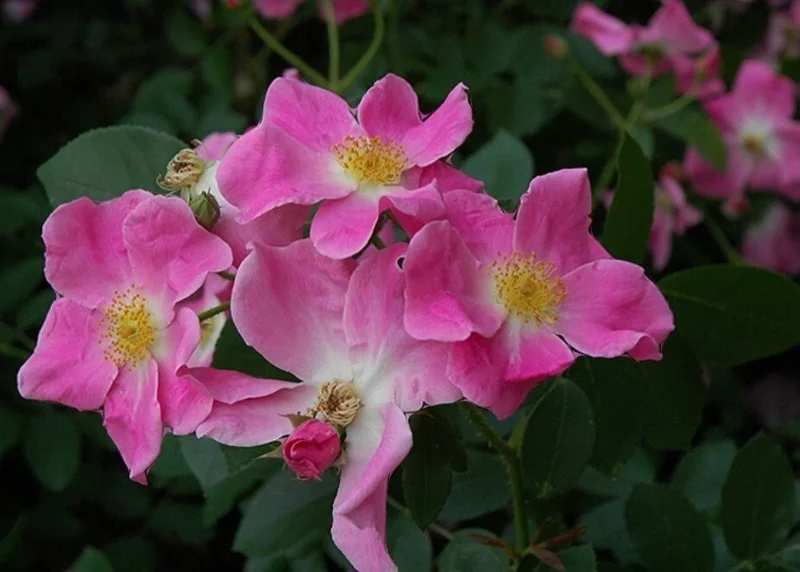
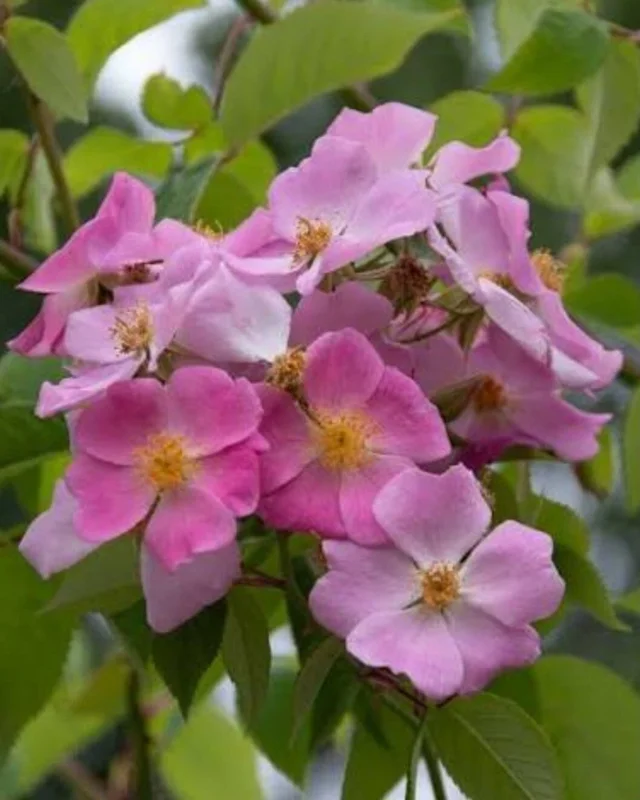
Introduce timeless beauty and vibrant color to your landscape with our exquisite pink climbing rose live plant. This robust and healthy specimen arrives as a 2-3 foot tall bare root, ready to be planted and transform your garden. Known for its vigorous growth and abundant blooms, a pink climbing rose live plant is an ideal choice for creating stunning vertical displays, covering unsightly fences, or adding a romantic touch to arbors and pergolas. Climbing roses are celebrated for their ability to produce a profusion of flowers throughout the growing season, offering continuous visual delight. This particular variety is selected for its hardiness and ease of establishment, making it suitable for gardeners of all experience levels. Its charming pink petals will bring a soft, inviting hue to your outdoor living areas, attracting pollinators and admiring glances alike. Embrace the classic appeal of roses with this exceptional climbing variety.
A bare root climbing rose offers a fantastic starting point for a healthy plant. By planting bare root, you allow the rose to establish its root system directly in your garden soil, leading to stronger growth and better adaptation to its new environment. This method also ensures the plant focuses its energy on developing robust roots and new foliage once planted. Our pink climbing rose live plant is carefully packaged to ensure it reaches you in optimal condition, ready for its new home.
Key Benefits
Our pink climbing rose live plant offers numerous benefits, making it an excellent addition to any garden:
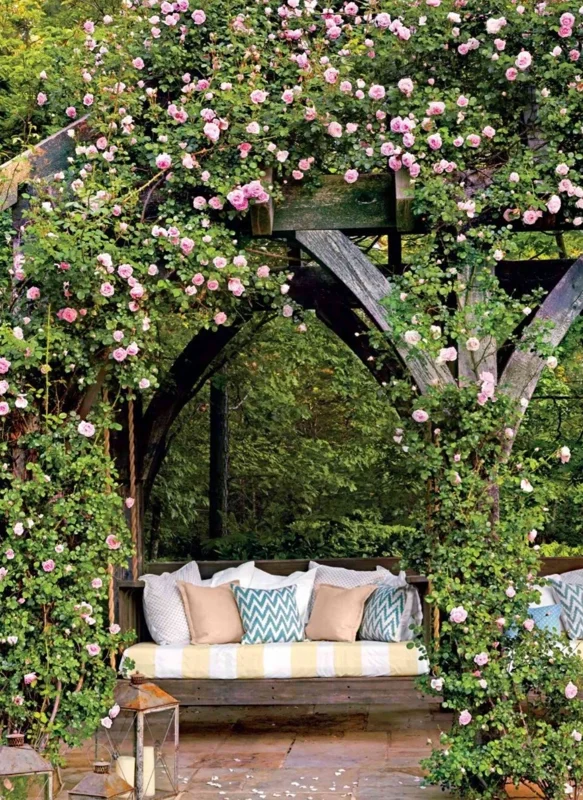
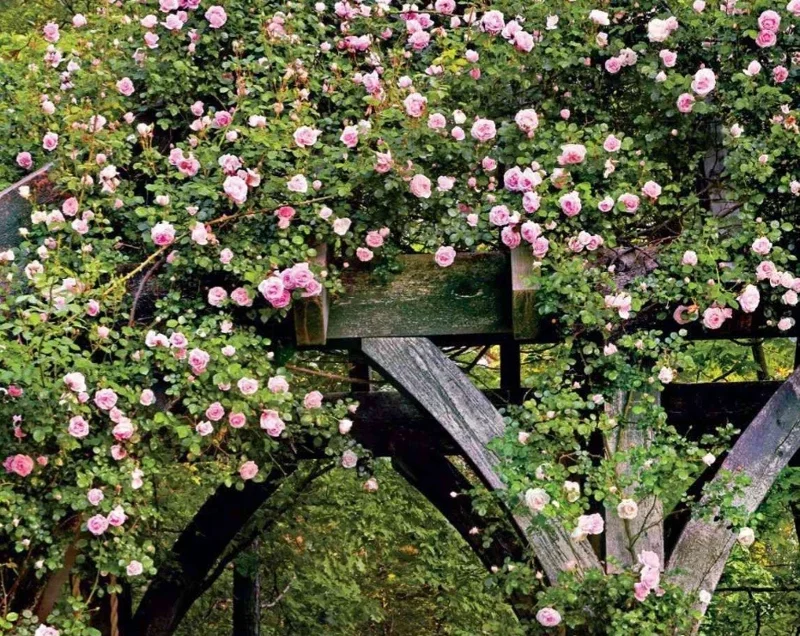
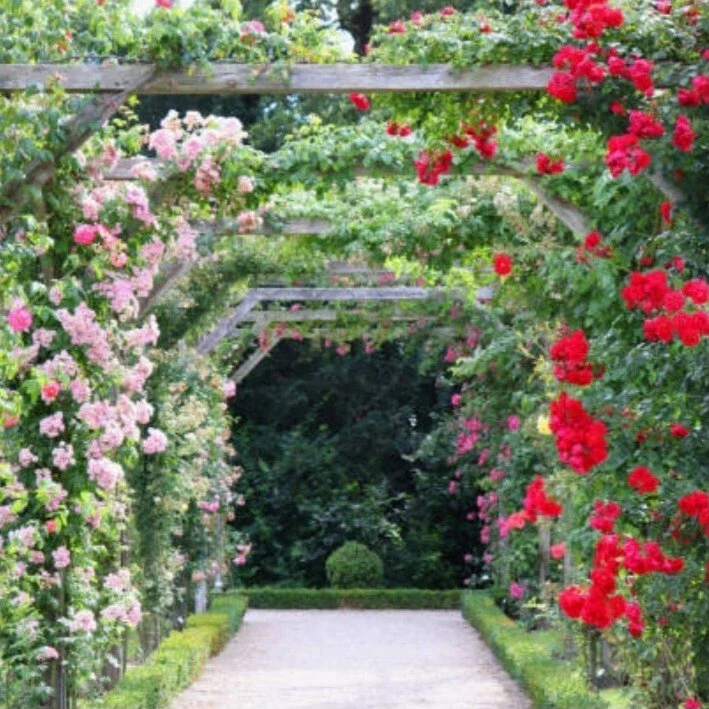
- Stunning Vertical Appeal: This rose naturally climbs, providing an elegant solution for adding height and visual interest to your garden. It’s perfect for trellises, arbors, pergolas, and fences, creating a breathtaking display of pink blooms.
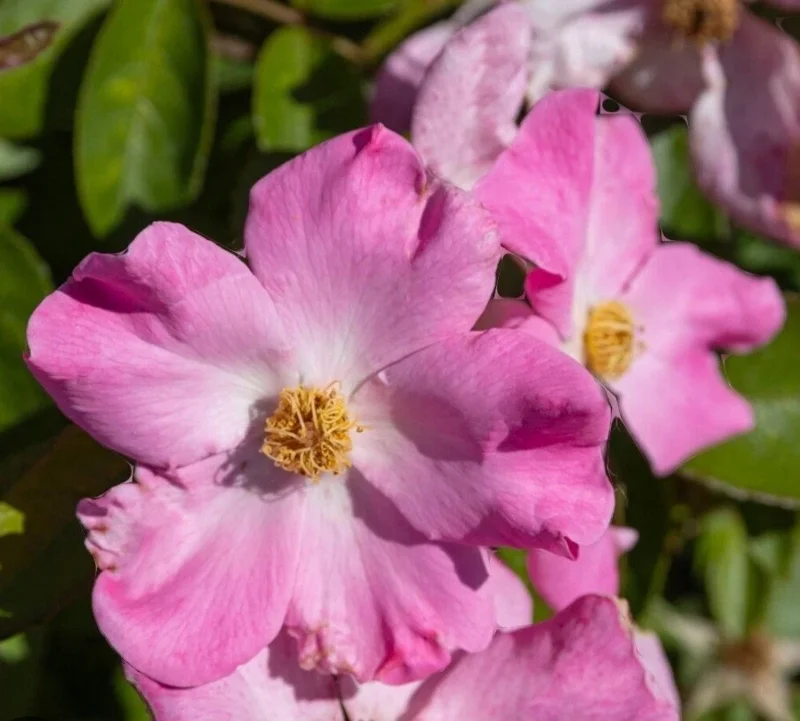
- Abundant Pink Blooms: Enjoy a continuous show of beautiful pink flowers that add a romantic and cheerful atmosphere to your outdoor space. The vibrant color will enhance curb appeal and become a focal point.
- Hardy and Resilient: As a hardy climbing rose, this plant is designed to withstand various weather conditions once established, offering reliable performance year after year. It’s a robust choice for many climates.
- Attracts Pollinators: The fragrant blooms are a magnet for bees, butterflies, and other beneficial pollinators, contributing to a healthier and more diverse garden ecosystem.
- Easy Care: This easy care rose plant is relatively low maintenance, making it suitable for both experienced gardeners and those new to growing roses. With proper initial planting and care, it will flourish.
- Versatile Landscaping: Use this outdoor rose plant to create living walls, screen off areas, or simply add a burst of color to your garden beds. Its flexible stems can be trained to grow in desired directions.
- Long Blooming Season: Many climbing rose varieties offer an extended blooming period, providing color and fragrance from late spring through fall, ensuring your garden remains vibrant for months.
Plant Care & Growing Tips
Caring for your pink climbing rose live plant will ensure a spectacular display year after year. Upon arrival, soak the bare roots in water for a few hours before planting. Choose a site with at least 6 hours of direct sunlight per day; full sun is ideal for optimal blooming. Good air circulation is also important to prevent fungal diseases. Dig a hole wide enough to spread the roots comfortably and deep enough so that the graft union (the swollen part where the rose was budded) is just below the soil line in colder climates or at the soil line in warmer areas. Backfill with a mixture of garden soil and compost, gently firming around the roots to remove air pockets. Water thoroughly after planting.
For watering, ensure the soil remains consistently moist, especially during the first growing season. Once established, this hardy climbing rose is moderately drought-tolerant but will benefit from deep watering during dry spells. Avoid overhead watering to reduce the risk of leaf diseases. Feed your outdoor rose plant with a balanced rose fertilizer in early spring as new growth appears, and again after the first flush of blooms. Pruning is essential for climbing roses to encourage new growth and flowering. In late winter or early spring, remove any dead, damaged, or weak canes. Train the main canes horizontally along your support structure to promote more lateral flowering shoots. This easy care rose plant thrives in well-draining soil with a pH between 6.0 and 6.5. Protect your rose during winter in colder zones by mulching heavily around the base.
Size & Details
This offering is for one pink climbing rose live plant, provided in a bare root form. The plant measures approximately 2 to 3 feet in height upon arrival, featuring a robust root system ready for immediate planting. Bare root plants are an economical and effective way to establish new roses, allowing them to acclimate directly to your garden’s soil conditions. The mature height of this hardy climbing rose can reach up to 8-15 feet, depending on variety and growing conditions, with a spread of 3-6 feet. It is a vigorous grower, and with proper training and support, it will quickly cover its designated vertical space. Expect the first blooms in the growing season following planting, with an increasing abundance of flowers as the plant matures. Ensure you have a sturdy trellis, arbor, or fence in place to support its growth. This bare root climbing rose is a long-lived perennial, providing years of enjoyment.
Frequently Asked Questions
- Q: How tall will this pink climbing rose live plant grow? A: This pink climbing rose live plant typically grows to a mature height of 8-15 feet, depending on the specific variety, your climate, and how it is trained and pruned. It is provided as a 2-3 ft bare root for planting.
- Q: Is this an indoor or outdoor rose plant? A: This is an outdoor rose plant, designed to thrive in garden settings. Climbing roses require significant sunlight and space to grow vertically and are not suitable for indoor cultivation.
- Q: How much sunlight does this hardy climbing rose need? A: A hardy climbing rose requires at least 6 hours of direct sunlight per day to produce abundant blooms. Full sun exposure is highly recommended for best performance.
- Q: Is this an easy care rose plant for beginners? A: Yes, this is considered an easy care rose plant. While all roses benefit from some attention, climbing roses are generally robust and forgiving, making them a good choice for those new to rose gardening.
- Q: What condition will the bare root climbing rose arrive in? A: Your bare root climbing rose will arrive carefully packaged, with its roots protected and ready for planting. It will not have leaves or flowers, as it is in a dormant state for optimal transplanting success.
- Q: When is the best time to plant this outdoor rose plant? A: The best time to plant a bare root climbing rose is in early spring, after the last frost, or in late fall before the ground freezes. This allows the plant time to establish its root system before extreme weather.
- Q: What kind of soil does this pink climbing rose live plant prefer? A: This pink climbing rose live plant thrives in well-draining, fertile soil. Amending your garden soil with compost or other organic matter before planting will provide the best environment for root development.
- Q: Will this hardy climbing rose survive winter in my region? A: As a hardy climbing rose, it is suitable for a wide range of USDA hardiness zones. Check your specific zone to ensure it aligns with the rose’s cold tolerance, and provide winter protection if you are in a colder climate.
- Q: How often should I water my easy care rose plant? A: During the first growing season, water your easy care rose plant regularly to keep the soil consistently moist. Once established, water deeply when the top few inches of soil feel dry, adjusting frequency based on weather and soil type.
- Q: What are the best ways to support my pink climbing rose live plant? A: Provide a sturdy support structure like a trellis, arbor, or strong wires along a wall or fence. Gently tie the canes to the support as they grow, training them horizontally to encourage more blooms.






Reviews
There are no reviews yet.