Overview
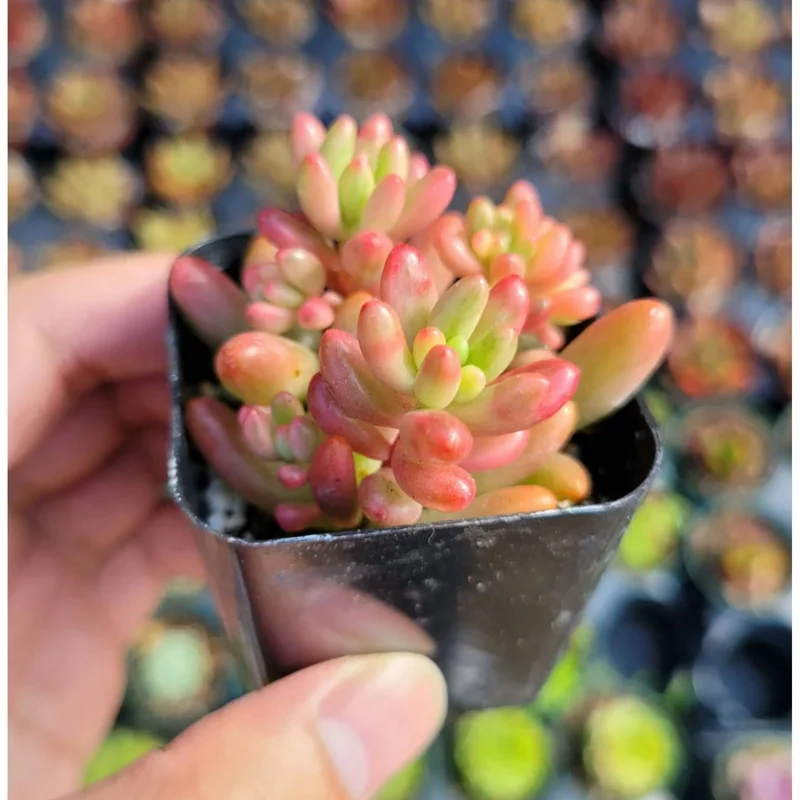
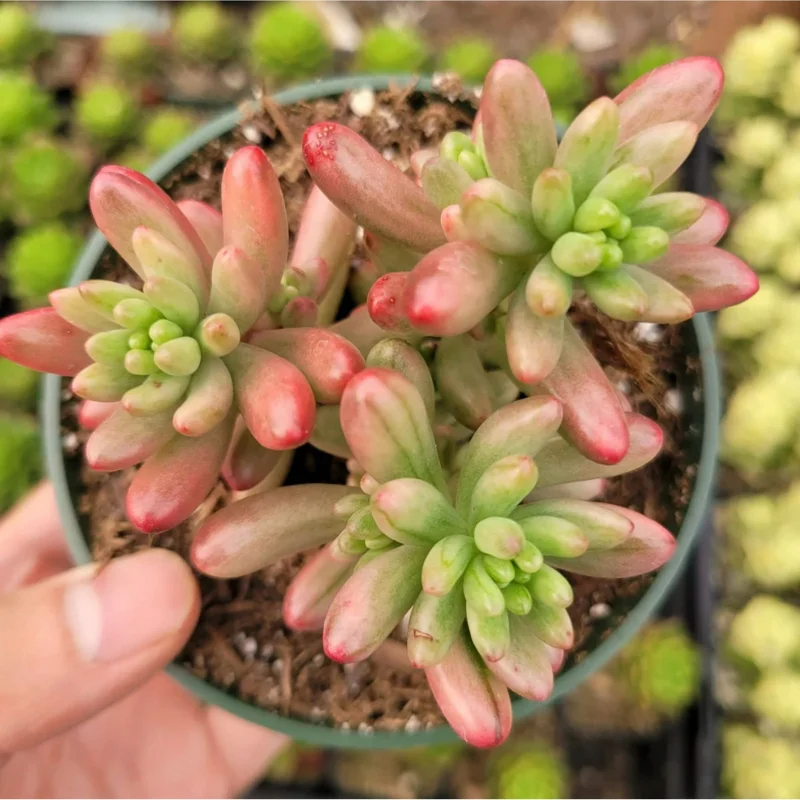
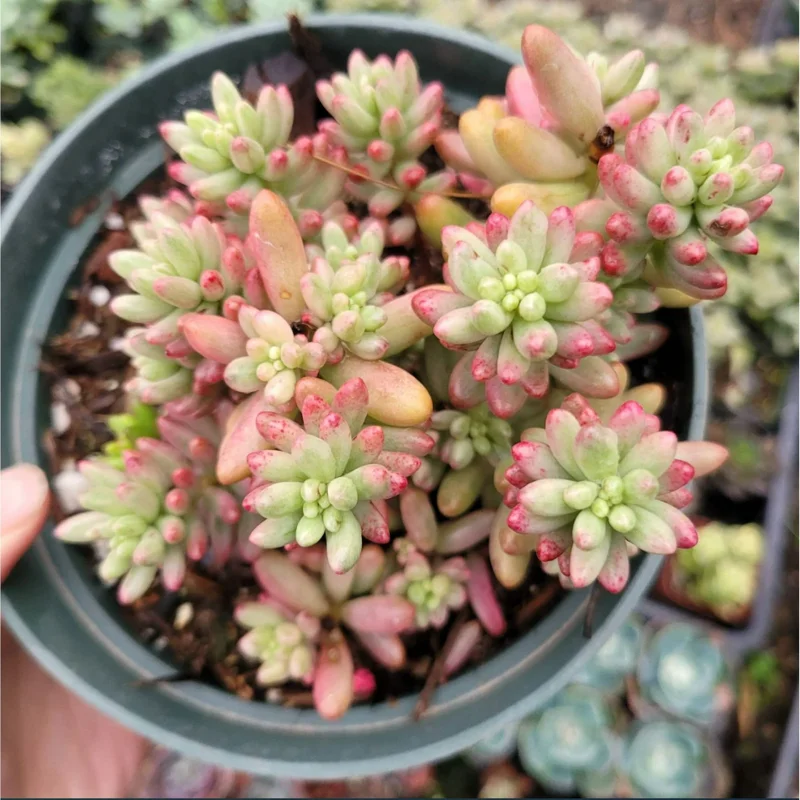
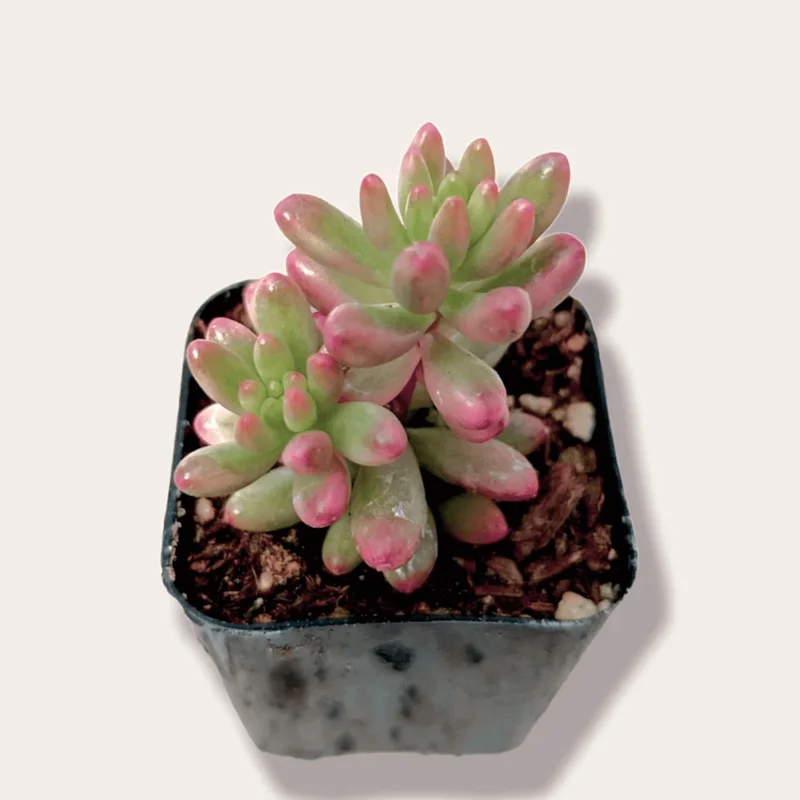
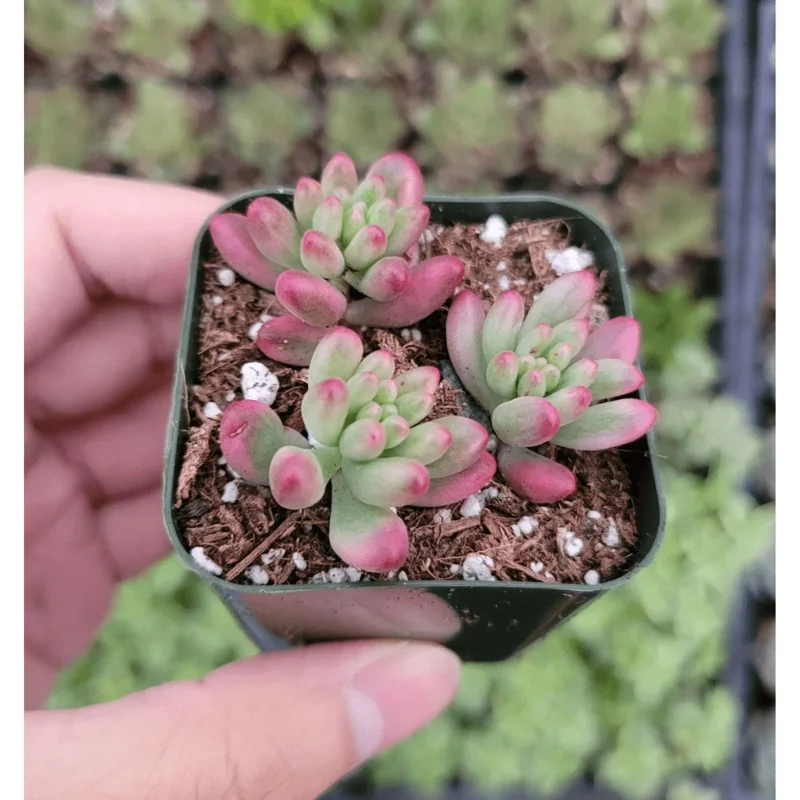
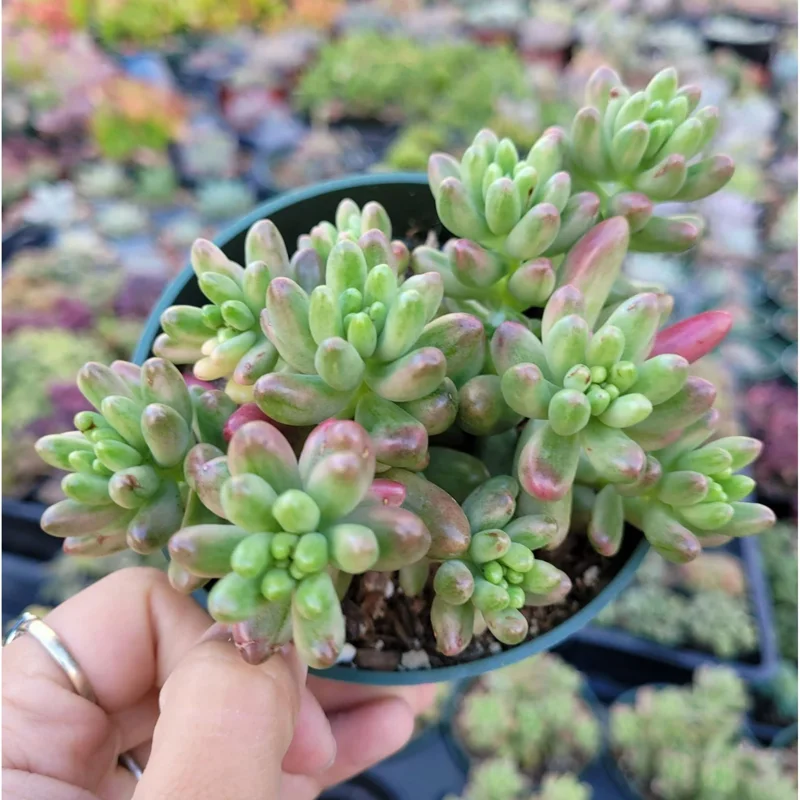
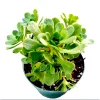
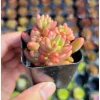
Introduce a splash of vibrant color and unique texture to your plant collection with the stunning pink jelly bean succulent, scientifically known as Sedum Rubrotinctum ‘Aurora’. This delightful succulent is a live plant, arriving in a convenient 2-inch size, perfect for starting your succulent journey or adding to an existing display. Originating from Mexico, this captivating succulent belongs to the Crassulaceae family and is renowned for its distinctive, bean-shaped leaves that blush with beautiful pink and red hues when exposed to ample sunlight. As a perennial succulent, it forms erect, clumping plants that are both eye-catching and incredibly resilient. Whether you’re a seasoned plant enthusiast or a beginner, the pink jelly bean succulent offers an easy-to-care-for option that thrives in various environments, making it a fantastic choice for home, office, or garden decor.
The ‘Aurora’ cultivar is particularly prized for its enhanced coloration, offering a more pronounced pink and red tint compared to the standard Sedum Rubrotinctum. This succulent live plant is an excellent addition for anyone seeking a low-maintenance yet visually striking botanical specimen. Its compact size and appealing aesthetics make it versatile for terrariums, rock gardens, windowsills, and mixed succulent arrangements. Embrace the beauty and simplicity of this charming plant, and watch it transform your space with its unique, jewel-toned foliage.
Key Benefits
The pink jelly bean succulent offers numerous advantages, making it a popular choice for plant lovers. Its unique appearance and robust nature contribute to its widespread appeal:
Stunning Visual Appeal: The primary benefit of the pink jelly bean succulent is its striking coloration. Its plump, jelly bean-like leaves transition from green to vibrant pink and red, especially under bright light, adding a captivating pop of color to any setting. This makes it an excellent focal point in succulent arrangements or as a standalone piece.
Low Maintenance: Ideal for busy individuals or novice gardeners, this succulent requires minimal attention. Its drought-tolerant nature means it doesn’t need frequent watering, and it generally resists common pests and diseases, simplifying its care routine significantly.
Versatile Decor Piece: The compact size and attractive form of the pink jelly bean succulent make it highly adaptable. It’s suitable for indoor environments like desks, shelves, and windowsills, and equally at home outdoors in rock gardens, containers, or xeriscapes, blending seamlessly with various decor styles.
Drought Tolerant: Hailing from arid regions, this plant is naturally adapted to withstand dry conditions. This feature not only reduces watering frequency but also makes it a sustainable choice for water-wise gardening.
Air Purification: Like many plants, the succulent live plant contributes to air quality by absorbing carbon dioxide and releasing oxygen, promoting a healthier indoor environment.
Easy Propagation: The pink jelly bean succulent is remarkably easy to propagate from stem or leaf cuttings, allowing you to expand your collection or share with friends and family with minimal effort.
Resilient and Hardy: This succulent is known for its hardiness, capable of bouncing back from minor neglect and adapting to various light conditions, making it a forgiving plant for those still learning the ropes of plant care.
Plant Care & Growing Tips
Proper jelly bean plant care ensures your Sedum Rubrotinctum ‘Aurora’ thrives and displays its best colors. This succulent prefers a warm, dry environment with plenty of sunshine. For optimal growth and vibrant pink hues, provide at least 6 hours of direct sunlight daily. If kept indoors, place it near a south-facing window or under a grow light. During intense summer heat, especially when temperatures exceed 95°F (35℃), it’s advisable to provide some partial shade during the hottest part of the day to prevent sunburn. Insufficient light can lead to etiolation, where the plant stretches and becomes leggy, losing its compact form and vibrant color. Conversely, too much direct, unfiltered sun in extreme heat can cause the leaves to become watery or scorched.
When it comes to watering, the pink jelly bean succulent is very drought-tolerant, so less is often more. Overwatering is the most common cause of succulent demise, leading to root rot. Water thoroughly only when the soil has completely dried out, typically every 2-4 weeks, depending on environmental conditions. Reduce watering significantly in winter and summer months when the plant enters a dormant state. The key is to allow the soil to dry out completely between waterings. Use a well-draining soil mix specifically formulated for succulents and cacti. A good mix will prevent waterlogging and ensure healthy root development. You can amend regular potting soil with perlite or coarse sand to improve drainage. Fertilize sparingly, if at all; a diluted succulent fertilizer once in spring is usually sufficient. This approach to jelly bean plant care will keep your succulent happy and healthy.
Size & Details
This offering is for one pink jelly bean succulent, Sedum Rubrotinctum ‘Aurora’, provided as a live plant in a 2-inch nursery pot. At this size, the plant is typically well-rooted and ready to be transplanted into a decorative container or integrated into a larger succulent arrangement. When mature, this succulent can form dense clumps, with individual stems reaching up to 6-8 inches in height, though they often spread horizontally creating a beautiful groundcover effect in outdoor settings. The growth rate is relatively slow, allowing you to enjoy its compact form for an extended period before needing repotting. The vibrant pink and red coloration is most pronounced on new growth and when the plant receives adequate sunlight. This succulent live plant is shipped in its nursery pot with soil, ensuring minimal disturbance during transit and a smooth transition to its new home.
Frequently Asked Questions
- Q: How big does this plant get? A: The pink jelly bean succulent typically grows to about 6-8 inches tall and can spread up to 12 inches wide, forming attractive clumps over time. Its size makes it ideal for small spaces and detailed arrangements.
- Q: Is this an indoor or outdoor plant? A: This versatile succulent live plant can thrive both indoors and outdoors. It requires bright light, so ensure it gets plenty of sun if kept inside, or partial to full sun outdoors in suitable climates.
- Q: How much sunlight does it need? A: For the best coloration and healthy growth, your sedum rubrotinctum aurora needs at least 6 hours of bright, direct sunlight per day. If kept indoors, a south-facing window is ideal.
- Q: Is this plant easy to care for? A: Yes, the pink jelly bean succulent is considered very easy to care for, making it an excellent choice for beginners. Its drought tolerance and minimal needs simplify its maintenance.
- Q: What condition will it arrive in? A: Your succulent live plant will arrive well-packaged in its 2-inch nursery pot with soil, ensuring it is healthy and ready to be transplanted or enjoyed as is.
- Q: How often should I water my jelly bean plant? A: Water your jelly bean plant care only when the soil is completely dry to the touch. This usually means every 2-4 weeks, but always check the soil moisture before watering.
- Q: What kind of soil is best for a pink jelly bean succulent? A: A well-draining soil mix is crucial for the pink jelly bean succulent. Use a succulent or cactus potting mix, or amend regular potting soil with perlite or coarse sand.
- Q: Is this indoor succulent plant pet-safe? A: While Sedum Rubrotinctum is generally considered non-toxic to pets, it’s always best to prevent pets from consuming any houseplant to avoid potential stomach upset.
- Q: Can I propagate this succulent? A: Yes, the pink jelly bean succulent is very easy to propagate from stem or leaf cuttings. Simply allow the cuttings to callus for a few days before placing them on well-draining soil.
- Q: Will the pink color fade? A: The vibrant pink and red hues of the sedum rubrotinctum aurora are most prominent under strong sunlight. If the plant doesn’t receive enough light, the colors may fade and revert to a greener shade.



Reviews
There are no reviews yet.