Overview
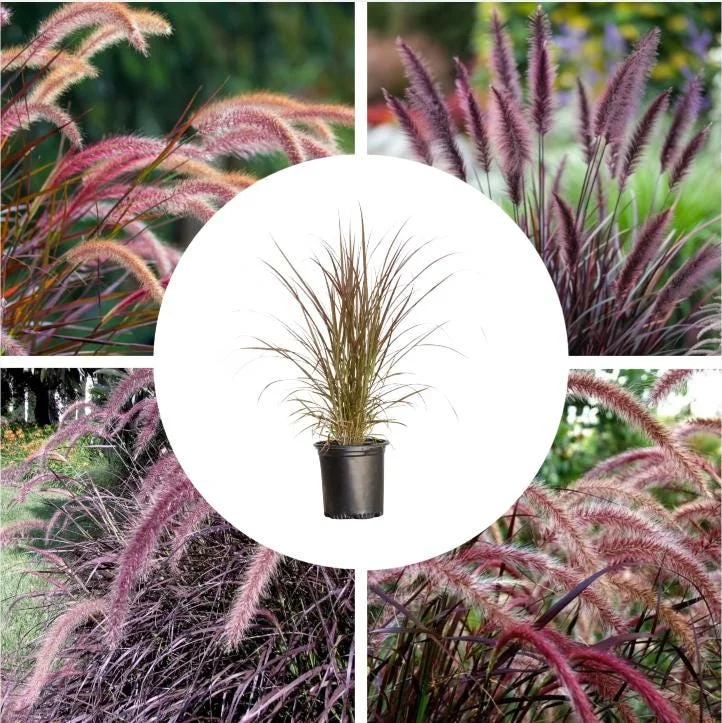
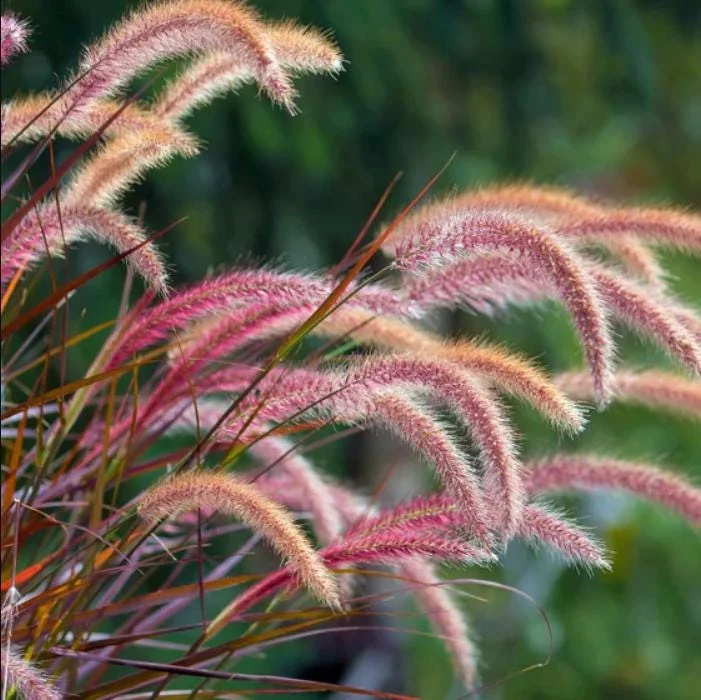
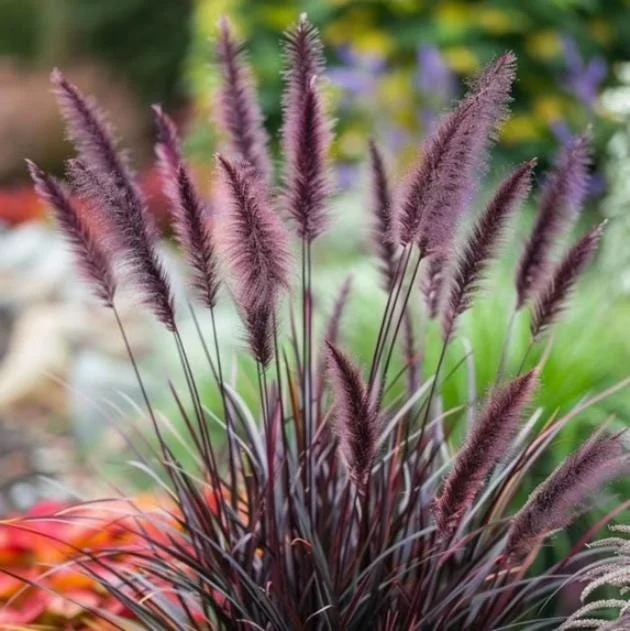
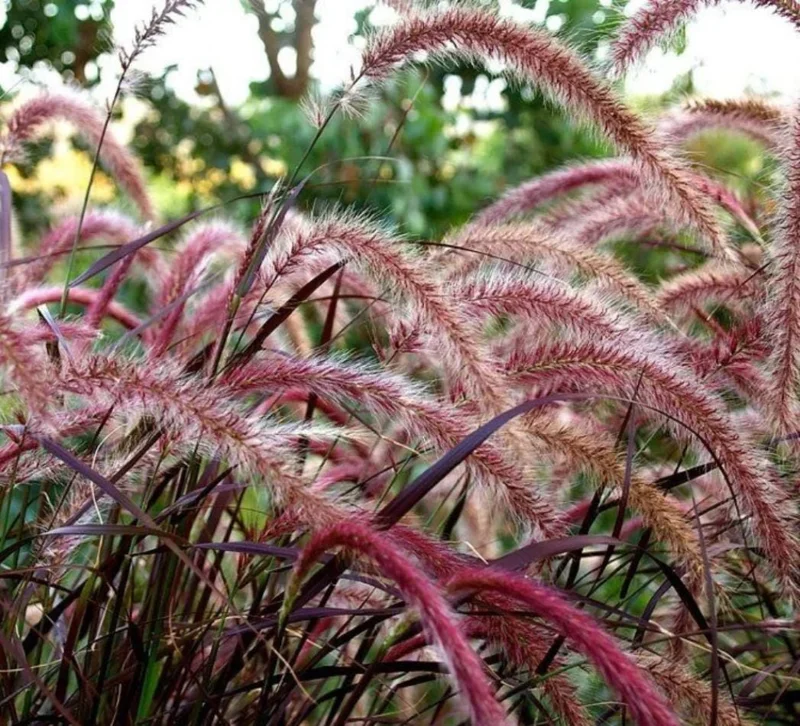
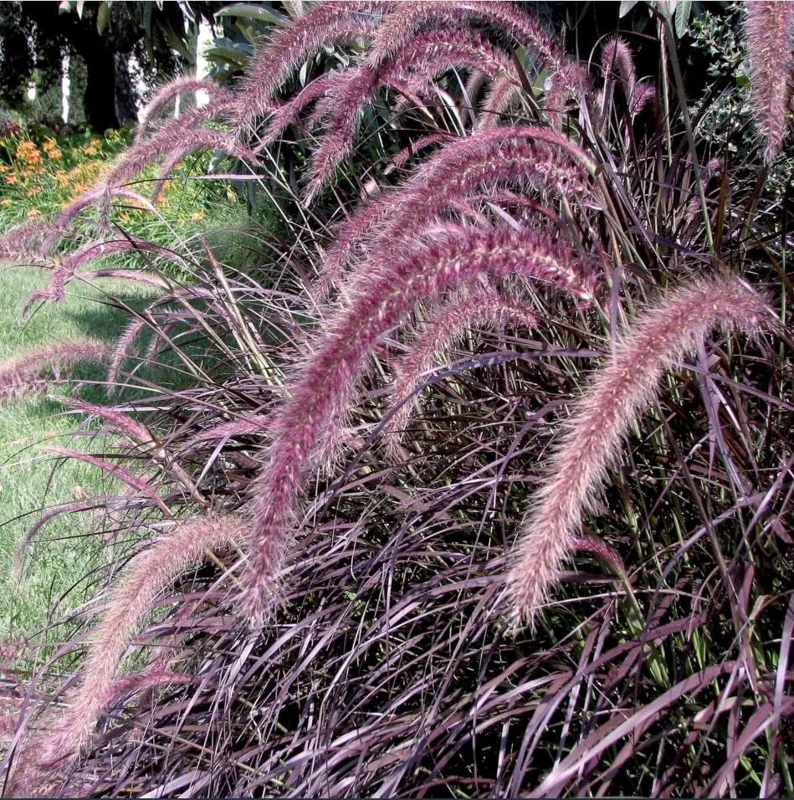
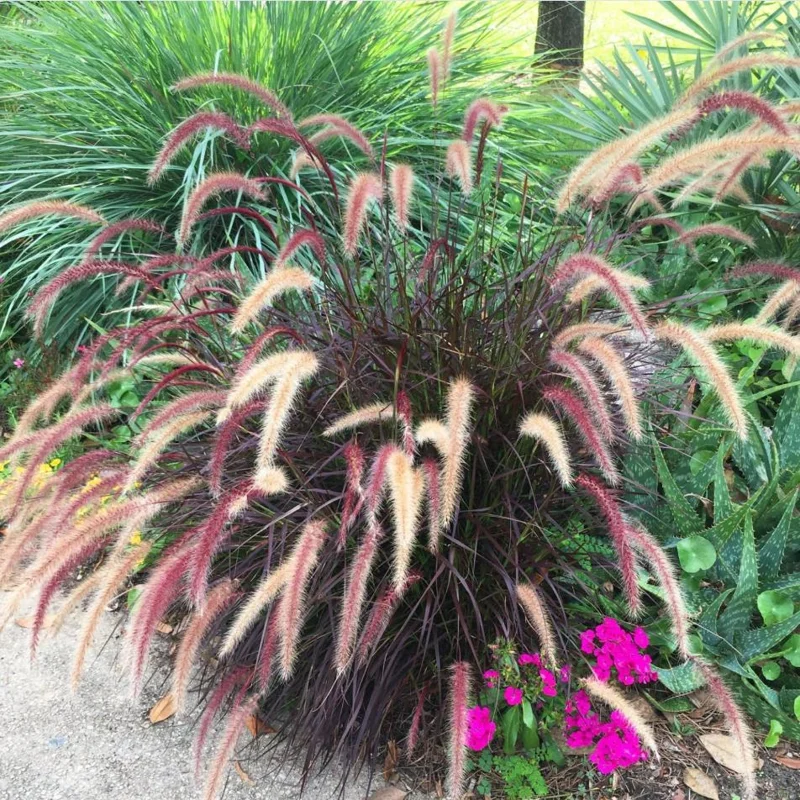
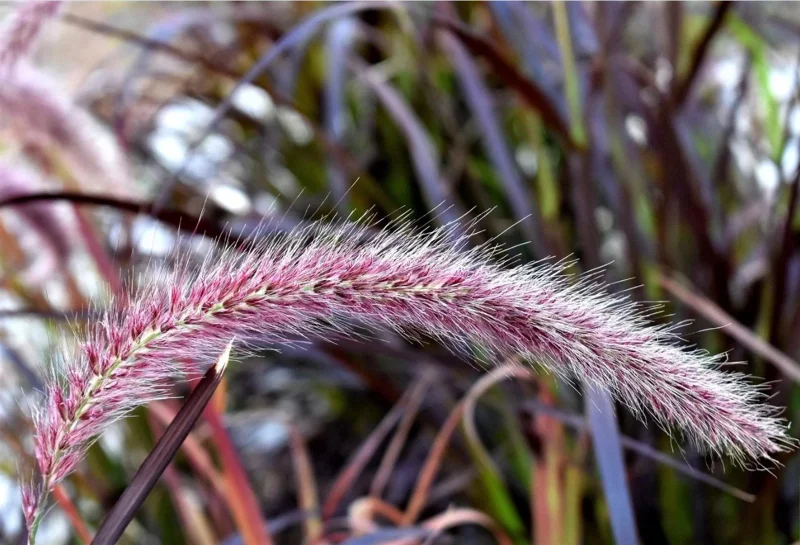
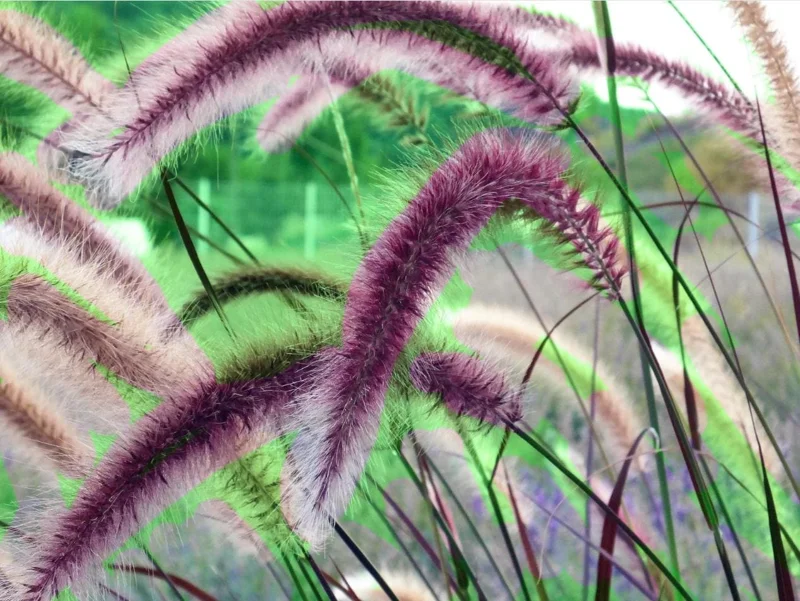
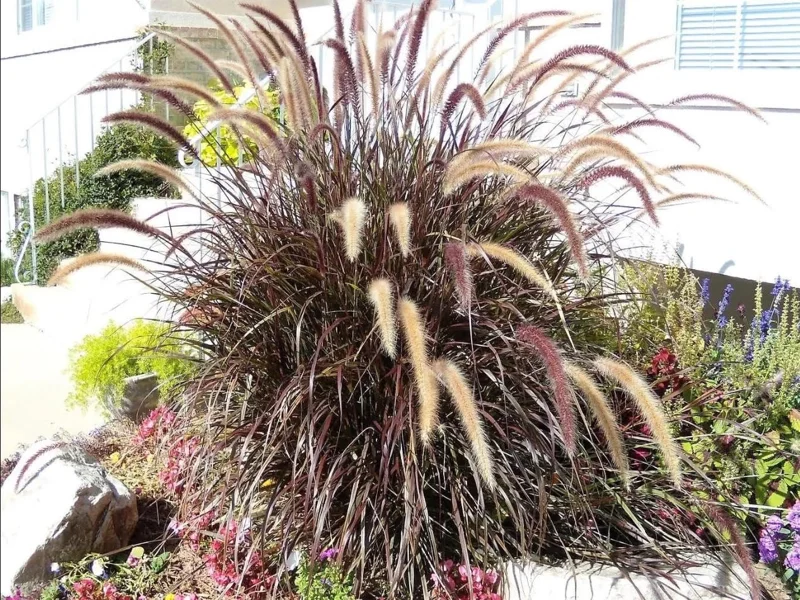
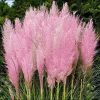
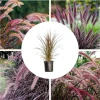
Introduce a splash of vibrant color and elegant texture to your outdoor spaces with the purple fountain grass live plant. This stunning ornamental grass, scientifically known as Pennisetum setaceum Rubrum, is celebrated for its distinctive arching purple foliage and soft, feathery plumes that sway gracefully in the breeze. Perfect for gardeners seeking a low-maintenance yet high-impact addition, this purple fountain grass live plant arrives well-rooted and ready for planting, typically measuring 4 to 6 inches tall. Its rich coloration and dynamic form make it a focal point in any garden design, from contemporary landscapes to traditional borders. Whether used as a specimen plant or massed for dramatic effect, this grass promises to elevate the aesthetic appeal of your home and garden.
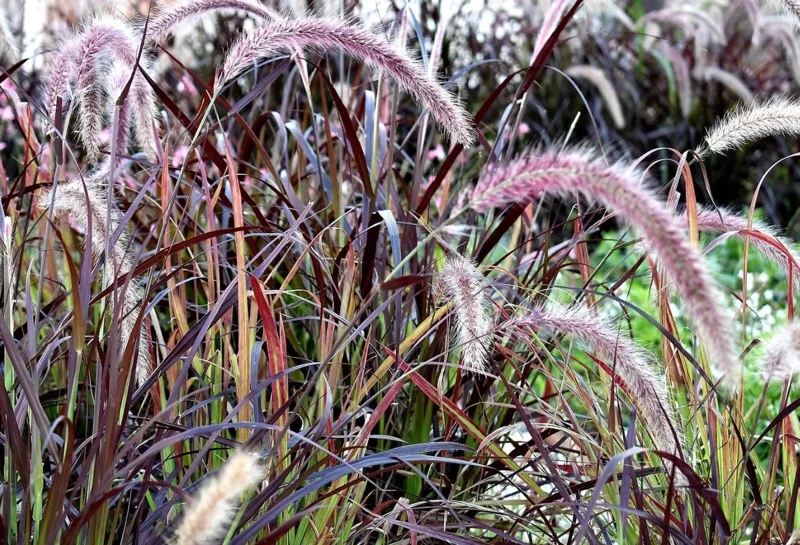
The ornamental purple grass is a popular choice for its ability to provide continuous visual interest from spring through fall, even into winter in warmer climates. Its unique reddish-purple leaves and flower spikes create a beautiful contrast with green shrubs and colorful flowers, making it a versatile component in mixed beds and container arrangements. Easy to grow and relatively hardy, it’s an excellent option for both experienced gardeners and those just starting their horticultural journey. Discover the beauty and simplicity of incorporating this captivating grass into your outdoor sanctuary.
Key Benefits
The purple fountain grass live plant offers a multitude of advantages, making it a favored choice for diverse garden styles and needs. Its striking appearance is just the beginning of its appeal:
- Vibrant Aesthetic Appeal: The deep purple foliage and arching form provide continuous color and texture, creating a dramatic visual impact in any setting. It’s an excellent way to introduce a unique hue to your garden palette.
- Graceful Movement: The soft, feathery plumes and slender leaves gently sway with the slightest breeze, adding dynamic movement and a sense of tranquility to your landscape. This natural motion enhances the garden’s ambiance.
- Drought Tolerance: Once established, this drought tolerant fountain grass requires minimal watering, making it an ideal choice for water-wise gardens and busy individuals. It thrives in conditions where other plants might struggle.
- Versatile Landscaping: Perfect for a variety of uses, including mass plantings, borders, container gardening, and as a specimen plant. Its adaptability allows for creative and flexible garden designs, making it a truly versatile purple foliage garden plant.
- Low Maintenance: Requires relatively little care compared to many other ornamental plants. Pruning typically involves cutting back the old foliage in late winter or early spring, making it a gardener-friendly option.
- Attracts Wildlife: While not a primary pollinator plant, its seed heads can provide food for birds, and its dense growth can offer shelter to small garden creatures, contributing to local biodiversity.
- Deer Resistant: Generally not favored by deer, offering a practical solution for gardens in areas prone to deer browsing, allowing your beautiful grass to remain intact.
Plant Care & Growing Tips
Caring for your purple fountain grass live plant is straightforward, ensuring a beautiful display with minimal effort. This ornamental grass thrives in conditions that mimic its natural habitat. For optimal growth and the most vibrant purple coloration, ensure your plant receives ample sunlight. It performs best in full sun, meaning at least 6 to 8 hours of direct sunlight daily. In shadier conditions, the foliage may appear greener rather than its characteristic deep purple. When planting, choose a location with good air circulation to prevent fungal issues.
Watering is crucial during the establishment phase. Water regularly after planting, keeping the soil consistently moist but not waterlogged. Once established, typically after its first growing season, the pennisetum rubrum plant becomes quite drought-tolerant. Allow the soil to dry slightly between waterings, as excessive moisture can lead to root rot. For soil, this grass prefers well-drained conditions. While it tolerates poor soil, it will flourish in moderately fertile garden soil. Amending heavy clay soils with organic matter can significantly improve drainage and provide a better growing environment for your ornamental purple grass.
This warm-season grass loves heat and is sensitive to frost. In regions with harsh winters (typically outside USDA zones 9-11), it is often grown as an annual. In warmer climates, it can be a perennial, dying back to the ground in winter and re-emerging in spring. Fertilization is generally not heavily required; a balanced, slow-release fertilizer in early spring can encourage vigorous growth. Prune back old foliage to about 6 inches from the ground in late winter or early spring before new growth begins. Keep an eye out for common pests, though this grass is generally robust and problem-free.
Size & Details
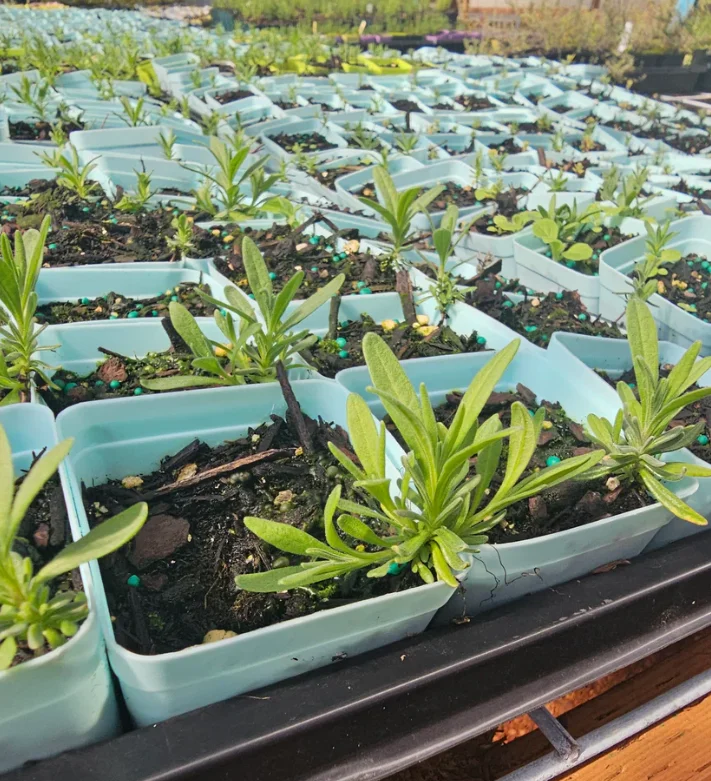
This offering includes a healthy purple fountain grass live plant, typically arriving well-rooted and ready for immediate planting. Each plant measures approximately 4 to 6 inches in height, providing a strong foundation for future growth. As it matures, the purple fountain grass live plant can reach an impressive size of 2 to 5 feet tall and equally wide, forming a graceful, arching clump of foliage and plumes. Its rapid growth rate ensures that your garden will quickly benefit from its vibrant presence.
The plant is shipped without a pot to minimize shipping stress and waste, allowing you to plant it directly into your garden bed or a container of your choice upon arrival. Expect the vibrant purple coloration to intensify with sufficient sunlight exposure and warm temperatures. This grass is known for its prolific feathery plumes that emerge in late summer and persist into fall, adding another layer of texture and interest. Its clumping habit ensures it maintains a tidy form, making it suitable for various planting schemes and a fantastic purple foliage garden plant.
Frequently Asked Questions
- Q: How big does this plant get? A: A: This purple fountain grass live plant typically grows to a mature size of 2 to 5 feet tall and equally wide, forming an attractive, mounding clump. Its size can vary slightly depending on growing conditions and climate.
- Q: Is this an indoor or outdoor plant? A: This purple fountain grass live plant is primarily an outdoor ornamental grass. While it can be grown in containers, it thrives best in outdoor garden settings where it receives full sun.
- Q: How much sunlight does it need? A: For the most vibrant purple coloration and robust growth, your purple fountain grass live plant requires full sun, meaning at least 6 to 8 hours of direct sunlight per day. Less sun may result in greener foliage.
- Q: Is this plant easy to care for? A: Yes, the pennisetum rubrum plant is considered low-maintenance once established. It’s known for its drought tolerance and general hardiness, making it suitable for gardeners of all experience levels.
- Q: What condition will it arrive in? A: Your purple fountain grass live plant will arrive well-rooted and healthy, ready for planting. It is shipped without a pot to ensure safe transit and reduce packaging waste.
- Q: When is the best time to plant? A: The best time to plant your purple fountain grass live plant is in the spring after the last frost, or in early summer, to allow it ample time to establish before cooler weather.
- Q: Will it survive winter in my zone? A: In USDA Zones 9-11, this ornamental purple grass can be a perennial, often dying back in winter and re-emerging in spring. In colder zones, it is typically grown as an annual unless brought indoors or heavily mulched.
- Q: Can this drought tolerant fountain grass be grown in containers? A: Absolutely! The purple fountain grass live plant is an excellent choice for containers, especially on patios or balconies, where its striking foliage can be a focal point. Ensure the container has good drainage.
- Q: Does this grass attract pests? A: The purple fountain grass live plant is generally pest-resistant. Occasionally, aphids or spider mites might appear, but they are usually easily managed with organic solutions.
- Q: What type of soil does it prefer? A: This grass prefers well-drained soil. It tolerates various soil types but performs best in moderately fertile conditions. Avoid heavy, waterlogged soils.





Reviews
There are no reviews yet.