Overview
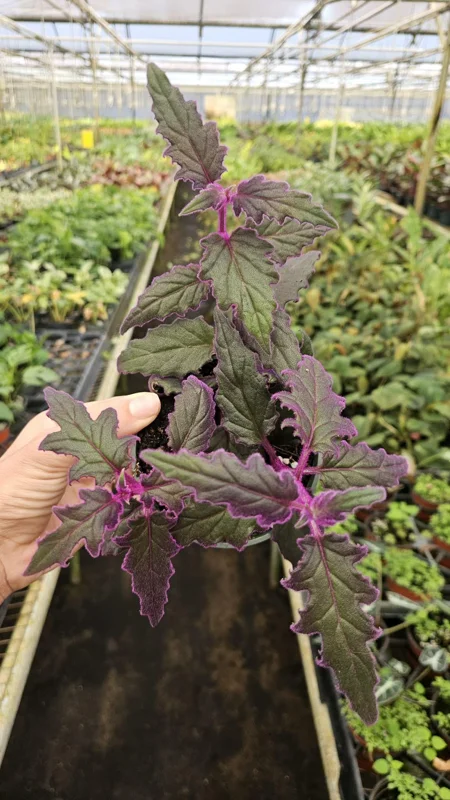
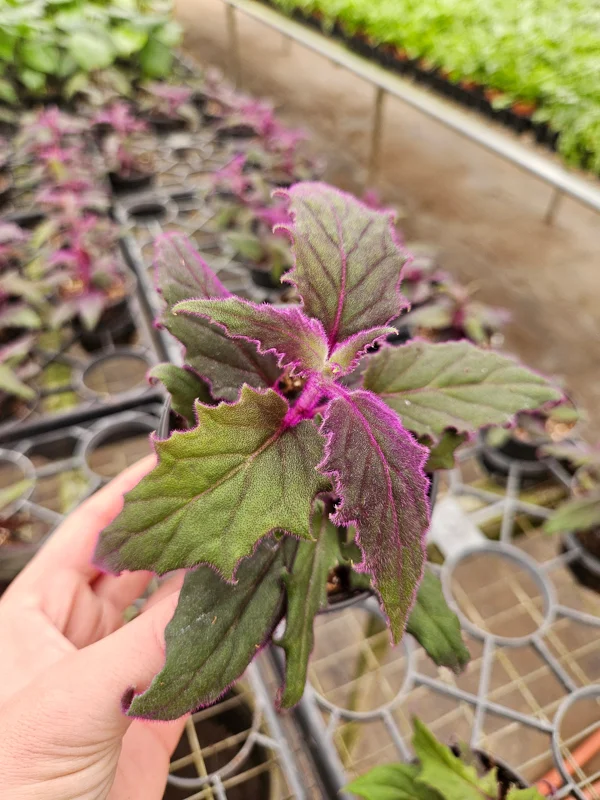
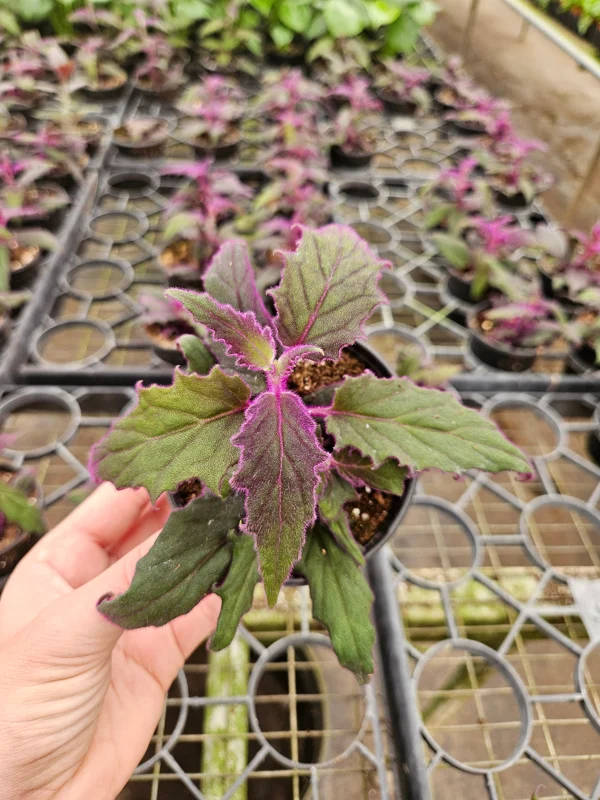
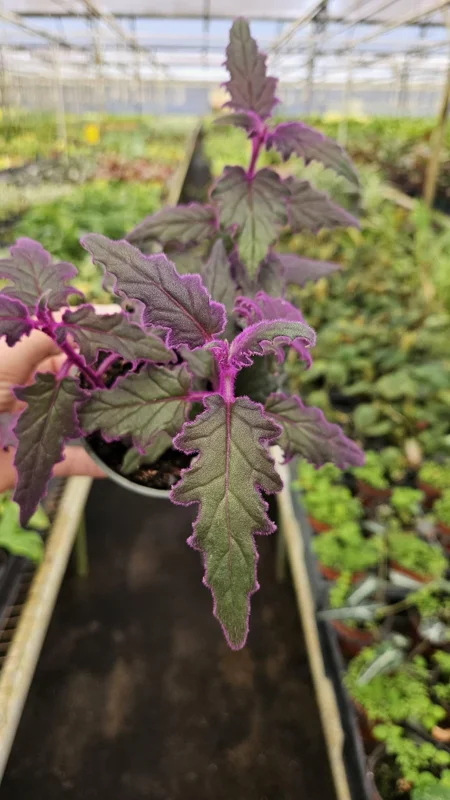
Introduce a splash of vibrant color and unique texture to your indoor plant collection with the magnificent purple passion plant. Also known by its botanical name, Gynura Aurantiaca live plant, or simply the ‘Velvet Plant,’ this striking specimen is celebrated for its distinctive foliage. The deep green leaves are beautifully adorned with fine, soft purple hairs, giving them a velvety appearance and a captivating iridescent sheen. When light catches the leaves, they seem to glow with an ethereal purple aura, making it a true showstopper. Originating from Southeast Asia, the purple passion plant thrives as an indoor ornamental, adding an exotic and luxurious touch to any room. It’s an excellent choice for plant enthusiasts looking for something beyond the ordinary, offering both visual appeal and a fascinating tactile experience.
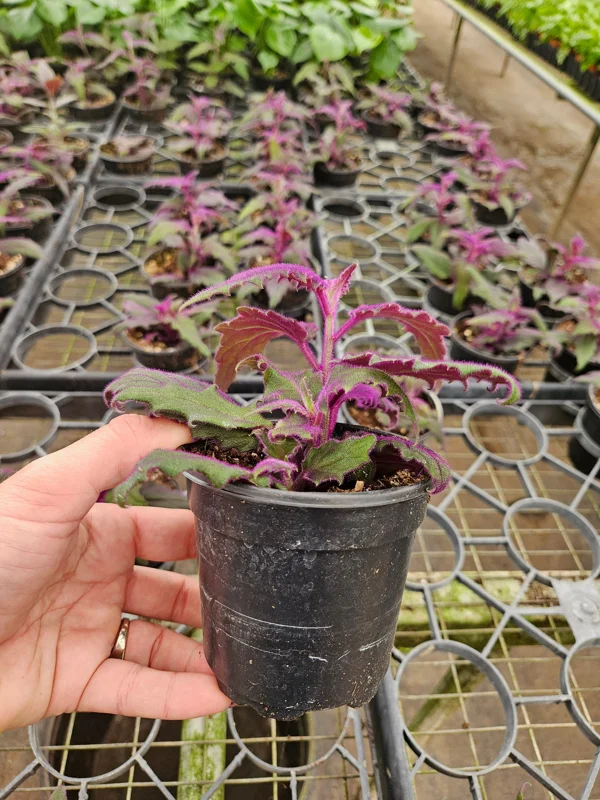
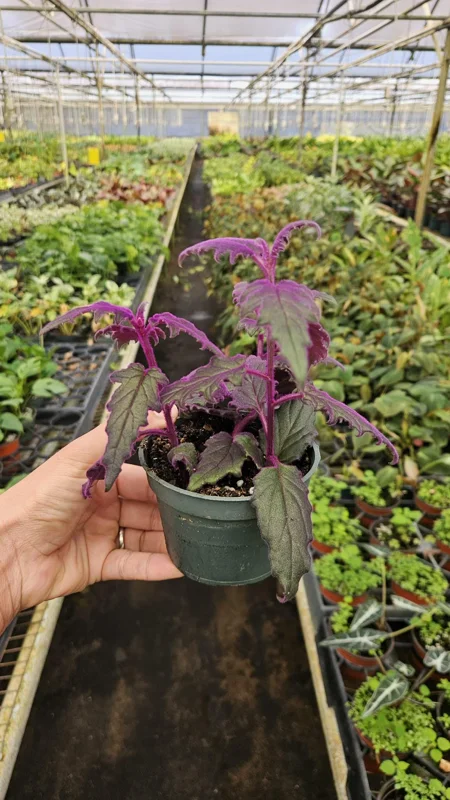
This particular offering is for a healthy purple passion plant grown in a convenient 4-inch pot, ready to be displayed or repotted upon arrival. Its compact size makes it ideal for shelves, desks, or as part of a larger plant arrangement. The Gynura Aurantiaca is not just a pretty face; it’s also known for being relatively straightforward to care for, making it suitable for both seasoned plant parents and those new to the world of houseplants. Its unique aesthetic and manageable growth habit ensure it will be a cherished addition to your indoor garden, providing year-round beauty and a conversation starter for guests.
Key Benefits
The purple passion plant offers a multitude of benefits that extend beyond its undeniable beauty, making it a fantastic addition to any home. Its unique characteristics contribute to a more vibrant and engaging living space.
Stunning Visual Appeal: The most striking feature of the gynura aurantiaca live plant is its vibrant, velvety purple foliage. This rich color and soft texture create a dramatic contrast against other green plants, instantly drawing the eye and adding a luxurious feel to your decor. It’s a natural focal point in any room.
Unique Tactile Experience: Unlike many houseplants, the leaves of the purple passion plant are covered in soft, fuzzy hairs, inviting touch. This unique texture adds another dimension to its appeal, making it a delightful plant for sensory engagement.
Easy to Care For: Despite its exotic appearance, the velvet plant care requirements are surprisingly simple. It’s a forgiving plant that can tolerate some neglect, making it an excellent choice for busy individuals or beginners looking to enjoy a beautiful houseplant without extensive effort.
Compact & Versatile: Typically growing to a manageable size, this indoor purple plant is perfect for smaller spaces such as desks, windowsills, or shelves. Its trailing habit also makes it suitable for hanging baskets, allowing its beautiful foliage to cascade gracefully.
Air Purifying Qualities: Like many houseplants, the Gynura Aurantiaca contributes to a healthier indoor environment by helping to filter out common airborne toxins. While not as prominent as some other plants, it still plays a role in improving air quality.
Promotes Well-being: Bringing nature indoors has been shown to reduce stress, improve mood, and increase feelings of well-being. The vibrant colors and unique texture of the fuzzy leaf plant can create a calming and inspiring atmosphere in your home.
Plant Care & Growing Tips
Caring for your purple passion plant is a rewarding experience, and with a few simple guidelines, you can ensure it thrives and maintains its stunning color. Understanding the specific needs of the Gynura Aurantiaca live plant will help you keep its velvety foliage vibrant and healthy.
Light: The key to maintaining the vivid purple hues of your purple passion plant is bright, indirect light. Place it near a window where it receives plenty of filtered sunlight, such as an east or west-facing window. Direct, harsh sunlight can scorch its delicate leaves and fade the purple coloration, while too little light will result in less intense purple hairs and a leggy growth habit. Rotate the plant periodically to ensure even growth and color development. This careful approach to light is crucial for effective velvet plant care.
Watering: Water your indoor purple plant thoroughly when the top inch of soil feels dry to the touch. It prefers consistently moist, but not waterlogged, soil. Ensure the pot has good drainage to prevent root rot, which is a common issue for many houseplants. During the growing season (spring and summer), it will require more frequent watering, while in fall and winter, you can reduce the frequency as its growth slows down. Avoid letting the plant sit in standing water, as this can quickly lead to problems. Always check the soil moisture before watering to prevent over or under-watering.
Humidity & Temperature: The fuzzy leaf plant appreciates moderate to high humidity. If your home’s air is very dry, especially during winter with heating, consider placing the plant on a pebble tray filled with water or using a humidifier nearby. Avoid placing it near drafts, air conditioning vents, or heating units, as sudden temperature fluctuations can stress the plant. Ideal temperatures range from 65-75°F (18-24°C). It is not frost-tolerant and should always be kept indoors in cooler climates, generally suitable for USDA zones 10-11 if grown outdoors.
Soil & Fertilization: A well-draining, peat-based potting mix is ideal for the purple passion plant. A mix designed for houseplants or African violets works well. Repotting should be done every 1-2 years or when the plant becomes root-bound, typically in spring. Fertilize every 2-4 weeks during the active growing season (spring and summer) with a balanced liquid fertilizer diluted to half strength. Reduce or stop fertilizing during the fall and winter months when the plant’s growth naturally slows. Pruning can be done to maintain its shape and encourage bushier growth, especially if it starts to get leggy.
Size & Details
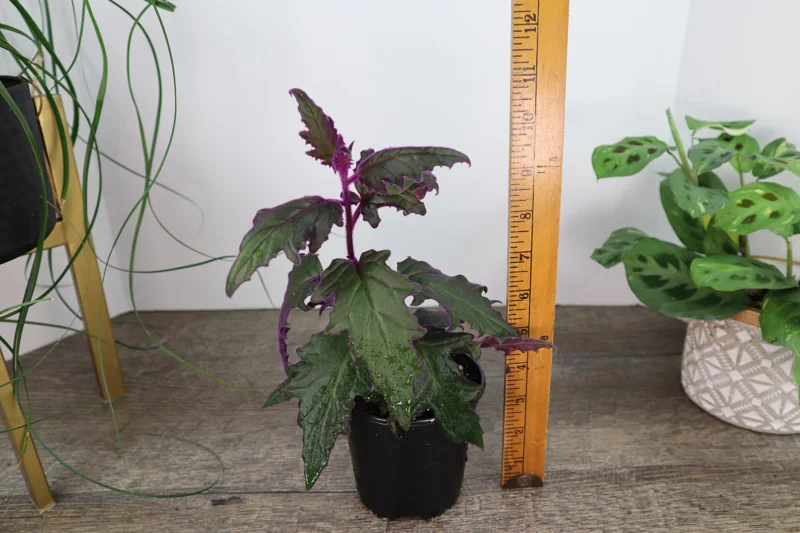
This offering includes one vibrant purple passion plant (Gynura Aurantiaca) carefully cultivated in a standard 4-inch nursery pot. The plant’s size at shipment will vary slightly based on natural growth patterns and availability, but it will be a healthy, established specimen ready to thrive in its new environment. Typically, these plants can grow to an average height of 6-12 inches indoors, with a similar spread, and can develop trailing stems up to 2-3 feet long if allowed to hang. Its growth rate is moderate, allowing you to enjoy its development without it quickly outgrowing its space.
The Gynura Aurantiaca live plant is shipped in its nursery pot with soil, ensuring minimal transplant shock and providing initial nutrients for its journey. While individual plant characteristics like leaf count and exact stem length may vary, each plant is selected for its overall health and vigor. With proper velvet plant care, you can expect this plant to quickly settle into your home and begin showcasing its unique purple foliage. Expect this indoor purple plant to reach its mature coloration and lushness within a few months of consistent care, making it a beautiful and enduring addition to your collection.
Frequently Asked Questions
Q: How big does this purple passion plant get? A: In a typical indoor environment, the purple passion plant usually grows to about 6-12 inches tall and wide. Its stems can trail up to 2-3 feet long, making it excellent for hanging baskets or elevated displays where its foliage can cascade.
Q: What size pot does the Gynura Aurantiaca live plant come in? A: This particular plant is provided in a 4-inch nursery pot, which is a perfect size for transplanting into a decorative pot or allowing it to grow a bit before moving it to a larger container.
Q: Is this an indoor purple plant or can it be grown outdoors? A: The purple passion plant is primarily grown as an indoor houseplant in most climates. It can be grown outdoors in USDA Zones 10-11 where temperatures do not drop below freezing, but it thrives best in controlled indoor environments.
Q: How much sunlight does my velvet plant care routine require? A: For the best color and growth, your purple passion plant needs bright, indirect light. Avoid direct harsh sunlight, which can scorch its leaves, and too little light, which can cause the purple coloration to fade.
Q: Is this fuzzy leaf plant easy to care for for beginners? A: Yes, the purple passion plant is considered relatively easy to care for. Its needs are straightforward, making it a great choice for both novice and experienced plant enthusiasts who want a unique and beautiful houseplant.
Q: What condition will my purple passion plant arrive in? A: Your plant will arrive healthy and well-packaged in its 4-inch nursery pot with soil, ready to be introduced to its new home. We ensure careful packing to protect it during transit.
Q: How often should I water my Gynura Aurantiaca live plant? A: Water when the top inch of soil feels dry to the touch. It’s important to keep the soil consistently moist but never waterlogged. Reduce watering in cooler months.
Q: Does the purple passion plant have any specific humidity needs? A: This plant appreciates moderate to high humidity. If your indoor air is dry, especially in winter, consider using a humidifier or placing the pot on a pebble tray filled with water to increase ambient humidity.
Q: Can I prune my purple passion plant to keep it bushy? A: Absolutely! Pruning is encouraged to maintain a compact, bushy shape and prevent it from becoming too leggy. You can pinch back the stems to promote branching.
Q: Is the purple passion plant pet-safe? A: The Gynura Aurantiaca is considered mildly toxic if ingested, so it’s best to keep it out of reach of pets and children to prevent any potential irritation.





Reviews
There are no reviews yet.