Overview
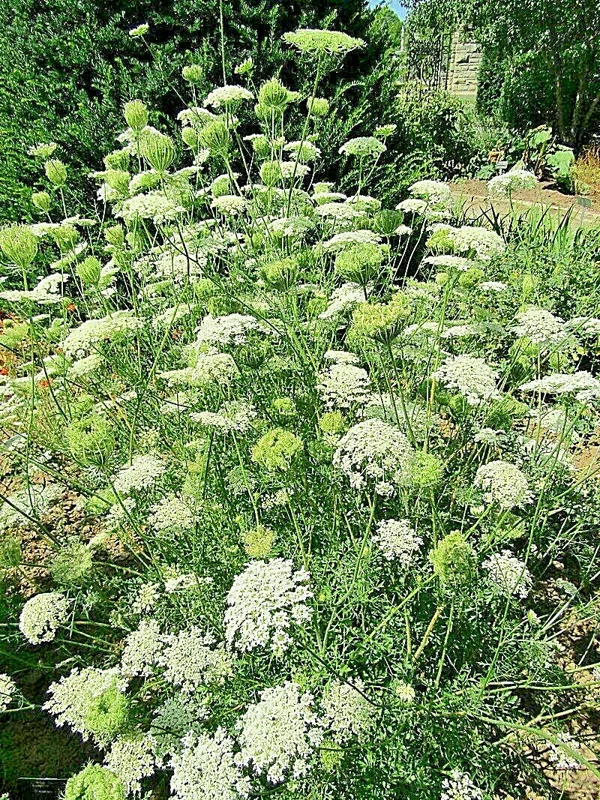
Introduce the timeless beauty of Queen Anne’s Lace seeds (Daucus Carota) to your landscape. This generous bulk pack contains 1000 seeds, providing ample opportunity to grow these iconic wildflowers. Also known as Wild Carrot, Daucus Carota seeds are celebrated for their delicate, lace-like white flower heads and fine, ferny foliage. These biennial plants are easy to establish and will grace your garden with their elegant presence, attracting beneficial pollinators and contributing to a biodiverse ecosystem. Ideal for meadows, cottage gardens, or naturalized settings, Queen Anne’s Lace is a versatile and enchanting addition for any gardener seeking low-maintenance beauty.
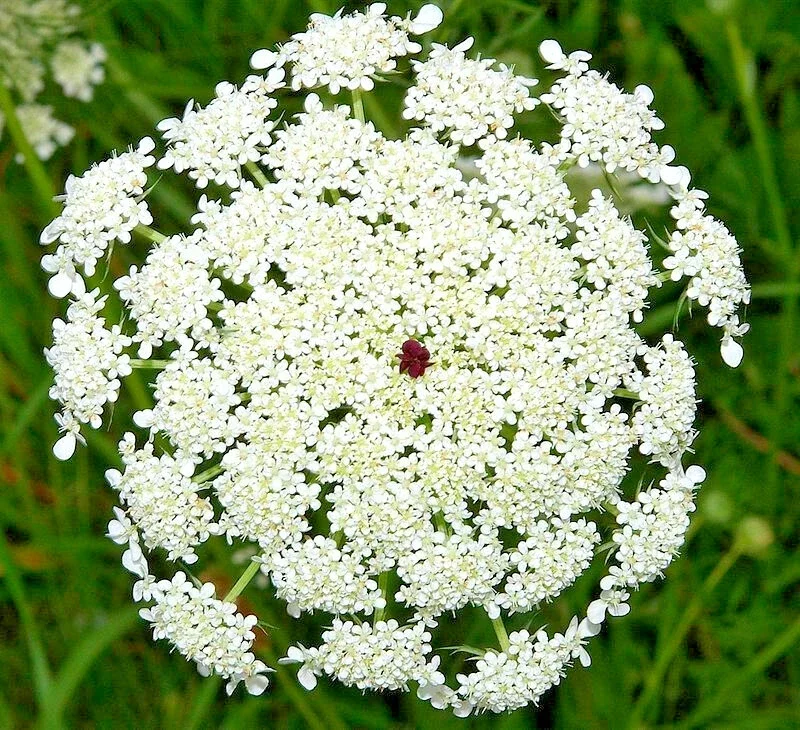
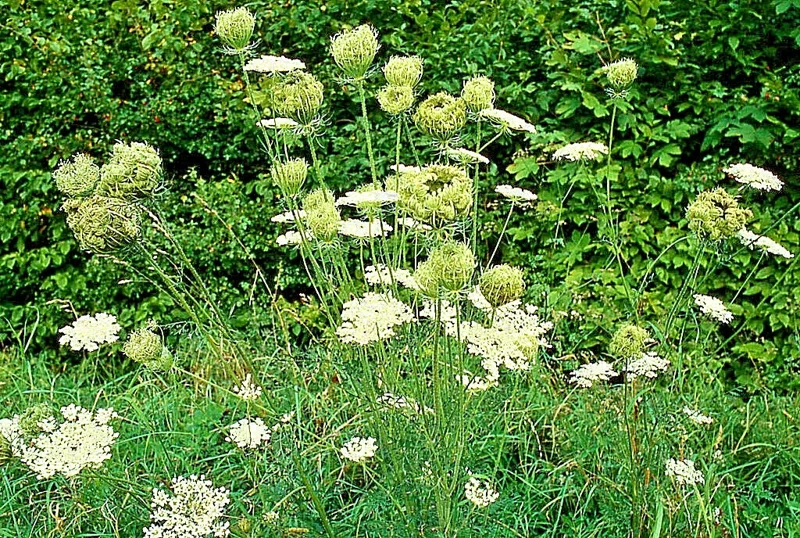
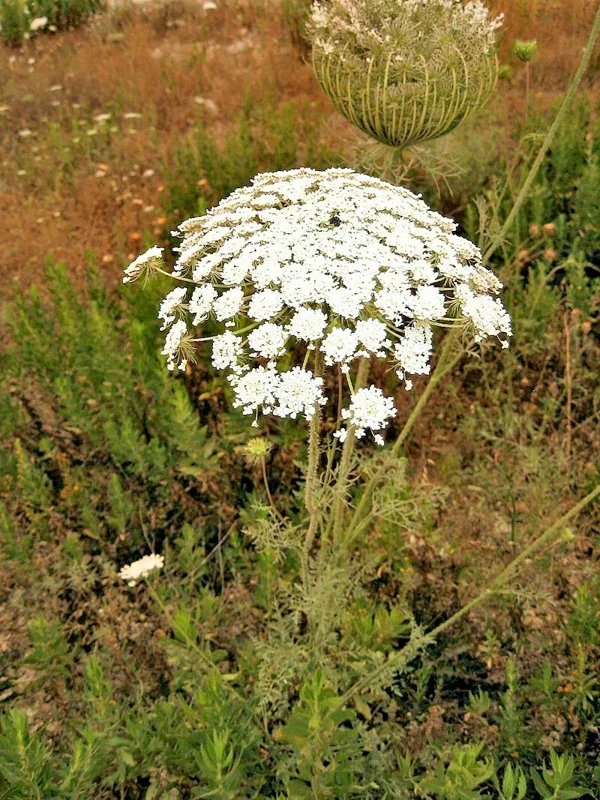
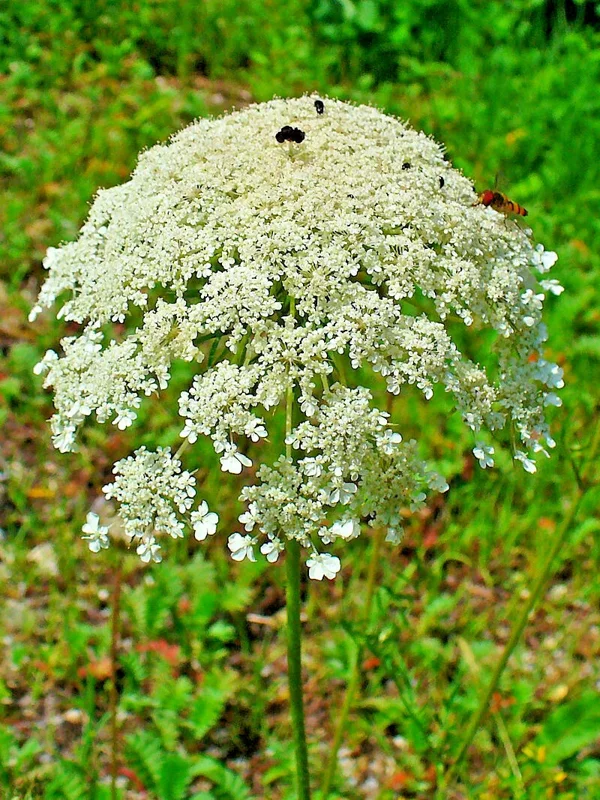
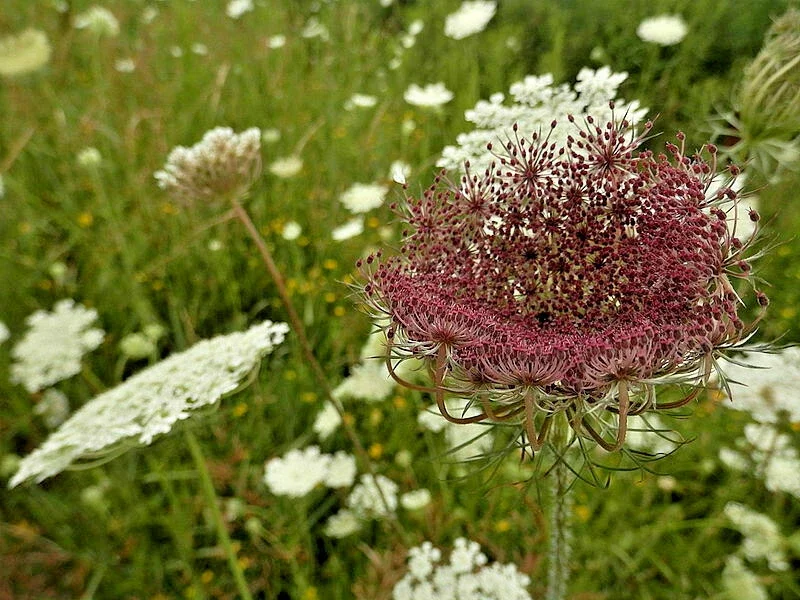
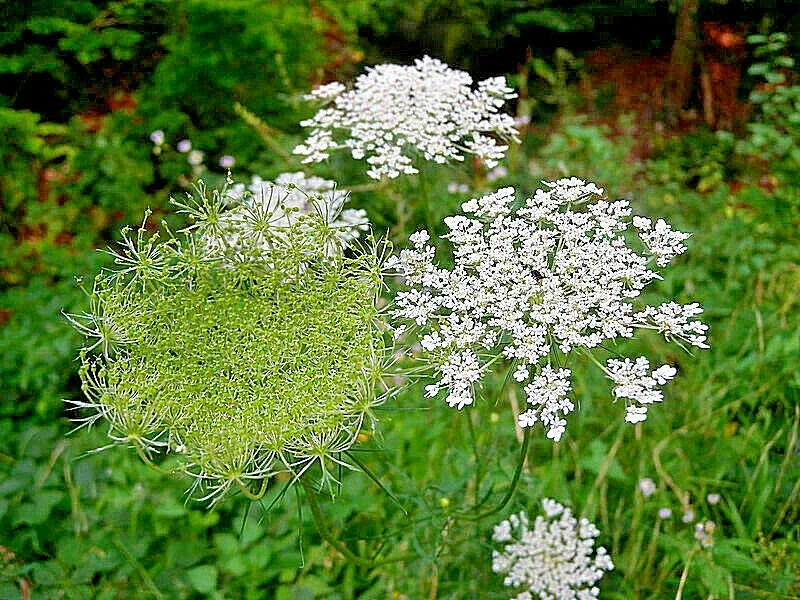
Originating from Europe and Asia, Queen Anne’s Lace has naturalized across North America, becoming a familiar sight in fields and along roadsides. Its distinctive flat-topped clusters of tiny white flowers, often with a single dark purple floret in the center, make it easily recognizable. These wildflower seeds bulk are perfect for those looking to create a visually appealing, ecologically friendly garden space that thrives with minimal intervention.
Key Benefits
Growing Queen Anne’s Lace seeds offers a multitude of advantages for both your garden and the local environment. These resilient wildflowers provide significant aesthetic and ecological benefits:
- Attracts Pollinators: The intricate flower heads are a magnet for beneficial insects, including bees, butterflies, and predatory wasps, helping to support local ecosystems and improve garden health.
- Low Maintenance: Once established, Queen Anne’s Lace requires very little care, making it an excellent choice for busy gardeners or those looking for naturalized areas.
- Natural Beauty: Its delicate white flowers and airy texture add a graceful, classic, and natural aesthetic to any garden, meadow, or wild patch.
- Edible Roots: As the wild ancestor of the domestic carrot, the taproot of young wild carrot seeds is edible, though it can be tough and less flavorful than cultivated varieties. (Always ensure positive identification before consuming any wild plant.)
- Cold Resistant: These plants are hardy and can withstand cold climates, making them suitable for a wide range of USDA zones.
- Fast Growing: With proper conditions, Queen Anne’s Lace establishes quickly, providing garden interest in a relatively short period.
- Erosion Control: Their robust root systems can help stabilize soil, making them useful in areas prone to erosion.
Plant Care & Growing Tips
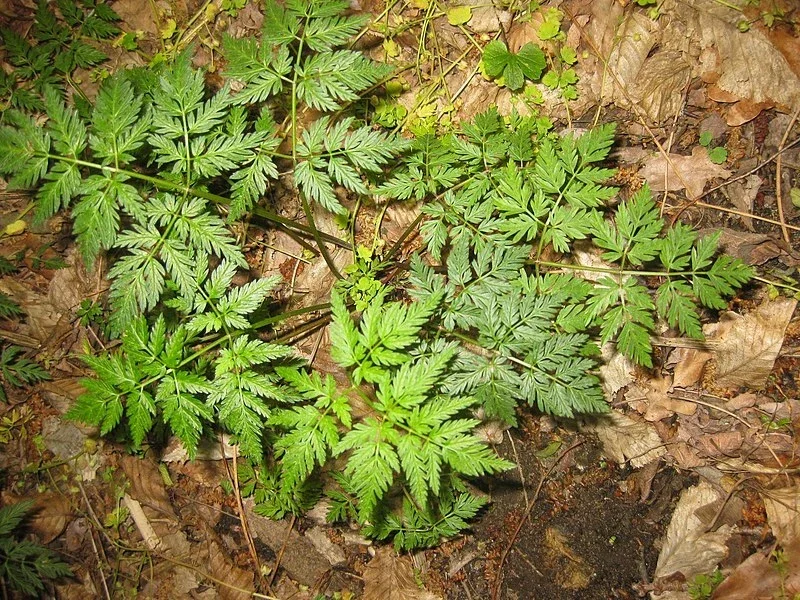
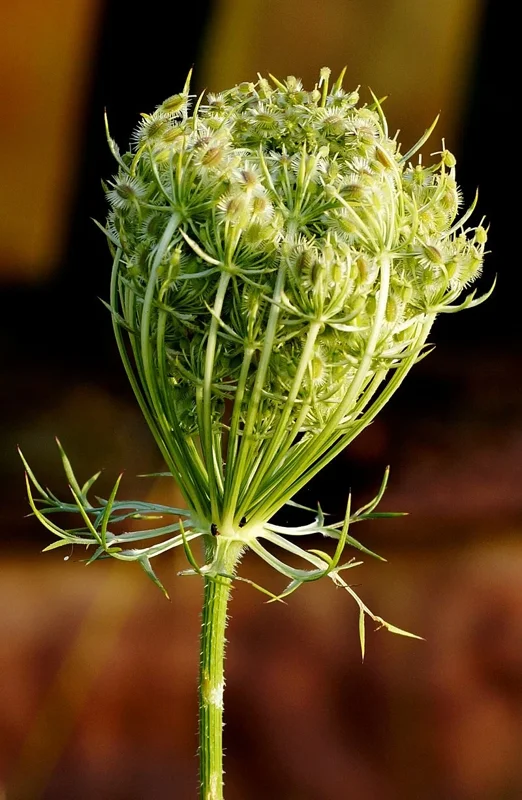
Cultivating Queen Anne’s Lace seeds is a rewarding experience, as these plants are known for their ease of growth and adaptability. For optimal results, consider the following care and growing tips. These biennial flower seeds typically germinate in their first year, forming a rosette of leaves, and then produce flowers and seeds in their second year before dying back. They readily self-seed, ensuring continuous natural regeneration in your garden.
Sunlight Requirements: Queen Anne’s Lace thrives in full sun to partial shade. Aim for at least 6 hours of direct sunlight per day for the most vigorous growth and abundant blooms. In hotter climates, a little afternoon shade can be beneficial to prevent scorching. They are adaptable to various climates, including cold, temperate, highland, marine west coast, and Mediterranean.
Watering Schedule and Soil Moisture Preferences: Once established, Daucus Carota seeds are quite drought-tolerant and prefer medium watering. Water regularly during dry spells, especially during the first year of growth, to help establish a strong root system. Avoid overwatering, as this can lead to root rot. The soil should be allowed to dry out between waterings.
Soil Type and Drainage Requirements: These adaptable wildflowers are not particular about soil type but prefer well-draining soil. They thrive in neutral pH soil and perform well in loam or peat. Good drainage is crucial to prevent waterlogging. If your soil is heavy clay, consider amending it with organic matter to improve drainage. The plant habit is clumping, and foliage is evergreen.
Temperature Range and USDA Hardiness Zone: Queen Anne’s Lace is remarkably hardy and suitable for outdoor growth in USDA Hardiness Zones 3 (-40 to -30 °F) and above. They are cold resistant and can tolerate a wide range of temperatures, making them a robust choice for many regions. Their season of interest includes summer and fall.
Fertilization Schedule and Type: Generally, Queen Anne’s Lace does not require heavy fertilization. In average garden soil, supplemental feeding is often unnecessary. If your soil is particularly poor, a light application of a balanced, all-purpose granular fertilizer in early spring can provide a boost. Avoid excessive nitrogen, which can promote leafy growth at the expense of flowers.
Common Problems and Solutions: Queen Anne’s Lace is relatively pest and disease-free. Occasionally, aphids or leafhoppers may appear, but these are rarely a serious threat. Good garden hygiene and encouraging beneficial insects (which Queen Anne’s Lace itself attracts) can help manage minor pest issues. Its very easy cultivating difficulty makes it a great choice for beginners.
Size & Details
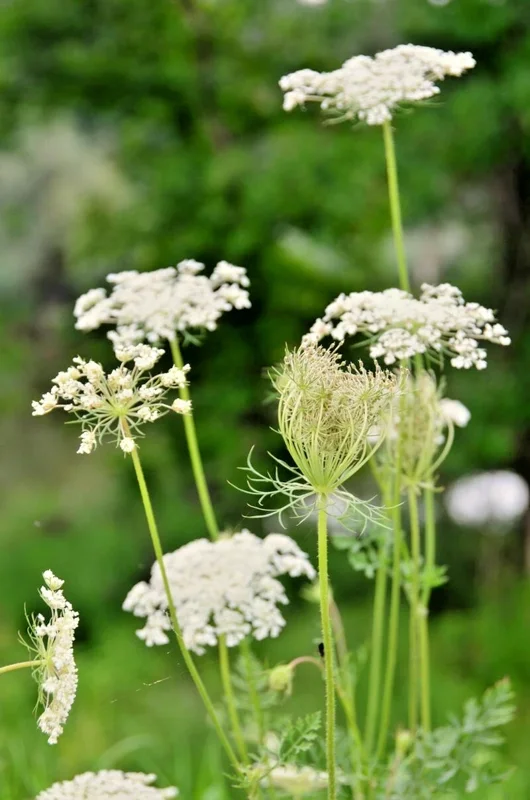
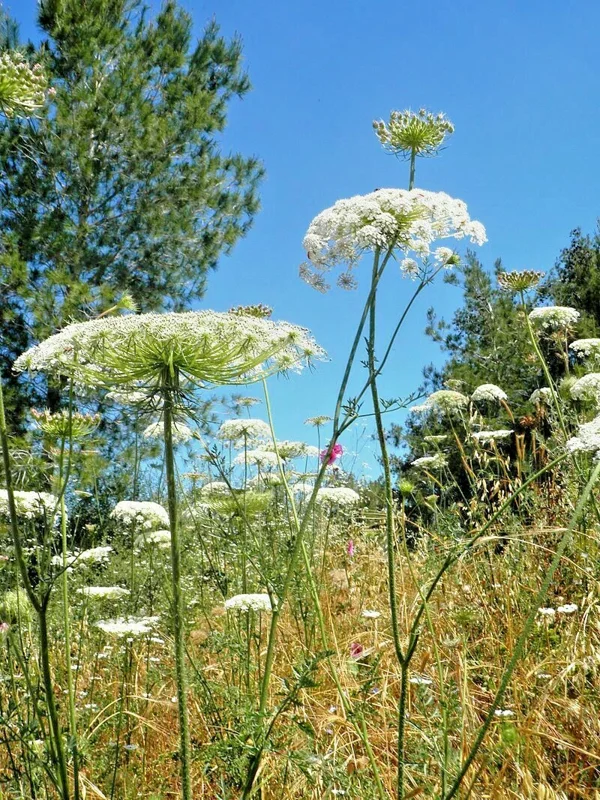
This offering includes 1000 Queen Anne’s Lace seeds (Daucus Carota), providing a substantial quantity for large plantings or multiple seasons of growth. Queen Anne’s Lace typically grows as a biennial, meaning it completes its life cycle in two years. In the first year, it forms a low-growing rosette of finely divided, fern-like green foliage. In the second year, it sends up a sturdy flowering stalk, reaching heights of approximately 1 to 4 feet (30-120 cm) tall, topped with its iconic white, flat-topped flower clusters. The plant habit is bushy and clumping, creating a full appearance. These fast-growing plants will establish quickly, with blooms appearing in the summer and continuing into the fall of their second year. The seeds are fresh and ready for planting, offering an excellent opportunity to introduce these beautiful wildflower seeds bulk into your garden.
Frequently Asked Questions
- Q: How big does Queen Anne’s Lace get? A: In its second year, Queen Anne’s Lace typically grows to a height of 1 to 4 feet (30-120 cm) with a bushy, clumping habit. The foliage forms a basal rosette in the first year.
- Q: Is this an indoor or outdoor plant? A: Queen Anne’s Lace is primarily an outdoor plant, thriving in garden beds, meadows, and naturalized areas. It is not generally grown as an indoor houseplant.
- Q: How much sunlight does Queen Anne’s Lace need? A: This plant prefers full sun (at least 6 hours of direct sunlight daily) but can tolerate partial shade, especially in hotter climates. Adequate sunlight is key for abundant flowering.
- Q: Is Queen Anne’s Lace easy to care for? A: Yes, Queen Anne’s Lace is considered very easy to cultivate. Once established from Daucus Carota seeds, it is drought-tolerant and requires minimal attention, making it suitable for beginners.
- Q: What condition will the Queen Anne’s Lace seeds arrive in? A: The product consists of 1000 fresh, new Queen Anne’s Lace seeds, carefully prepared for planting. They are ready to be sown upon arrival.
- Q: When is the best time to plant Queen Anne’s Lace seeds? A: The best time to plant Queen Anne’s Lace seeds is in the spring or late fall. Fall planting allows for natural stratification over winter, leading to spring germination.
- Q: Will Queen Anne’s Lace survive winter in my zone? A: Queen Anne’s Lace is very cold resistant and hardy in USDA Hardiness Zones 3 and above, meaning it can survive harsh winters and return in its second year to bloom.
- Q: Can I use wild carrot seeds in cooking? A: While Queen Anne’s Lace is the wild ancestor of the cultivated carrot, its root is generally tougher and less palatable. It is technically edible when young, but it’s crucial to correctly identify the plant, as some look-alikes are poisonous.
- Q: What type of soil does Queen Anne’s Lace prefer? A: It thrives in well-draining soil with a neutral pH, such as loam or peat. Good drainage is more important than specific soil fertility.
- Q: Do these wildflower seeds bulk attract other wildlife? A: Beyond pollinators, Queen Anne’s Lace can provide shelter and food for small beneficial insects, contributing to a healthy garden ecosystem.





Reviews
There are no reviews yet.