Overview
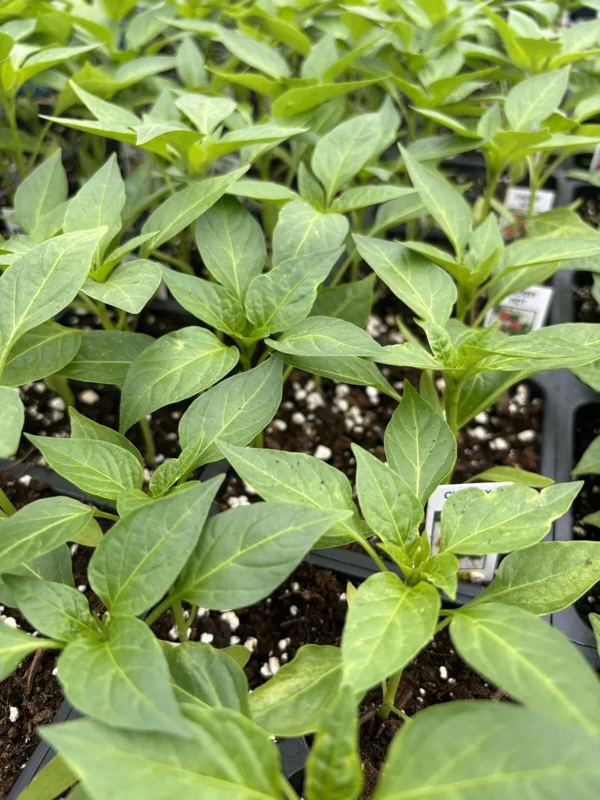
Embark on an exciting gardening journey with our Red Cherry Hot Cherry Bomb Chili live plants. This offering includes a generous set of 3 super hot pepper plants, each in a healthy vegetative stage, ensuring they are ready to be transplanted and flourish in your garden or containers. Known for their vibrant red color and intense heat, Cherry Bomb chili peppers are a favorite among those who appreciate a fiery kick in their dishes. These plants are carefully grown to provide a strong foundation for a bountiful harvest, allowing you to enjoy fresh, potent peppers right from your backyard. Whether you’re a seasoned gardener or new to cultivating spicy varieties, these cherry bomb pepper plants offer an engaging and rewarding experience.
The Cherry Bomb chili, scientifically known as Capsicum annuum, is a popular variety celebrated for its round, cherry-like appearance and significant heat level. These hot chili plants are not only productive but also make an attractive addition to any garden space with their lush green foliage and bright red fruits. Growing your own super hot pepper plants means you have control over the cultivation process, from ensuring organic practices to harvesting at peak ripeness. Prepare to elevate your cooking with the distinct flavor and heat that only freshly picked Cherry Bomb peppers can provide.
Key Benefits
Our Red Cherry Hot Cherry Bomb Chili live plants offer numerous advantages for gardeners and culinary enthusiasts alike. These plants are selected for their vigor and potential, promising a rewarding growing season. The benefits extend beyond just the harvest, enriching your gardening experience.
- Abundant Yield: These super hot pepper plants are known for their prolific production, providing a continuous supply of fiery peppers throughout the growing season. Perfect for those who love to cook with fresh ingredients.
- Intense Flavor & Heat: The Cherry Bomb chili offers a robust, spicy flavor that is perfect for salsas, hot sauces, pickling, or adding a significant kick to any meal. Experience the true heat of a hot chili plant grown at home.
- Garden Aesthetics: With their compact growth habit and bright red, round peppers, these cherry bomb pepper plants add a beautiful, decorative element to vegetable gardens, patios, or even sunny windowsills.
- Freshness & Quality: Growing your own ensures the freshest possible peppers, free from pesticides and picked at their optimal ripeness, guaranteeing superior taste and nutritional value compared to store-bought options.
- Educational & Rewarding: For both novice and experienced gardeners, nurturing these Red Cherry Hot Cherry Bomb Chili live plants from vegetative stage to harvest is an incredibly satisfying and educational process.
- Culinary Versatility: These peppers are incredibly versatile in the kitchen, suitable for drying, freezing, or incorporating fresh into a wide range of recipes, from Mexican to Asian cuisines.
Plant Care & Growing Tips
Caring for your Red Cherry Hot Cherry Bomb Chili live plants is straightforward, making them a great choice for various skill levels. To ensure a successful harvest, understanding their specific needs is crucial. These super hot pepper plants thrive in warm conditions and require consistent attention to watering and sunlight.
For optimal growth, plant your cherry bomb pepper plants in a location that receives at least 6-8 hours of full sunlight daily. In hotter climates, some afternoon shade can prevent scorching. The ideal temperature range for these peppers is between 70-85°F (21-29°C). Ensure the soil is well-draining and rich in organic matter. A slightly acidic to neutral pH (6.0-7.0) is preferred. When watering, aim for consistency; allow the top inch of soil to dry out slightly between waterings, but avoid letting the plants become completely dry or waterlogged. Overwatering can lead to root rot, while underwatering can cause stress and reduce fruit production.
Fertilize your hot chili plants every 2-4 weeks with a balanced fertilizer, switching to a high-phosphorus and potassium fertilizer once flowers begin to appear to encourage fruiting. Protect your plants from pests like aphids and spider mites, and be vigilant for diseases. Pruning can also be beneficial; pinch back the growing tips when the plant is young to encourage bushier growth and more fruit. Support taller plants with stakes to prevent branches from breaking under the weight of abundant peppers. With proper care, your Red Cherry Hot Cherry Bomb Chili live plants will provide a delicious and spicy harvest.
Size & Details
This offering includes a lot of 3 Red Cherry Hot Cherry Bomb Chili live plants. Each plant arrives in a healthy vegetative stage, ready for transplanting into your garden or larger pots. While specific dimensions can vary based on growing conditions and time of year, these super hot pepper plants typically grow to a mature height of 18-24 inches (45-60 cm) and spread about 12-18 inches (30-45 cm) wide. They are known for their compact and bushy growth habit, making them suitable for both in-ground planting and container gardening. The peppers themselves are small, round, and bright red, resembling cherries, and mature in approximately 70-80 days after transplanting.
These cherry bomb pepper plants are shipped as robust young plants, carefully packaged to ensure their safe arrival. They will need to be acclimated gradually to their new environment and then transplanted. Expect a steady growth rate, with flowers appearing soon after establishment, followed by the development of the characteristic red chili fruit. These hot chili plants are an excellent choice for anyone looking to add a reliable and flavorful pepper variety to their edible garden.
Frequently Asked Questions
- Q: How big do these Red Cherry Hot Cherry Bomb Chili live plants get? A: These cherry bomb pepper plants typically reach a mature height of 18-24 inches and spread 12-18 inches wide. Their compact size makes them versatile for various garden settings or containers.
- Q: Is this an indoor or outdoor plant? A: While these super hot pepper plants thrive outdoors in full sun during warm seasons, they can also be grown indoors in a sunny window or under grow lights, especially in cooler climates or during winter.
- Q: How much sunlight does a hot chili plant need? A: For optimal growth and fruit production, these plants require at least 6-8 hours of direct sunlight per day. Adequate light is crucial for developing their signature heat and flavor.
- Q: Are these Red Cherry Hot Cherry Bomb Chili live plants easy to care for? A: Yes, growing hot peppers like the Cherry Bomb is generally considered easy for gardeners of all experience levels, provided they receive sufficient sunlight, water, and proper nutrients.
- Q: What condition will the super hot pepper plants arrive in? A: Your Red Cherry Hot Cherry Bomb Chili live plants will arrive in a healthy, vegetative stage, carefully packaged to minimize stress during transit. They will be ready for transplanting upon arrival.
- Q: How long until the cherry bomb pepper plants produce fruit? A: After transplanting, these cherry bomb pepper plants typically begin to produce mature, ripe peppers within 70-80 days, offering a relatively quick turnaround for your spicy harvest.
- Q: What USDA hardiness zone are these hot chili plants suitable for? A: These hot chili plants are generally grown as annuals in most regions. However, if overwintered indoors, they can be perennial in USDA zones 9-11.
- Q: Can I use these hot peppers for cooking? A: Absolutely! Cherry Bomb peppers are highly prized for their culinary versatility. They are excellent in salsas, hot sauces, pickled, stuffed, or chopped into any dish where a significant spicy kick is desired.
- Q: What type of soil do these super hot pepper plants prefer? A: They prefer well-draining soil rich in organic matter. A good quality potting mix or garden soil amended with compost works best for these super hot pepper plants.
- Q: When is the best time to plant these Red Cherry Hot Cherry Bomb Chili live plants? A: The best time to plant outdoors is after all danger of frost has passed in spring, when soil temperatures have warmed up. For indoor growing, they can be started year-round.




Reviews
There are no reviews yet.