Overview
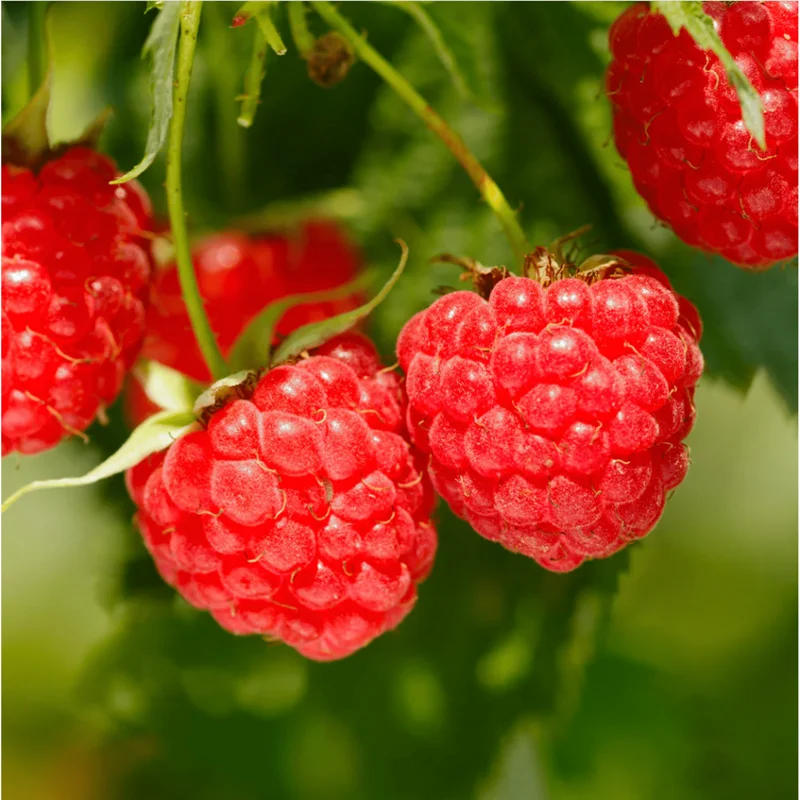
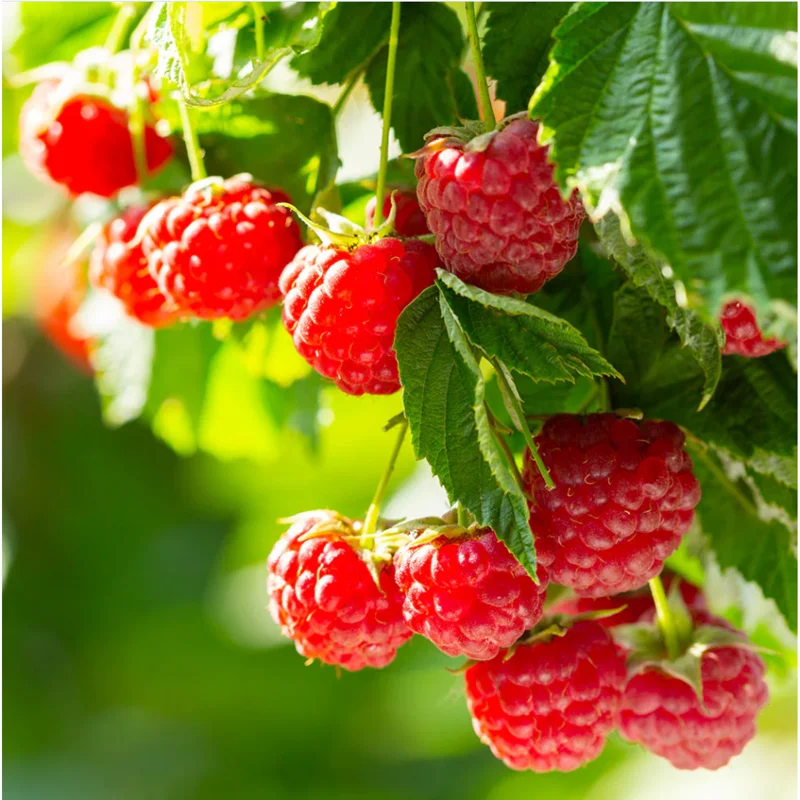
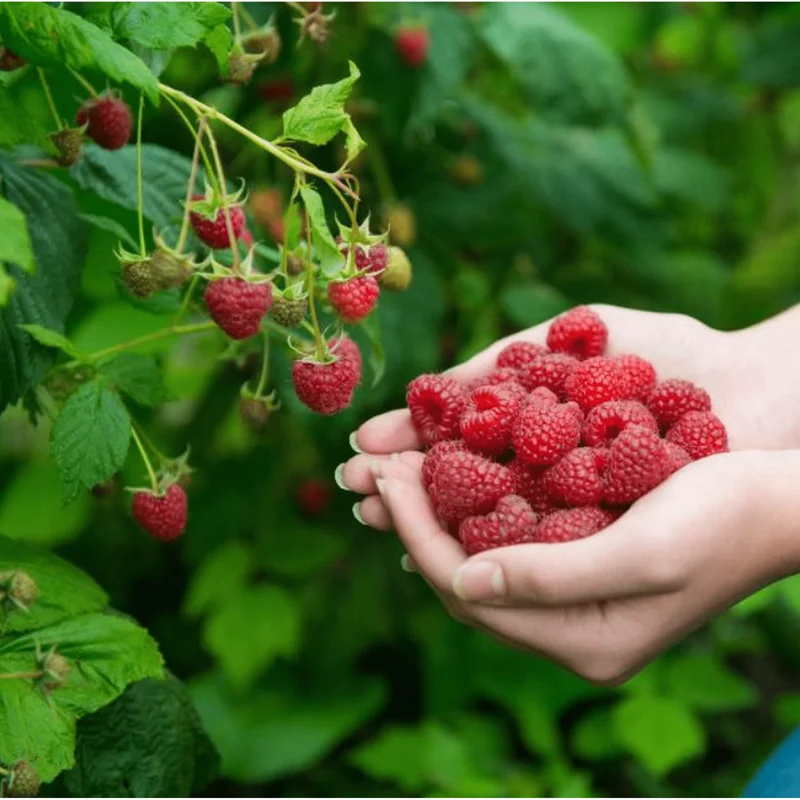
Bring the joy of homegrown fruit to your garden with this exceptional red raspberry live plant. Red raspberries are celebrated worldwide for their succulent flavor and versatility, making them a top choice for home gardeners. This offering is a 5 to 10 inch tall, dormant starter plant, carefully nurtured to establish quickly in your garden. These hardy perennial plants produce fruit on ‘canes’ (stems) and are known for their everbearing nature, meaning you can enjoy fresh, sweet berries over an extended season. Planting a red raspberry live plant is an investment in delicious, fresh produce, adding beauty and bounty to your outdoor space. Whether you’re an experienced gardener or just starting, this plant offers a rewarding experience with minimal fuss.
Our dormant starter plant is ideal for transplanting, ensuring robust growth once established in its new home. Red raspberries are not only delicious but also packed with nutrients, offering a healthy snack straight from your backyard. This particular variety is an everbearing raspberry bush, which means you’ll typically get two crops per year: a light crop in late spring/early summer and a heavier crop in late summer/fall. Imagine snacking on fresh raspberries or making homemade jams and desserts with fruit you’ve grown yourself. This plant is a fantastic addition to any edible garden, providing both aesthetic appeal and a bountiful harvest.
Key Benefits
Growing your own red raspberry live plant offers numerous advantages, from fresh produce to enhancing your garden’s appeal. Here are some of the key benefits:
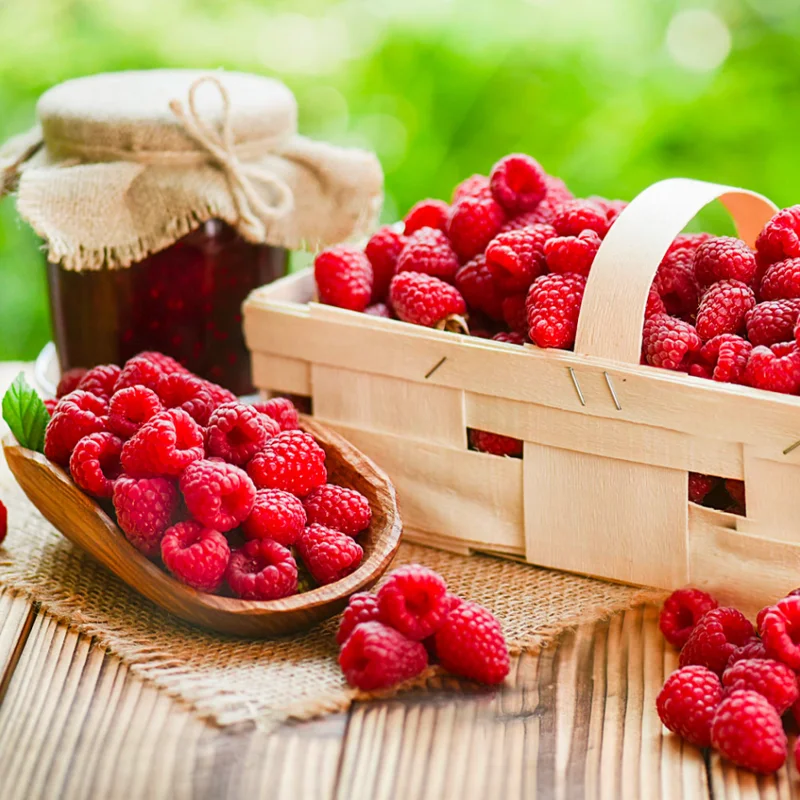
- Abundant Harvest of Sweet Berries: Enjoy a continuous supply of delicious, ripe red raspberries directly from your garden. This everbearing raspberry bush provides two main harvests, ensuring a longer season for fresh fruit enjoyment. The berries are perfect for eating fresh, baking, or preserving.
- Easy to Grow and Maintain: Even novice gardeners can achieve success with red raspberry plants. They are relatively low-maintenance once established, requiring consistent watering and proper sunlight. The satisfaction of harvesting your own fruit is immense.
- Nutrient-Rich Fruit: Red raspberries are packed with vitamins, antioxidants, and fiber, contributing to a healthy diet. Growing your own ensures you have access to organic, pesticide-free produce.
- Adds Garden Charm: The vibrant green foliage and delicate white flowers, followed by bright red berries, add significant visual interest to your landscape. A well-maintained raspberry patch can be a beautiful and productive feature in your backyard.
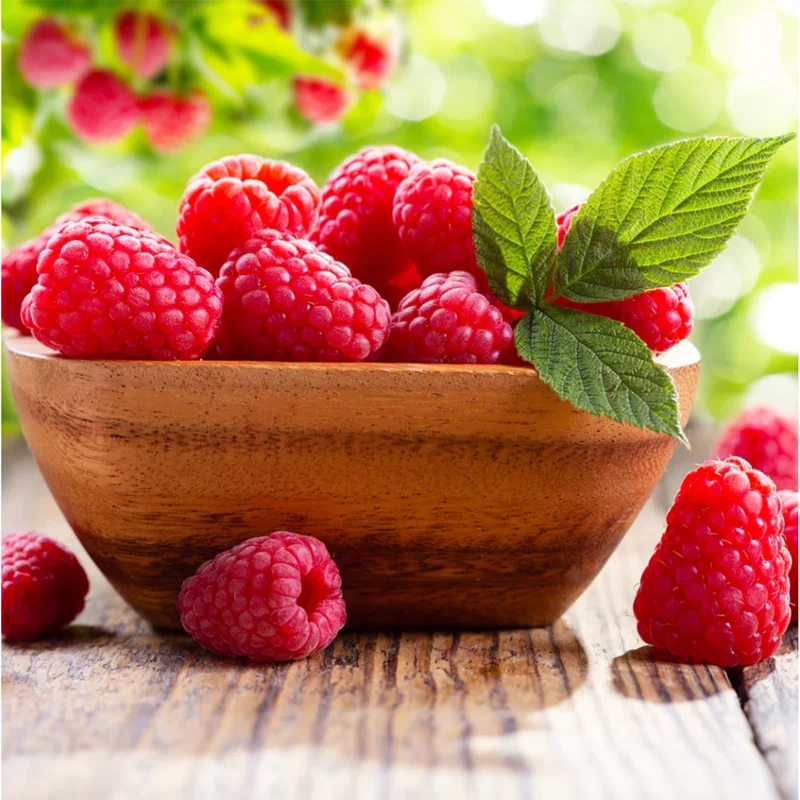
- Versatile Culinary Uses: From pies and tarts to jams, jellies, smoothies, and fresh salads, the possibilities for using your homegrown sweet berries fruit tree are endless. Elevate your culinary creations with the freshest ingredients.
- Dormant Starter Plant Advantage: Arriving as a dormant starter plant, it is ready to be planted and will break dormancy in its new environment, leading to stronger root development and healthier growth in the long run.
- Perennial Growth: Once planted, this raspberry bush will return year after year, providing continuous harvests for many seasons with proper care, making it a sustainable choice for your garden.
Plant Care & Growing Tips
Caring for your red raspberry live plant is straightforward, ensuring a bountiful yield of delicious fruit. These plants thrive in specific conditions that mimic their natural habitat. For optimal growth and fruit production, understanding their requirements for sunlight, soil, and water is crucial. Red raspberries are hardy perennials, meaning they will return each year if given the proper care and protection in colder climates. Consistent attention to these details will lead to a successful and productive everbearing raspberry bush.
Sunlight Requirements: Red raspberries need ample sunlight to produce sweet, flavorful berries. Plant your red raspberry live plant in a location that receives full sun, which means at least 6 to 8 hours of direct sunlight daily. While they can tolerate partial shade, fruit production will be significantly reduced. Ensure the chosen spot is not overshadowed by taller trees or buildings as the plant matures. Adequate sunlight is also vital for preventing fungal diseases by keeping the foliage dry.
Soil & Watering: The right soil is critical for healthy raspberry growth. They prefer deep, rich, well-draining soil. A slightly acidic pH of 5.5 to 6.5 is ideal. Amend heavy clay soils with organic matter like compost or aged manure to improve drainage and fertility. Sandy soils can be improved by adding organic matter to retain moisture. The soil must stay consistently moist, especially during bloom and fruit development. However, avoid waterlogging, as this can lead to root rot. Deep watering at the base of the plant is more effective than frequent shallow watering. During dry spells, increase watering frequency to ensure the plant does not stress.
Temperature & Hardiness: Red raspberries are generally hardy and can tolerate a range of temperatures. They are typically suited for USDA zones 4-8, though some varieties can extend to zone 3 or 9. As a dormant starter plant, it is well-suited to establish before the peak growing season. Protection from extreme winter winds might be necessary in colder zones. Fertilize your sweet berries fruit tree in early spring with a balanced fertilizer or compost to support new growth and fruit production.
Size & Details
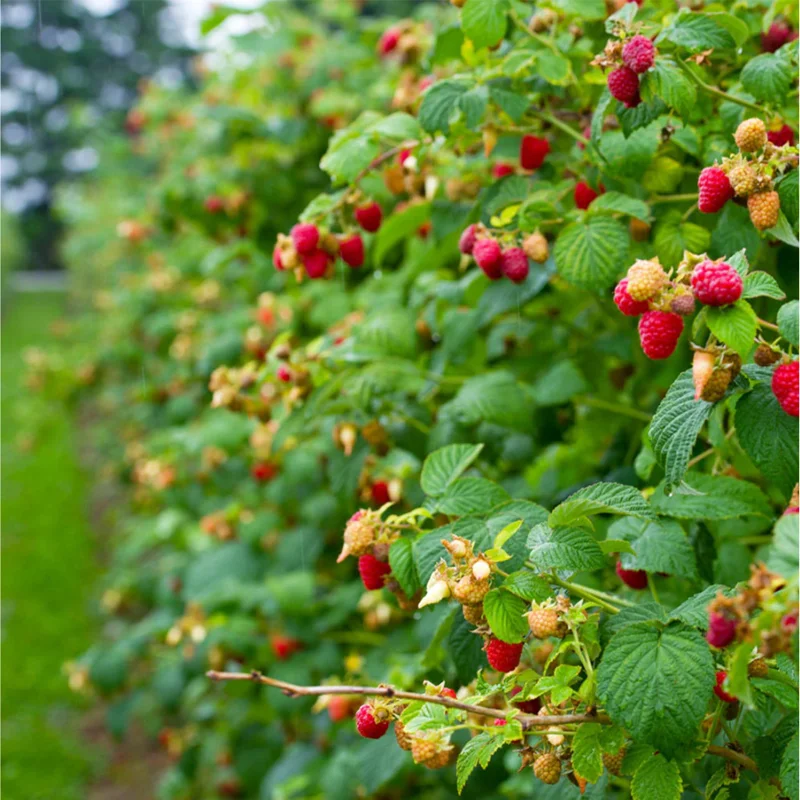
This offering is for a red raspberry live plant, provided as a rooted starter plant, standing approximately 5 to 10 inches tall. It arrives in a dormant state, which is ideal for transplanting and ensures minimal shock, promoting robust root development upon awakening. This everbearing raspberry bush will grow into a mature plant capable of producing two harvests per year. Expect the plant to establish quickly, with initial growth focused on root development before significant cane production begins. The mature size of a raspberry bush can vary, typically reaching 3 to 5 feet in height and spreading similarly, depending on variety and growing conditions. Canes are generally productive for two years, with new canes emerging annually to replace older ones, ensuring continuous fruit production from your red raspberry live plant.
Frequently Asked Questions
- Q: How big does this red raspberry live plant get? A: This dormant starter plant is 5 to 10 inches tall upon arrival. Once established, an everbearing raspberry bush can typically grow to a height and spread of 3 to 5 feet, depending on the variety and care it receives.
- Q: How much sunlight does this raspberry plant need? A: For optimal fruit production and plant health, your red raspberry live plant requires full sun, meaning at least 6 to 8 hours of direct sunlight per day.
- Q: Is this plant easy to care for? A: Yes, red raspberries are considered relatively easy to care for, especially once established. They require consistent watering, good drainage, and full sun, making them suitable for both experienced and beginner gardeners.
- Q: What condition will the plant arrive in? A: Your red raspberry live plant will arrive as a rooted starter plant in a dormant state, ready for planting. This ensures it can focus its energy on root development in your garden.
- Q: When is the best time to plant this everbearing raspberry bush? A: The best time to plant a dormant starter plant like this is typically in early spring after the last frost, or in the fall before the ground freezes, allowing the roots to establish before extreme temperatures.
- Q: Can I grow this sweet berries fruit tree in a container? A: While raspberries are best grown in the ground, they can be grown in large containers (at least 15-20 gallons) with good drainage. Ensure the container is big enough to accommodate its mature size.
- Q: What kind of soil does a red raspberry live plant prefer? A: This plant thrives in deep, rich, well-draining soil with a slightly acidic pH of 5.5 to 6.5. Amend heavy soils with organic matter to improve drainage.
- Q: How long until I get berries from my everbearing raspberry bush? A: You might get a small harvest in the first year, especially if planted in spring. Expect a more substantial crop in the second year and beyond from your sweet berries fruit tree.
- Q: Will this red raspberry plant survive winter in my zone? A: Red raspberries are hardy in USDA zones 4-8, with some varieties extending to zones 3 or 9. Check your specific zone to ensure it’s suitable, and consider winter protection in colder regions.
- Q: What does ‘everbearing’ mean for a raspberry bush? A: ‘Everbearing’ means the bush typically produces two crops per year: a smaller crop on the tips of the current season’s canes in late spring/early summer, and a larger crop on the lower parts of the same canes (which are now second-year canes) in the late summer/fall.





Reviews
There are no reviews yet.