Overview
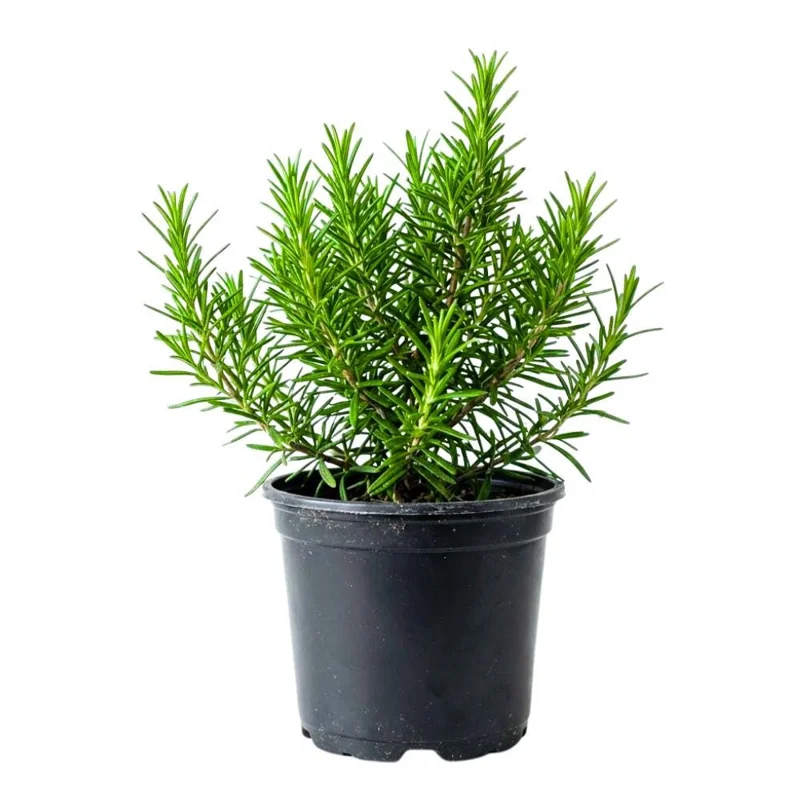
Discover the joy of growing your own fresh herbs with this beautiful rosemary live plant. Standing approximately 3-5 inches tall, this young, vigorous plant is ready to be nurtured in your home or garden. Rosemary, scientifically known as Salvia rosmarinus, is a cherished evergreen shrub celebrated for its distinctive aromatic foliage and culinary versatility. Whether you’re an experienced gardener or just starting out, this easy-to-grow herb promises to add both beauty and flavor to your life. Its needle-like leaves release a delightful piney scent, making it a wonderful addition to any space. This rosemary live plant is perfect for enhancing your kitchen, patio, or herb garden with its robust presence and fragrant appeal.
Known for its robust flavor, rosemary is a staple in Mediterranean cuisine, ideal for seasoning meats, vegetables, and breads. Beyond its culinary uses, rosemary also boasts historical significance in traditional medicine and is often used in aromatherapy. This particular plant features an upright, bushy growth habit, developing into a structured form over time. It’s a perennial herb in warmer climates, providing continuous harvest and enjoyment. Embrace the rewarding experience of growing your own fragrant and edible rosemary live plant.
Key Benefits
Cultivating a rosemary live plant offers a multitude of advantages, from its aesthetic appeal to its practical applications. This resilient herb is a fantastic choice for anyone looking to add a touch of nature and utility to their surroundings.
- Culinary Versatility: Harvest fresh rosemary leaves directly from your plant to enhance a wide array of dishes, including roasted chicken, potatoes, and focaccia. The intense, pine-like flavor is a favorite among chefs and home cooks alike.
- Aromatic Appeal: The distinct, invigorating fragrance of rosemary can naturally freshen your home or garden space. Brushing against its leaves releases a delightful scent that can uplift spirits and deter pests.
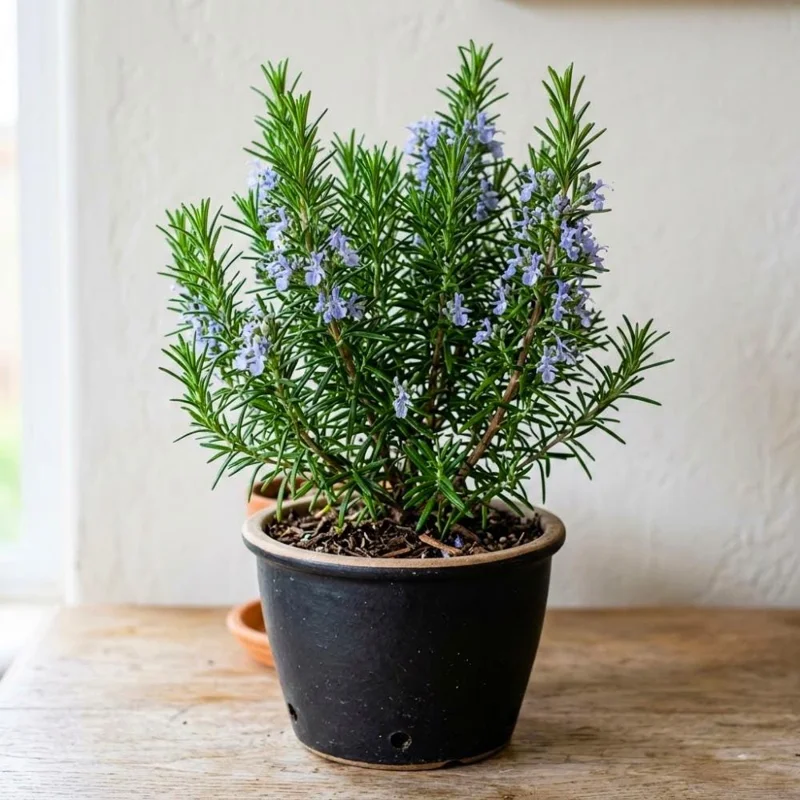
- Decorative Plant: With its upright, structured growth and evergreen foliage, rosemary serves as an attractive ornamental plant. It can be shaped and pruned to fit various garden designs or used as a compact accent in containers.
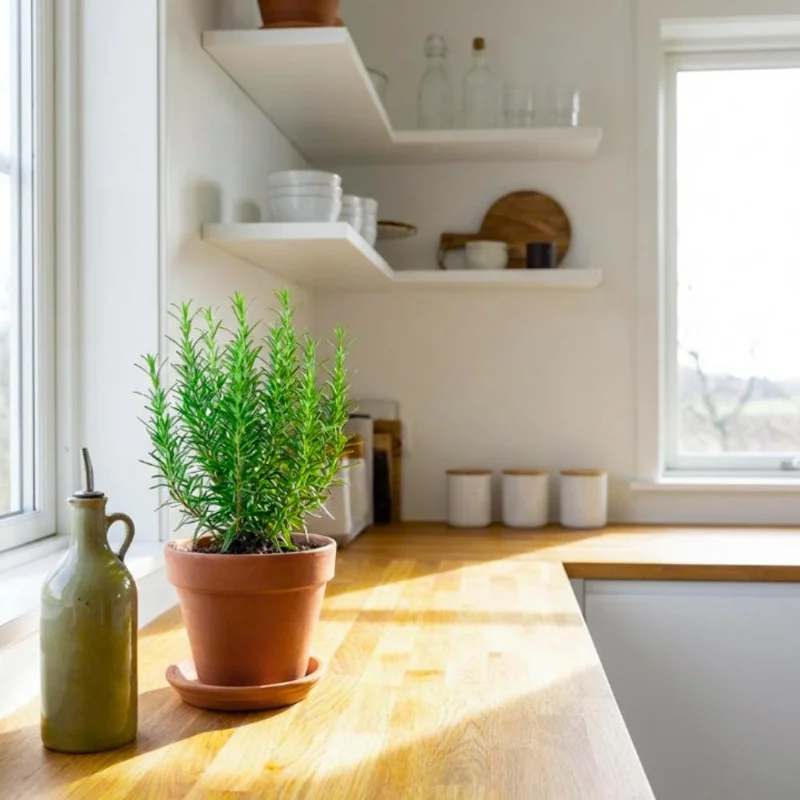
- Adaptable Growth: This rosemary live plant is suitable for both indoor placement with sufficient bright light and outdoor garden use, offering flexibility for different living conditions and climates.
- Low Maintenance: Once established, rosemary is relatively drought-tolerant and requires minimal care, making it an excellent choice for busy individuals or beginner gardeners.
- Perennial Herb: In USDA hardiness zones 8–10, rosemary thrives as a perennial, returning year after year to provide fresh herbs without the need for replanting.
- Compact Size: Its manageable size makes it ideal for containers, window boxes, or small garden spaces, allowing anyone to grow rosemary indoors or out, regardless of space constraints.
Plant Care & Growing Tips
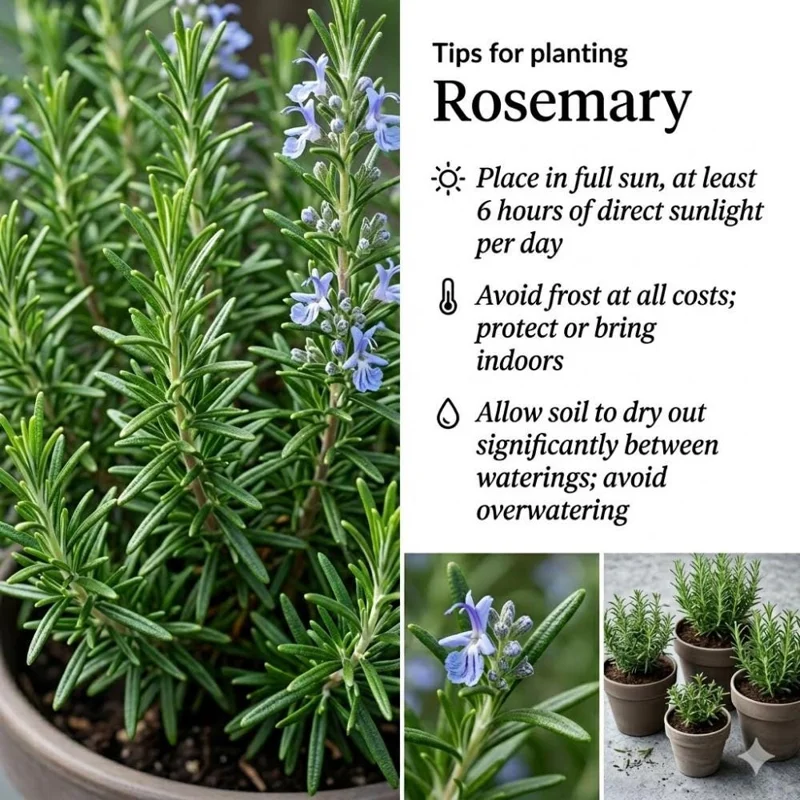
Caring for your rosemary live plant is straightforward, ensuring a healthy and productive herb for years to come. Rosemary thrives with proper attention to its environmental needs, particularly sunlight and watering. For optimal growth, place your rosemary in a location where it receives at least 6-8 hours of direct sunlight daily. If growing indoors, a south-facing window is ideal, or supplement with a grow light to ensure it gets enough brightness. Outdoor rosemary plants prefer full sun exposure throughout the day. Adequate light is crucial for developing its strong aroma and flavor.
When it comes to watering, rosemary prefers its soil to dry out between waterings. Overwatering is a common mistake that can lead to root rot. Feel the top inch or two of soil; if it’s dry, then it’s time to water thoroughly until water drains from the bottom of the pot. Ensure your pot has good drainage holes. For soil, a well-draining potting mix is essential. A mix designed for cacti and succulents, or a standard potting mix amended with perlite or sand, will provide the necessary drainage. Rosemary performs best in USDA hardiness zones 8–10, where it can be grown as a perennial. In colder zones, it’s best to bring the plant indoors during winter or grow it as an annual. It tolerates temperatures down to about 20°F (-6°C) but prefers warmer conditions.
Fertilization is generally not heavily required for rosemary. A light feeding with a balanced liquid fertilizer diluted to half strength once a month during the growing season (spring and summer) is usually sufficient. Avoid over-fertilizing, which can reduce the intensity of its flavor. Pruning is important to maintain shape, encourage bushier growth, and promote new foliage. Trim regularly, especially after flowering, but avoid removing more than one-third of the plant at a time. Watch out for common pests like spider mites or aphids; a gentle insecticidal soap can typically resolve these issues. Understanding rosemary plant care ensures your plant remains vigorous and provides a bountiful harvest.
Size & Details
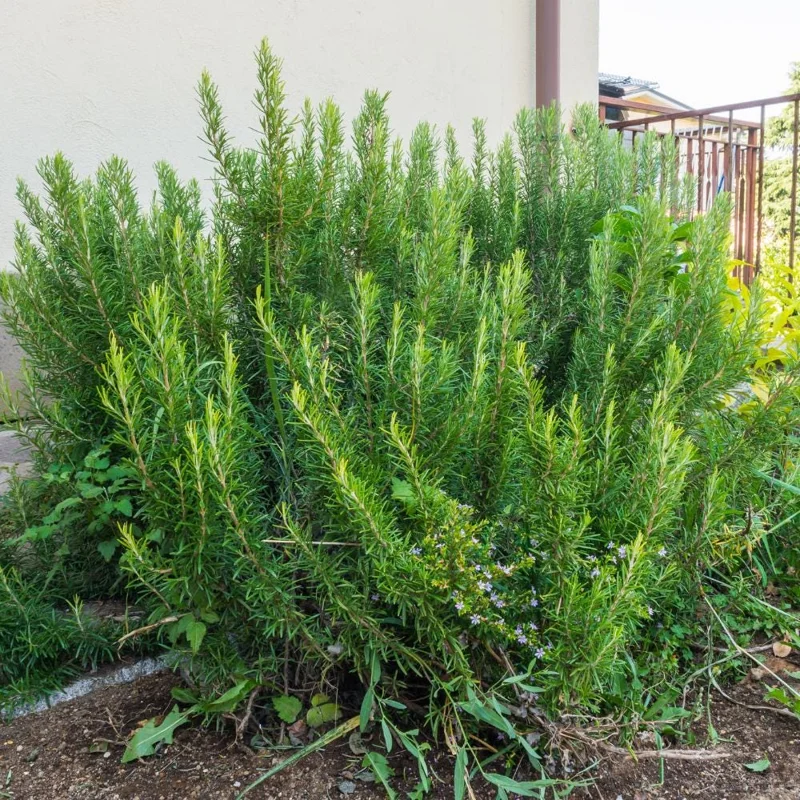
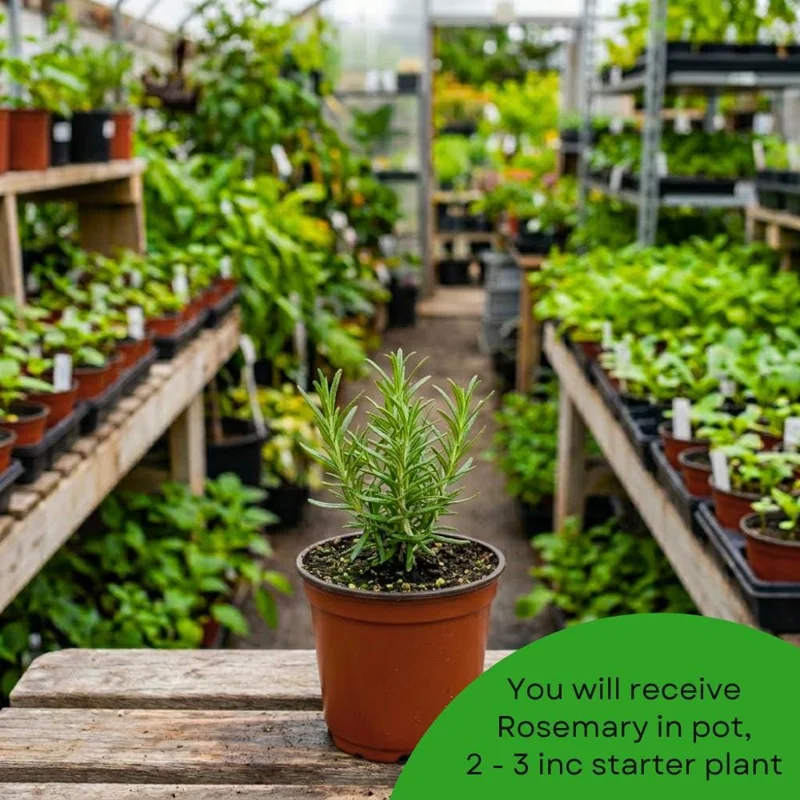
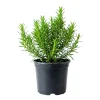
This offering includes one rosemary live plant, which typically arrives at a height of 3-5 inches from the base of the soil to the tip of the foliage. It is delivered as a live, rooted plant, ready for immediate transplanting into your chosen container or garden bed. The plant exhibits an upright, bushy growth habit and will develop a structured form as it matures. While compact upon arrival, a mature rosemary plant can reach heights of 2-4 feet and a similar spread, depending on growing conditions and pruning. This size makes it an excellent choice for container gardening on patios, balconies, or as a focal point in a herb garden. It is a perennial herb in suitable climates, providing long-term enjoyment and harvest. The plant is shipped in a nursery pot to protect its roots during transit, ensuring a healthy start in its new home. Expect steady growth with proper care, providing you with fresh, fragrant leaves.
Frequently Asked Questions
- Q: How big does this rosemary live plant get? A: This rosemary live plant arrives approximately 3-5 inches tall. With proper care, it can grow to a mature size of 2-4 feet in height and width, especially when planted in the ground in suitable climates.
- Q: Is this an indoor or outdoor plant? A: This rosemary plant is highly adaptable and can thrive both indoors with bright, direct sunlight and outdoors in full sun. It’s an excellent choice for a sunny windowsill or a garden bed.
- Q: How much sunlight does my rosemary plant need? A: Rosemary requires a minimum of 6-8 hours of direct sunlight per day to grow vigorously and develop its characteristic strong flavor and aroma. Indoors, place it in the brightest available window.
- Q: Is this plant easy to care for? A: Yes, rosemary is considered a relatively easy-to-care-for herb, especially for beginners. Its primary needs are ample sunlight and well-draining soil, making rosemary plant care quite manageable.
- Q: What condition will it arrive in? A: Your rosemary live plant will arrive as a healthy, rooted plant in a nursery pot, carefully packaged to ensure its safety during transit. It will be ready for transplanting upon arrival.
- Q: Can I use this rosemary for cooking? A: Absolutely! This is an edible herb plant. The fragrant, needle-like leaves are perfect for culinary use, adding a distinctive flavor to various dishes like roasted meats, vegetables, and breads.
- Q: When is the best time to plant rosemary outdoors? A: The best time to plant rosemary outdoors is in the spring after all danger of frost has passed. This allows the plant ample time to establish its root system before the heat of summer.
- Q: Will this rosemary survive winter in my zone? A: Rosemary is perennial in USDA hardiness zones 8-10. In colder zones, it should be brought indoors before the first frost or treated as an annual. Protecting it from harsh winter conditions is key to its survival.
- Q: How often should I water my rosemary plant? A: Water your rosemary when the top 1-2 inches of soil feel dry to the touch. It’s crucial to avoid overwatering, as rosemary prefers slightly drier conditions and well-drained soil.
- Q: What type of soil is best for growing rosemary? A: Rosemary thrives in sandy, well-draining soil. A potting mix formulated for cacti and succulents, or a regular potting mix amended with perlite or sand, provides the ideal drainage needed for healthy root development.









Reviews
There are no reviews yet.