Overview
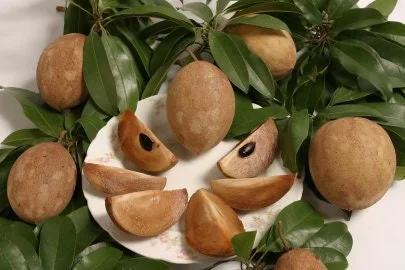
Cultivate your own delicious and exotic fruit with this vibrant sapodilla live plant. Standing at a robust 3 feet tall and shipped in a 3-gallon pot, this tropical fruit tree is ready to establish itself in your garden or as a container plant on your patio. The sapodilla, known scientifically as Manilkara zapota, is prized for its exceptionally sweet, malty-flavored fruit, often compared to brown sugar or pear. Originating from southern Mexico, Central America, and the Caribbean, this beautiful tree is not only a source of incredible produce but also adds an attractive, lush green presence to any landscape. Ideal for those looking to expand their edible garden with unique and rewarding species, this sapodilla fruit tree offers a taste of the tropics right at your fingertips.
Growing your own sapodilla can be a deeply satisfying experience, providing fresh, organic fruit that is rarely found in conventional grocery stores. This particular plant has been nurtured to a good size, giving it a head start in its growth cycle. Whether you’re an experienced gardener or a budding enthusiast searching for how to grow sapodilla, this plant is an excellent choice. Its resilient nature and relatively low maintenance requirements make it suitable for a variety of growing conditions, provided its basic needs for warmth and sunlight are met. Prepare to enjoy the unique flavor and numerous health benefits of home-grown sapodillas.
Key Benefits
Owning a sapodilla plant offers a multitude of benefits, from its delicious fruit to its aesthetic appeal. Here are some of the key advantages:
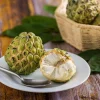
Exotic & Delicious Fruit: Enjoy access to fresh, sweet, and unique sapodilla fruit, rich in flavor. The fruit’s taste is often described as a blend of pear, brown sugar, and cinnamon, offering a delightful tropical treat that is hard to find commercially.
Nutrient-Rich Harvest: Sapodilla fruits are packed with vitamins A and C, antioxidants, and dietary fiber, contributing to a healthy diet. Growing your own ensures a pesticide-free, natural source of these essential nutrients.
Year-Round Appeal: An evergreen tree, the sapodilla live plant maintains its lush, glossy green foliage throughout the year, adding continuous beauty to your garden or patio. Its attractive appearance makes it a wonderful ornamental tree.
Adaptable Growth: While preferring warm climates, sapodillas can be grown in large containers in cooler regions, allowing you to move them indoors during colder months. This versatility makes them accessible to a wider range of gardeners.
Relatively Low Maintenance: Once established, sapodilla trees are quite hardy and require moderate care, making them a rewarding choice for both novice and experienced gardeners. Understanding proper sapodilla plant care is key to a bountiful harvest.
Unique Garden Addition: This tropical fruit plant stands out from common garden flora, offering a unique conversation piece and broadening your home’s botanical diversity. It’s an excellent way to introduce an element of the exotic.
Plant Care & Growing Tips
Caring for your sapodilla live plant is straightforward, especially if you provide it with the right conditions. Sapodillas thrive in warm, tropical, and subtropical climates. They prefer a location with full sun exposure, meaning at least 6-8 hours of direct sunlight per day. In very hot climates, some afternoon shade can be beneficial, especially for young plants. If growing in a container, choose a spot on a sunny patio or near a south-facing window if indoors. Ensure good air circulation around the plant to prevent fungal issues.
When it comes to watering, sapodillas prefer consistently moist, but not waterlogged, soil. Water deeply when the top 2-3 inches of soil feel dry to the touch. During hot, dry periods, they may need more frequent watering. Reduce watering frequency in cooler months or if the plant is dormant. Good drainage is crucial, so ensure your pot has drainage holes or your garden soil drains well. A well-draining soil mix, preferably loamy or sandy loam with a slightly acidic to neutral pH (6.0-7.0), is ideal. Fertilize your sapodilla fruit tree with a balanced slow-release fertilizer or a fruit tree specific formula once every 2-3 months during the growing season (spring and summer). Young trees benefit from higher nitrogen, while mature, fruiting trees need more phosphorus and potassium.
Sapodillas are generally hardy in USDA Zones 9-11. They can tolerate brief cold snaps down to about 28°F (-2°C) once mature, but young plants are more sensitive and should be protected from frost. If you’re wondering how to grow sapodilla in a cooler climate, container growing is a great solution, allowing you to bring the plant indoors when temperatures drop. Pruning is usually minimal, focused on shaping the tree and removing any dead or diseased branches. This helps maintain a manageable size and promotes better fruit production. Keep an eye out for common pests like scale insects or mealybugs and treat them with horticultural oil or insecticidal soap if necessary, ensuring your tropical fruit plant remains healthy and productive.
Size & Details
This offering is for one robust sapodilla live plant, meticulously nurtured to a healthy size. The plant stands approximately 3 feet tall from the base of the pot, providing a substantial specimen ready for transplanting into your garden or a larger container. It is shipped securely in a 3-gallon nursery pot, ensuring the root ball is established and protected during transit. This significant pot size gives the plant a strong foundation and reduces transplant shock, allowing it to quickly adapt to its new environment.
Sapodilla trees are known for their moderate growth rate, typically reaching mature heights of 20-40 feet in ideal conditions, though they can be kept smaller with pruning or when grown in containers. This 3-foot tall plant represents a significant head start, meaning you’ll be closer to enjoying its sweet fruits. While the exact time to first fruiting can vary, a plant of this size, with proper care, could begin to flower and set fruit within a few years. The evergreen nature of the tree means it will provide year-round foliage, and its dense canopy offers good shade once mature. This particular specimen is perfect for establishing a strong, productive sapodilla fruit tree in your home orchard or as an impressive patio plant.
Frequently Asked Questions
Q: How big does this plant get? A: This sapodilla live plant is currently 3 feet tall. In optimal conditions, sapodilla trees can reach heights of 20-40 feet. However, they can be maintained at a smaller, more manageable size through regular pruning or by growing them in large containers.
Q: What size pot does it come in? A: The plant is shipped in a sturdy 3-gallon nursery pot. This size ensures the root system is well-developed and protected, providing a strong start for your plant upon arrival.
Q: Is this an indoor or outdoor plant? A: Sapodilla is primarily an outdoor plant, thriving in tropical and subtropical climates (USDA Zones 9-11). However, it can be successfully grown in containers and brought indoors during colder months in cooler regions, making it a versatile tropical fruit plant.
Q: How much sunlight does it need? A: Sapodilla trees require full sun, meaning at least 6-8 hours of direct sunlight per day, for optimal growth and fruit production. Ensure good light exposure, especially if growing indoors.
Q: Is this plant easy to care for? A: Yes, once established, sapodilla trees are relatively low maintenance. They are quite hardy and drought-tolerant once mature, making sapodilla plant care manageable for most gardeners.
Q: What condition will it arrive in? A: Your sapodilla live plant will arrive carefully packaged to minimize stress during transit. It will be a healthy, actively growing plant in its 3-gallon pot, ready for its new home.
Q: Can I use sapodilla fruit in cooking? A: Absolutely! Sapodilla fruit is delicious eaten fresh, often compared to caramel or brown sugar. It can also be used in smoothies, ice creams, pies, and other desserts, adding a unique tropical sweetness.
Q: How long until it blooms and fruits? A: A 3-foot tall plant, with proper care and suitable growing conditions, can typically start flowering and producing fruit within 2-4 years. Patience is a virtue when growing fruit trees!
Q: What’s the minimum temperature it can tolerate? A: Mature sapodilla trees can tolerate brief drops to around 28°F (-2°C). Young plants are more sensitive to cold and should be protected or moved indoors if temperatures are expected to fall below 32°F (0°C).
Q: What kind of soil is best for sapodilla? A: Sapodillas prefer well-draining soil, such as loamy or sandy loam, with a pH between 6.0 and 7.0. Good drainage is crucial to prevent root rot, which is important for how to grow sapodilla successfully.



Reviews
There are no reviews yet.