Overview
Transform your outdoor space with the delightful charm of the Sargent Crabapple bare root live plant. This offering includes a set of two high-quality, dormant bare root seedlings, each measuring 6 to 12 inches tall. Scientifically known as Malus sargentii, the Sargent Crabapple bare root is a highly sought-after ornamental tree renowned for its compact size, stunning spring display, and attractive fruit. These deciduous trees are an excellent choice for adding seasonal interest to any garden, providing a burst of white blossoms in spring, followed by persistent red fruit that offers visual appeal through fall and winter. Ideal for landscapers and home gardeners alike, these young trees are ready to establish themselves and flourish in your environment.
The Sargent Crabapple bare root is prized for its resilience and adaptability, making it a fantastic addition for both novice and experienced gardeners. Its manageable size, typically growing as a dwarf crabapple, allows it to fit comfortably into smaller gardens or as part of a mixed border. Beyond its aesthetic appeal, this tree also serves as a valuable wildlife plant, attracting pollinators with its fragrant flowers and providing food for birds with its small, bright red fruit. Planting these bare roots offers a cost-effective and environmentally friendly way to cultivate beautiful, long-lasting trees in your garden.
Key Benefits
The Sargent Crabapple bare root offers a multitude of benefits, enhancing both the beauty and ecological value of your landscape. From its vibrant seasonal displays to its robust nature, this plant is an excellent investment for any garden.
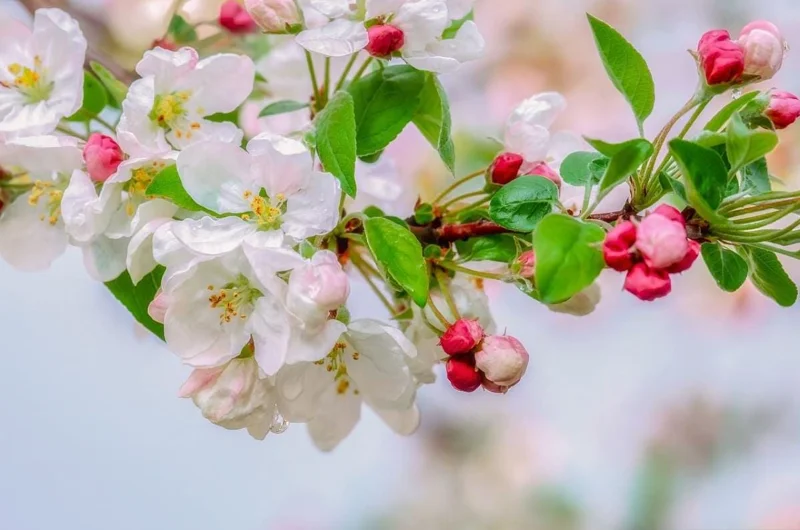
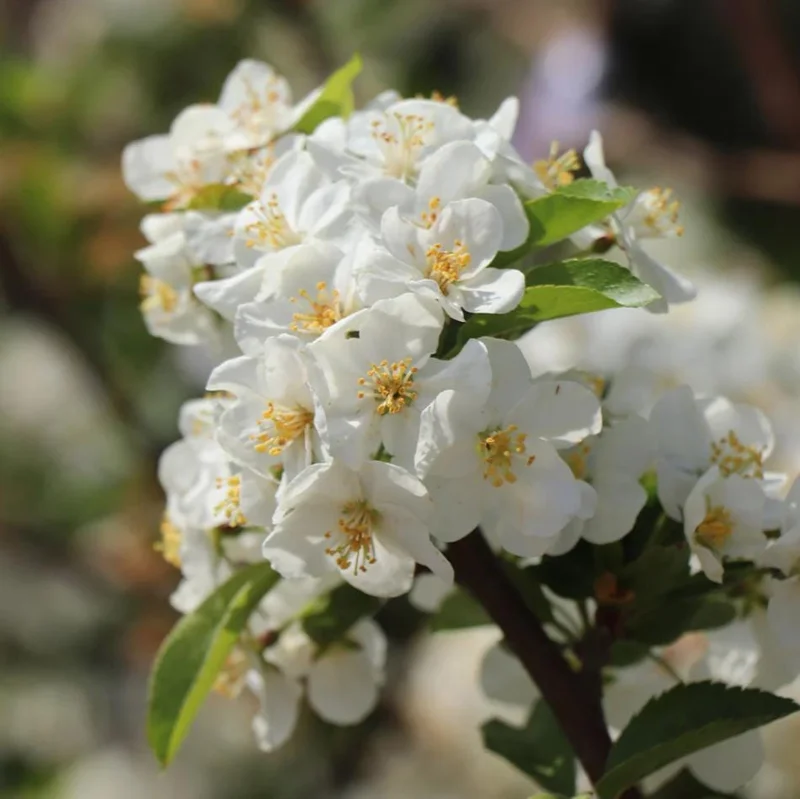
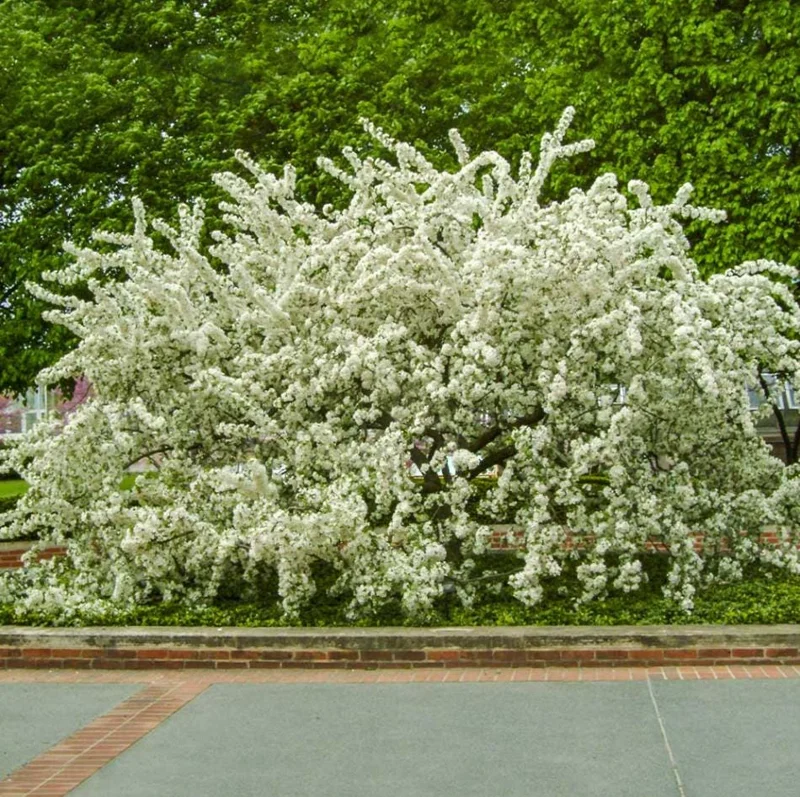
- Stunning Spring Blooms: Experience an abundance of pure white, fragrant flowers in spring, creating a breathtaking visual spectacle that heralds the arrival of warmer weather. These delicate blossoms of the Sargent Crabapple bare root cover the branches, attracting beneficial insects and pollinators.
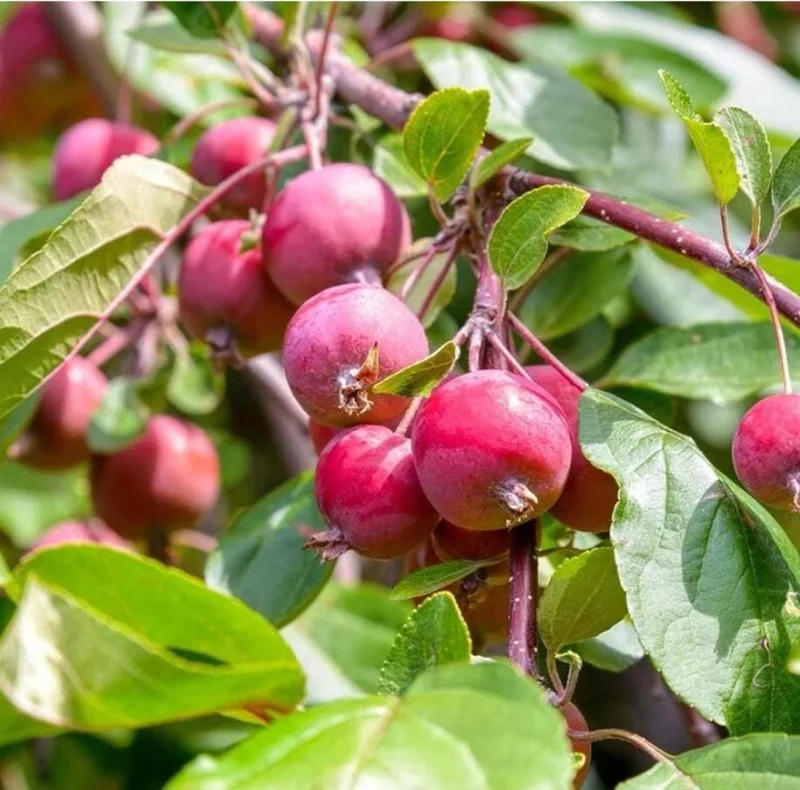
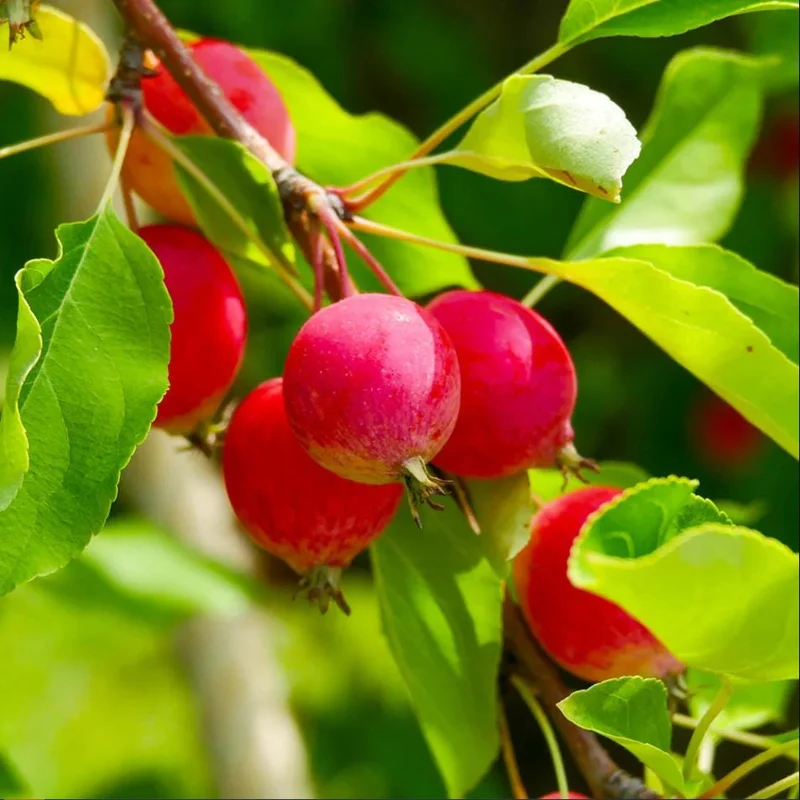
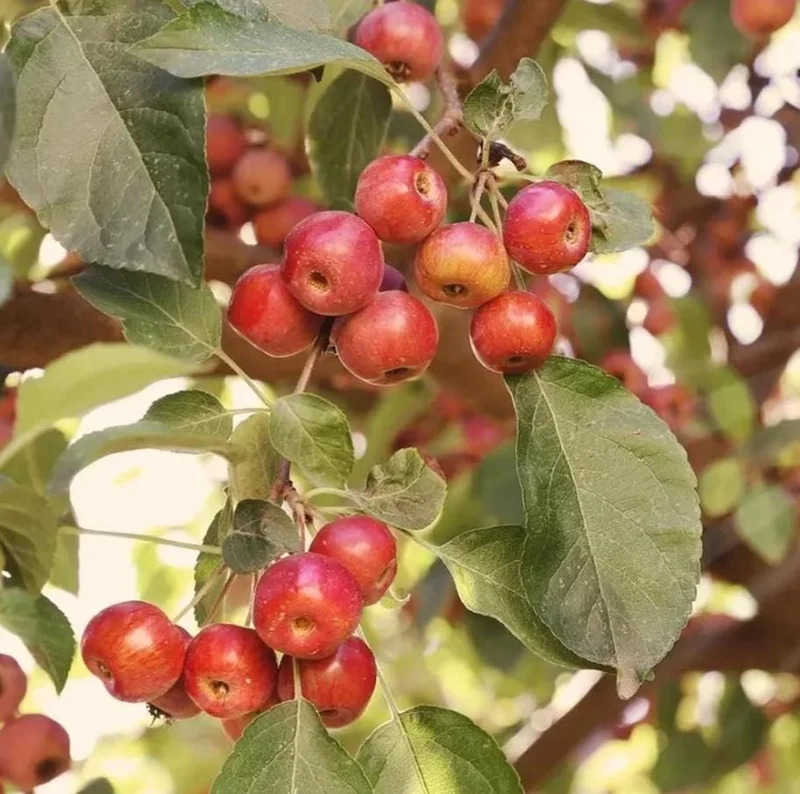
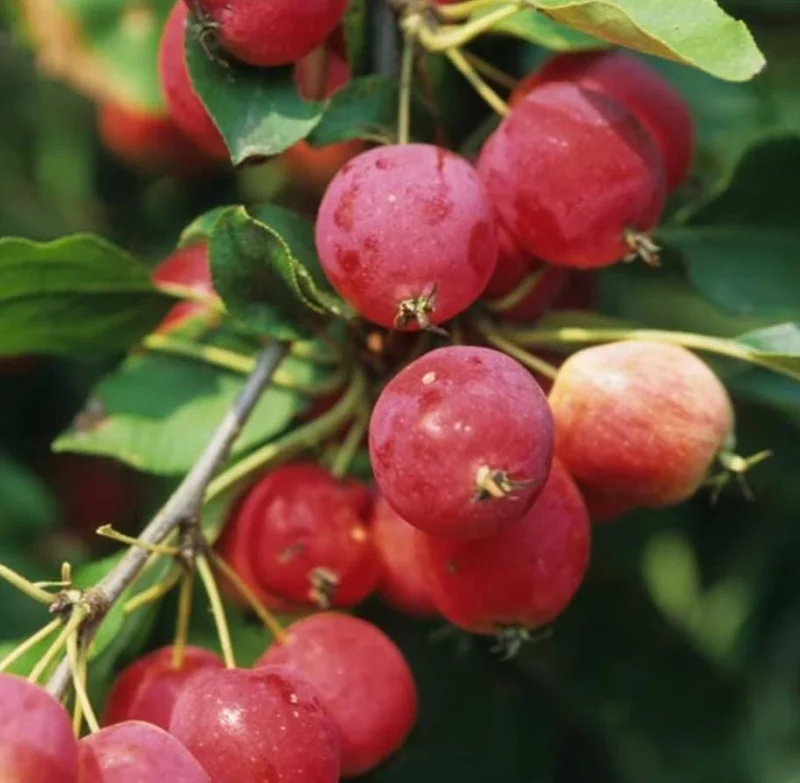
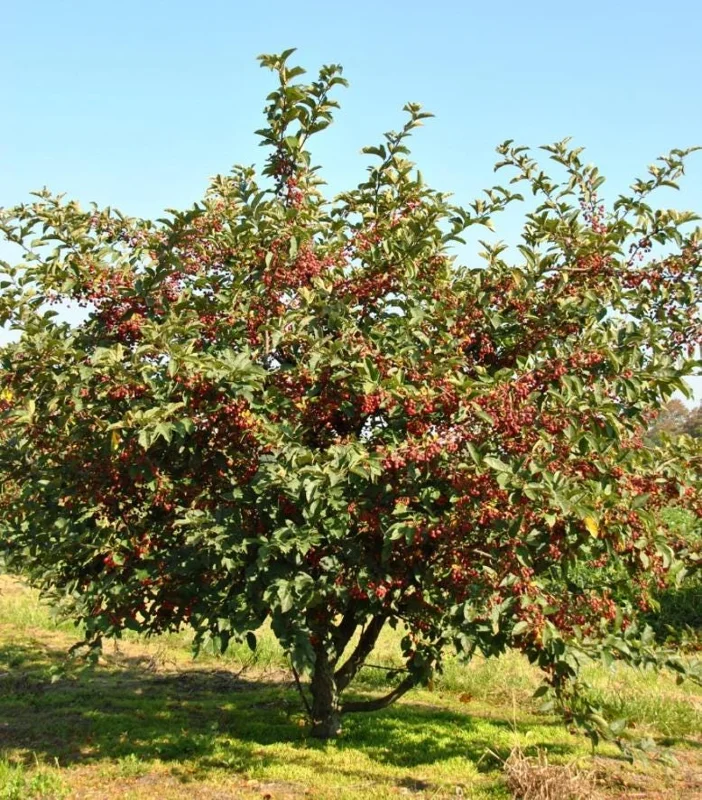
- Attractive Red Fruit: Following the flowering period, small, persistent bright red crabapples emerge, providing continuous ornamental interest from late summer through winter. These fruits are not only beautiful but also serve as a food source for local wildlife, particularly birds.
- Compact Growth Habit: As a dwarf crabapple tree, Malus sargentii maintains a smaller, more manageable size compared to other crabapple varieties, making it perfect for urban gardens, small yards, or as an understory tree. This compact form simplifies pruning and integration into diverse landscapes.
- Pollinator and Wildlife Friendly: The profusion of spring flowers is a magnet for bees and other pollinators, supporting local ecosystems. The red fruit provides a vital food source for birds during colder months, making it a true wildlife plant.
- Versatile Landscape Use: This adaptable tree can be used as a specimen plant, in mass plantings, as an informal hedge, or even in large containers. Its year-round appeal ensures it remains a focal point in various garden designs, contributing significant aesthetic value as an ornamental garden tree.
- Cold Hardy and Resilient: The Sargent Crabapple bare root is known for its excellent cold hardiness and ability to withstand a range of environmental conditions once established. It’s a robust choice for temperate climates, offering reliable performance year after year.
Plant Care & Growing Tips
Caring for your Sargent Crabapple bare root is straightforward, ensuring a healthy and thriving tree for years to come. Proper planting and consistent care in the initial years are crucial for successful establishment. Ensure the planting site has good air circulation to prevent fungal issues. When planting your Malus Sargentii tree, dig a hole wide enough to accommodate the spread of the roots without bending them, and deep enough so that the crown (where the roots meet the stem) is at soil level.
The Sargent Crabapple bare root thrives in full sun, meaning it requires at least 6-8 hours of direct sunlight daily for optimal flowering and fruiting. While young, these trees need regular watering to help establish their root system. Once mature, they are moderately drought-tolerant but perform best with consistent moisture, especially during dry spells. Avoid overwatering, as this can lead to root rot. Well-drained, fertile soil is preferred, though the Malus sargentii can tolerate a range of soil types, including slightly acidic to neutral pH levels. Incorporating organic matter at planting time can significantly improve soil structure and fertility.
This flowering crabapple plant is cold-hardy, typically performing well in USDA Zones 4-8. It can withstand frost and cooler temperatures, making it suitable for many regions across the US. Fertilize annually in early spring with a balanced slow-release fertilizer designed for trees and shrubs. Pruning should be done in late winter or early spring while the tree is dormant, focusing on removing dead, damaged, or crossing branches to maintain a strong structure and open canopy. This will also help promote better air circulation and reduce disease risk for your dwarf crabapple tree.
Size & Details
This offering includes two Sargent Crabapple bare root seedlings, each measuring approximately 6 to 12 inches in height. These young trees are shipped dormant, without soil, which is the ideal state for bare root planting. The compact nature of the Malus Sargentii tree means it will mature into a small, rounded tree or large shrub, typically reaching a height and spread of 6 to 10 feet. Its slow to medium growth rate ensures a manageable size for various garden applications, making it an excellent choice as an ornamental garden tree.
Expect your flowering crabapple plant to begin blooming within 2-3 years after planting, with fruit production following shortly thereafter. The bare root form allows for easy planting and quick establishment once environmental conditions are favorable. These plants are ideal for spring planting, giving them the entire growing season to develop a robust root system before winter. With proper care, these seedlings will mature into beautiful, resilient trees that provide years of enjoyment and ecological benefits.
Frequently Asked Questions
- Q: How big does the Sargent Crabapple bare root get? A: The Sargent Crabapple bare root typically matures into a compact tree or large shrub, reaching a height and spread of about 6 to 10 feet. Its dwarf nature makes it suitable for smaller gardens.
- Q: Is this an indoor or outdoor plant? A: The Malus Sargentii tree is an outdoor plant, designed to thrive in garden settings, providing seasonal interest with its spring blooms and fall fruit. It requires outdoor conditions to flourish.
- Q: How much sunlight does the flowering crabapple plant need? A: This plant requires full sun exposure, meaning at least 6 to 8 hours of direct sunlight per day, for optimal growth, flowering, and fruiting.
- Q: Is this dwarf crabapple tree easy to care for? A: Yes, once established, the Sargent Crabapple bare root is relatively low-maintenance. It’s cold-hardy and adaptable, making it a good choice for gardeners of varying experience levels.
- Q: What condition will the bare root plants arrive in? A: The plants will arrive as dormant bare roots, without soil or foliage, which is the optimal state for planting and promotes strong root development upon establishment.
- Q: When is the best time to plant a Sargent Crabapple bare root? A: The ideal time to plant bare root trees is in early spring, after the danger of hard frost has passed but before the tree breaks dormancy. This allows the roots to establish before summer heat.
- Q: Will the ornamental garden tree survive winter in my zone? A: The Sargent Crabapple bare root is cold-hardy and generally thrives in USDA Hardiness Zones 4 through 8, making it suitable for many temperate climates.
- Q: What kind of soil does this plant prefer? A: It prefers well-drained, fertile soil but is adaptable to a range of soil types, including slightly acidic to neutral soils. Good drainage is key to prevent root issues.
- Q: How long until my Malus Sargentii tree blooms? A: You can typically expect your Sargent Crabapple bare root to begin producing blooms within 2-3 years after planting, with more significant displays as it matures.
- Q: Is the fruit of the flowering crabapple plant edible? A: While the small red crabapples are generally safe to eat, they are quite tart. They are more commonly used for making jellies, preserves, or left on the tree as a food source for wildlife.





Reviews
There are no reviews yet.