Overview
Transform your garden into a vibrant haven with a set of two Zumi Crabapple bare roots. These deciduous trees, scientifically known as Malus zumi, are cherished for their stunning spring blossoms, attractive foliage, and small, edible crab apples. Arriving as 6-12 inch tall bare root seedlings, they are ready for planting in your landscape, promising years of beauty and ecological benefits. The flowering crabapple tree is a versatile addition, providing ornamental value, a food source for wildlife, and a spectacular display of color.
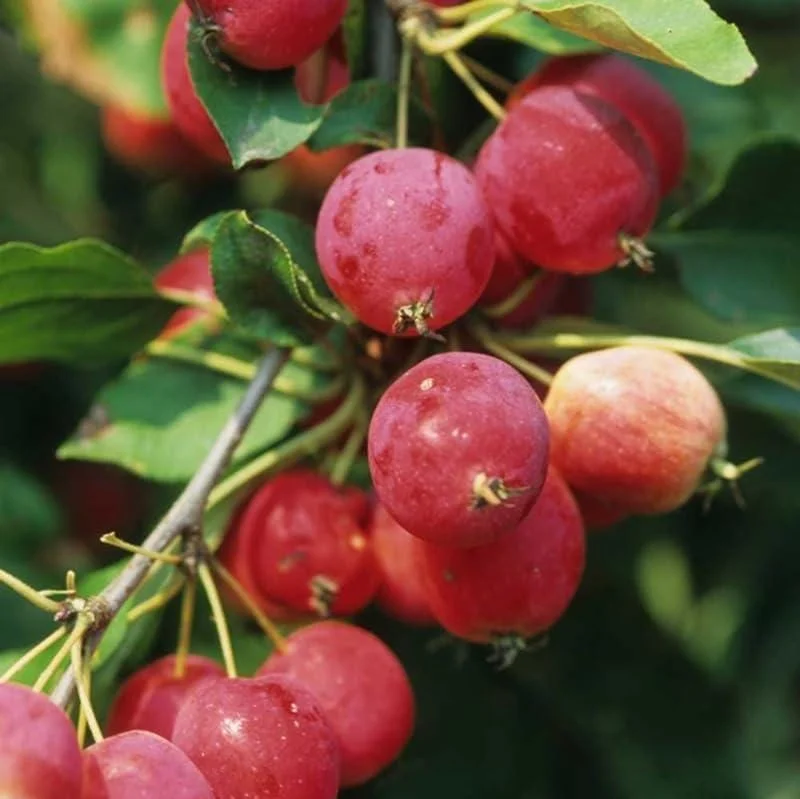
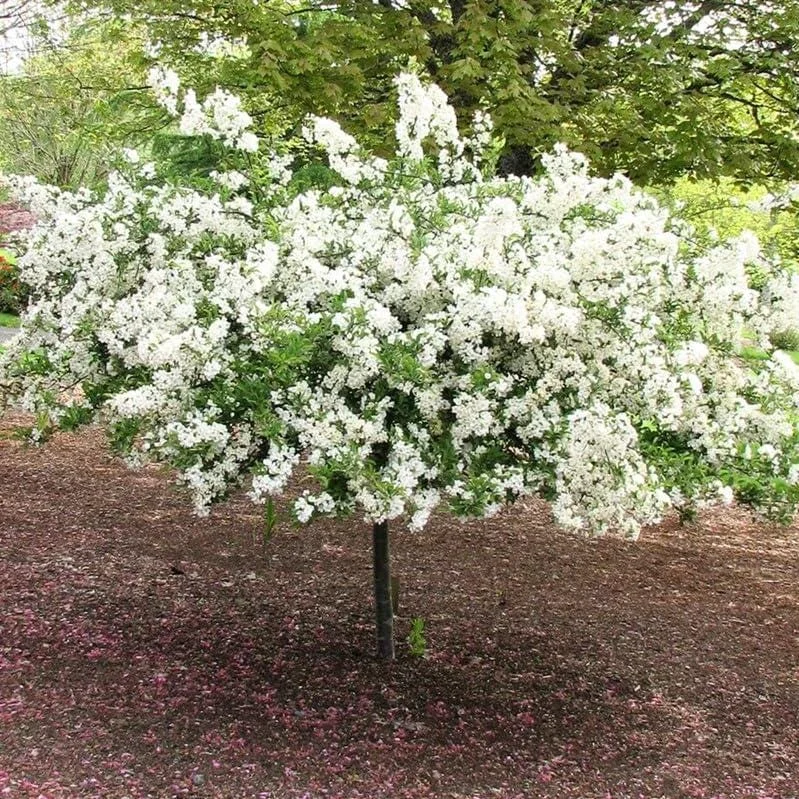
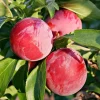
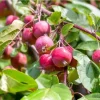
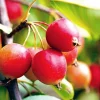
The Malus zumi tree is renowned for its hardiness and adaptability, making it a favorite among gardeners. Its compact size makes it suitable for various garden designs, from small urban spaces to larger country estates. Enjoy the delicate white to pink flowers in spring, followed by persistent red or yellow fruits that add visual interest well into winter. These fruits are also a favorite among birds and can be used to make jellies or preserves, embodying the dual benefit of an ornamental fruit tree.
Planting Zumi Crabapple bare roots is an economical and effective way to establish these magnificent trees. Bare root plants typically establish quickly once planted, as they focus their energy on root development. This particular variety, the Zumi Crabapple, is an excellent choice for those seeking a low-maintenance yet high-impact addition to their outdoor space.
Key Benefits
The Zumi Crabapple bare roots offer a multitude of advantages for any garden, enhancing both its aesthetic appeal and ecological balance. These benefits make the flowering crabapple tree an excellent investment for long-term garden enjoyment:
- Stunning Spring Blooms: Experience an breathtaking display of white to pink flowers each spring, signaling the arrival of warmer weather and providing a focal point in your garden. The profusion of blossoms creates a cloud-like effect that is truly memorable.
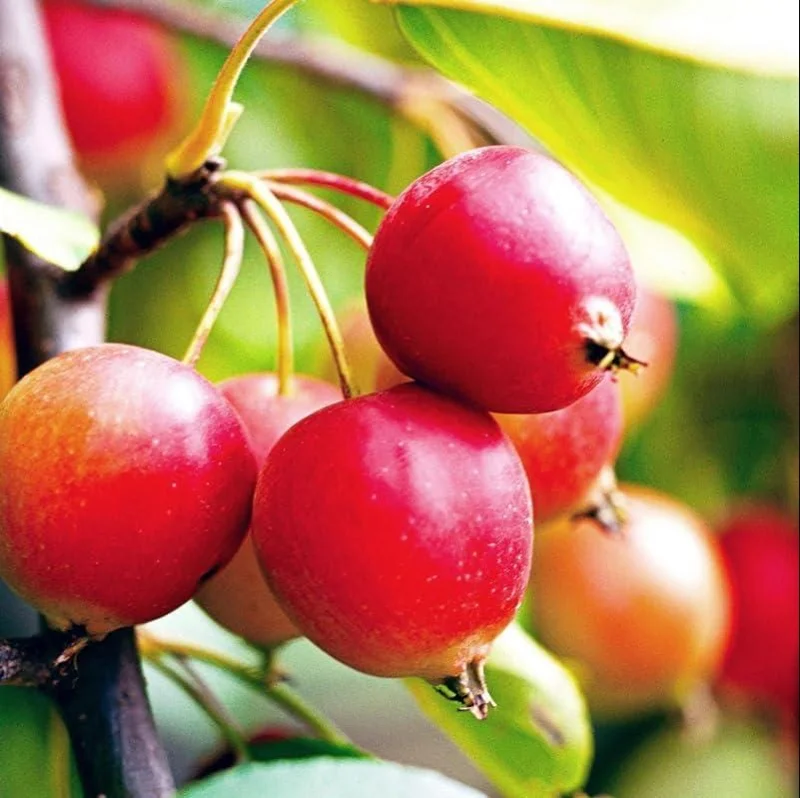
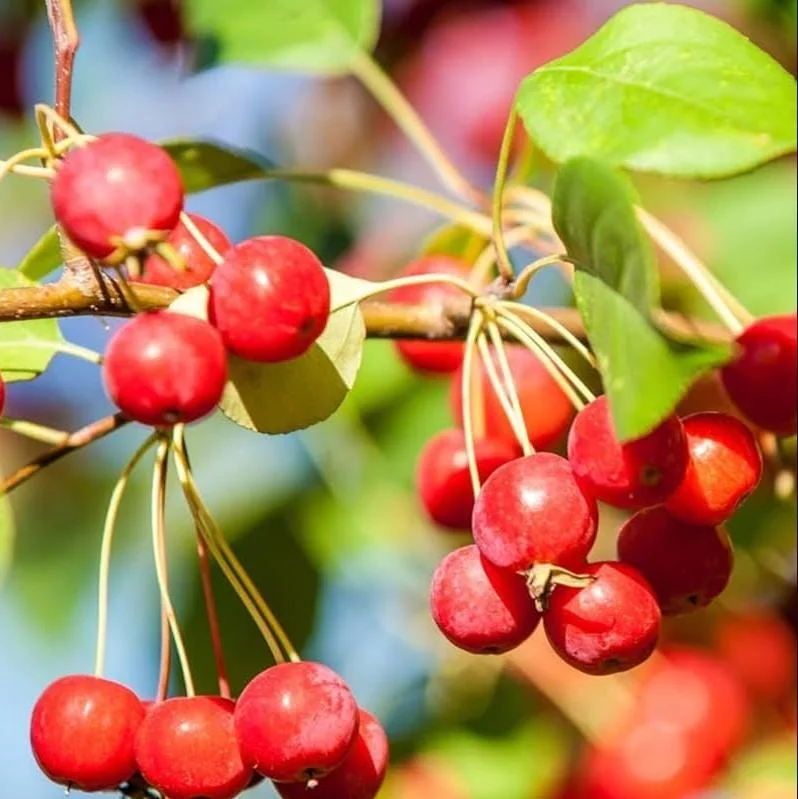
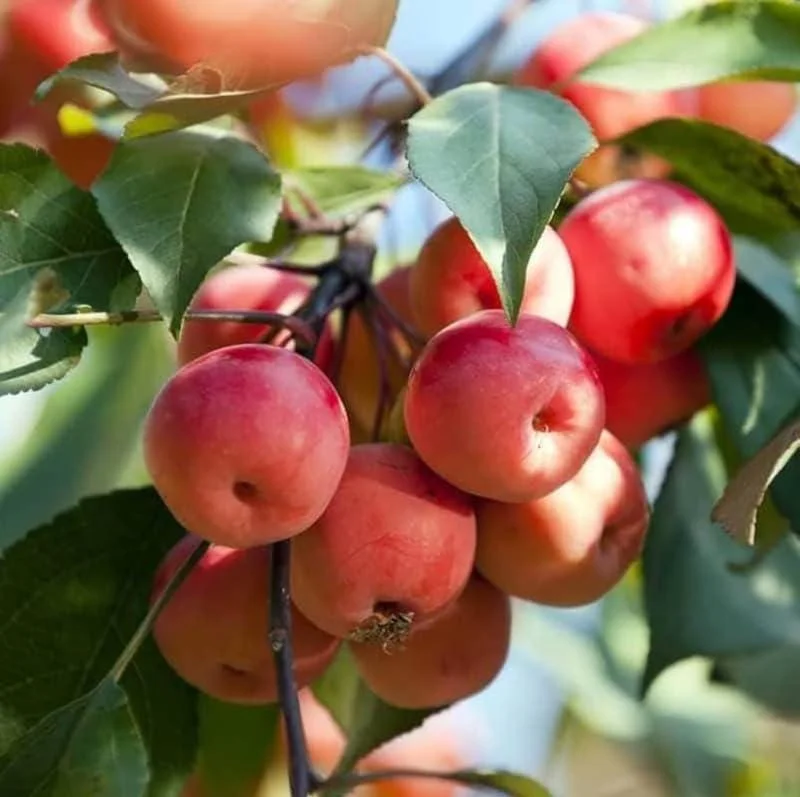
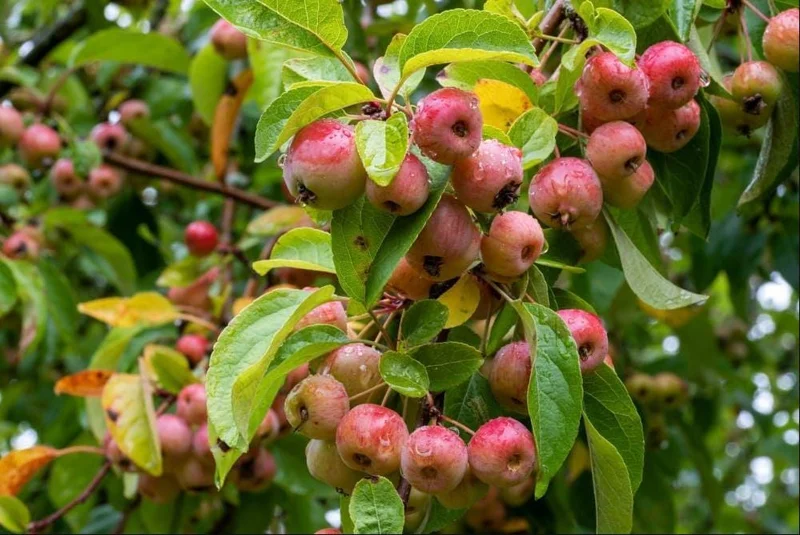
- Edible & Ornamental Fruit: Beyond their beauty, these trees produce small, vibrant crab apples that are both decorative and edible. The fruits persist into winter, offering sustained visual interest and a valuable food source for birds, reinforcing its role as an ornamental fruit tree.
- Attracts Pollinators: The abundant flowers of the Malus zumi tree are a magnet for bees, butterflies, and other beneficial pollinators, contributing significantly to the health and biodiversity of your local ecosystem. This makes it a truly pollinator friendly tree.
- Wildlife Support: The persistent fruits offer a crucial food source for various bird species and other wildlife during colder months, helping to sustain local fauna when other food sources are scarce.
- Hardy & Adaptable: Known for its robust nature, the Zumi Crabapple is a cold-hardy tree that tolerates a range of soil conditions once established. This resilience makes it a reliable choice for many climates and garden types.
- Year-Round Interest: From spring blossoms to summer foliage, autumn fruit, and winter interest with its persistent crab apples, this tree provides seasonal beauty throughout the entire year.
- Versatile Landscape Element: Its moderate size and attractive form make it suitable for various landscape uses, including specimen planting, small groupings, or as part of a mixed border.
Plant Care & Growing Tips
Caring for your Zumi Crabapple bare roots is straightforward, ensuring a healthy and flourishing tree for years to come. Proper care will help your flowering crabapple tree thrive and produce abundant blooms and fruit. The Zumi Crabapple is considered a low-maintenance tree once established, making it suitable for gardeners of all experience levels.
Sunlight Requirements: To achieve the best flowering and fruiting, plant your Zumi Crabapple in a location that receives full sun, meaning at least 6–8 hours of direct sunlight daily. While it can tolerate partial shade, performance will be significantly better with ample sunlight. Adequate light is crucial for the development of both flowers and the small, edible fruits that characterize this ornamental fruit tree.
Watering: When young and newly planted, keep the soil around your Zumi Crabapple bare roots consistently moist but not waterlogged. Deep watering encourages robust root development. Once established, the tree exhibits moderate drought tolerance but will benefit from regular watering during dry periods, especially during fruit development. Avoid overhead watering to minimize the risk of fungal diseases.
Soil Type: The Zumi Crabapple prefers well-drained, fertile soil. It can adapt to a range of soil types, including clay, loam, and sand, but performs best in slightly acidic to neutral conditions (pH 6.0-7.0). Amend heavy clay soils with organic matter to improve drainage. Good drainage is paramount to prevent root rot, ensuring the longevity of your Malus zumi tree.
Temperature & Hardiness: This is a cold-hardy tree, suitable for temperate climates. It tolerates frost well and is generally adaptable to a wide range of USDA hardiness zones. Consult local gardening resources or your nursery for specific hardiness zone recommendations in your area. Protecting young trees from harsh winter winds in their first year can aid establishment.
Fertilization: Fertilize young trees sparingly with a balanced, slow-release fertilizer in early spring. Once established, an annual application of compost around the base of the tree can provide sufficient nutrients. Avoid over-fertilizing, which can promote excessive leafy growth at the expense of flowers and fruit. A healthy pollinator friendly tree benefits from balanced nutrition.
Pruning: Prune in late winter or early spring while the tree is dormant. Remove any dead, diseased, or crossing branches. Light pruning can also be done to maintain shape and promote good air circulation. Regular pruning helps to ensure a strong structure and encourages a more prolific display of flowers and fruit.
Size & Details
This offering includes a set of two Zumi Crabapple bare roots, each measuring approximately 6 to 12 inches in height. These bare root seedlings are a cost-effective and efficient way to introduce this beautiful flowering crabapple tree into your garden. Upon planting, they will focus their energy on developing a strong root system, leading to vigorous top growth in subsequent seasons.
The Zumi Crabapple typically matures into a small to medium-sized deciduous tree, reaching heights of 15 to 20 feet with a similar spread. Its moderate growth rate means you will see noticeable development each year. The tree produces charming white to pink blossoms in spring, followed by persistent red or yellow crab apples that ripen in late summer to early autumn. These fruits remain on the tree through winter, providing continuous visual interest and a food source for wildlife. Expect your Malus zumi tree to begin flowering and fruiting within 3-5 years after planting, depending on growing conditions.
Frequently Asked Questions
- Q: How big does this Zumi Crabapple bare roots set get? A: Each tree in this set of Zumi Crabapple bare roots will mature to an average height of 15 to 20 feet with a similar spread, creating a beautiful, rounded canopy. Its moderate size makes it suitable for various garden spaces.
- Q: What size are the bare roots upon arrival? A: The Zumi Crabapple bare roots you receive will be approximately 6 to 12 inches tall, ready for immediate planting to establish a strong root system.
- Q: Is this an indoor or outdoor plant? A: The Zumi Crabapple is an outdoor deciduous tree, best suited for planting in gardens, landscapes, or as a specimen tree in your yard. It is not intended for indoor cultivation.
- Q: How much sunlight does the flowering crabapple tree need? A: For optimal growth, flowering, and fruiting, the Zumi Crabapple requires full sun, meaning at least 6-8 hours of direct sunlight per day.
- Q: Is this ornamental fruit tree easy to care for? A: Yes, the Zumi Crabapple is considered a relatively low-maintenance tree once established. It’s hardy and adaptable, making it a good choice for both experienced gardeners and beginners.
- Q: What condition will the Zumi Crabapple bare roots arrive in? A: Your bare roots will arrive dormant, carefully packaged without soil, ready for planting. This is a standard and effective method for shipping deciduous trees during their dormant season.
- Q: When is the best time to plant these Malus zumi tree bare roots? A: The best time to plant bare root trees is in early spring, after the last frost but before the tree breaks dormancy, or in late fall after leaf drop.
- Q: Are the crab apples edible? A: Yes, the small crab apples produced by the Zumi Crabapple are edible and can be used for making jellies, preserves, or sauces. They are also a favorite food source for birds.
- Q: Will this pollinator friendly tree survive winter in my zone? A: The Zumi Crabapple is cold-hardy and suitable for many temperate climates. It’s important to know your specific USDA hardiness zone to ensure it’s appropriate for your region.
- Q: How long until this tree blooms? A: Typically, a Zumi Crabapple grown from a bare root can begin to flower and produce fruit within 3 to 5 years after planting, with more significant displays as it matures.




Reviews
There are no reviews yet.