Overview
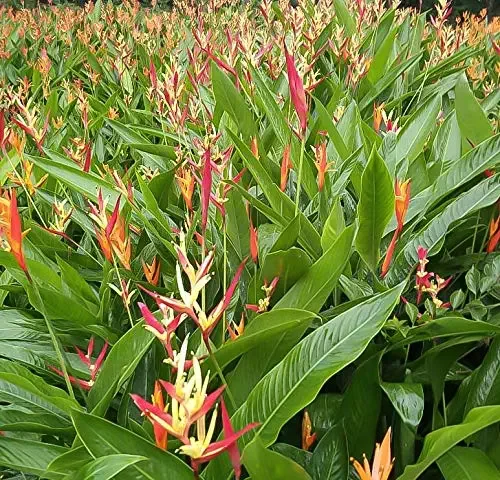
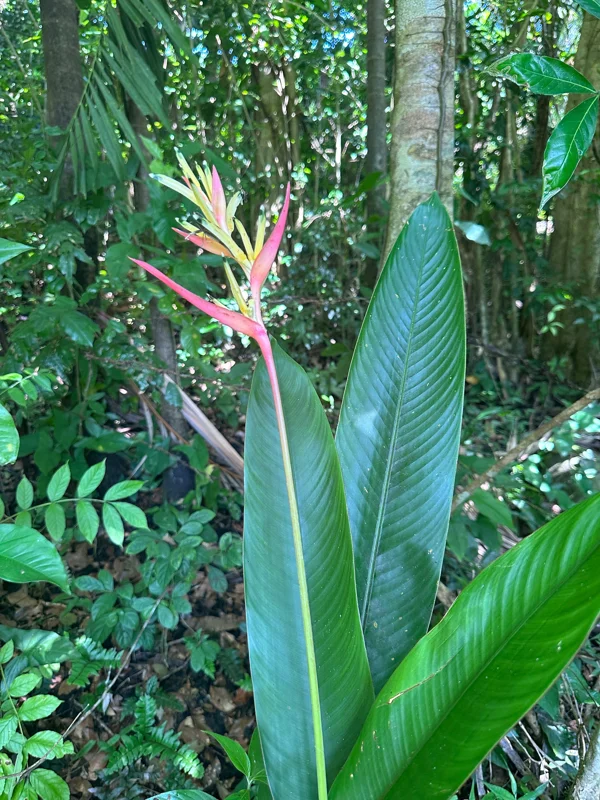
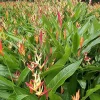
Introduce a splash of vibrant, tropical color to your landscape with our premium Heliconia Lady Di psittacorum rhizomes. This set of six well-rooted rhizomes offers an excellent opportunity to cultivate these magnificent plants, renowned for their striking, bird-like inflorescences. Heliconia psittacorum, commonly known as Parrot’s Beak or Parrot Heliconia, is a popular choice for tropical and subtropical gardens due to its brilliant and long-lasting blooms. The ‘Lady Di’ variety is particularly prized for its vivid hues, typically featuring shades of red, orange, and yellow, often tipped with green. These rhizomes are carefully selected to ensure vigorous growth, allowing you to establish a stunning display of exotic foliage and flowers in your outdoor space. Whether you’re an experienced gardener or just beginning to explore tropical plants, growing colorful heliconia plants from rhizomes provides a rewarding experience and an unparalleled visual impact.
Key Benefits
Cultivating Heliconia Lady Di psittacorum rhizomes offers a multitude of benefits, transforming any garden into a vibrant, exotic paradise. These plants are not only visually stunning but also relatively easy to care for in appropriate climates.
- Exotic Visual Appeal: The primary benefit of these rhizomes is the spectacular, brightly colored flowers they produce. Their unique, architectural form and vivid colors, including red, orange, and yellow, create an instant tropical ambiance, making them a focal point in any garden or landscape design.
- Long-Lasting Blooms: Heliconia flowers are known for their exceptional longevity, providing continuous color and beauty for extended periods, often through multiple seasons in warm climates. This ensures a consistent display of tropical splendor.
- Attracts Wildlife: The vibrant blooms of the colorful heliconia plants are a magnet for hummingbirds and other pollinators, bringing lively activity and natural charm to your garden. Watching these creatures interact with the exotic flowers is a delightful experience.
- Low Maintenance: Once established, Heliconia Lady Di plants are surprisingly low-maintenance. They thrive with minimal intervention, making them suitable for gardeners who desire high impact with less effort. Regular watering and occasional feeding are usually sufficient.
- Versatile Landscaping: These tropical heliconia plants can be used in various landscape settings, including mass plantings, borders, privacy screens, or as specimen plants. Their bold foliage and upright growth habit add structure and drama to any garden layout.
- Well-Rooted for Success: Each of the tropical heliconia rhizomes in this set is well-rooted, significantly increasing the chances of successful establishment and vigorous growth. This ensures a strong start for your new tropical garden additions.
- Cut Flower Potential: Heliconia blooms make excellent cut flowers, lasting for weeks in a vase. You can bring the beauty of your tropical garden indoors, adding an exotic flair to your home decor or creating stunning floral arrangements.
Plant Care & Growing Tips
To successfully grow heliconia psittacorum and ensure your Heliconia Lady Di psittacorum rhizomes flourish, understanding their specific care requirements is essential. These tropical plants thrive in warm, humid environments and require particular attention to light, water, and soil conditions. Heliconia psittacorum is generally hardy in USDA Zones 9-11, where it can be grown outdoors year-round. In cooler climates, it can be grown in containers and brought indoors during winter or treated as an annual.
For optimal growth, plant your tropical heliconia rhizomes in a location that receives full sun to partial shade. Full sun (at least 6-8 hours of direct sunlight per day) will encourage the most prolific flowering, but some afternoon shade can be beneficial in extremely hot climates to prevent leaf scorch. The soil should be rich, well-draining, and consistently moist. A slightly acidic to neutral pH (6.0-7.0) is preferred. Amend heavy clay soils with organic matter like compost or peat moss to improve drainage and fertility. Water regularly, especially during dry periods, ensuring the soil remains evenly moist but not waterlogged. Reduce watering slightly during cooler, dormant months. Fertilize your heliconia every 4-6 weeks during the growing season (spring through fall) with a balanced, slow-release tropical plant fertilizer or a liquid feed rich in phosphorus to promote blooming. Pruning involves removing spent flower stalks and any yellowing or damaged leaves to maintain plant vigor and appearance. Watch out for common pests like spider mites and aphids, treating them with insecticidal soap if necessary. Proper heliconia care guide practices will ensure a stunning display.
Size & Details
This offering includes a Set of 6 Heliconia Lady Di psittacorum Rhizomes, each carefully selected to ensure health and vitality. These well-rooted rhizomes are ready for planting upon arrival, providing a strong foundation for your tropical garden. Once established, Heliconia psittacorum ‘Lady Di’ typically grows to a height of 3-6 feet (90-180 cm) with a spread of 2-4 feet (60-120 cm), forming attractive clumps. The growth rate is moderate to fast under ideal conditions, and you can expect the first blooms within one to two growing seasons after planting, depending on climate and care. Each rhizome will develop into a vibrant plant, producing multiple inflorescences throughout its blooming period. These plants are shipped as live, viable rhizomes, carefully packaged to protect them during transit and ensure they arrive in excellent condition, ready to be planted and begin their journey toward becoming magnificent colorful heliconia plants.
Frequently Asked Questions
- Q: How big do these Heliconia Lady Di plants get? A: Once mature, Heliconia Lady Di psittacorum rhizomes typically grow into plants ranging from 3 to 6 feet tall with a spread of 2 to 4 feet. Their size can vary slightly depending on growing conditions and climate.
- Q: Is this an indoor or outdoor plant? A: Heliconia psittacorum is primarily an outdoor plant in tropical and subtropical climates (USDA Zones 9-11). In cooler regions, it can be grown in containers and brought indoors during winter, or cultivated as an annual.
- Q: How much sunlight does it need? A: For the best flowering performance, Heliconia Lady Di prefers full sun, meaning at least 6-8 hours of direct sunlight daily. In very hot climates, some afternoon shade can help protect the foliage from scorching.
- Q: Is this plant easy to care for? A: Yes, once established in the right climate, colorful heliconia plants are considered relatively easy to care for. They require consistent moisture, rich soil, and regular feeding during the growing season.
- Q: What condition will the rhizomes arrive in? A: Your tropical heliconia rhizomes will arrive as well-rooted, live plant divisions, carefully packaged to ensure their health and viability during transit. They will be ready for immediate planting.
- Q: How long until it blooms? A: With proper care, you can typically expect your Heliconia Lady Di plants to start producing their first blooms within one to two growing seasons after planting the rhizomes.
- Q: What’s the best soil for growing Heliconia? A: Heliconia thrives in rich, well-draining soil that retains moisture. Amending your garden soil with plenty of organic matter like compost will provide the ideal conditions for these plants to flourish.
- Q: Will it survive winter in my zone? A: Heliconia psittacorum is hardy in USDA Zones 9-11. If you live in a colder zone, you will need to bring potted plants indoors or dig up the rhizomes to store them over winter to protect them from frost.
- Q: Do I need to fertilize my Heliconia? A: Yes, regular fertilization during the active growing season (spring through fall) is crucial for vibrant blooms. Use a balanced, slow-release granular fertilizer or a liquid feed every 4-6 weeks.
- Q: Can I grow heliconia psittacorum in a pot? A: Absolutely! Grow heliconia psittacorum successfully in large containers, especially if you plan to move them indoors during colder months. Ensure the pot has good drainage and use a rich potting mix.




Reviews
There are no reviews yet.