Overview
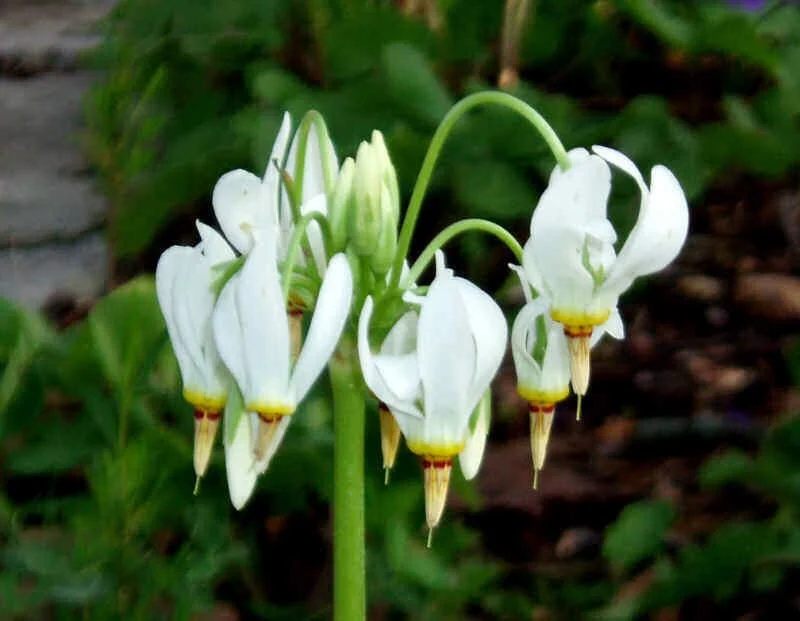
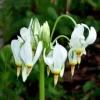
Introduce a touch of native elegance to your landscape with these exquisite shooting star bulbs. This offering includes 5 dormant bulbs of Dodecatheon meadia, ready to burst into life and transform your garden space. Known for their distinctive white flowers with dramatically reflexed petals, Shooting Stars create a captivating display reminiscent of meteors streaking across the sky. These showy native plants are typically found gracing open woodlands, meadows, and rocky slopes throughout the eastern United States, bringing a piece of wild beauty to your home. Easy to grow and remarkably resilient, these perennial wildflower bulbs are an excellent choice for gardeners looking for low-maintenance yet high-impact flora.
The unique form and striking appearance of the Shooting Star make it a conversation starter, perfect for adding architectural interest to your garden beds. Each bulb will produce a plant that grows 10 to 14 inches high, forming clusters up to 12 inches wide, providing a substantial presence without overwhelming smaller spaces. After their spectacular spring bloom, these plants gracefully go dormant, conserving energy for the next year’s display. Their adaptability to various light conditions, from full sun to partial shade, makes them versatile additions to diverse garden settings, ensuring you can find the perfect spot for these enchanting wildflowers.
Key Benefits
Integrating shooting star bulbs into your garden design offers a multitude of advantages, enhancing both aesthetic appeal and ecological value. Their unique characteristics contribute to a thriving and beautiful outdoor space.
- Unique Floral Display: The distinctive white flowers with reflexed petals provide an unusual and captivating visual element, making them a standout addition to any garden. These dodecatheon meadia bulbs ensure a truly unique spring show.
- Native Plant: As a native species to the eastern United States, these plants are well-adapted to local conditions, requiring less intervention and supporting local ecosystems.
- Deer and Rabbit Resistant: Enjoy your beautiful blooms without worrying about common garden pests, as these wildflowers are naturally unappealing to deer and rabbits, making them ideal deer resistant plants.
- Bee-Friendly: Attract beneficial pollinators like bees to your garden, contributing to a healthier and more productive ecosystem. The nectar-rich flowers are a favorite among local bee populations.
- Versatile Landscaping: Excellent for rock gardens, naturalized areas, and general landscaping, they add beauty and structure without being overly demanding. Their compact size makes them suitable for various garden styles.
- Low Maintenance: Once established, these perennial bulbs require minimal care, making them perfect for busy gardeners or those new to gardening. They thrive with little fuss.
- Hardy Perennial: Reliably returns year after year, providing continuous beauty with proper care and suitable growing conditions, especially in appropriate zones.
Plant Care & Growing Tips
Caring for your shooting star bulbs is straightforward, ensuring a magnificent display each spring. These resilient plants are relatively low-maintenance, making them a joy for gardeners of all experience levels. When planting, choose a location that receives full sun to partial shade. In warmer climates, some afternoon shade can be beneficial to protect the plant from intense heat, while in cooler regions, more sun will encourage robust growth and abundant flowering. Ensure the soil is well-draining, as these bulbs do not tolerate soggy conditions, which can lead to rot. A loamy soil enriched with organic matter is ideal, mimicking their natural woodland habitat.
Watering should be consistent, especially during dry spells in the spring when the plants are actively growing and flowering. However, once the plant goes dormant in late spring or early summer, watering can be significantly reduced or stopped altogether. These plants are accustomed to dry periods during their dormancy. For optimal performance, a light application of a balanced, slow-release fertilizer in early spring can promote vigorous growth and flowering. Avoid over-fertilizing, as this can lead to excessive foliage at the expense of blooms. Keep an eye out for common garden pests, though their natural resistance to deer and rabbits makes them less susceptible to larger animal damage. If you’re looking for a beautiful addition to your shade garden plants, the Shooting Star is an excellent choice, adaptable to various light conditions.
Size & Details
This package includes 5 Shooting Star bulb/roots, ready for planting. Each plant typically grows to a height of 10 to 14 inches (25-35 cm) and spreads into clusters up to 12 inches (30 cm) wide, creating a charming presence in your garden beds or rockeries. These perennials are hardy in USDA Zones 4-8, making them suitable for a wide range of climates across the United States. They are shipped in their dormant state, which is the ideal time for planting to allow them to establish roots before their spring growth cycle begins. Expect vibrant white flowers to emerge in spring, followed by a period of dormancy in late spring or early summer after the bloom cycle completes. The natural growth habit of dodecatheon meadia makes it an excellent choice for a naturalized look.
The mature size and spreading habit of these plants make them excellent for mass plantings, creating a spectacular carpet of white blooms, or as individual accents in mixed borders. Their unique flower shape adds a distinct architectural element to your garden. While the bulbs are relatively small upon arrival, they contain all the stored energy needed to produce a robust plant in its first growing season. With proper care and suitable growing conditions, these perennial wildflower bulbs will establish quickly and provide years of recurrent beauty.
Frequently Asked Questions
- Q: How big do these Shooting Star plants get? A: Each plant typically grows 10 to 14 inches (25-35 cm) tall and forms clusters up to 12 inches (30 cm) wide. The compact size makes them suitable for various garden settings, including smaller spaces.
- Q: What is the best time to plant the Shooting Star bulbs? A: The best time to plant these shooting star bulbs is in the fall, allowing them to establish roots over winter for a strong spring bloom. They can also be planted in early spring.
- Q: Is this an indoor or outdoor plant? A: The Shooting Star is an outdoor perennial plant, best suited for garden beds, rock gardens, and naturalized areas. It requires outdoor conditions to thrive and complete its natural life cycle.
- Q: How much sunlight does it need? A: These plants perform best in full sun to partial shade. In hotter climates, partial afternoon shade is recommended to protect the foliage from scorching, while in cooler regions, more sun is ideal.
- Q: Is this plant easy to care for? A: Yes, dodecatheon meadia is considered low-maintenance once established. It requires well-draining soil and consistent moisture during its active growth phase in spring, with reduced watering during dormancy.
- Q: Are these plants deer and rabbit resistant? A: Yes, Shooting Stars are known to be naturally resistant to deer and rabbits, making them excellent deer resistant plants for areas where these animals are a concern.
- Q: When can I expect the Shooting Star to bloom? A: These perennial bulbs typically bloom in the spring, usually from April to May, depending on your specific climate and planting time. After blooming, they will go dormant until the next spring.
- Q: What USDA Hardiness Zones are suitable for these bulbs? A: These perennial wildflower bulbs are hardy in USDA Zones 4-8, indicating their ability to withstand winter temperatures within this range.
- Q: What kind of soil is best for Shooting Stars? A: They prefer well-draining, humus-rich soil. Amending heavy clay soils with organic matter can improve drainage and provide essential nutrients for healthy growth.
- Q: Why do my Shooting Star plants go dormant after blooming? A: It is natural for Shooting Stars to go dormant after their spring bloom. This is a survival mechanism, allowing them to conserve energy during the hotter summer months and reappear vigorously the following spring.




Reviews
There are no reviews yet.