Overview
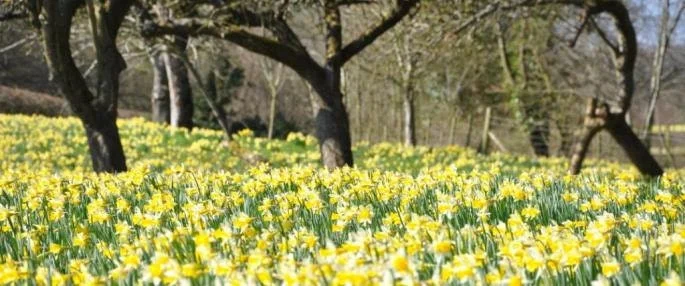
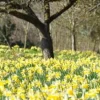
Bring the timeless beauty of spring to your garden with our premium wild daffodil bulbs. This collection features 25 wild daffodil bulbs, scientifically known as Narcissus pseudonarcissus, also commonly referred to as the Lent Lily. These delightful perennial flowering plants emerge from bulbs to herald the arrival of spring with their distinctive pale yellow flowers, each adorned with a charming darker central trumpet. Ideal for naturalizing, these daffodils will spread gracefully over time, creating a breathtaking display that returns year after year.
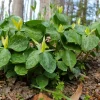
The Lent Lily bulbs are a classic choice for gardeners seeking both beauty and resilience. Their long, narrow, slightly grayish leaves provide an attractive contrast to the vibrant blooms. These robust bulbs are incredibly easy to grow and maintain, making them a fantastic addition for both novice and experienced gardeners. Plant them in drifts for a spectacular visual impact or intersperse them among other early spring bloomers for a varied landscape.
Our wild daffodil bulbs are carefully selected to ensure vibrant growth and abundant flowering. They are perfectly suited for US climates, offering a reliable show of color when many other plants are still dormant. Enhance your garden’s aesthetic and ecological value with these charming and hardy spring bloomers.
Key Benefits
Planting these exquisite wild daffodil bulbs offers a multitude of advantages for your garden and landscape. Their easy-care nature and stunning appearance make them a top choice for beautiful, low-maintenance spring displays.
- Early Spring Blooms: Be among the first to welcome spring with the cheerful pale yellow flowers of the wild daffodil bulbs. They provide essential early color when the garden is just awakening.
- Naturalizing Qualities: These bulbs are excellent for naturalizing, meaning they will multiply and spread over time, creating larger, more impressive displays with minimal effort. This makes them a cost-effective way to fill your garden with beauty.
- Low Maintenance: Once established, lent lily bulbs require very little attention. They are self-sufficient and resilient, making them perfect for busy gardeners or those new to planting bulbs.
- Deer and Rodent Resistant: Daffodils are naturally unpalatable to deer and most rodents, offering a worry-free planting experience as your blooms are less likely to be disturbed by garden pests.
- Versatile Planting: Thriving in both full sun and partial shade, these narcissus pseudonarcissus bulbs can be planted in a variety of locations, from woodland edges to open garden beds.
- Hardy and Resilient: With a hardiness range of USDA zones 3-10, these bulbs are incredibly tough and will return faithfully year after year, even in challenging climates.
- Charming Cut Flowers: The elegant flowers make lovely additions to spring bouquets, allowing you to bring the beauty of your garden indoors.
Plant Care & Growing Tips
Caring for your wild daffodil bulbs is straightforward, ensuring a beautiful display each spring. These resilient plants are quite forgiving, making them suitable for gardeners of all experience levels. The first step to success is proper planting. Choose a site with good drainage, as bulbs do not like to sit in waterlogged soil. Dig a hole approximately twice as deep as the bulb is tall, usually about 6-8 inches. Place the bulb with the pointed end facing upwards, then cover with soil and water thoroughly. For the best visual impact, plant them in groups rather than single rows.
Lent lily bulbs thrive in a variety of light conditions, from full sun to partial shade. In areas with hotter summers, a location with afternoon shade can help prolong their bloom period. They are adaptable to most soil types, provided there is adequate drainage. While they can tolerate a range of conditions, a slightly acidic to neutral soil enriched with organic matter will promote the healthiest growth. After flowering, allow the foliage to remain until it yellows and dies back naturally. This process is crucial for the bulb to store energy for the following year’s blooms. Do not cut back green foliage prematurely.
Watering is important during dry spells, especially during the active growing and flowering periods. Once the foliage begins to yellow, reduce watering. Fertilization is generally not required annually, but if your soil is poor, a balanced bulb fertilizer applied in the fall can be beneficial. These spring flowering bulbs are remarkably hardy and typically do not require winter protection in their recommended zones. Over time, clumps may become crowded, and dividing them every few years in late summer or early fall can rejuvenate blooming vigor. Look forward to a stunning show from your daffodil planting with these simple care instructions.
Size & Details
This offering includes 25 wild daffodil bulbs, providing a substantial quantity for creating an impressive display in your garden. Each bulb is carefully selected for quality to ensure robust growth and prolific flowering. The plants typically grow to a height of 12 to 18 inches (30-45 cm) when mature, with the charming pale yellow flowers emerging on sturdy stems above the grayish-green foliage. The spread of individual plants is relatively compact, but these bulbs are known for naturalizing, meaning they will multiply over seasons, gradually expanding their footprint and creating a fuller appearance in your planting area.
These lent lily bulbs are shipped dormant, ready for fall planting to establish roots before winter. They will typically flower in early spring, usually from March to April, depending on your local climate and specific USDA zone. The flowers themselves are approximately 2-3 inches (5-7.5 cm) in diameter, featuring the characteristic trumpet-shaped corona. The bulbs are hardy in USDA Zones 3-10, making them suitable for a wide range of climates across the United States. Expect a moderate growth rate, with plants establishing well in their first year and improving their display in subsequent seasons as they naturalize. This pack offers an excellent foundation for a vibrant and enduring daffodil planting.
Frequently Asked Questions
- Q: How big does this plant get? A: The wild daffodil bulbs typically grow to a height of 12 to 18 inches (30-45 cm) with their flower stalks. The foliage forms a clump at the base, and over time, the bulbs will multiply to create a larger patch.
- Q: What size pot does it come in? A: This product consists of 25 wild daffodil bulbs, which are dormant bulbs and do not come in pots. They are ready to be planted directly into your garden or containers.
- Q: Is this an indoor or outdoor plant? A: These lent lily bulbs are specifically for outdoor planting. They require a period of cold dormancy to flower properly and are best suited for garden beds, borders, or naturalized areas where they can receive the necessary environmental cues.
- Q: How much sunlight does it need? A: Wild daffodils thrive in full sun to partial shade. For optimal flowering, aim for at least 6 hours of direct sunlight per day, though they can tolerate less, especially in warmer climates where some afternoon shade can be beneficial.
- Q: Is this plant easy to care for? A: Yes, narcissus pseudonarcissus is considered very easy to care for. Once planted, they are largely self-sufficient, requiring minimal watering and no special fertilization. They are a great choice for beginner gardeners.
- Q: What condition will it arrive in? A: Your order will arrive as 25 wild daffodil bulbs in a dormant state. They will be firm and healthy, ready for planting according to the included instructions.
- Q: How long until it blooms? A: After planting in the fall, these spring flowering bulbs will typically bloom the following spring, usually between March and April, depending on your specific climate zone.
- Q: When is the best time to plant? A: The ideal time for daffodil planting is in the fall, generally from September to November, before the ground freezes. This allows the bulbs to establish roots before winter.
- Q: Will it survive winter in my zone? A: Yes, these wild daffodil bulbs are hardy in USDA Zones 3-10, meaning they are well-equipped to survive winter in most regions of the United States and will return reliably each spring.
- Q: What’s the minimum temperature it can tolerate? A: As hardy bulbs, they can tolerate very cold winter temperatures, well below freezing, especially when protected by a layer of snow or mulch. They require a chilling period to initiate flowering.




Reviews
There are no reviews yet.