Overview
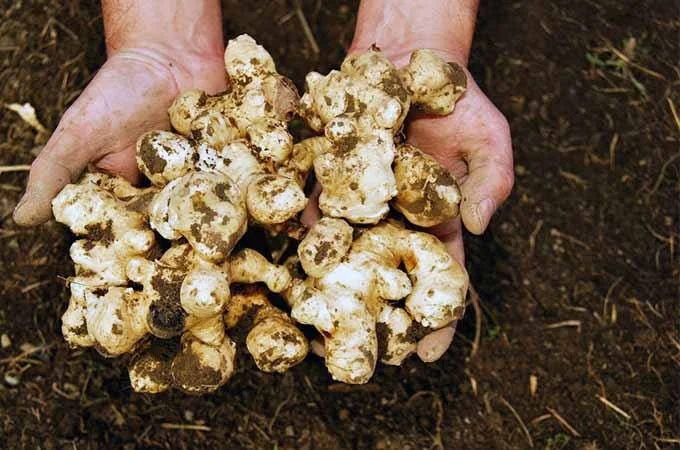
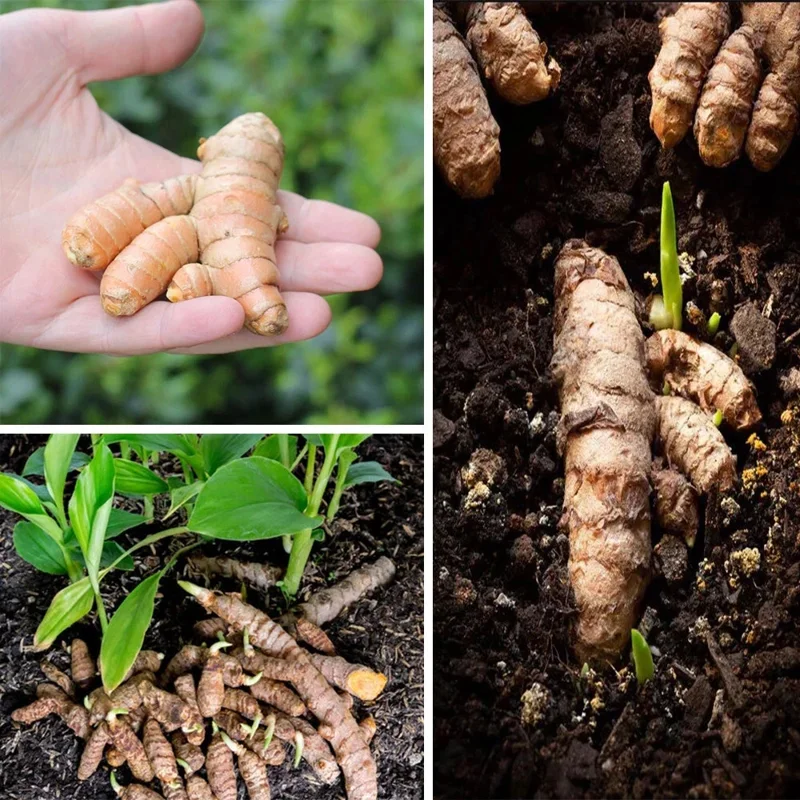
Embark on a rewarding gardening journey with our premium selection of jerusalem artichoke tubers. This offering includes a set of 3 organic sunchokes, specifically the highly sought-after Stampede variety. Known for their vigorous growth and early maturation, these tubers are an excellent choice for both novice and experienced gardeners looking to cultivate a unique and delicious root vegetable. Jerusalem artichokes, scientifically known as Helianthus tuberosus, are often referred to as sunchokes or sunroot, and are a type of sunflower grown for their edible tubers. They are not related to the traditional artichoke, despite the name, and instead offer a crisp, nutty flavor that makes them a versatile addition to many dishes.
Our jerusalem artichoke tubers are sourced from organic stock, ensuring you receive healthy, chemical-free planting material. The Stampede variety is celebrated for its reliable yields and adaptability to various growing conditions, making it a robust choice for diverse climates. These tubers will quickly establish themselves in your garden, producing an abundance of crunchy, sweet sunchokes that can be enjoyed raw, roasted, or in soups and stews. They are a fantastic way to introduce a unique flavor and texture profile to your home-cooked meals.
Key Benefits
Cultivating jerusalem artichoke tubers offers a multitude of benefits, from their ease of growth to their nutritional value, enriching both your garden and your diet. These organic sunchokes are a fantastic choice for sustainable gardening.
- Easy to Grow: Jerusalem artichokes are incredibly resilient and require minimal care once established. They thrive in a variety of soil conditions and are generally pest-resistant, making them ideal for gardeners of all skill levels.
- Nutrient-Rich Harvest: Sunchokes are packed with essential nutrients, including iron, potassium, and dietary fiber. They are also a good source of inulin, a prebiotic fiber beneficial for gut health.
- Versatile Culinary Uses: The crisp, nutty flavor of sunchokes makes them a culinary delight. Enjoy them raw in salads, roasted with herbs, pureed into creamy soups, or pickled for a tangy treat.
- Early Maturing Variety: The Stampede variety is prized for its early maturation, allowing you to enjoy a harvest sooner than many other sunchoke varieties. This means fresh tubers on your table in less time.
- Perennial Growth: Once planted, jerusalem artichoke tubers will continue to produce year after year. They are a reliable perennial crop that can provide a consistent food source with minimal replanting effort.
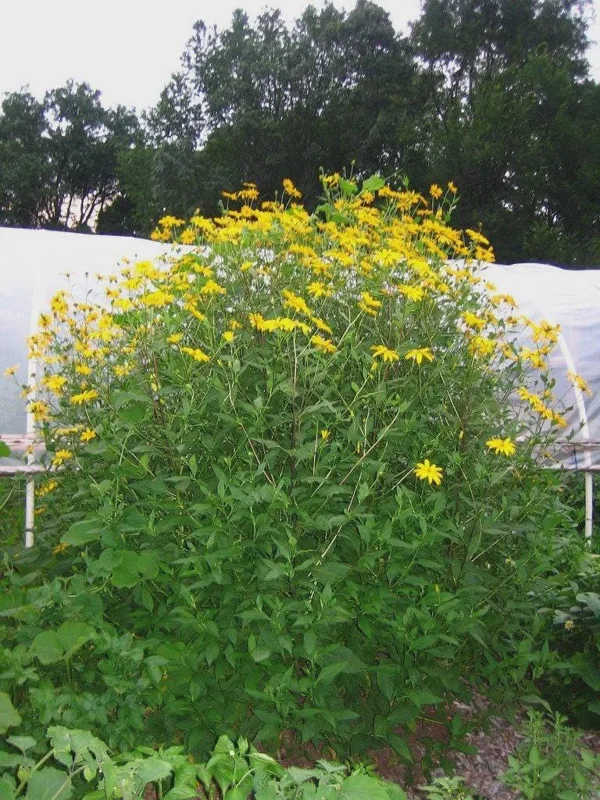
- Attractive Garden Addition: Beyond their edible tubers, these plants produce bright yellow, sunflower-like blooms in late summer to fall, adding a beautiful aesthetic to your garden landscape.
- Supports Soil Health: As a hardy plant, growing jerusalem artichokes can help improve soil structure and prevent erosion, contributing to overall garden health.
Plant Care & Growing Tips
Successful cultivation of jerusalem artichoke tubers begins with proper planting and ongoing care. These tubers are remarkably forgiving but will flourish with a little attention. Plant your organic sunchokes in an area that receives full sun, meaning at least 6-8 hours of direct sunlight per day. While they can tolerate partial shade, full sun promotes the best tuber development and yield. Ensure the soil is well-draining, as soggy conditions can lead to rot. A slightly acidic to neutral pH (6.0-7.0) is ideal. Amending heavy clay soils with compost or sand can improve drainage and aeration.
Water newly planted tubers regularly to help them establish. Once established, jerusalem artichoke tubers are quite drought-tolerant, but consistent moisture during dry spells will result in larger, healthier tubers. Avoid overwatering. Fertilization is generally not heavily required, especially in rich soil. If your soil is poor, a balanced organic fertilizer applied in spring can boost growth. The plants can grow quite tall, sometimes reaching 6-10 feet, so consider staking if they are in a windy location. The early maturing sunchokes of the Stampede variety mean you can expect a harvest relatively soon after planting.
Harvesting typically occurs after the first hard frost, which signals the plant to send energy back into the tubers, enhancing their flavor. Dig carefully around the base of the plant to extract the tubers. Leave some small tubers in the ground to ensure a crop for the following year, as growing jerusalem artichokes are excellent self-propagators. Common problems are few, but watch for slugs and snails in damp conditions. Proper spacing (12-18 inches apart) ensures good air circulation and reduces the risk of fungal issues. These plants are cold-hardy, generally thriving in USDA zones 3-9, making them suitable for many climates.
Size & Details
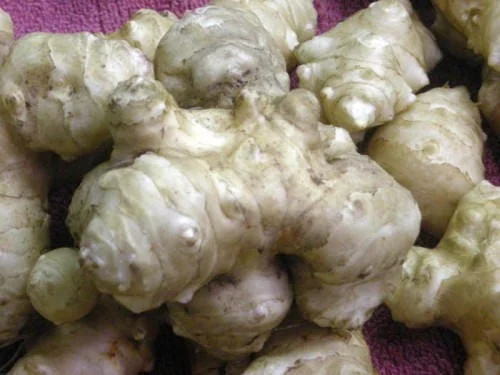
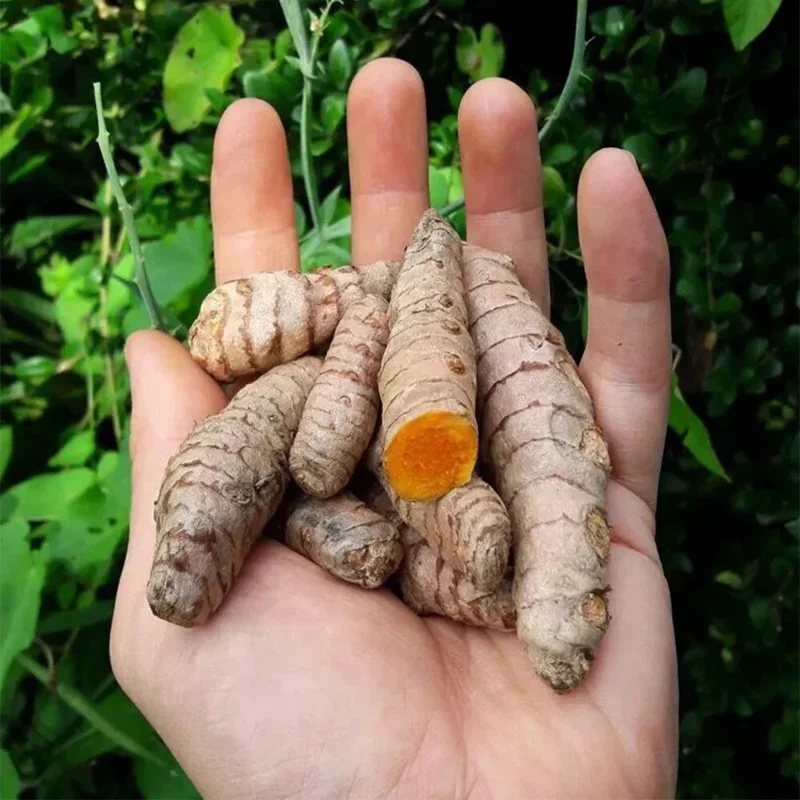
This offering includes a set of 3 jerusalem artichoke tubers of the premium Stampede variety. Each tuber is carefully selected for its health and viability, ensuring a strong start for your garden. These tubers vary in size but are typically robust and ready for planting, approximately 2-4 inches in length. When fully grown, the plants can reach heights of 6-10 feet, producing a significant yield of edible sunchokes beneath the soil. The early maturing sunchokes will be ready for harvest in late fall, usually 120-150 days after planting, depending on your climate and growing conditions. They are shipped dormant and ready to be planted directly into your garden or containers. Expect a vigorous growth rate and abundant production from these high-quality, organic sunchokes.
Frequently Asked Questions
- Q: How big do these jerusalem artichoke plants get? A: The plants of the Stampede variety can grow quite tall, typically reaching heights of 6 to 10 feet. They produce attractive yellow flowers similar to sunflowers in late summer.
- Q: When is the best time to plant these tubers? A: The ideal time to plant jerusalem artichoke tubers is in early spring, after the last frost. This allows them ample time to establish and develop tubers before the fall harvest.
- Q: Are these sunchokes suitable for containers? A: While growing jerusalem artichokes can be done in large containers, they prefer ample space to spread. If planting in pots, choose very large containers (at least 15-20 gallons) to accommodate their growth and tuber development.
- Q: What condition will the tubers arrive in? A: Your jerusalem artichoke tubers will arrive dormant, firm, and healthy, ready for immediate planting. They are carefully packaged to ensure their quality during transit.
- Q: How long until I can harvest the sunchokes? A: The early maturing sunchokes of the Stampede variety typically mature in 120-150 days. You can expect to harvest them in late fall, after the first hard frost, which sweetens their flavor.
- Q: Are these tubers perennial? A: Yes, jerusalem artichoke tubers are perennial. If you leave some small tubers in the ground after harvest, they will resprout and produce a new crop the following year.
- Q: What kind of soil do these sunchokes prefer? A: They prefer well-draining soil with a pH between 6.0 and 7.0. While they are adaptable, enriching the soil with compost will promote better growth and larger tubers.
- Q: Do these plants require a lot of water? A: Once established, jerusalem artichoke tubers are fairly drought-tolerant. However, consistent moisture during dry periods, especially when tubers are forming, will lead to a better harvest.
- Q: Can I eat these sunchokes raw? A: Absolutely! Organic sunchokes have a crisp, slightly sweet, and nutty flavor that makes them excellent raw in salads or as a crunchy snack. They are also delicious cooked in various ways.
- Q: Will these tubers spread aggressively in my garden? A: Jerusalem artichokes can spread readily if left unchecked. To manage their spread, you can plant them in a dedicated bed, use root barriers, or harvest thoroughly each year, leaving only what you intend to replant.









Reviews
There are no reviews yet.