Overview
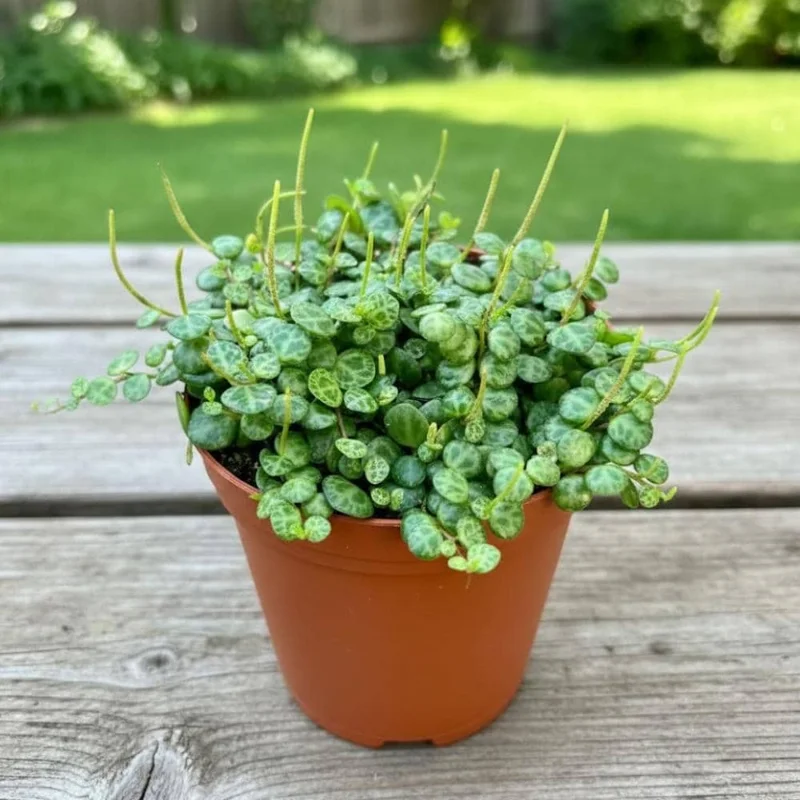
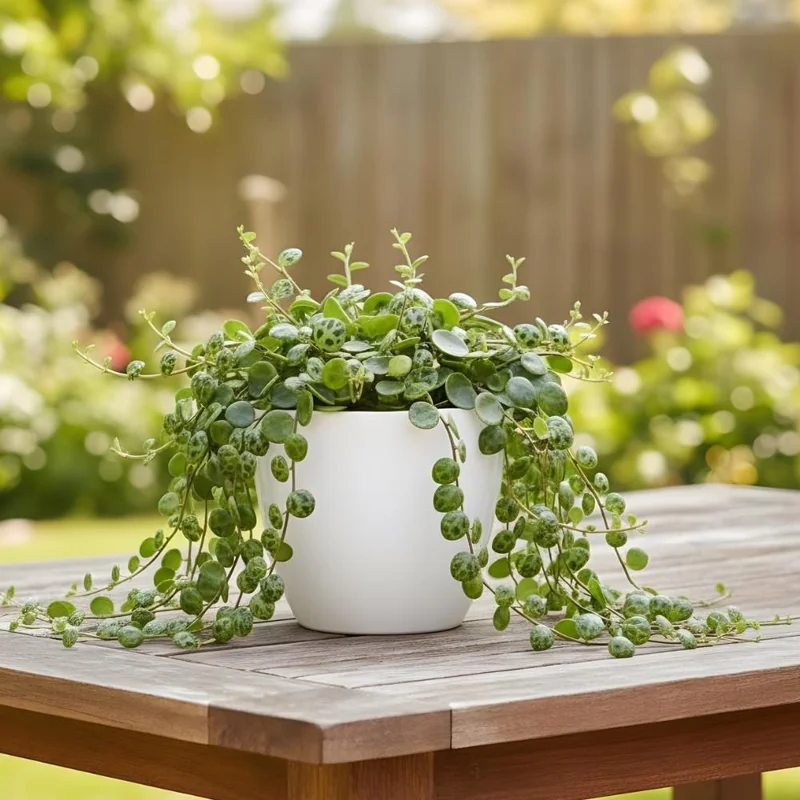
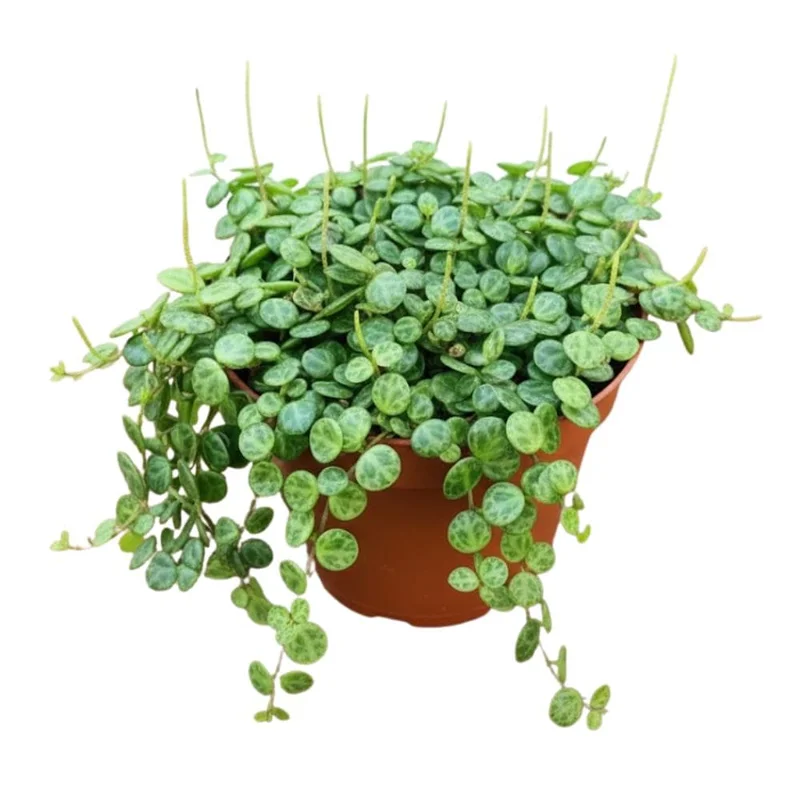
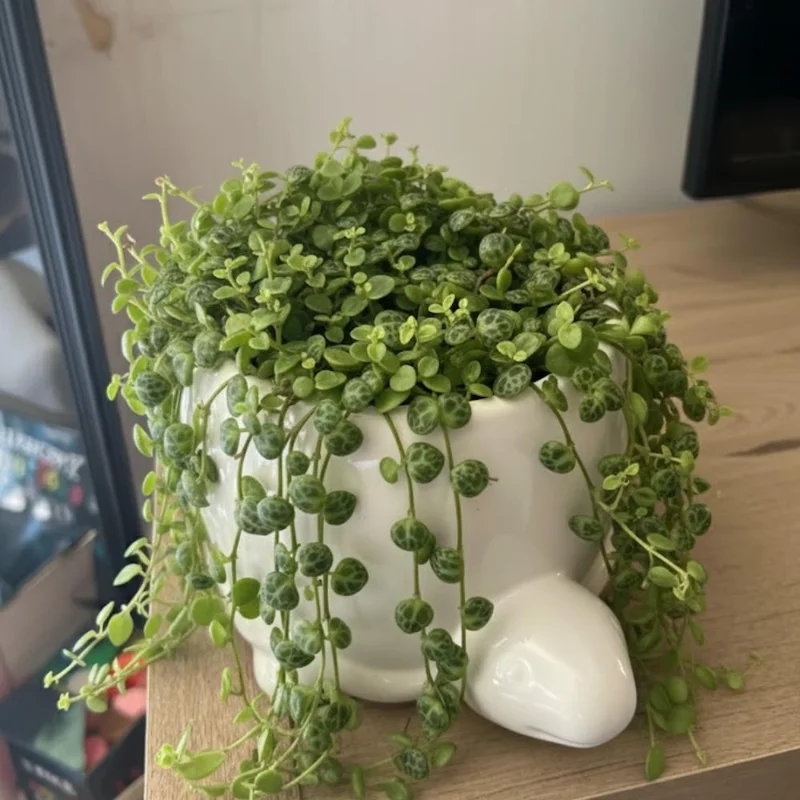
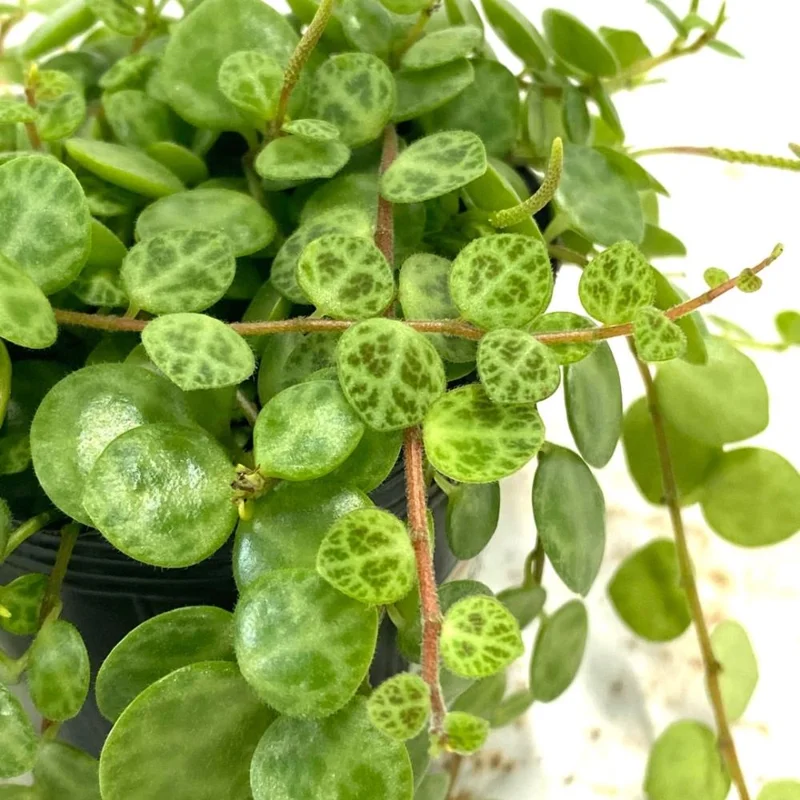
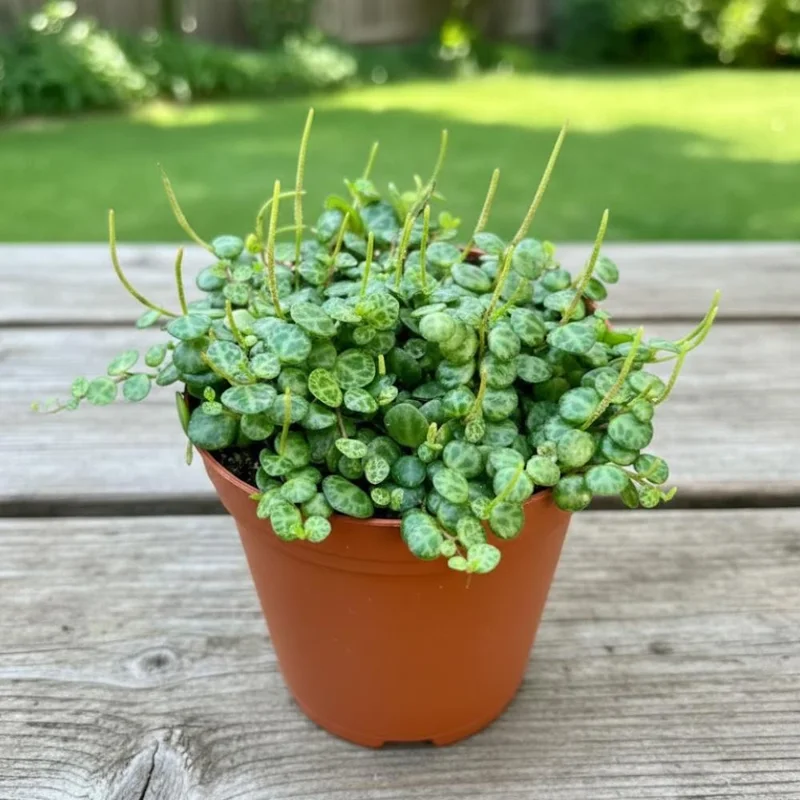
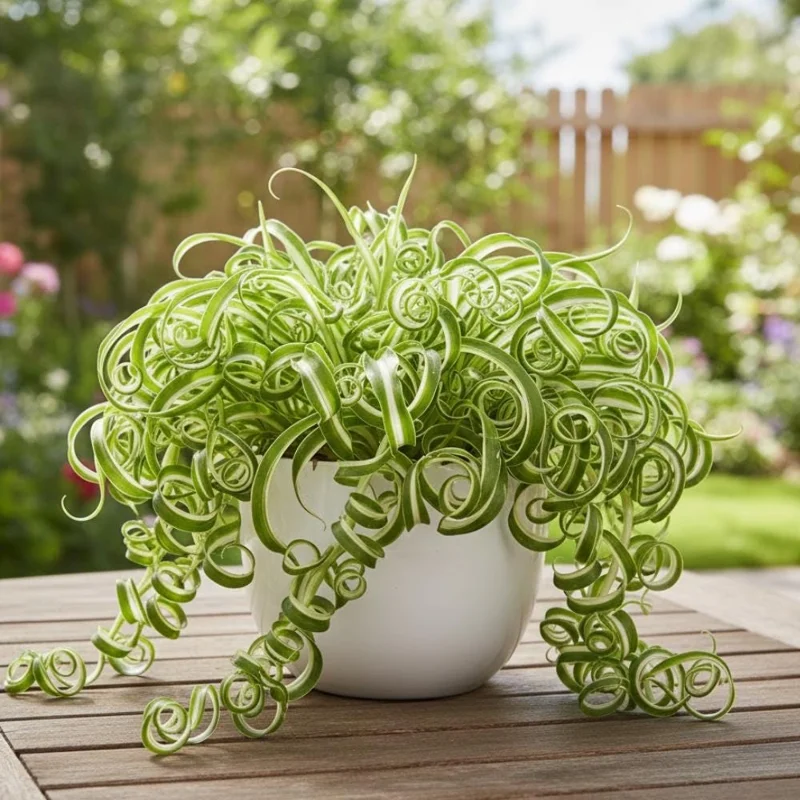
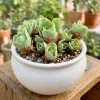
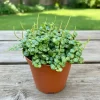
Bring a touch of botanical charm into your home with the exquisite string of turtles live plant, scientifically known as Peperomia Prostrata. This captivating succulent is celebrated for its delicate, round leaves that resemble tiny turtle shells, each adorned with intricate dark green veining. The leaves grow densely along slender, trailing stems, creating a lush, cascading effect that is perfect for elevated displays. Originating from the rainforests of Brazil, this unique plant has become a highly sought-after houseplant due to its distinctive appearance and relatively easy care requirements. Whether you’re a seasoned plant enthusiast or a beginner looking to add some greenery, the peperomia prostrata care is straightforward, making it an excellent choice for a wide range of indoor environments. It’s a wonderful way to introduce a piece of nature’s artistry into your living space.
The string of turtles live plant is not just a visual delight but also a surprisingly resilient succulent. Its compact size and trailing habit make it an ideal candidate for small spaces, terrariums, or as an accent in a larger plant collection. Each leaf is a miniature work of art, contributing to the plant’s overall allure. This live plant offers a refreshing aesthetic, distinguishing itself from more common foliage. Its ability to adapt to indoor conditions makes it a versatile addition to any home decor, promising to be a conversation starter and a source of natural beauty.
Key Benefits
The string of turtles live plant offers numerous advantages, making it a beloved choice for plant lovers. Its unique aesthetic combined with its manageable care routine provides a rewarding experience for any gardener.
- Distinctive Ornamental Appeal: The most striking feature of the string of turtles live plant is its unique foliage. The small, round leaves with their intricate patterns and trailing growth create a captivating display, adding an exotic and elegant touch to any room. It’s a living piece of art that enhances your home decor.
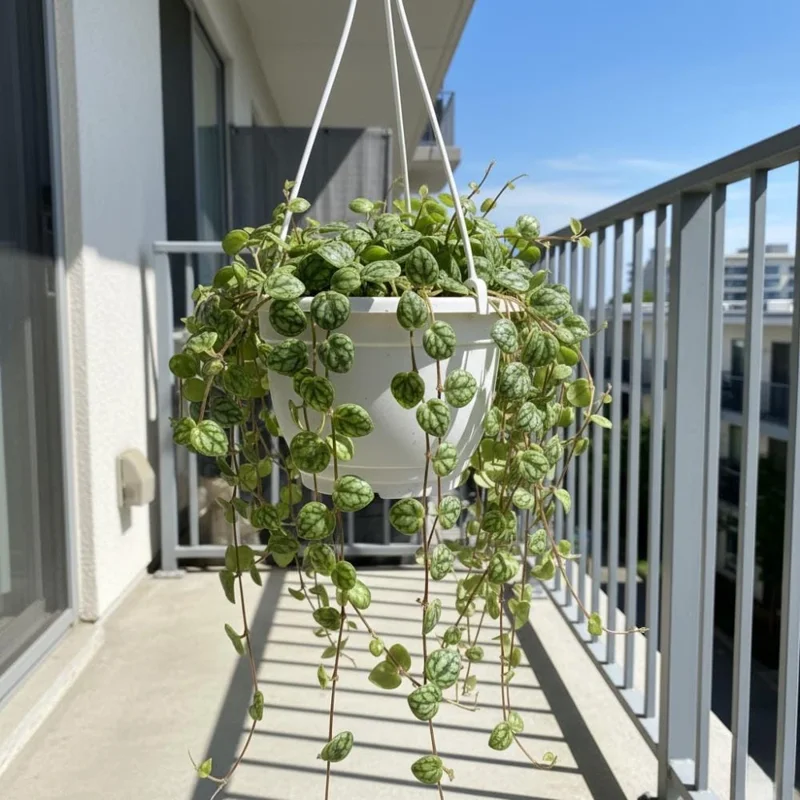
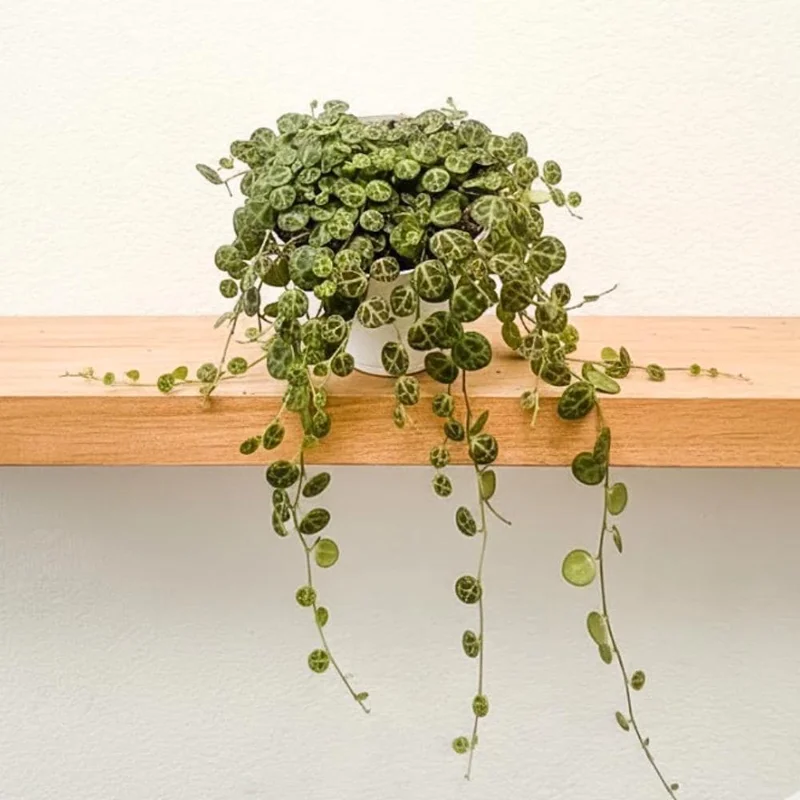
- Versatile Display Options: Thanks to its beautiful trailing habit, this plant is perfect for a variety of settings. It thrives in hanging baskets, allowing its stems to cascade gracefully, or on shelves where its foliage can spill over the edges, creating a lush, green waterfall effect. It also makes an excellent addition to terrariums.
- Low Maintenance & Easy Care: Despite its delicate appearance, the peperomia prostrata care is generally considered easy, making it suitable for both novice and experienced plant enthusiasts. It doesn’t demand constant attention and can tolerate some neglect, making it a forgiving indoor plant.
- Compact Size: The relatively small size of this succulent means it won’t overwhelm your space. It’s perfect for apartments, offices, or any area where space is a premium, allowing you to enjoy lush greenery without requiring a large footprint.
- Air Purifying Qualities: Like many houseplants, the Peperomia Prostrata contributes to a healthier indoor environment by helping to filter airborne toxins and improve air quality, providing a fresher atmosphere in your home or office.
- Pet-Friendly Option: Peperomia species are generally considered non-toxic to pets, making the string of turtles live plant a safer choice for households with curious cats and dogs, offering peace of mind while enjoying your green companions.
Plant Care & Growing Tips
Caring for your string of turtles live plant is relatively simple, ensuring it thrives and continues to display its unique beauty. Understanding its specific needs will help you maintain a healthy and vibrant plant.
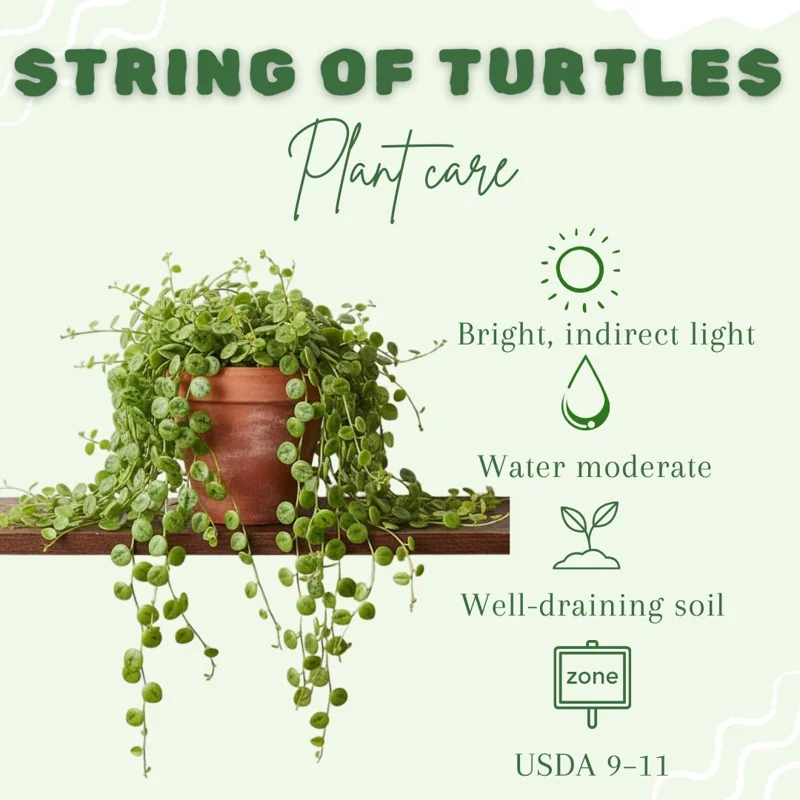
Sunlight: The string of turtles live plant prefers bright, indirect light. Direct sunlight, especially harsh afternoon sun, can scorch its delicate leaves, causing them to fade or turn yellow. An east or north-facing window is ideal, or a spot a few feet away from a south or west-facing window. If the plant isn’t getting enough light, its growth may become leggy, and the vibrant patterns on its leaves might diminish. Rotating the plant regularly will ensure even growth and light exposure.
Watering: As a succulent, Peperomia Prostrata is susceptible to overwatering. Allow the top inch or two of the soil to dry out completely between waterings. When you do water, do so thoroughly until water drains from the bottom of the pot. Ensure the plant is not sitting in standing water, as this can lead to root rot. In winter months, reduce watering frequency as the plant’s growth slows down. The leaves will feel less plump when the plant needs water, serving as a good indicator.
Soil & Potting: Use a well-draining potting mix. A good succulent or cactus mix, or a standard potting mix amended with perlite or orchid bark, will provide the necessary drainage. The pot should have drainage holes to prevent waterlogging. Repotting is generally only needed when the plant becomes root-bound, typically every 1-2 years. When repotting, choose a pot only slightly larger than the current one to avoid excessive moisture retention.
Temperature & Humidity: This plant thrives in average room temperatures between 65-75°F (18-24°C). Avoid exposing it to temperatures below 50°F (10°C), as it is not frost-tolerant. While it appreciates moderate humidity, it doesn’t require high levels and can tolerate typical household humidity. If your home is particularly dry, occasional misting or placing it near a humidifier can be beneficial, but be careful not to keep the leaves constantly wet, which can lead to fungal issues. The string of turtles plant for sale is accustomed to warmer climates, so mimicking those conditions indoors will help it flourish.
Fertilization: Fertilize sparingly during the growing season (spring and summer) with a balanced liquid fertilizer diluted to half strength. Over-fertilization can harm the plant. Do not fertilize during fall and winter when the plant is dormant. This careful approach to fertilization is part of good peperomia prostrata care.
Size & Details
Each string of turtles live plant typically measures approximately 4 to 7 inches tall at the time of shipping, providing a healthy starter plant ready for your home. It arrives carefully packaged in a nursery pot, suitable for immediate placement or transplanting into your preferred decorative container. The trailing stems can grow quite long over time, often reaching lengths of 12 inches or more, creating an impressive cascading effect. This plant exhibits a moderate growth rate, gradually filling out its container and extending its beautiful foliage. With proper care, you can expect your plant to develop into a lush, full specimen within a year, making it a rewarding addition to your indoor garden. The specific variety, Peperomia Prostrata, is known for its relatively compact root system, allowing it to thrive in smaller pots while its foliage trails elegantly.
Frequently Asked Questions
- Q: How big does the string of turtles live plant get? A: At shipping, the plant is typically 4-7 inches tall. Its trailing stems can grow to 12 inches or more in length over time, creating a beautiful cascading effect ideal for hanging planters or shelves.
- Q: Is this an indoor or outdoor plant? A: The string of turtles live plant is primarily grown as an indoor houseplant. It can be placed outdoors in warm, shaded conditions during summer in USDA zones 10-12, but it is sensitive to cold and prefers consistent indoor temperatures.
- Q: How much sunlight does the peperomia prostrata plant need? A: It thrives in bright, indirect light. Avoid direct sunlight, which can scorch its leaves. An east or north-facing window is usually ideal, or a spot with filtered light.
- Q: Is this plant easy to care for? A: Yes, the peperomia prostrata care is considered relatively easy, making it suitable for both beginners and experienced plant owners. Its main requirements are bright, indirect light and careful watering to avoid overwatering.
- Q: What condition will the string of turtles plant for sale arrive in? A: Your plant will arrive as a healthy, live specimen, typically 4-7 inches tall, securely packaged in a nursery pot ready for planting or display. We ensure careful packaging to minimize stress during transit.
- Q: How often should I water my trailing succulent indoor plant? A: Water thoroughly when the top 1-2 inches of soil are dry. Err on the side of underwatering rather than overwatering, as it’s a succulent and susceptible to root rot. Reduce watering in winter.
- Q: What type of soil is best for this plant? A: A well-draining potting mix is crucial. A succulent or cactus mix, or a standard potting mix amended with perlite or orchid bark, will provide the ideal conditions for the peperomia prostrata plant.





Reviews
There are no reviews yet.